Why Use Airport Runway Solid Potassium Acetate for Winter Airfields?
When winter weather come through, keeping airports safe is not a choice; it is necessary for operations. The bar for aviation-grade deicing has been set by Airport Runway Solid Potassium Acetate (CAS No. 127-08-2, CH₃COOK), which works where other agents fail. Unlike chloride-based salts or old urea, this white crystalline compound melts ice well down to -60°C, keeps aircraft alloys from rusting, and breaks down naturally. It gives airport managers the right mix of performance, safety, and environmental compliance for keeping runways, taxiways, and aprons in good shape during harsh winters.
Understanding Solid Potassium Acetate and Its Role in Airport Runway Deicing
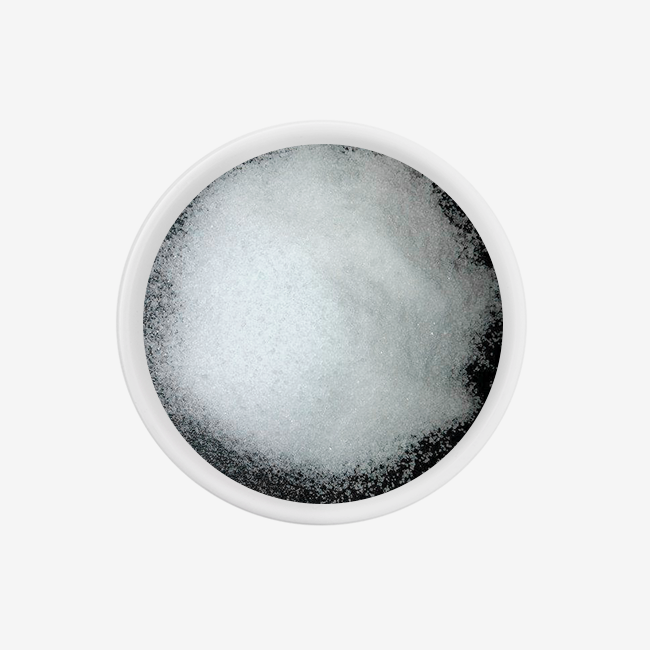
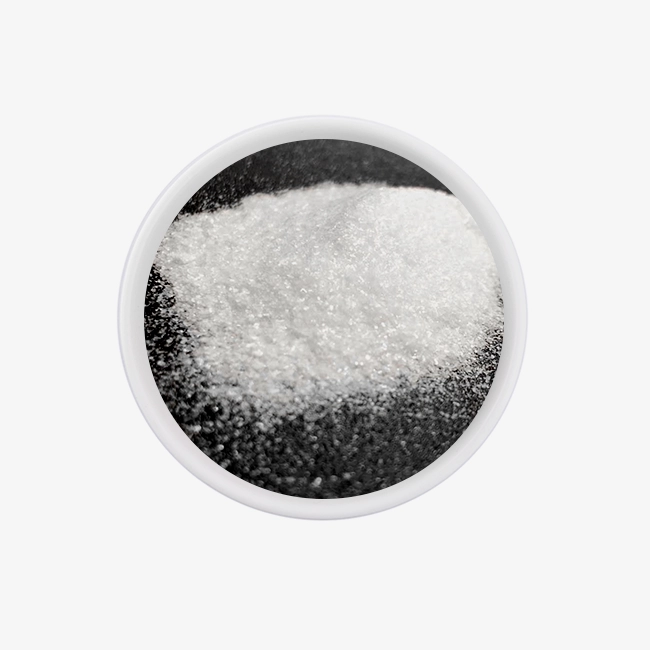
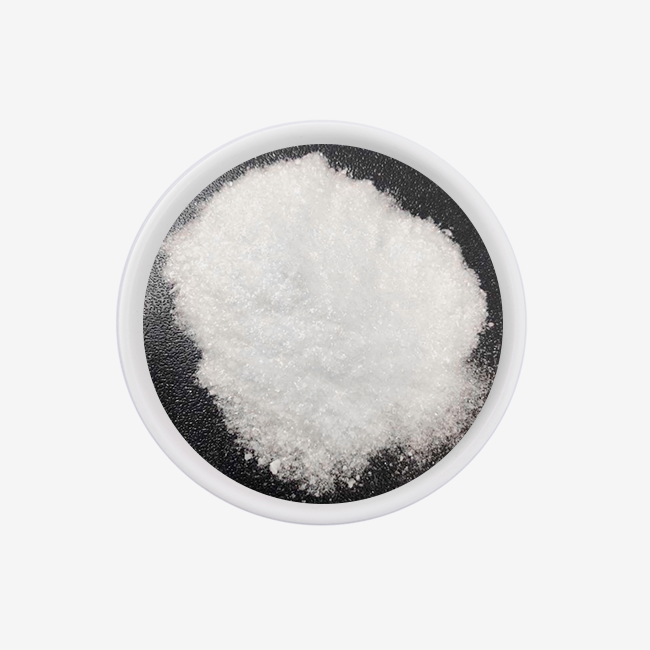
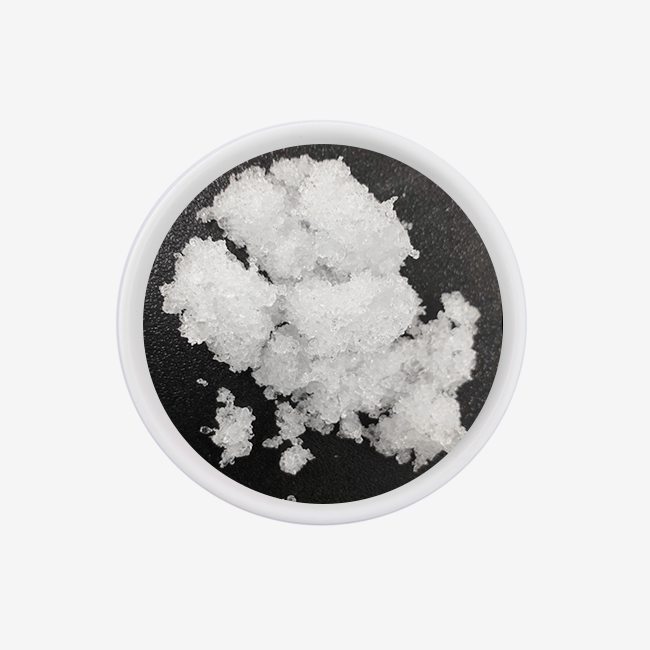
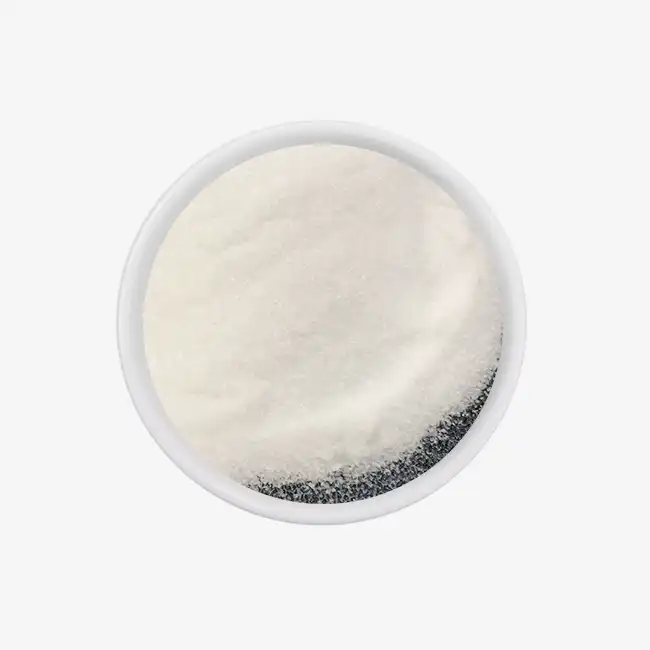
Airport Runway Solid Potassium Acetate has a molecular weight of 98.14 g/mol and a bulk density of 0.8–0.9 g/cm³ when it is solid and granular. Those physical traits are more important than they might seem at first. The granule weight keeps the material stuck to the pavement even when it's being jet-blasted, which isn't always possible with liquid-only formulations.
How It Melts Ice at the Molecular Level?
K+ acetate that is solid can work in two different ways. It takes in water from the air and starts to break down when it comes into contact with water. This starts an exothermic process that makes heat in a certain area. This brine cuts through the frozen layer from below, breaking the bonds between the ice and the concrete. For motorized sweepers, this makes the runway look great. Chemically, it doesn't change much when the temperature changes as long as you mix it with 15% water and keep the pH between 9.0 and 10.5.
Solid vs. Liquid: Why Form Matters on a Runway?
Potassium acetate that is liquid runs off of higher or sloped ground when it rains a lot. It's best to treat surfaces before snow falls and for thick layers of ice up to 6 mm thick that don't let liquids through at the surface because the solid form stays in place. Airports don't have to change their winter repair plans to include it because it works with the liquid deicing systems they already have.
Comparing Solid Potassium Acetate to Alternative Runway Deicers
To choose the correct airport deicer, like Airport Runway Solid Potassium Acetate, you need to think about cost, effectiveness, environmental protection, and infrastructure safety. Check out how solid potassium acetate compares to the other choices that are often used in North American and European airports.
- Urea: Urea used to be the standard, but it fails to work below -7°C and gives off ammonia compounds that are bad for aquatic ecosystems. It's getting harder to use near waterways because of the FAA and ICAO. As low as -60°C, solid potassium acetate can still work, and it has a much lower biological oxygen demand (BOD), so it is the clear replacement that meets all government standards.
- As for sodium acetate, it works well and breaks down on its own. It also works pretty well when it's not too cold. However, its eutectic point is higher than that of potassium acetate. This means that it is not as useful in places that get very cold, like Alaska, Canada, or northern Europe.
- Another type is calcium magnesium acetate (CMA). CMA is better for the environment, but it takes longer to breakdown and needs to be used at higher rates, which makes it more expensive to run and leaves more waste on the surface. It works better on roads than on airport runways, which are smooth.
- Salts with chlorine in them: Chlorides are not allowed at all on business airports. Their job is to break down aluminium, magnesium, and cadmium airplane parts. These are the same metals that are used in landing gear, airframes, and electronics bays.
Airport Runway Solid Potassium Acetate is one of a kind because it works at the lowest temperatures, doesn't rust, breaks down naturally, and stays stable when stored. A standard for concrete runway deicers used by planes is SAE AMS 1431E, which this one also meets.
Best Practices for Applying Solid Potassium Acetate on Airport Runways
If a deicer works at its stated capacity, it depends on how well it is used. Using the right method saves both the airport and the people working on the ground who are moving the materials.
Calibrating Spreader Equipment
It is best to use calibrated pneumatic or centrifugal spreaders to make sure that the material is spread evenly across runways that are usually wider than 45 meters. Too much application leaves too much residue, which makes the surface temporarily slippery after it melts; too little application could mean that the ice doesn't melt enough. Instead of using a fixed blanket rate, most airfield managers aim for application rates that are in line with the current thickness of the ice and the amount of rain that is expected.
Pre-wetting and Anti-icing Protocols
When you mix solid granules with a liquid potassium acetate solution before you wet the surface, it sticks better in high-wind situations. This stops the bounce-and-scatter effect, which loses product and makes it less useful. When you use an anti-icing device before the ice forms, it works better than reactive deicing after the ice has formed.
Standard chemical-resistant gloves should be worn by anyone who handles Airport Runway Solid Potassium Acetate. This material is not very dangerous, so it doesn't need special handling procedures for hazmat. This makes training the crew easier and speeds up operations when time is of the essence.
Environmental and Safety Impact of Solid Potassium Acetate Runway Treatment
Environmental groups and aviation regulators both look closely at what airports do to their surfaces. Deicing operations send runoff into drainage systems and nearby bodies of water. This means that choosing the right chemicals is both an operational and an environmental choice.
Biodegradation of Airport Runway Solid Potassium Acetate by wild microbes does not produce ammonia or halide chemicals. It has a much lower BOD load than urea-based deicers, which lowers the risk of oxygen loss in water bodies that receive it. This profile is especially helpful for airports that are close to sensitive watersheds, which happens a lot in the northeastern and Pacific Northwest parts of the United States.
As far as infrastructure goes, the compound doesn't corrode carbon steel faster than 0.03 g/m²·h under normal test conditions. This keeps runway lighting, drainage grates, and ground support equipment hydraulic lines safe, as well as aircraft. Longer airport and taxiway surface life saves money in the long run, and buying teams should include this in their calculations of the total cost of ownership.
Procurement Guide: How to Source Solid Potassium Acetate for Airport Runways?
Finding aviation-grade runway deicer means keeping an eye on licenses, supply consistency, and logistics timing, all of which get a lot more difficult as winter approaches.
Check that the Airport Runway Solid Potassium Acetate meets SAE AMS 1431E standards and that the manufacturer has at least ISO 9001 quality management certification before choosing a supplier. The ISO 14001 (environmental management) and ISO 45001 (occupational safety) certifications show that a company has good operational controls and not just good product chemistry.
The Shanxi Zhaoyi Chemical Co., Ltd. was established in 1988 and has 27,000 m² of production space. Each year, the company can make 150,000 tons of acetate. Most orders are ready in 5 to 7 business days. There are different types of bags that can be used for packaging, such as 25 kg woven plastic bags and 1,000 kg bags. Both are moisture-sealed to protect the goods from wetness. Shelf life is up to two years if stored properly in a dry, well-ventilated warehouse away from heat and things that don't go with it.
When planning seasonal stock, procurement teams should start placing orders well before the fourth quarter, when demand for deicing for aircraft around the world peaks and transportation capacity narrows. Before confirming bulk orders, it is standard practice in the industry to ask for certified batch test reports that cover purity (CH₃COOK ≥99.0%), chloride content (≤0.2%), iron content (≤0.05%), and pH verification. This is also what you should expect from any reputable manufacturer.
Conclusion
Over the years, Airport Runway Solid Potassium Acetate(CAS No.: 127-08-2) has become an important part of winter management at airports because it can fix issues that older deicers couldn't. It works at temperatures much lower than what urea or sodium acetate can handle. It also doesn't damage airplanes or infrastructure and meets the strict environmental standards that are now in place. Choosing a qualified potassium acetate runway deicer is not only the right thing to do, but it's also the only thing that can be defended by airport operators, procurement managers, and winter operations contractors in the United States who need reliable, certified performance for the whole season.
FAQ
Is solid potassium acetate safe for aircraft materials?
Yes. It doesn't break down aluminum, magnesium, or cadmium metals, which are often used in airplane frames and landing gear. Galvanic rusting and surface spalling on concrete and asphalt airport surfaces are not caused by it, as they are by chloride salts.
What temperature range does it cover?
It can effectively melt ice at temperatures as low as -60°C (-76°F), which is much lower than urea (-7°C) and sodium formate. Because of this, it can handle the harshest winters in North America.
How should it be stored?
Keep in a dry, well-ventilated building away from heat sources, in packaging that is tightly sealed and won't let moisture in. If you store it right, it can last up to two years.
Does it comply with aviation deicing standards?
Yes. The item is approved by SAE AMS 1431E, which is the global standard for solid chemicals used for deicing and anti-icing on airport runways.
Can it be used alongside liquid deicers?
Of course. It is possible for solid Airport Runway Solid Potassium Acetate to mix with both liquid potassium acetate (SAE AMS 1435) and propylene glycol fluids. Pre-wetting with liquid makes the pavement stick better and lets ice through faster.
Partner with SHANXI ZHAOYI CHEMICAL for Certified Runway Deicing Solutions
Since 1988, SHANXI ZHAOYI CHEMICAL has sold high-purity acetate products all over the world. Our Airport Runway Solid Potassium Acetate(CAS NO.: 127-08-2) meets SAE AMS 1431E standards for purity and has full ISO certification. As a direct Airport Runway Solid Potassium Acetate manufacturer that can produce 150,000 tons per year, we can offer low bulk prices, reliable seasonal supply, and technical support 24 hours a day, seven days a week. To get a sample, product specification sheet, or bulk price, email our team at sxzy@sxzhaoyi.com or visit sxzhaoyi.com right now.
References
1. Society of Automotive Engineers. SAE AMS 1431E: Compound, Solid Runway and Taxiway Deicing/Anti-icing. SAE International, 2018.
2. Federal Aviation Administration. Airport Winter Safety and Operations: Advisory Circular AC 150/5200-30D. U.S. Department of Transportation, 2016.
3. Fischel, M. Evaluation of Products for Airfield Pavement Deicing. Transportation Research Record, Journal of the Transportation Research Board, 2001.
4. Switzenbaum, M. S., Veltman, S., Mericas, D., Wagoner, B., & Schoenberg, T. Best Management Practices for Airport Deicing Stormwater. Chemosphere, 2001.
5. Transportation Research Board. Airport Ground Deicing — Environmental and Infrastructure Considerations. National Academies of Sciences, Engineering, and Medicine, 2010.
6. International Civil Aviation Organization. Airport Services Manual, Part 2: Pavement Surface Conditions. ICAO Doc 9137, 4th Edition, 2002.

USER EVALUATE
Here is the customer's evaluation of us