



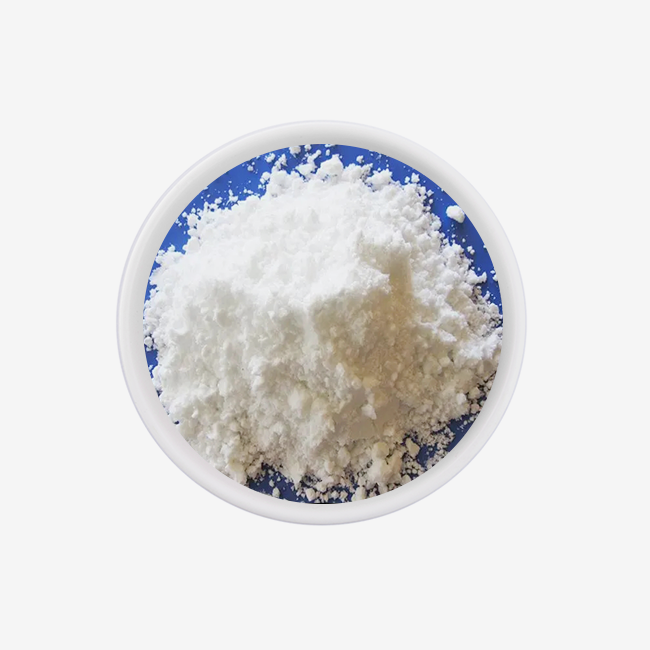
Leather Solid Sodium Formate
CAS NO.: 141-53-7
Molecular Formula: HCOONa
Molecular Weight: 68.01
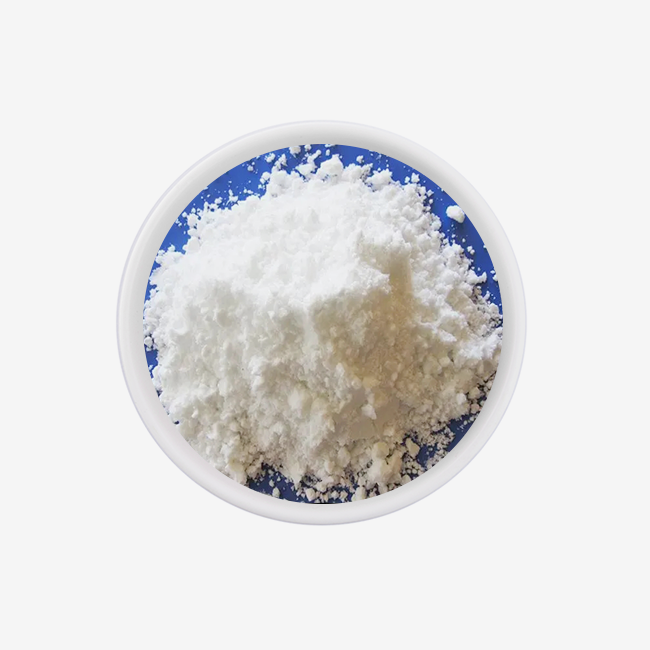
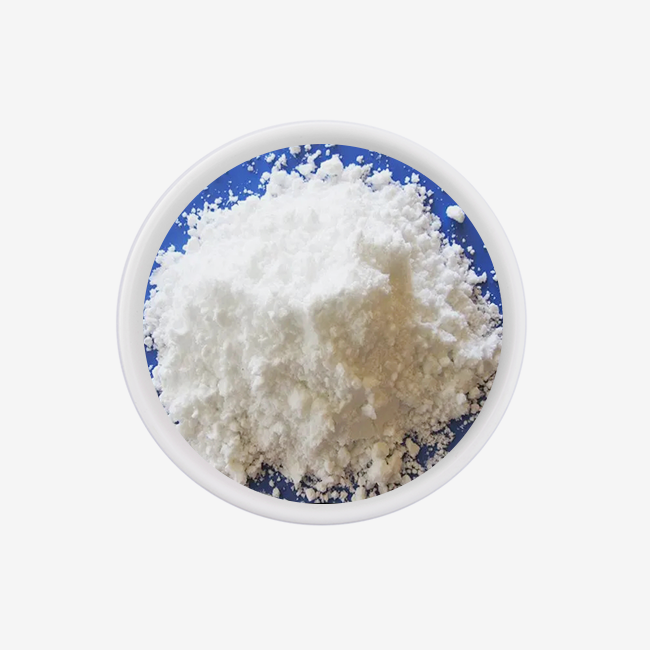
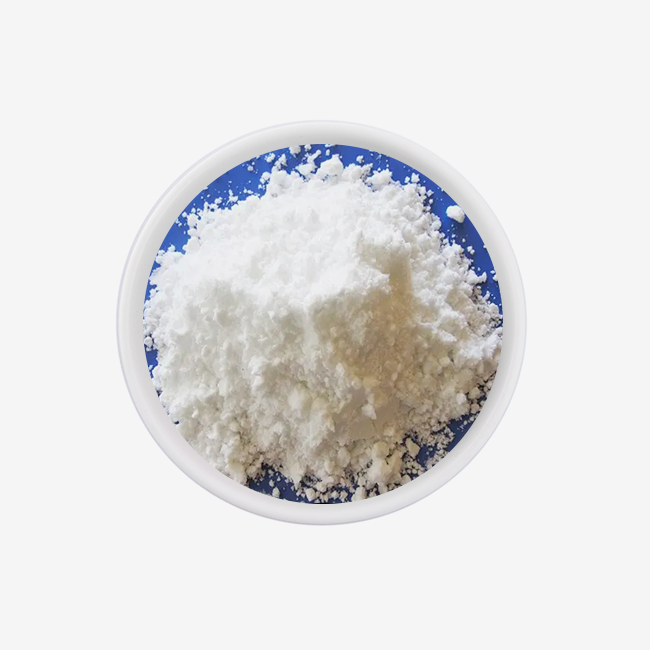
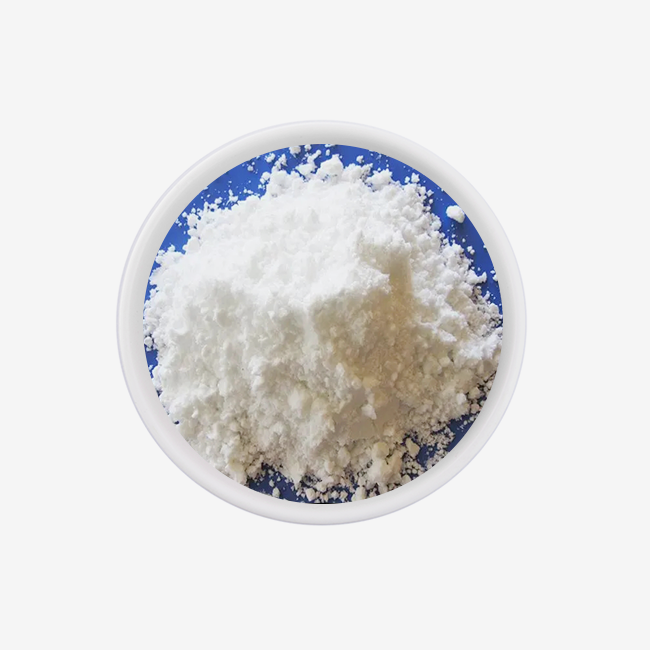
Character: White crystal powder.
Usage: Used in the production of Sodium Hydrosulfite, oxalic acid, and formic acid, oilfield development (oilfield drilling fluid, workover fluid, completion fluid), snow dissolving agent, mining, leather, printing and dyeing, etc.
Package: 25kg plastic woven bag or 1000kg Ton-bag
Storage: It should be stored in a dry and ventilative warehouse, kept away from heat and moisture during transportation, unloaded with care so as to avoid damage. Furthermore, it must be stored separately from poisonous substances.
- Product Description
Leather Solid Sodium Formate for Tanning — Premium-Grade Masking Agent for Superior Hide Penetration
Leather Solid Sodium Formate (HCOONa, CAS No. 141-53-7) is a white crystalline organic salt purpose-built for the leather tanning industry. Manufactured by Shanxi Zhaoyi Chemical Co., Ltd., a producer with over 30 years of acetate and formate chemistry, this product provides regulated pH buffering with exceptional masking effectiveness on heavy bovine hides, sheepskins and exotic leathers. Its 27,000 m² facility, yearly capacity of 150,000 tons, and constant supply, along with consistent batch quality and flexible packaging in 25 kilogram bags or 1,000 kg ton bags, provide reliable service for customers of all sizes.

Technical Specifications
Parameter | Tech Grade Specification |
Content (HCOONa) | ≥95-98% |
NaOH | ≤0.5-1.0% |
Na₂CO₃ | ≤0.5-1.0% |
NaCl | ≤0.5% |
Na₂S | ≤0.02-0.05% |
Water Content | ≤0.5-1.0% |
Organic Substances | None |
CAS Number | 141-53-7 |
Molecular Formula | HCOONa |
Molecular Weight | 68.01 g/mol |
Appearance | White crystalline powder |
Specific Gravity | Approx. 1.92 |
Water Solubility | ~97g/100ml at 20°C |
Iron (Fe) Content | <50ppm (Premium: <5ppm) |

What Is Leather Solid Sodium Formate and How Does It Work?
Sodium formate used in leather tanning is not your run-of-the-mill industrial chemical. It is a masking agent, specifically designed to overcome one of the most chronic problems of the tanning industry: the uneven penetration of chrome.
When chrome tanning chemicals are applied to a hide, fast acidification takes place and the surface is fixed before the tanning agent enters the whole hide. This is termed as “acid shock” because it leaves raw centres in thick hides and makes for uneven grain. Sodium formate does the opposite and adds the formate ion, replacing sulphate ions in the chrome complex. The outcome is a more durable collagen chromium bond and a much slower rate of fixing.
This regulated reaction ensures that the tanning liquor penetrates the whole cross-section of the hide before setting – just what is needed for high-quality automobile, upholstery and shoe upper leathers.
Key Product Characteristics
High Purity with Controlled Iron Levels
Purity reaches ≥95% to ≥98% depending on grade. For light-colored and white leathers, iron content below 5 ppm is critical — iron contamination reacts with tannins to produce black spots that ruin finished goods.
Strong Buffer Capacity
Sodium formate maintains a stable pH curve during the basification process. This prevents sudden pH spikes that damage the collagen matrix and cause irreversible grain loosening.
Superior Masking Efficiency
Formate ions form stable complexes with chromium, allowing the tanning liquor to tolerate higher pH levels without precipitating. This directly improves chrome exhaustion rates and reduces COD and chrome levels in effluent — a meaningful advantage for tanneries managing environmental compliance.
Controlled Solubility for Dosing Accuracy
With moisture kept below 3.0%, the Leather Solid Sodium Formate dissolves cleanly without caking in automated dosing systems. Insolubles below 0.1% ensure no physical abrasion on the grain surface during drum rotation.

Leather Solid Sodium Formate vs Other Products
Feature | Our Leather Solid Sodium Formate | Sodium Bicarbonate | Generic Sodium Formate |
Primary Function | Masking agent + Buffer | Basifying agent only | General chemical grade |
Purity Level | 95-98% | 99%+ | 90-95% |
Iron Content | <50ppm (<5ppm premium) | Not specified | 100-500ppm |
Prevents Acid Shock | ✓ Excellent | ✗ Causes surface fixation | △ Limited |
Chrome Exhaustion | High efficiency | Poor (precipitation) | Moderate |
Grain Tightness | Superior control | Risk of loosening | Variable results |
Light Leather Suitability | ✓ Excellent | ✓ Acceptable | ✗ Discoloration risk |
pH Buffer Capacity | Gradual, stable | Rapid, aggressive | Inconsistent |
Moisture Control | ≤1.0% (anti-caking) | Stable | Often >3% (caking issues) |
Application Versatility | Multi-industry | Limited to food/leather | Industrial only |
Application in the Tanning Process
Chrome Tanning of Heavy Bovine Hides
In shoe upper and automotive leather production, sodium formate leather tanning applications focus on even penetration before fixation occurs. It acts as the primary camouflage agent — managing the tanning rate so that temperature fluctuations in the drum do not trigger premature chrome precipitation.
Neutralization in the Retanning Phase
In fact, sodium formate is a mild pH booster in the leather cross section for high grade aniline leathers. Sodium bicarbonate, meanwhile, is a strong alkaline agent that may seal the surface, whereas sodium formate permits colours and fatliquors to permeate deeply rather than being fixed on the outside layer.
Stabilising the Pickling Bath
As an auxiliary in sodium formate pickling leather it lowers osmotic pressure variations in the pickling stage of sensitive sheepskins and exotic leathers. This avoids the acid swelling of the grain and maintains natural texture, flexibility and the integrity of the fibre structure even under strong acidic circumstances.
Test and Quality Control Procedures
Rigorous incoming and outgoing quality control is the foundation of consistent drum performance. Procurement of tannery is non-negotiable on four parameters:
Assay of Purity (≥95% or ≥98%) Determined by redox titration using KMnO4 technique. Lower purity means the presence of fillers that alter effective masking weight in the float.
Iron (Fe) Content: Determined by atomic absorption spectroscopy (AAS). This is the most important criterion for the manufacturing of white, pastel or light-colored leather. The slightest contamination at the incorrect time causes irreversible discolouration.
Moisture / Loss on Drying (<3.0%): Excess moisture causes severe caking and compromises performance in automated dosing systems commonly used in modern tanneries.
Insolubles (<0.1%): Confirmed via filtration testing. High insolubles present physical abrasion risk to the grain layer during drum rotation — a defect that is difficult to reverse in finishing.

Certifications & Compliance
Shanxi Zhaoyi Chemical Co., Ltd. operates under a certified quality management framework that supports responsible sourcing and supply chain compliance requirements.
· ISO 9001 — Quality Management System Certification
· ISO 14001 — Environmental Management System Certification
· ISO 45001 — Occupational Health and Safety Management System Certification
· Kosher Certification
· Halal Certification (applicable food-grade products)
Full documentation including multilingual MSDS, COA, and conformity documents is available. On-site factory audits by domestic and international customers are supported.

Packaging and Storage
Packaging Options:
· 25 kg plastic woven bag (PE inner liner)
· 1,000 kg ton bag
Storage Guidelines:
Store in a dry, well-ventilated warehouse away from heat and moisture. Handle with care during unloading to avoid bag damage. Keep separate from toxic substances at all times. Recommended storage conditions: below 30°C, relative humidity below 60%.

FAQ
Q: Why does sodium formate cake during storage? How to avoid it?
A: Sodium formate is hygroscopic and easily absorbs air moisture. Bags include heavy-duty PE inner liners to limit exposure. Store below 30 °C and below relative humidity 60%. Close bags immediately after usage.
Q: Can we use sodium formate in lieu of sodium bicarbonate in tanning drum ?
A: No, they are separate functions. Sodium bicarbonate is a basifying agent. Sodium formate as the masking agent. The premature application of bicarbonate induces fast surface fixing and case hardening. Formate slows down chromium fixing and moderates the response rate, hence aiding penetration.
Q: Which purity grade is appropriate for my leather type?
A: For ordinary dark leathers the ≥95% grade is industry standard and provides a cost efficient option. For white automobile leathers, pastel colours and fragile exotic skins the grade ≥98% with low iron (<5 ppm) is essential to avoid the danger of discolouration.
Q: what is it for chrome exhaust rates?
A: Formate ions stabilise chrome complexes at higher pH so they don’t precipitate prematurely. The hide takes up more chrome, reducing the quantities of residual chrome and COD in the effluent, helping responsible tanneries meet environmental compliance requirements.
Q: Does it influence tightness of grain?
A: Yes, absolutely. Sodium formate protects the fibre network against acid swelling during pickling and progressive fixing during tanning. This leads immediately to a tighter grain, a greater surface smoothness, and an increased tensile strength in the final leather.
Q: What documents do you supply for customs and quality check?
A: The standard papers are COA, MSDS (in several languages), packing list and business invoice. Conformity paperwork and test results are available upon request to assist import processes and tannery quality audits.

Contact Us
Ready to source Leather Solid Sodium Formate for your tannery? Contact our team at sxzy@sxzhaoyi.com — inquiries are answered within 2 hours.

USER EVALUATE
Here is the customer's evaluation of us
YOU MAY LIKE
 VIEW MOREIndustrial Solid Sodium Formate
 VIEW MOREFur Processing Solid Sodium Formate
 VIEW MOREFabric Fixing Solid Sodium Formate
 VIEW MOREDrilling Solid Sodium Formate
 VIEW MOREDeicing Solid Sodium Formate
 VIEW MOREPrinting & Dyeing Solid Sodium Formate
 VIEW MOREOilfield Solid Sodium Formate
 VIEW MORESnow Melting Solid Sodium Formate