



Snow Melting Liquid Potassium Acetate for Rail Yard Winter Operations
Rail yards operate around the clock, and winter weather poses a serious threat to both safety and scheduling. Snow melting liquid potassium acetate(CAS NO.: 127-08-2) (CAS No. 127-08-2, CH₃COOK) has emerged as a preferred non-chloride deicing agent for rail infrastructure maintenance across the United States. With a freezing point suppression reaching -35°C and a snow melting rate exceeding 85% within one hour at -25°C, this colorless liquid solution delivers rapid, reliable performance where traditional chloride-based agents consistently fall short. This guide helps procurement professionals and rail maintenance engineers make confident, informed decisions.
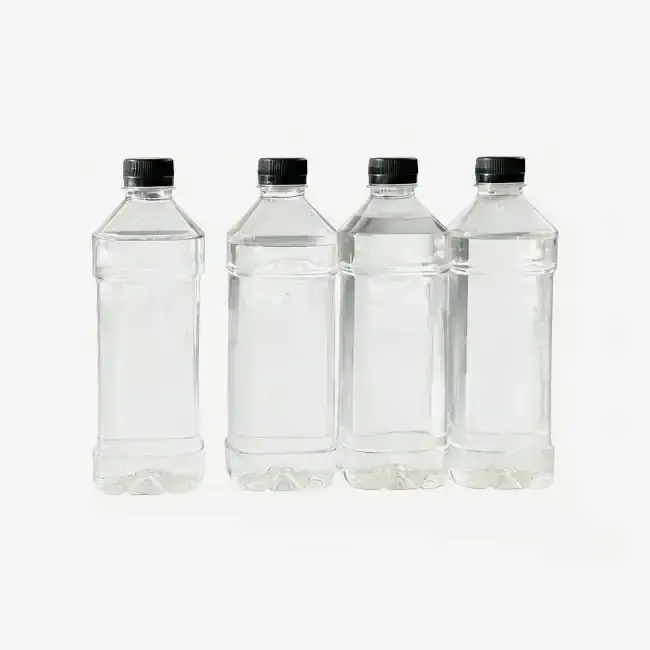
Understanding Liquid Potassium Acetate and Its Role in Rail Yard Snow Melting
The snow melting liquid potassium acetate solution lowers the freezing point of water through colligative depression. This breaks the link between the ice and the surface material before it has a chance to harden. With a molecular weight of 98.14 g/mol and a concentration of 50–60%, it quickly breaks through ice layers when it comes into contact with them, without the activation lag that is a problem with granular solid deicers.
Why Rail Yards Demand a Chloride-Free Solution?
There are a lot of valuable things in rail yards, like signal relay boxes, steel switching mechanisms, aluminum brake parts, and concrete ballast structures. Chloride-based deicers, like calcium chloride and sodium chloride, speed up galvanic rusting on these surfaces at rates that can be measured. Snow melting liquid potassium acetate keeps the rate of corrosion on carbon steel below 0.03 g/m²·h, which protects the long-term integrity of infrastructure without affecting how well it melts in the winter.
Biodegradability as an Operational Advantage
Rail yards are often next to buffers for wetlands and flood drainage systems. A deicing product that breaks down in water at least 95% of the time, like this snow melting liquid potassium acetate mixture, lowers regulatory risk under NPDES release permits by a large amount. Environmental compliance is no longer a nice-to-have; it's a requirement for getting things.
Comparing Liquid Potassium Acetate with Alternative Deicing Solutions
To choose the right deicing agent, you have to be honest about the trade-offs between performance. Sodium chloride stops working below -9°C (15°F), which is often below that temperature in the Midwest and Northeastern U.S. winters. Calcium magnesium acetate (CMA) works well in weather conditions, but it melts more slowly at very low temperatures. Glycol-based fluids have higher biochemical oxygen demand (BOD) loads and are harder to get rid of near bodies of water.
When it comes to three things that matter most to rail yard procurement teams, snow melting liquid potassium acetate is clearly better:
- Temperature Range: Works down to -35°C, which covers almost all of the very cold conditions that can happen on North American train lines, such as those that run through Montana, Minnesota, and upstate New York.
- Surface Compatibility: It doesn't rust on aluminum, carbon steel, or reinforced concrete, which is important for protecting track gear, switching equipment, and platform structures all at the same time.
- Environmental Profile: It has a pH range of 7.5 to 9.2, a low chloride level (≤0.01%), and is almost completely biodegradable. This means that it can be used near sensitive water areas without causing environmental problems.
The total cost of ownership is lower because of these factors. When infrastructure repair costs, application regularity, and regulatory compliance are all taken into account, snow melting liquid potassium acetate always has better lifetime economics than chloride alternatives, even if the unit cost is higher at first.
Procurement and Supply Chain Strategies for Liquid Potassium Acetate
When buying snow melting liquid potassium acetate in bulk for rail operations, you need to do more than just compare prices. When a winter storm comes early, supply continuity, batch stability, and the ability to change how things are moved around all matter.
Evaluating Supplier Qualifications
Suppliers you can trust have ISO 9001 (quality management), ISO 14001 (environmental management), and ISO 45001 (health and safety at work) certifications. These credentials prove that production processes can be checked, tracked, and are the same across batches. This is a must for procurement officers who are in charge of rail operations at multiple sites.
Packaging and Logistics Planning
You can get snow melting liquid potassium acetate in 1000L IBC tanks for on-site storage and operating freedom, or you can get it in Flexibags for cheap bulk sea freight. For storage, containers need to be kept in dry, well-ventilated warehouses away from substances that don't go with them. During transport, the containers must be carefully handled to avoid damage. Planning seasonal inventory ahead of Q4 demand spikes, especially from October to January, lowers supply chain risk by a large amount.
Best Practices for Using Liquid Potassium Acetate in Rail Yard Winter Operations
The right application improves both the heating performance and the product effectiveness. By applying the snow melting liquid potassium acetate before the precipitation starts, pre-treatment stops the ice from bonding instead of trying to break a bond that has already formed. This way of deicing cuts down on the total amount of product used during a storm while keeping the surface safe.
Here are the main things that experienced train repair teams do when they're working:
- Pre-wetting switching zones with a controlled spray before it's supposed to rain to keep track parts from sticking to ice.
- Calibrating spray equipment so that it works with the current temperature and rate of precipitation so that too much application wastes product and causes more runoff.
- Scheduling reapplication based on real weather data instead of set times will cut down on the use of chemicals that aren't needed during lighter events.
- Storing IBC tanks in areas that are insulated and kept at a steady temperature to keep the right viscosity for pump and nozzle systems.
These actions lower the amount of trash and damage to infrastructure. When rail maintenance teams use systematic application protocols instead of reactive, high-volume treatments, they consistently report fewer service interruptions and lower seasonal maintenance costs.
Future Trends and Innovations in Snow Melting Technologies for Rail Yards
In the winter, rail operations are going toward repair models that are integrated and based on data. Fixed Automated Spray Technology (FAST) systems are being changed so that they can be used in high-risk train moving areas. These systems are already used on bridge decks and highway overpasses. These systems use built-in weather station feeds and road sensors to automatically apply exact amounts of snow melting liquid potassium acetate. This cuts down on labor costs and speeds up response times.
With IoT-connected dispensing equipment, facility managers can check on fluid levels, application volumes, and surface temperatures from afar. This level of visibility helps with more accurate inventory planning and compliance reporting, which are both becoming more important for rail operators who have to deal with stricter environmental oversight.
Formulation work is also moving forward. Manufacturers are looking into better inhibitor packages that slow down metal interactions even more, as well as changes to concentrations that make the useful temperature ranges bigger for use in rail routes close to the Arctic. Purchasing teams that build open relationships with suppliers now will have an easier time taking advantage of these changes when they become commonplace.
Conclusion
Snow melting liquid potassium acetate(CAS NO.: 127-08-2) has won its place as the deicing agent of choice for train yard winter operations where safety, long-term infrastructure, and environmental responsibility all come together. It works at a wide range of temperatures, doesn't corrode, and breaks down quickly. These features help it deal with the real operational pressures that rail maintenance workers across the US face. When paired with strategic planning for purchases and strict application methods, it provides measured value all winter long. This answer should be carefully thought through by buying managers who are ready to move on from reactive deicing.

FAQ
Does liquid potassium acetate work differently from road salt in practical terms?
To work, road salt needs water and traffic on the surface, which makes it slow when it's dry and cold. Snow melting liquid potassium acetate solution responds right away because it is already dissolved when it gets there. This difference is very important in rail yards where the ground needs to be cleared quickly before trains can move again.
Is it safe to use near rail yard drainage systems?
With a chloride level of less than 0.01% and biodegradability of 95%, this composition doesn't pose much of a threat to stormwater drains or nearby plants. Because it doesn't harm the environment, it meets NPDES discharge standards and can be used near sensitive drainage corridors.
What technical specifications should procurement teams verify?
Some important factors are the amount of CH₃COOK (50–60%), the freezing point (-35°C), the pH (7.5–9.2), the amount of heavy metals (Pb ≤0.01%), and the speed at which the snow melts (85% in one hour at -25°C). Before shipping, these values are confirmed by asking suppliers for certificates of analysis at the batch level.
How does bulk packaging affect procurement logistics?
1000L IBC tanks can be used for both on-site storage and practical filling. Flexibags make it possible to ship containers in a way that saves money, especially for seasonal amounts. Both formats can be used with standard warehouse and loading equipment at most rail maintenance facilities.
Partner with SHANXI ZHAOYI CHEMICAL for Reliable Winter Supply
Since 1988, SHANXI ZHAOYI CHEMICAL has been making acetate-based solutions. They can make up to 150,000 tons of them every year and have ISO 9001, ISO 14001, ISO 45001, KOSHER, and HALAL certifications. As a reliable supplier of snow melting liquid potassium acetate(CAS NO.: 127-08-2), we offer lead times of 5–7 business days, technical support 24 hours a day, 7 days a week, and flexible packaging that can be changed to meet the needs of rail yards. Contact our team at sxzy@sxzhaoyi.com or visit sxzhaoyi.com to request a product specification sheet and discuss your seasonal supply needs.
References
1. Transportation Research Board, National Academies of Sciences, Engineering, and Medicine. Airport Pavement De-icing Chemicals: Environmental Impacts and Alternative Management Practices. 2012.
2. American Railway Engineering and Maintenance-of-Way Association (AREMA). Manual for Railway Engineering, Chapter 8: Roadway and Ballast. 2020.
3. Federal Railroad Administration, U.S. Department of Transportation. Track Safety Standards Compliance Manual. 2019.
4. Cold Regions Science and Technology (Elsevier). Shi, X. et al. "Environmental Impacts of Winter Road Maintenance." 2017.
5. Transportation Research Record: Journal of the Transportation Research Board. Levelton Consultants. "Guidelines for the Selection of Snow and Ice Control Materials to Mitigate Environmental Impacts." 2008.
6. Journal of Hazardous Materials (Elsevier). Ramakrishna, D.M. & Viraraghavan, T. "Environmental Impact of Chemical Deicers — A Review." 2005.

USER EVALUATE
Here is the customer's evaluation of us
YOU MAY LIKE
 VIEW MOREFood-Grade Sodium Diacetate
 VIEW MOREFeed-Grade Sodium Diacetate
 VIEW MOREDeicing Solid Potassium Formate
 VIEW MOREDrilling Solid Sodium Formate
 VIEW MOREMetal Bridge Solid Potassium Acetate
 VIEW MOREDrilling Solid Potassium Acetate
 VIEW MOREBread Sodium Acetate Trihydrate
 VIEW MORETextile Sodium Acetate Trihydrate