



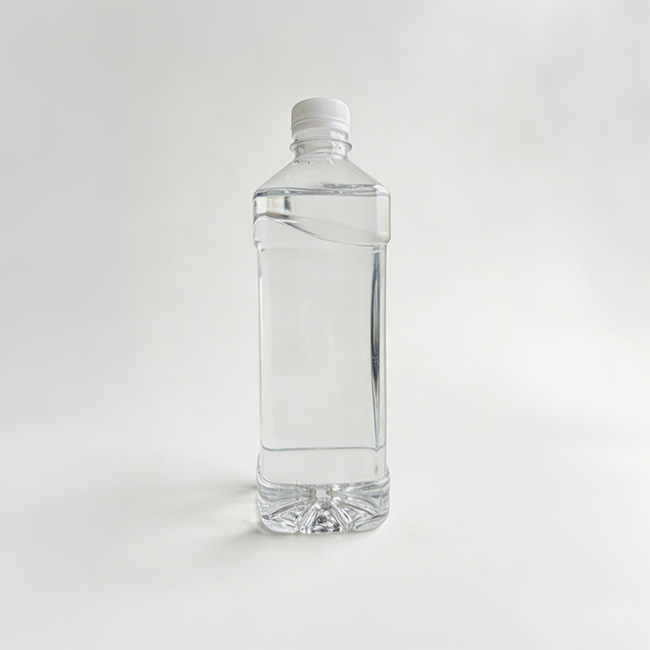
Airport Snow Melting Agent
Usage:Anticorrosion of environmentally friendly snow melting agent without chlorine
Package: 1000L IBC tank or Flexibag.
Storage: It should be stored in a dry and ventilative warehouse, kept away from heat and moisture during transportation, unloaded with care so as to avoid damage. Furthermore, it must be stored separately from poisonous substances.
- Product Description
Airport Snow Melting Agent | Potassium Acetate Runway Deicer | Chloride-Free, Aircraft-Safe Formula
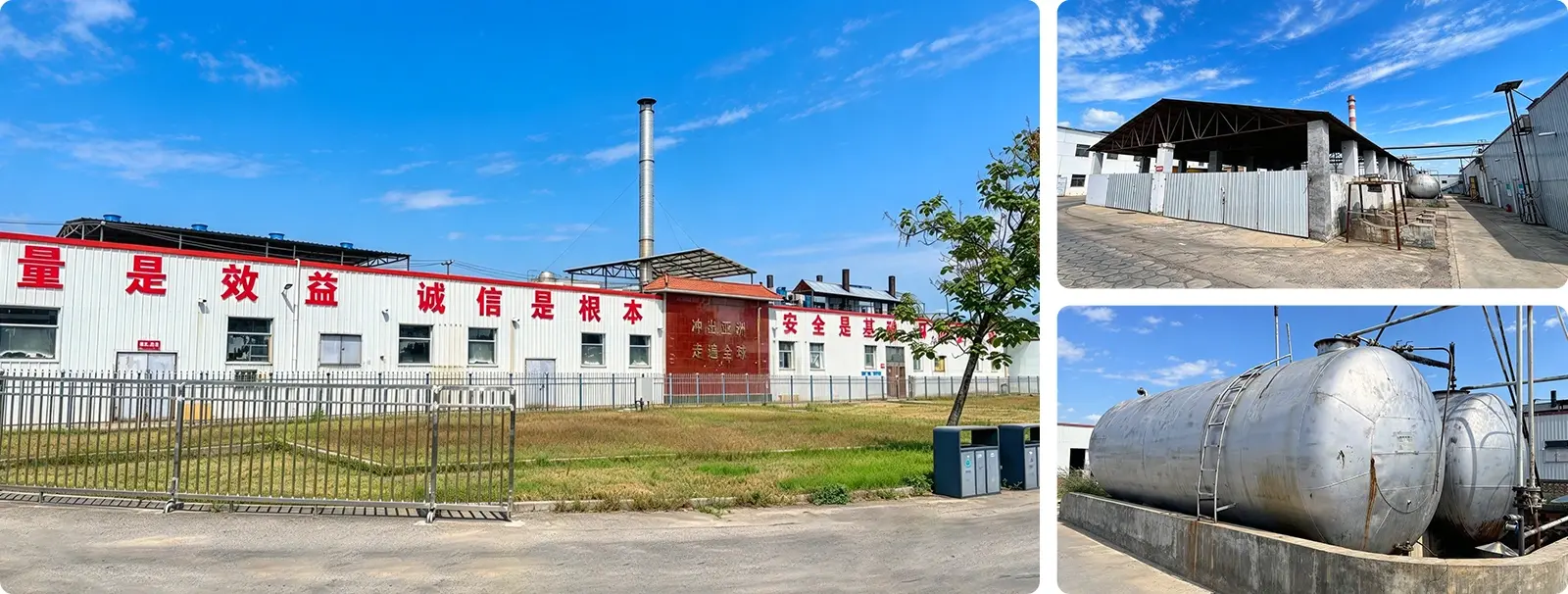
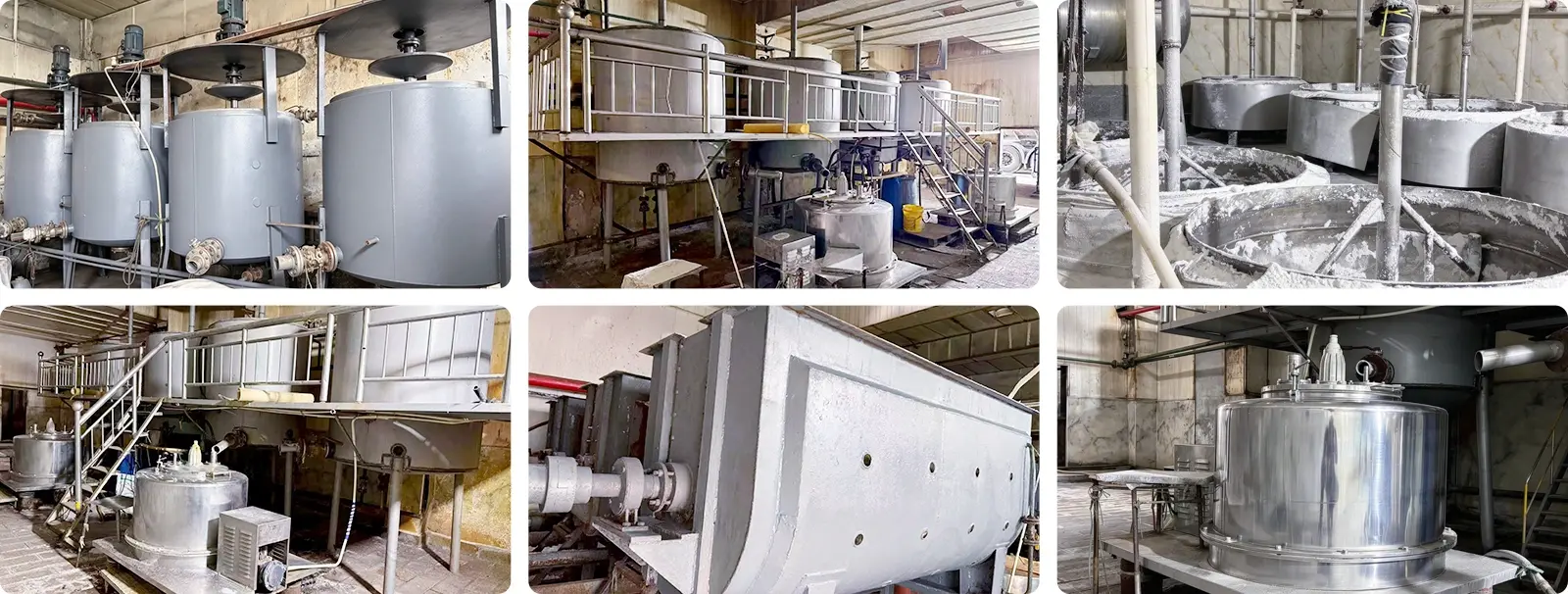
Shanxi Zhaoyi Chemical Co., Ltd. supplies a professional-grade Airport Snow Melting Agent formulated from potassium acetate — a chloride-free, acetate-based deicer engineered specifically for aviation environments. With over 30 years of expertise in acetate salt manufacture, and an annual capacity of 150,000 tons, we can guaranty constant quality, reliable bulk supply and comprehensive technical documentation. Supplied in 1000L IBC tanks or Flexibags, this product satisfies the stringent corrosion, environmental and material compatibility requirements of airports across the globe today.
Technical Specifications
Parameter | Specification |
Product Type | Chlorine-free acetate series |
Active Ingredients | Potassium Acetate / Sodium Formate blend |
Freezing Point Range | -15℃ to -60℃ |
Physical Form | Liquid and solid granule options |
pH Value | 7.0 - 9.0 (neutral to mildly alkaline) |
Corrosion Rate | <0.5% (ASTM F1110 compliant) |
BOD/COD Ratio | >0.5 (readily biodegradable) |
Application Rate | 20-50 g/m² (solid) / 10-30 L/m² (liquid) |
Shelf Life | 24 months in sealed containers |
Why Traditional Deicers Fail at Airports
Chemicals that melt snow that are based on chloride were never meant to be used on aircraft equipment. They wear down aeroplane tires, damage aluminium and steel parts, and leave behind residues that damage landing surfaces over time.
They also release runoff that harms local aquatic ecosystems, which is becoming a bigger problem for airport operators with regulators. Alternatives based on urea produce ammonia gas, which is bad for the health of people working on the aprons and taxiways.
This is where an airport deicer that was designed to be eco-friendly really makes a difference. Potassium acetate melts ice down to -35°C, makes anti-icing last longer, and completely gets rid of damage caused by chloride.
Core Airport Snow Melting Agent Features
Chloride-Free, Aircraft-Safe Formula
This liquid runway deicer contains zero chlorides, making it safe for contact with aircraft aluminum, titanium, and high-strength landing gear steel. It passes the critical ASTM F519 hydrogen embrittlement test — a standard specifically designed to protect landing gear components from microscopic steel cracking.
Effective at Ultra-Low Temperatures
Even at -35°C, the product still does a good job of melting ice. During a blizzard, it can be sprayed directly onto runways to melt them right away while keeping the friction levels needed for heavy aircraft to stop safely.
Longer duration of anti-icing
Potassium acetate makes an anti-icing film on pavement that lasts longer than chloride salts. This cuts down on how often the coating needs to be reapplied, which lowers running costs and makes it easier on ground workers during snow events.
Low Aquatic Toxicity
LC50 aquatic toxicity testing confirms that runoff from this agent is safe for nearby waterways. This directly supports airport environmental permit compliance — a key concern for procurement teams operating near lakes, rivers, or sensitive ecosystems.
No Staining on Unpainted Surfaces
It meets ASTM F485 standards, ensuring the agent does not stain or degrade unpainted aircraft surfaces upon drying. This is critical for apron and gate areas where aircraft surfaces are regularly exposed.
Application Scenarios
Active Runway De-icing
In heavy snowfall, liquid potassium acetate is sprayed directly onto active runways for immediate ice bond-breaking. It is also compatible with hybrid wet-dry application tactics — combining liquid pre-spray with pre-wetted solid agents to prevent wind displacement and ensure deep penetration through ice layers.
Apron and Gate Anti-icing
Before storms arrive, liquid pre-treatment on parking aprons prevents snow bonding to concrete. Ground support equipment like tugs, loaders, and baggage vehicles can work safely, and unlike with urea-based alternatives, ground crews are not exposed to harmful fumes.
Bridges and steel structures over elevated taxiways
Because air moves under bridge decks, they freeze faster than surfaces on the ground. As a reputable supplier of runway deicing chemicals, we made this agent to protect high-tensile steel reinforcements from hydrogen embrittlement while also making sure that ice is removed effectively from elevated structures.
Airport Snow Melting Agent vs Other Products
Feature | Our Airport Agent | Rock Salt (NaCl) | Urea | Calcium Chloride |
Corrosion to Aircraft | Minimal (<0.5%) | Severe (>5%) | Moderate (2-3%) | High (3-4%) |
Effective Temperature | -60℃ | -9℃ | -7℃ | -32℃ |
Environmental Impact | Biodegradable | High chloride load | Eutrophication risk | Soil pH damage |
Residual Protection | 6-12 hours | 1-2 hours | <1 hour | 2-4 hours |
Infrastructure Safety | Concrete/steel safe | Rebar corrosion | Surface staining | Concrete spalling |
Aviation Certification | ✓ Compliant | ✗ Not approved | ✓ Limited use | ✗ Restricted |
Quality Control & Testing Standards
For procurement managers, quality assurance on the product is non-negotiable. Our product is formulated and evaluated against internationally recognized aviation testing standards:
- ASTM F1110 (Sandwich Corrosion Test): Verifies the agent does not cause pitting between metal sheets, simulating aircraft lap joints under operational stress.
- ASTM F483 (Total Immersion Corrosion): Measures weight loss of aluminum, steel, and titanium coupons submerged in the agent — widely considered the benchmark for aircraft material safety.
- ASTM F519 (Hydrogen Embrittlement): Confirms the chemical does not induce microscopic cracking in high-strength landing gear steel.
- ASTM F485 (Unpainted Surface Test): Ensures no staining or surface degradation on unpainted aircraft components.
- LC50 Aquatic Toxicity Test: Confirms environmental safety of runway and apron runoff.
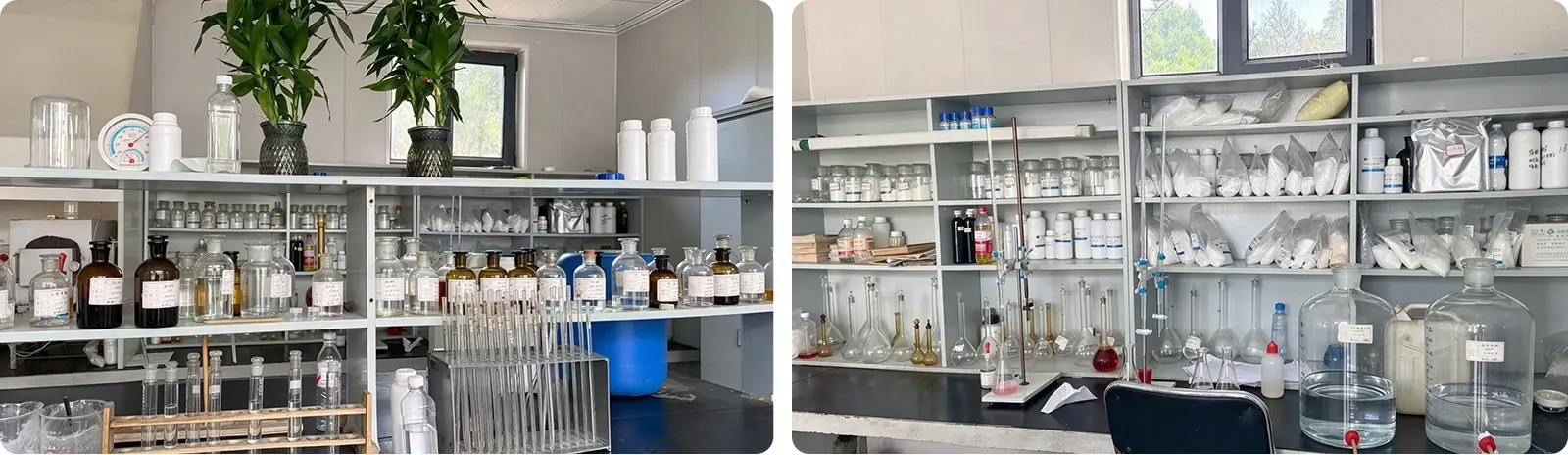
Every batch of production is managed according to the terms of the contract. If you ask, you can get COA paperwork, MSDS sheets, and safety papers in more than one language.
Certifications and Compliance
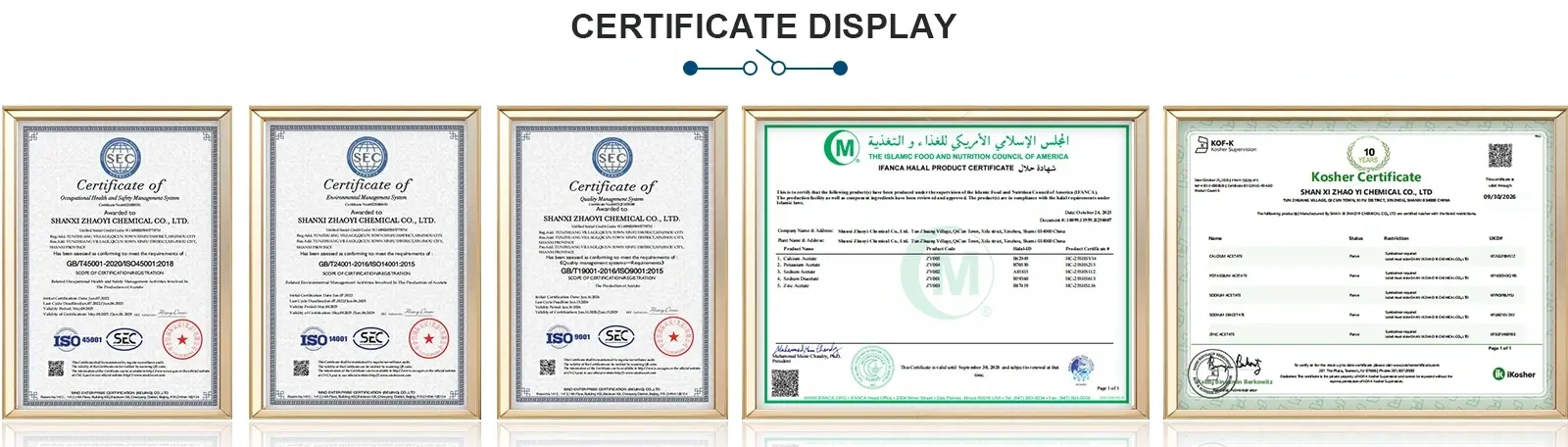
Airport Snow Melting Agent from Shanxi Zhaoyi Chemical has the following management system certifications, which help make sure that all production operations are safe, environmentally friendly, and of high quality:
- ISO 9001 — Quality Management System
- ISO 14001 — Environmental Management System
- ISO 45001 — Occupational Health and Safety Management System
Kosher Certification
Halal Certification (for lines of food-grade products)On-site factory audits by customers from all over the world are fully supported. Your airport's standards for sustainability and supply chain compliance are in line with our dedication to environmental management.
Supply & Packaging
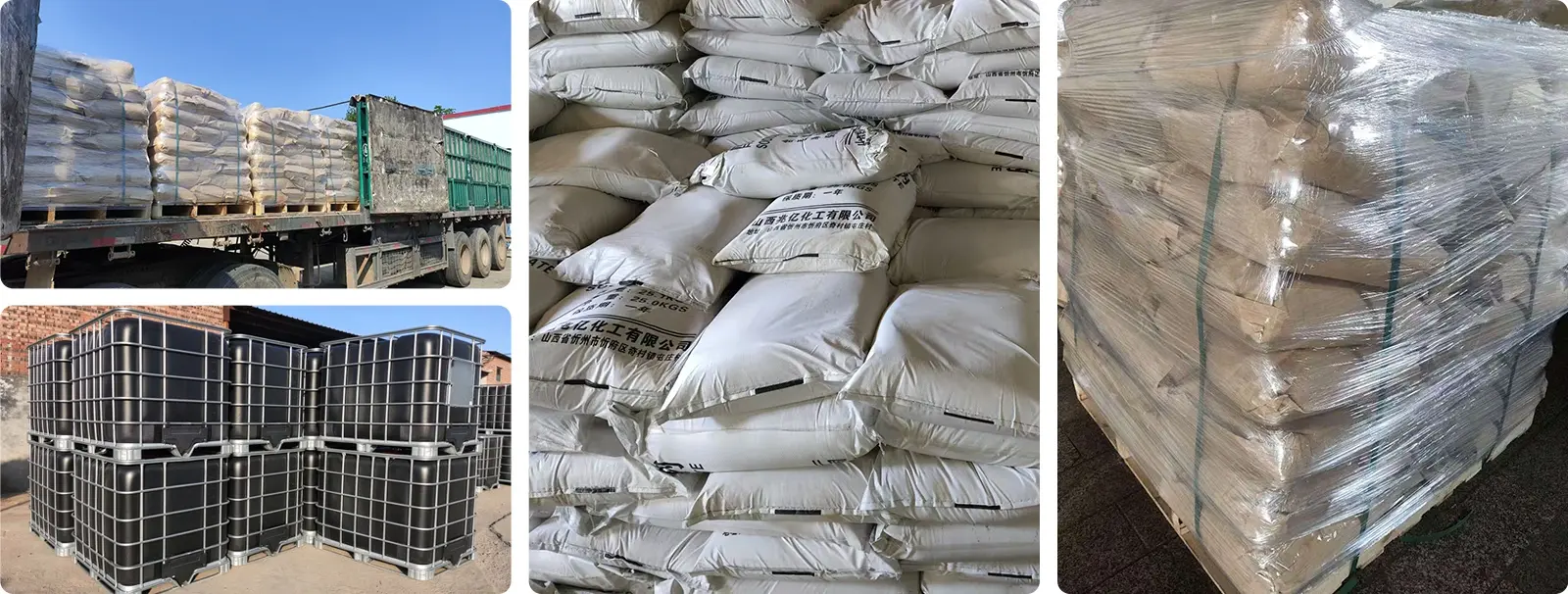
As a large-scale runway deicing chemicals supplier with 27,000 m² of production facilities, we support both regular and bulk seasonal orders. Standard lead time is 5–7 working days, with 24-hour delivery available for stocked items.
Packaging is available in 1000L IBC tanks and Flexibags, optimized for efficient bulk shipping and handling. We support FOB, CIF, and DAP trade terms, and provide full export documentation, including multilingual MSDS, COA, and customs clearance support.
FAQ
Q: Does this product pass ICAO-related requirements and airport-specific compliance standards?
A:The product is formulated to meet ASTM aviation corrosion and material safety standards, including F483, F1110, F519, and F485. Full test documentation is available. For airport-specific certification requirements, please contact us directly — we support custom documentation based on your regulatory environment.
Q: What is the corrosion rate to aircraft components, and are test reports available?
A:Corrosion rates are evaluated per ASTM F483 total immersion methodology using aluminum, steel, and titanium coupons. Test reports and COA documentation can be provided to procurement and QC teams upon request.
Q: How effective is this agent in ultra-low temperature conditions?
A:This product maintains strong deicing performance down to -35°C, making it suitable for northern airports and high-altitude facilities experiencing extreme winter conditions.
Q: Can you support bulk supply during peak snow season?
A:Yes. With an annual production capacity of 150,000 tons and maintained safety stock, we can support large-volume seasonal demand. Standard lead time is 5–7 working days, with expedited options available for stocked items.
Q: Is this product safe for airport environmental compliance requirements?
A: This liquid deicer for runways doesn't contain chloride and passes the LC50 test for aquatic toxicity. It is an airport deicer that is safe for the environment and helps airports follow the rules for environmental permits and runoff management.
Q: Do you offer OEM packages or formulations that are made just for us?
A: Yes. We can make unique ratios, make changes to additives for different climates, mark products for OEMs, and provide paperwork in multiple languages. Get in touch with our expert team to talk about your unique needs for preparation and packing.
Contact Us
Ready to source a reliable Airport Snow Melting Agent for your facility? Contact us at sxzy@sxzhaoyi.com — our team responds within 2 hours.

USER EVALUATE
Here is the customer's evaluation of us