



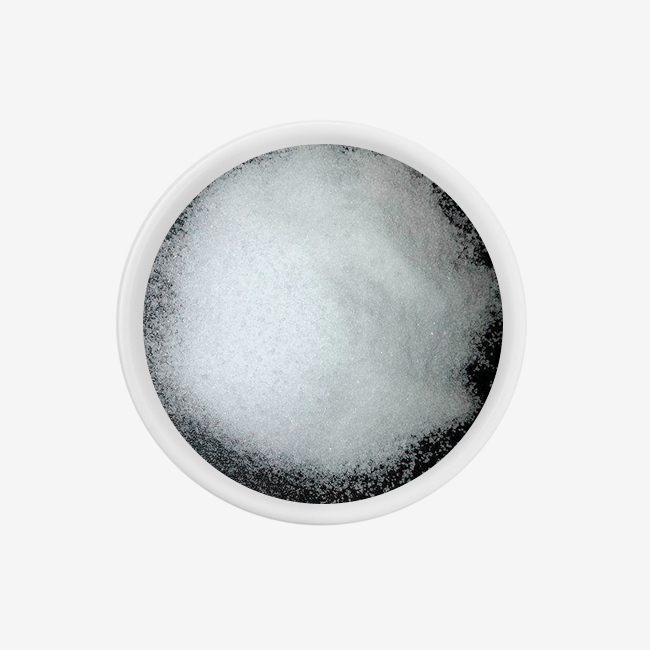
Feed pH Adjustment Sodium Diacetate
CAS NO.: 126-96-5
Molecular Formula: C4H7NaO4
Molecular Weight: 142.09
Character: White crystal powder.
Usage: Sodium diacetate has the features of high efficient antiseptic, retain freshness and nutritive value improving function. It is widely used in feed and food industry. In industrial field it is used homogenization agent, mordant and acidulant and PH modifier.
Package: 25kg plastic woven bag or 1000kg Ton-bag
Storage: It should be stored in a dry and ventilative warehouse, kept away from heat and moisture during transportation, unloaded with care so as to avoid damage. Furthermore, it must be stored separately from poisonous substances.
- Product Description
Feed pH Adjustment Sodium Diacetate for Animal Feed | Buffering & Preservation Solution
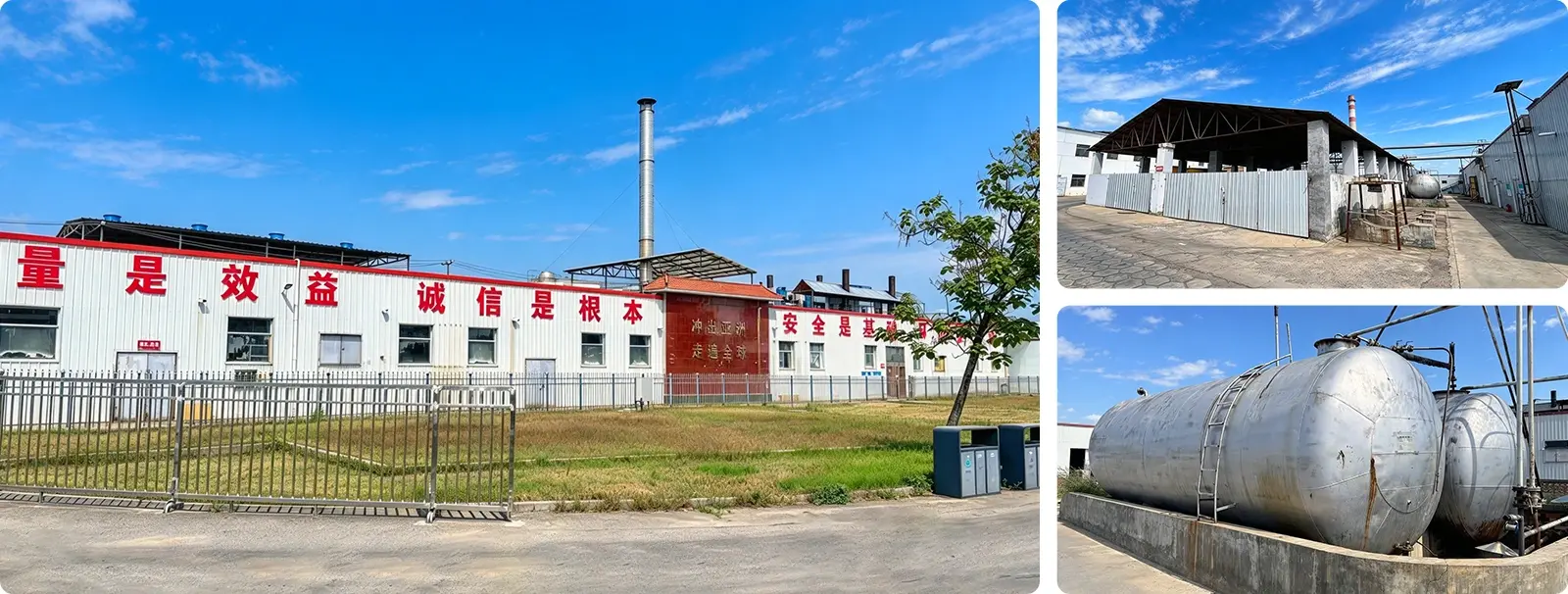
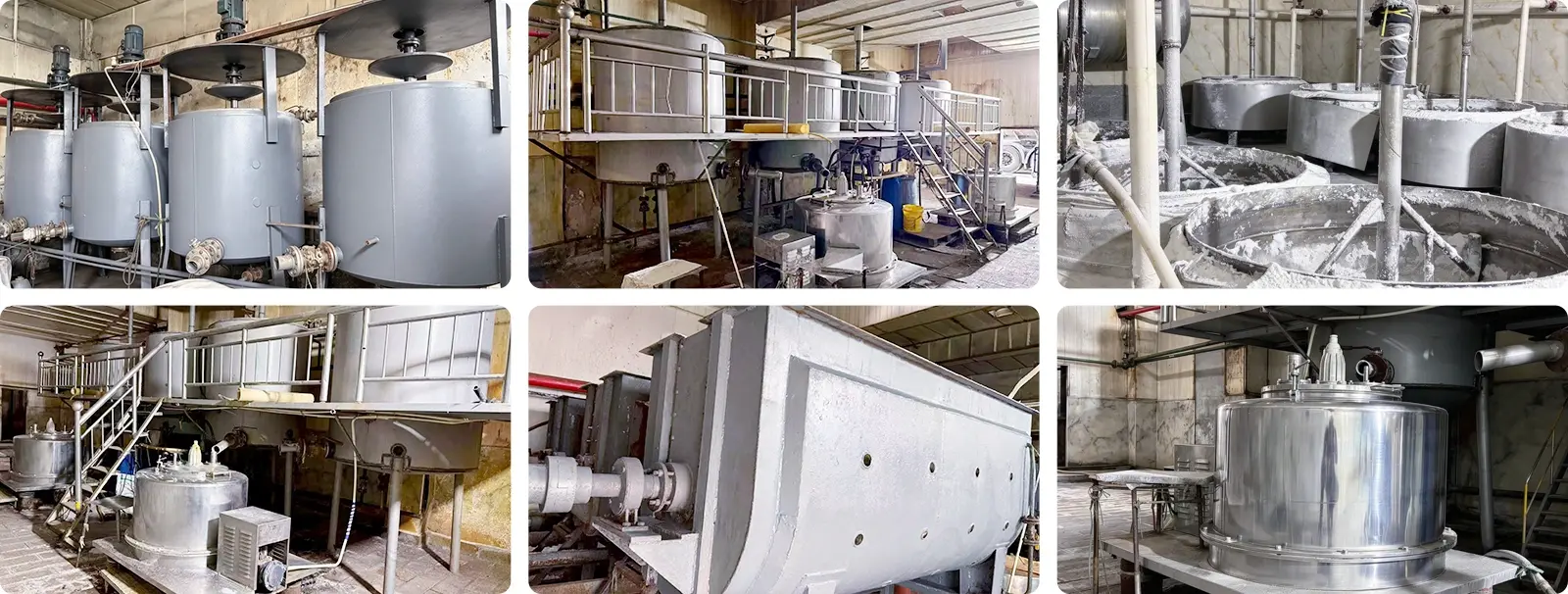
Feed pH Adjustment Sodium Diacetate is a high-performance feed additive that combines precise pH regulation with broad-spectrum antimicrobial protection. Produced by Shanxi Zhaoyi Chemical Co., Ltd. — a producer with over 30 years expertise in the acetate sector -- This product has purity of ≥98%, sodium acetate concentration of 58.0%–60.0% and free acetic acid content of 39.0%–41.0%. Its unusual crystal lattice structure allows for a continuous release of acetic acid, which aids livestock producers in managing gut pH, reducing infections and extending feed shelf life. Shanxi Zhaoyi's ISO-certified quality procedures and 150,000-ton yearly production capacity provide continuous, compliant supplies for global feed makers.
Technical Specifications
Parameter | Specification |
Appearance | White crystal powder |
CAS Number | 126-96-5 |
Molecular Formula | C₄H₇NaO₄ |
Molecular Weight | 142.09 g/mol |
Acetic Acid Content | 38.0–41.0% |
Sodium Acetate Content | 57.0–60.0% |
Moisture | ≤3% |
Heavy Metal (as Pb) | ≤0.001% |
Arsenic (As) | ≤0.0003% |
pH (10% solution) | 4.5–5.0 |
Formic Acid & Oxidizable Substances | ≤0.2% |
Water Solubility | 119g/100ml at 20°C |
Decomposition Temperature | >150°C |
What Is Feed-Grade Sodium Diacetate and How Does It Work?
Feed-Grade Sodium Diacetate is a molecular compound of sodium acetate and acetic acid in a 1:1 molar ratio, represented as CH₃COONa·CH₃COOH·xH₂O. "dry vinegar"is the name given in the feed business for a solid-state alternative to liquid organic acids which is more simpler and safer to handle.
Its crystal lattice structure, unlike simple physical mixes, provides for a steady and sustained release of undissociated acetic acid in the presence of moisture in the feed matrix. This implies that the active ingredient gets to where it is most required, the stomach and small intestine, and is not neutralised too soon.
It has a steady pKa of roughly 4.75 as a sodium diacetate feed pH regulator. This buffering ability helps to prevent fast changes in the pH of the gastrointestinal tract, therefore improving the action of pepsin and improving protein digestion – especially important in weaned piglets and young fowl.
Key Product Characteristics
Feed-Grade Sodium Diacetate delivers a unique combination of functional advantages not seen in single-function preservatives such as calcium propionate.
Performance with Dual Functions At the same time it is a potent acidifier and broad range bactericide. It inhibits cell membrane transfer in moulds such as Aspergillus and Penicillium and bacteria such as Salmonella and E. coli .
Non-Corrosive Solid Form The animal feed acidifier is delivered as a solid powder of sodium diacetate and does not promote corrosion of mild steel mixing equipment unlike liquid formic or acetic acid. This implies less upkeep and better safety for the workers.
Better Compatibility – Does not react negatively with proteins, vitamins or minerals in complex feed formulations. It is extremely soluble (119 g/100 ml at 20°C) and gives a homogenous solution, so it will be evenly distributed throughout the batch.
Processing stability The product does not degenerate during regular processing activities such as pelleting and extrusion of feed. Decomposition only occurs above 150°C, which is much beyond normal operating temperatures in feed mills.
Applications in Animal Feed Production
Feed pH Adjustment Sodium Diacetate addresses three of the most common pain points facing modern feed manufacturers.
Mold and Mycotoxin Control: For stored grains and compound feeds with moisture content below 13%, a dosage of 0.1%–0.2% is effective in suppressing mold proliferation. For higher-moisture silage or wet grains, dosages may be increased up to 0.5%. At these levels, shelf life can be extended by 2–3 times compared to untreated feed.
Gut Health in Monogastric Animals Piglets after weaning have reduced gastric acid output, resulting in a higher gut pH, poor protein digestion and post-weaning diarrhoea . Adding feed pH regulator, sodium diacetate, to beginning diets reduces feed buffering capacity and favours pepsin activation and nutrient absorption.
Improved palatability: The little acetic smell increases feed intake in pigs, a clear benefit over bitter-tasting mineral acidifiers. In case of poultry the dose of the additive should be less than 0.3% to prevent palatability problems or alternatively micro-encapsulated versions may be used to regulate the release of scent.
Feed pH Adjustment Sodium Diacetate vs Other Products
Feature | Our Sodium Diacetate | Calcium Propionate | Liquid Formic Acid | Citric Acid |
pH Buffering | Excellent (pKa 4.75) | Weak | None | Moderate |
Antimicrobial Spectrum | Broad (bacteria + mold) | Mold only | Bacteria focused | Limited |
Equipment Corrosion | Non-corrosive | Non-corrosive | Highly corrosive | Mildly corrosive |
Handling Safety | Solid/safe | Solid/safe | Hazardous liquid | Solid/safe |
Palatability Impact | Positive (swine) | Neutral | Negative | Sour/negative |
Cost Efficiency | High | Moderate | Low (+ equipment wear) | Moderate |
Storage Stability | 24 months | 18 months | 12 months (if sealed) | 24 months |
Formulation and Usage Guidance
It's easy to integrate it properly into your feed formulation, but there are a few things to keep in mind to obtain the greatest results.
Sodium diacetate is hygroscopic and should be weighed and added during the dry mixing step prior to liquid ingredients. Make sure the contact duration in the mixer is long enough for even dispersion - minimum 3 to 5 minutes in a paddle or ribbon mixer.
Keep exposure to air to a minimum before combining. Once opened the product should be handled in sealed settings especially in high humidity situations.
If you're replacing liquid acidifiers in an existing recipe, remember that solid sodium diacetate provides a more regulated, buffered delivery of acetic acid. You may need to adjust total acid equivalents based on your goal gut pH results.
Certifications & Compliance
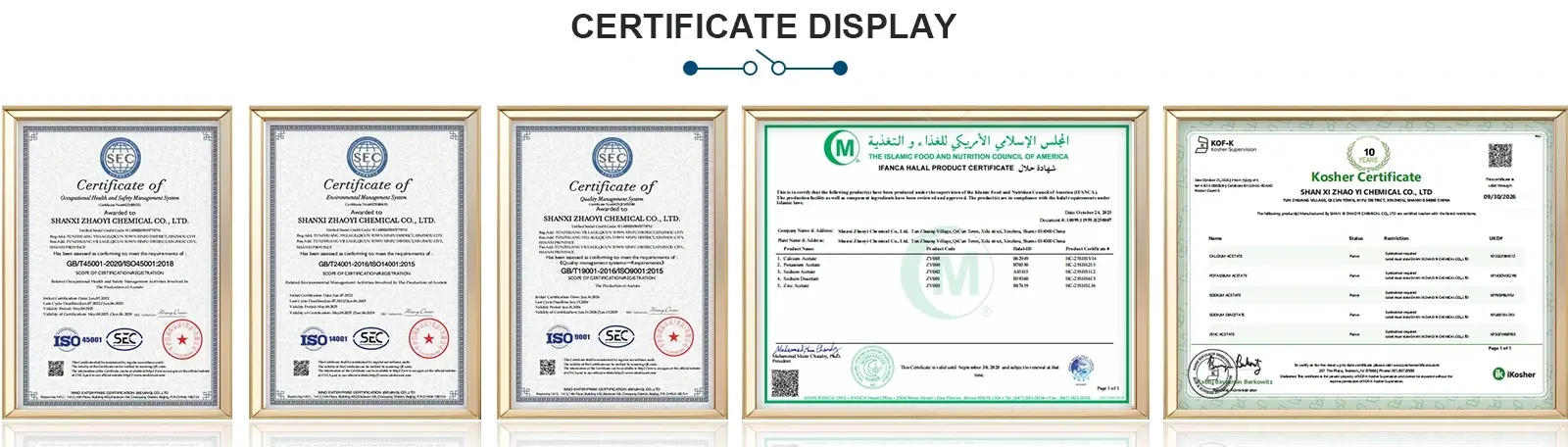
Shanxi Zhaoyi Chemical Co., Ltd. operates under internationally recognized management systems, providing buyers with the documentation and compliance confidence required for feed-grade purchasing decisions.
· ISO 9001 – Quality Management System Certification
· ISO 14001 – Environmental Management System Certification
· ISO 45001 – Occupational Health and Safety Management System Certification
· Kosher Certification
· Halal Certification (applicable food and feed-grade products)
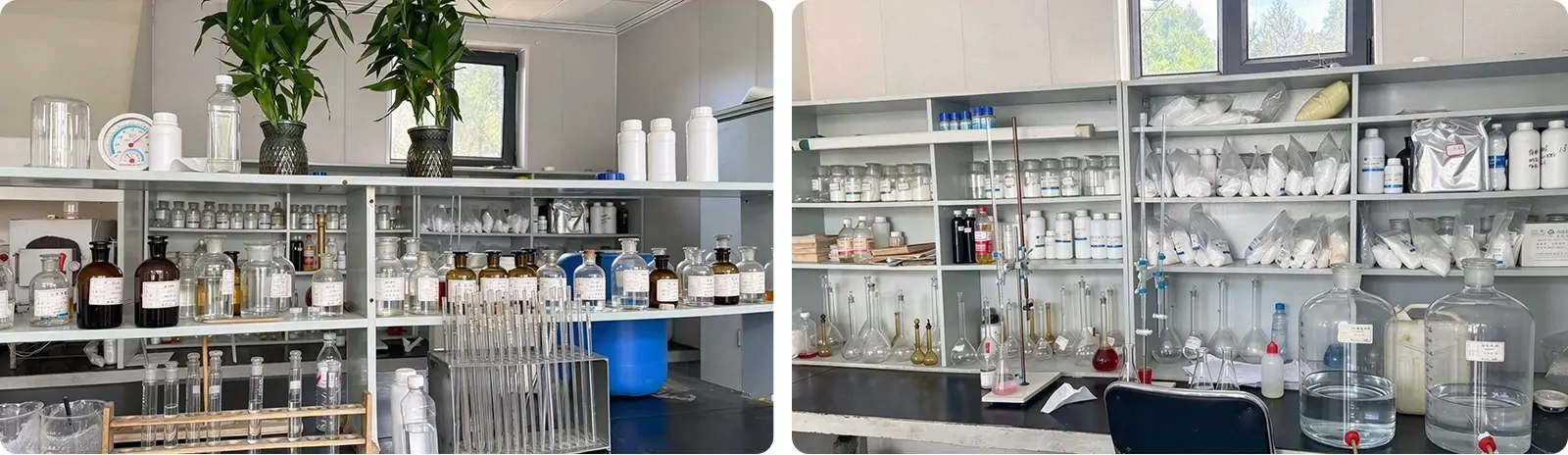
The product meets FCC VII and E262 specifications adapted for feed safety, with controlled heavy metal profiles (Pb <2 ppm, As <3 ppm). Full documentation including COA, MSDS, and conformity certificates is available in multiple languages. On-site factory audits by domestic and international customers are also supported.
Why Source From Shanxi Zhaoyi Chemical?
Selecting the correct source is just as important as selecting the perfect product. That's why Shanxi Zhaoyi is a stable long term companion of feed grade sodium diacetate.
Scale and Consistency: Your supply is safe from the uncertainty small-batch manufacturing might bring, with a 27,000 m2 facility and yearly capacity of 150,000 tonnes. Traceability for each production run, quality documentation provided on batch level.
Fast Response: Standard orders ship in 5-7 working days. Orders for stocks may be placed within 24 hours. Technical questions will be answered within 2 hours.
Flexible Customisation: OEM packaging, Custom specs and Custom formulas. This is particularly helpful to distributors who serve several geographic markets with differing regulatory requirements.
Global trade support: Products are shipped to Europe, North America, Asia and beyond. The crew is well versed in FOB, CIF, and DAP terms, as well as comprehensive export paperwork and customs clearance support.

FAQ
Q: How is this product different from Calcium Propionate?
A: Calcium propionate is simply a mould inhibitor. The product is an acidifier that lowers stomach pH and is a bactericide effective against gram-negative bacteria such as Salmonella and E. coli. That dual action offers greater feed safety and gut health advantages.
Q: Is sodium diacetate corrosive to feed mill mixing equipment?
A: No. It is not corrosive to mild steel as a sodium diacetate animal feed acidifier in solid form. Conversely, liquid organic acids need acid-resistant equipment and are hazardous to handle. Using solid sodium diacetate may save equipment maintenance expenses.
Q: Does the acetic smell affect the intake of food by animals?
A: The vinegar-like smell has been shown to really help with palatability and boost feed intake for pigs. The level should be maintained below 0.3% for poultry since rejection may occur. Micro-encapsulated versions are offered when scent control is a priority.
Q: What is the suggested dose of mould inhibitor?
A: Usually 0.1–0.2 % is effective for diets with less than 13 % moisture. For high moisture grains or silage, the dose may be increased to 0.5%. Adjust for moisture content, storage circumstances, and desired shelf life. Always.
Q: How should the product be kept to avoid caking?
A: Store in cool, dry place below 25°C and 60% relative humidity Seal bags with polyethylene lining. Do not double stack pallets, pressure might cause caking. Reseal promptly after opening to minimise exposure to moisture.
Q: What paperwork is provided for regulatory compliance?
A: Full paperwork includes Certificate of Analysis (COA), Material Safety Data Sheet (MSDS) and product conformity certifications. Multilingual versions available on demand to enable import compliance in numerous markets.
Contact Us
Ready to improve feed quality and reduce preservation costs? Contact our team at sxzy@sxzhaoyi.com for pricing, Feed pH Adjustment Sodium Diacetate samples, or technical support.

USER EVALUATE
Here is the customer's evaluation of us