



Deicing Liquid Potassium Acetate for Airport Taxiway Operations
When winter storms roll in, airport taxiway safety becomes a critical operational concern. Deicing liquid potassium acetate (CAS No. 127-08-2, CH₃COOK) is a professional-grade, non-chloride anti-icing solution engineered to keep taxiways clear and aircraft operations uninterrupted. Formulated at 50–60% concentration, this colorless, slightly sour liquid maintains effectiveness at temperatures as low as -60°C (-76°F). Unlike chloride-based salts, it protects pavement integrity and aircraft alloys simultaneously, making it the preferred choice for aviation-grade winter maintenance programs across U.S. airports and beyond.
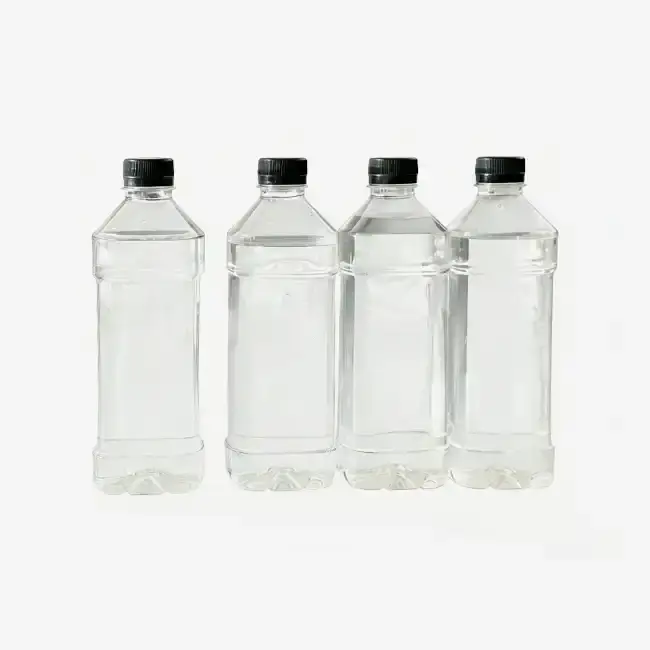
Understanding Potassium Acetate Deicing Liquid and Its Applications
Cryoscopic depression is how potassium acetate works. It breaks down hydrogen bonds within ice crystals, which lowers the freezing point of surface water and stops ice from sticking to the ground. The liquid easily melts snow and ice because it has a molecular weight of 98.14 and a specific gravity of 1.25 to 1.30. This ensures that the melting is even and quick across the taxiway surfaces.
How Does It Perform on Airport Taxiways?
Usually, tanker spray booms are used to apply it before a storm. This makes a protective layer of brine that keeps ice from sticking. This method of pre-treatment lowers the mechanical load on the tools used for mowing and keeps the friction coefficients that are important for the landing gear of airplanes. The pH range of 7.5 to 9.2 keeps the formula balanced and safe for airport sensors and infrastructure parts that are built into the ground.
Why Aviation Environments Demand Non-Chloride Solutions?
Chloride-based deicers, like sodium chloride and calcium chloride, make it easier for aluminum alloys, cadmium parts, and concrete rebar to rust. A 2018 study in the journal Cold Regions Science and Technology confirmed that chloride exposure makes airside pavement structures last a lot less time. This risk is completely eliminated by deicing liquid potassium acetate, which is why it meets SAE AMS 1435 standards, which are the most stringent requirements for aerospace materials used to melt snow and ice on airport runways.
Comparing Potassium Acetate with Other Common Deicing Liquids
In aviation-grade conditions, not all deicing agents work the same way, and deicing liquid potassium acetate stands out. Before signing a seasonal supply deal, procurement teams often look at more than one chemical choice. See how potassium acetate stacks up against the most popular options below:
- Calcium chloride and magnesium chloride are both about the same price, but they release chloride ions that eat away at aircraft alloys, hurt concrete rebar, and pollute stormwater runoff. For airports with strict rules about protecting their assets, these choices have secret long-term costs that are higher than the money they save in the short term.
- Urea-based deicers used to be the standard in the aviation industry, but their high Biological Oxygen Demand (BOD) load makes waterways that they enter less oxygenated. Over the past ten years, the U.S. Environmental Protection Agency (EPA) has made it harder to use urea in a way that is legal.
- Sodium acetate and ethanol-based blends work better in some environments, but they don't always do well in very cold conditions that last for a long time. It is safe to use deicing liquid potassium acetate even when the temperature drops to -60°C, which gives you a good safety cushion during polar vortex events or long freeze conditions.
The difference is clear: deicing liquid potassium acetate has a low effect on the environment, doesn't corrode infrastructure much, and works reliably in cold temperatures, which is something that other agents can't do at the same time. For airport procurement officers who have to balance following the rules and making sure operations are safe, this makes it a smart long-term investment instead of just a yearly chemical buy.
Procurement Considerations for Airport Operations
When strategically sourcing deicing liquid potassium acetate, you need to think about more than just the unit price. If a supply agreement really helps with winter operational readiness, it depends on the volume commitments, the supplier's certification status, and the reliability of the deliveries.
Key Factors for B2B Procurement Teams
Buying in bulk through 1000L IBC tanks or flexitanks for shipping containers lowers the cost per unit and makes it easier for large airports to keep track of their inventory. With ISO 9001, ISO 14001, and ISO 45001 certifications, SHANXI ZHAOYI CHEMICAL can produce up to 150,000 tons of chemicals every year. This ensures that the quality of the chemicals is always the same and that the company is responsible for the environment at every stage of production.
When buying deicing liquid potassium acetate, procurement teams should ask for Certificates of Analysis (CoA) that show the concentration levels (≥50–60% CH₃COOK), pH levels that are within the range, and trace metal compliance, especially lead (≤0.01%) and arsenic (≤0.0004%), to meet EPA environmental discharge thresholds. Refractive index checking is a quick way to check the concentration of a supply in the field.
Standard production wait times are 5–7 working days, and in-stock items can be sent out 24 hours a day. There are different ways to handle logistics depending on whether an airport authority uses a direct import program or a regional chemical dealer. This is why there are different trade terms, such as FOB, CIF, and DAP.
Safe Storage and Handling Guidelines for Potassium Acetate Deicing Liquid
The safety and purity of the product are directly affected by how it is stored. Deicing liquid potassium acetate should be kept in a warehouse that is dry, well-ventilated, and away from sources of heat and water. It must always be kept away from things that are harmful or don't work with it.
Stainless steel (304/316 grade) or high-density polyethylene (HDPE) vessels are better for long-term containment than untreated carbon steel vessels, which may cause small discoloration or sediment formation over time. Under these conditions, the product can be kept for an indefinite amount of time. However, after two years of storage, the pH and concentration should be checked again every year.
When working and applying chemicals, workers should wear the right safety gear, like gloves that can handle chemicals and eye protection. There must be rules for keeping spills under control, especially near drainage systems that are linked to stormwater infrastructure, because the product adds very little to the BOD when it is released in large amounts. These safety measures are in line with OSHA rules for working with liquid chemicals in shipping settings.

Maximizing Operational Efficiency with Potassium Acetate Deicing Liquid
Timing, machine calibration, and product stability are the most important factors in how well a taxiway deicing system works. When the liquid is applied before a storm is expected, instead of after the ice has formed, a lot less chemical is needed, and it takes much less time to get the surface friction back to safe levels.
Integrating with Automated Spray Systems
Fixed Automated Spray Technology (FAST) systems are used on bridges and taxiway approach zones. Deicing liquid potassium acetate works perfectly with these systems. Its low viscosity keeps nozzles from getting clogged, and its fixed specific gravity keeps the spray spread even when the temperature changes. When airports switch to automated pre-treatment methods, they report a clear drop in the amount of manual work and chemical waste created during each winter event.
Measurable Return on Investment
When you think about how long infrastructure will last, the business case for potassium acetate becomes clear. Less scaling on the pavement, lower costs for fixing corrosion damage on airplanes, and fewer fines for not following the rules for stormwater violations all add up to a total cost of ownership that supports the product's place in comparison to chloride alternatives. Based on operational data from airports in North America that switched from urea-based programs to acetate-based ones, annual pavement rehabilitation costs have gone down by a lot when using acetate-based deicing strategies.
Deicing liquid potassium acetate is a good choice for any airport that wants to run high-performance, environmentally friendly winter operations because it has these practical benefits, is easy to get, and is confirmed to be of good quality.
Conclusion
Airport taxiway managers can use deicing liquid potassium acetate(CAS No.: 127-08-2), which is a technically sound and environmentally friendly way to manage winter surfaces. The fact that it doesn't contain chlorine saves important infrastructure, that it can lower the freezing point in extreme temperatures, and that it can be used with automated spray systems makes large-scale application more efficient. It's a good choice for procurement teams that care about compliance, infrastructure longevity, and the reliability of the supply chain. It's backed by industry standards and measurable operational outcomes.
FAQ
Can potassium acetate deicing liquid be mixed with other deicers?
During storage, it's not a good idea to mix deicing liquid potassium acetate with propylene glycol or urea. Blending weakens the ability to lower the freezing point and could mess up the rust prevention package that was made just for the acetate system.
What is the lowest temperature at which it can work effectively?
The eutectic freezing point is -60°C, but the effective deicing range is usually between -29°C and -35°C (-20°F to -30°F), based on how much rain falls and how much is used.
Is the product safe for concrete runways and taxiway lighting systems?
Yes. Since the chloride level is less than 0.01%, it gets rid of the main thing that causes concrete to scale and rebar to rust. The buffered pH range (7.5–9.2) also keeps the electrical infrastructure inside safe.
How should the quality of the delivery be checked when it arrives?
Ask for a Certificate of Analysis that shows the content, pH, specific gravity, and amounts of trace metals in CH₃COOK. Measuring the refractive index is a reliable way to check the concentration in the field.
Partner with SHANXI ZHAOYI CHEMICAL for Reliable Airport Deicing Supply
Since 1988, SHANXI ZHAOYI CHEMICAL has been making acetate-based solutions. They can make up to 150,000 tons of them every year and are fully certified by ISO, KOSHER, and HALAL. We are a reliable company that makes deicing liquid potassium acetate(CAS NO.: 127-08-2). We offer consistent quality, flexible bulk packaging, and quick technical support. To get product specs, samples, or a supply price, email our team at sxzy@sxzhaoyi.com or visit sxzhaoyi.com right now.
References
1. Cold Regions Science and Technology — Shi, X. et al., "Pavement Infrastructure and Chloride-Based Deicers," 2018.
2. SAE International — AMS 1435 Revision D, "Fluid, Generic, Deicing/Anti-Icing Runways and Taxiways," 2014.
3. Transportation Research Record: Journal of the Transportation Research Board — Fay, L. & Shi, X., "Environmental Impacts of Chemicals for Snow and Ice Control," 2012.
4. U.S. Environmental Protection Agency — Airport Deicing Effluent Guidelines, 40 CFR Part 449, 2012.
5. Journal of Hazardous Materials — Corsi, S.R. et al., "Aquatic Toxicity of Airfield-Applied Anti-Icing and Deicing Compounds," 2006.
6. ASTM International — ASTM F483 Standard Practice for Total Immersion Corrosion Test for Aircraft Maintenance Chemicals, 2020.

USER EVALUATE
Here is the customer's evaluation of us
YOU MAY LIKE
 VIEW MORECondiment Sodium Acetate Trihydrate
 VIEW MOREMeat Sodium Acetate Trihydrate
 VIEW MOREFeed pH Adjustment Sodium Diacetate
 VIEW MOREPharmaceutical Intermediate Solid Potassium Acetate
 VIEW MOREPharmaceutical Excipient Sodium Acetate Anhydrous
 VIEW MORESewage Sodium Acetate Anhydrous
 VIEW MOREPrinting & Dyeing Sodium Acetate Trihydrate