



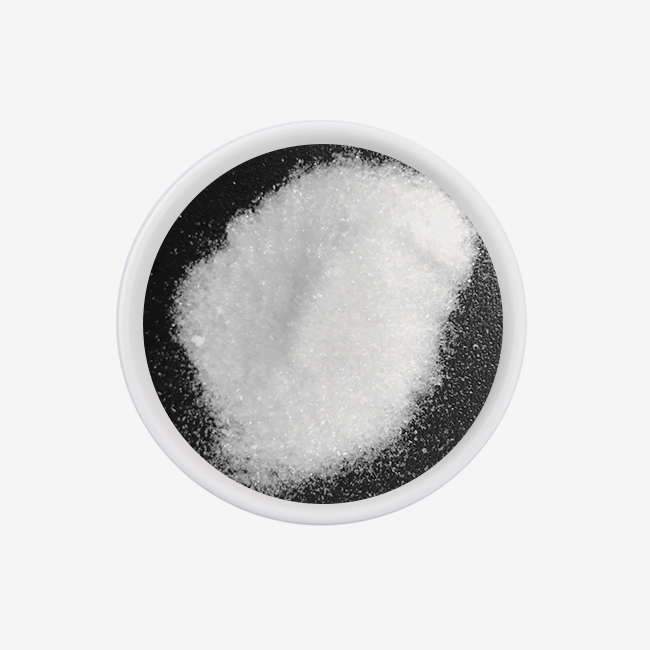
Sewage Sodium Acetate Anhydrous
CAS NO.: 127-09-3
Molecular Formula: CH3COONa
Molecular Weight: 82.03
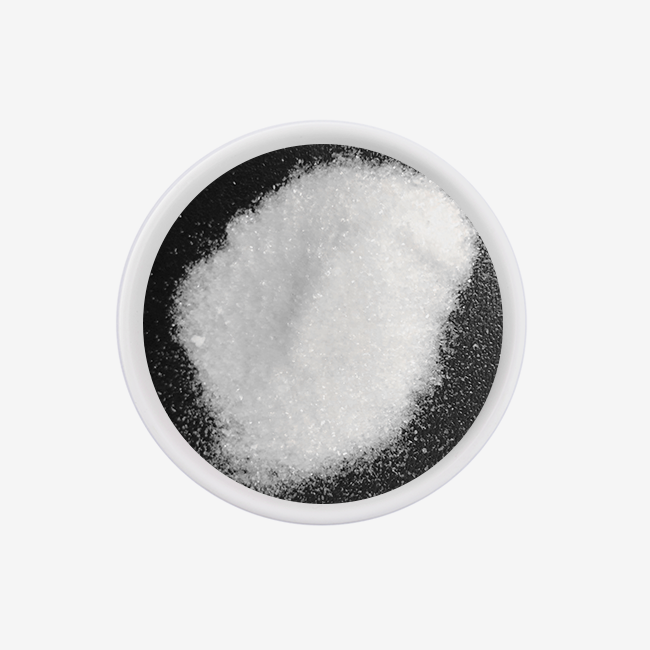
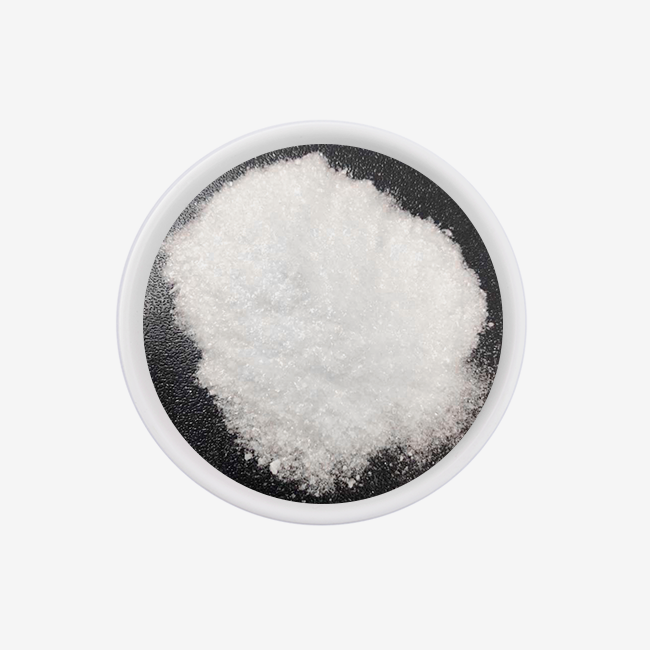
Character: white crystal powder; specific gravity is 1.528 and melting point is 324℃.
Usage: It is a kind of chemical raw material and is widely used in dye, pharmaceutical, chemical reagent fields, sewagement and etc.
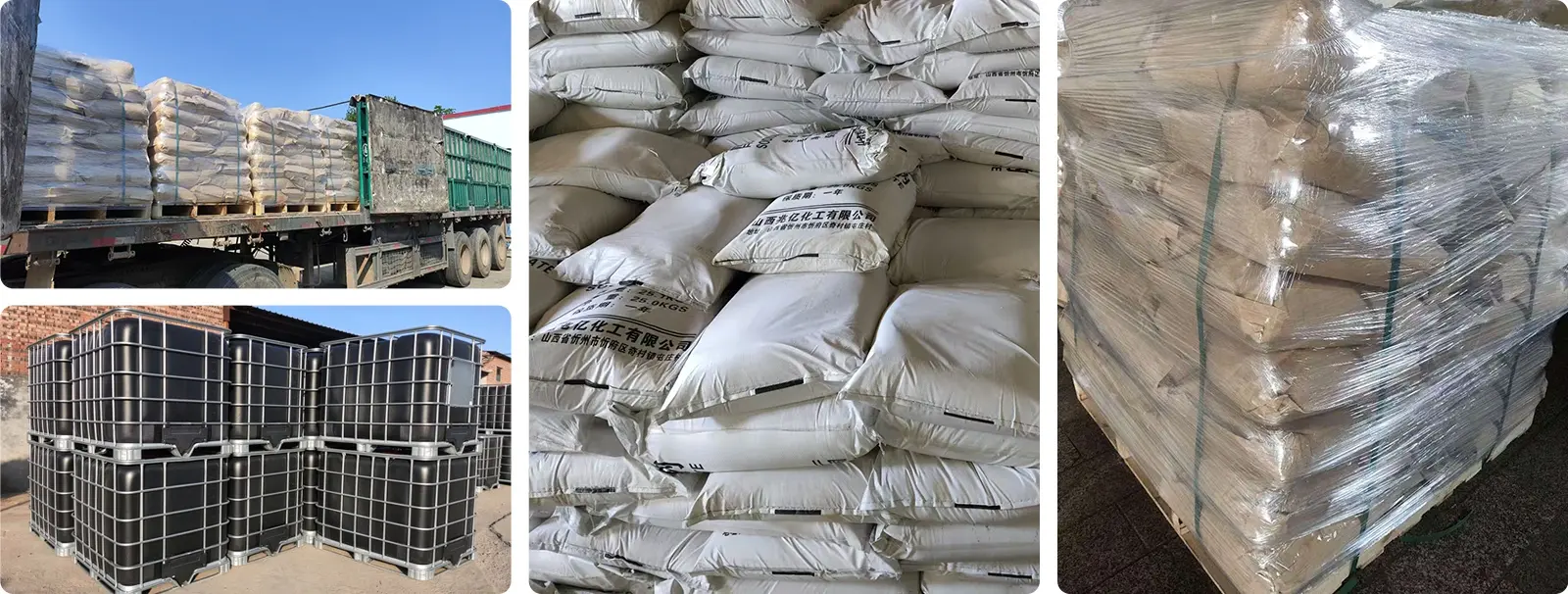
Package: 25kg plastic woven bag or 1000kg Ton-bag
Storage: It should be stored in a dry and ventilative warehouse, kept away from heat and moisture during transportation, unloaded with care so as to avoid damage. Furthermore, it must be stored separately from poisonous substances.
- Product Description
Sewage Sodium Acetate Anhydrous for Wastewater Treatment — High-Purity External Carbon Source for Reliable Denitrification
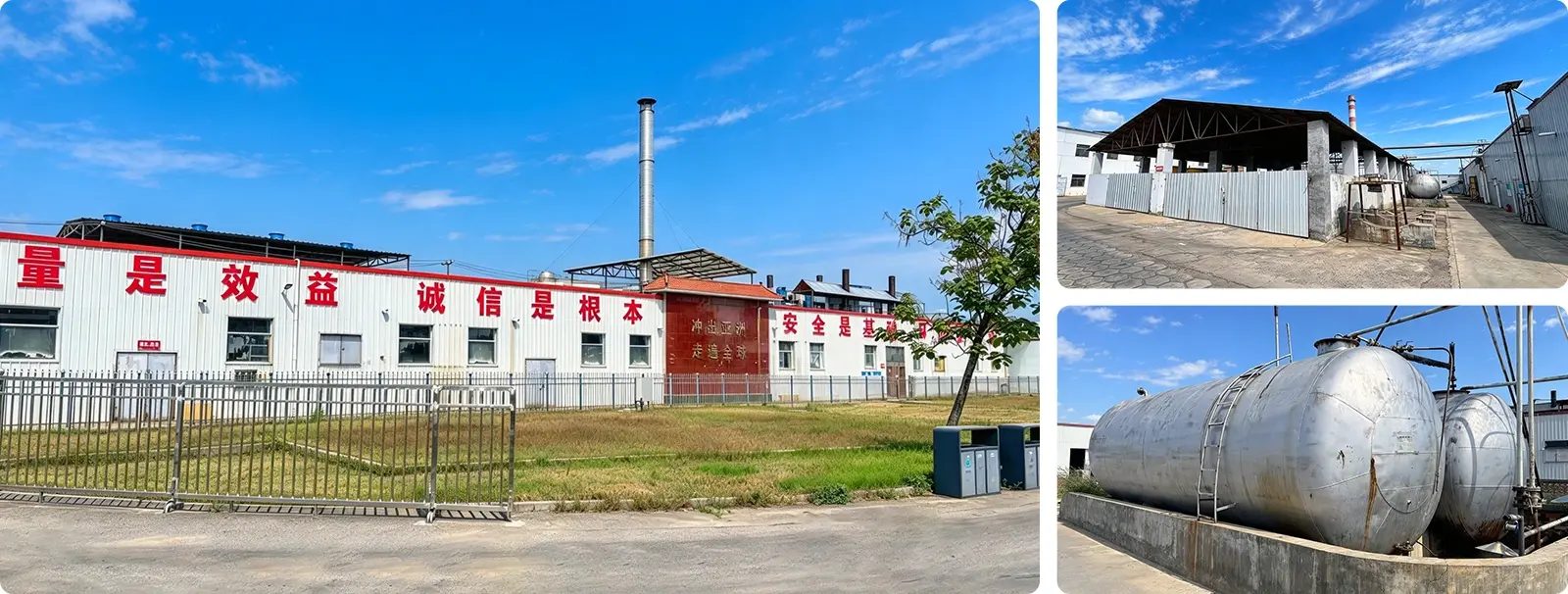
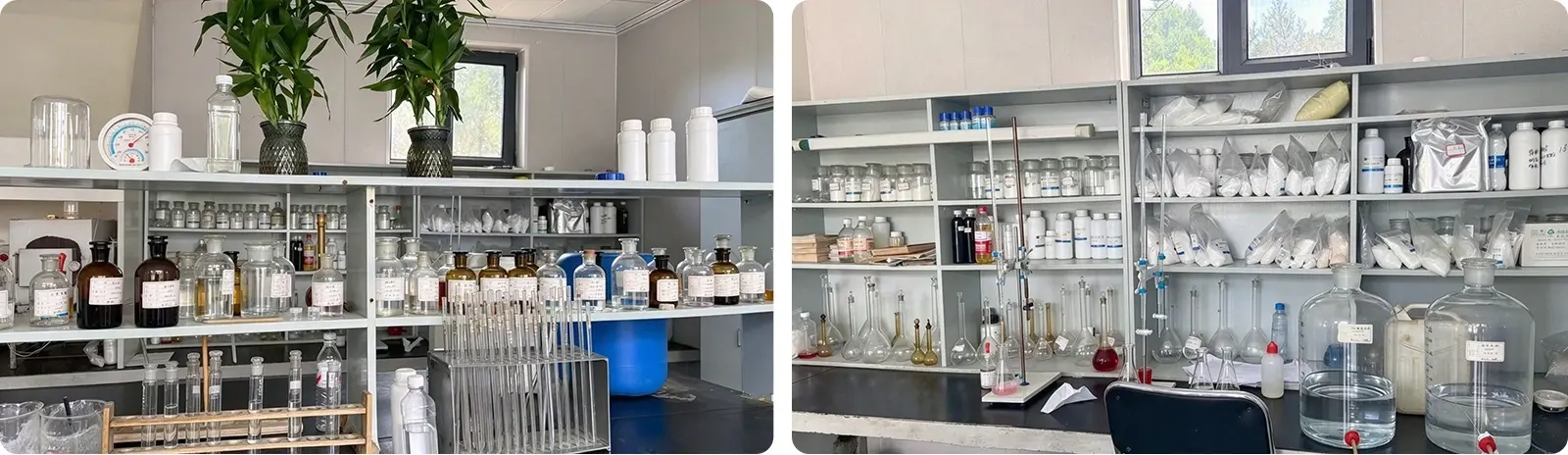
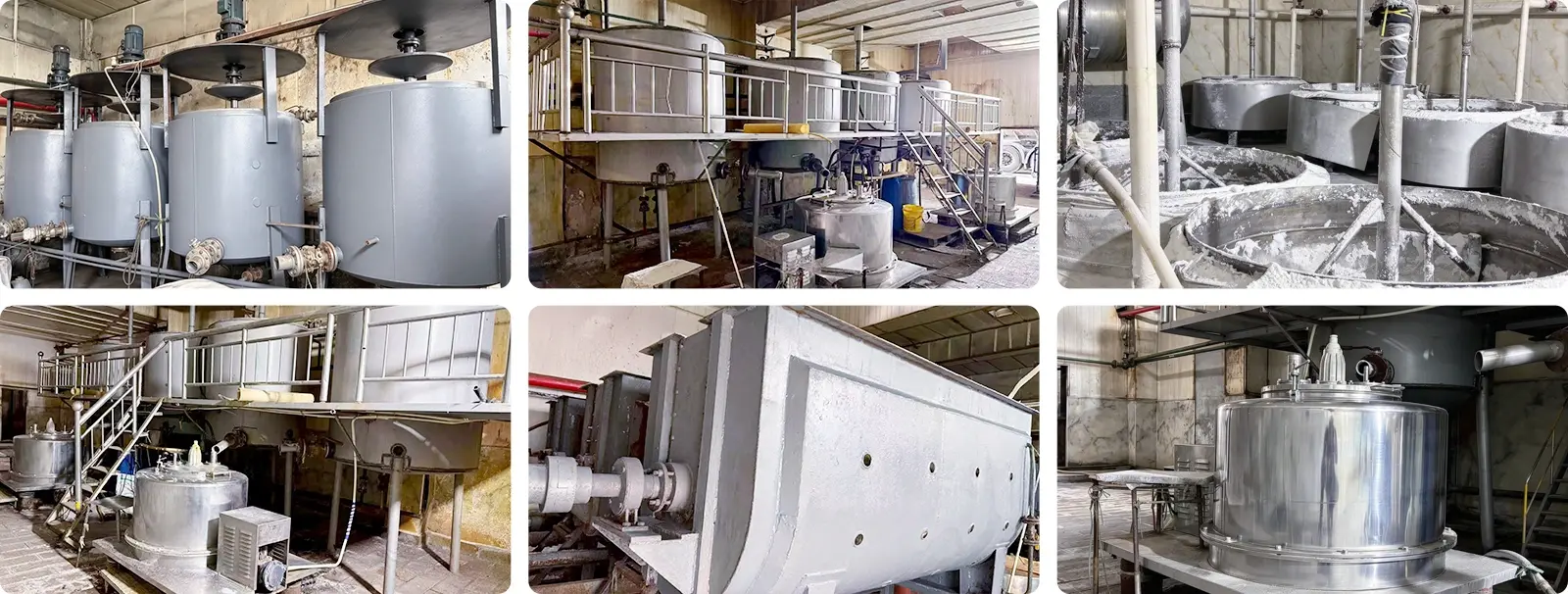
The molecular weight of sewage sodium acetate anhydrous (CH₀COONa, CAS No. 127-09-3) is 82.03, the specific gravity is 1.528, and the freezing point is 324°C. It is a white crumbly powder. Produced by Shanxi Zhaoyi Chemical Co., Ltd. — This product is one of the finest methods to treat water containing anhydrous sodium acetate, with more than 30 years of expertise in the acetate sector and the capability to process 150,000 tonnes of acetate per year. It has an assay purity of ≥99% and no crystal water. It's meant to fix the low C/N ratio in wastewater from cities and factories, so businesses can reliably meet total nitrogen (TN) discharge requirements.
Technical Specifications
Parameter | Standard |
Content (CH₃COONa) | ≥99.0% |
Free Alkali | ≤0.03% |
Water Insoluble | ≤0.04% |
Chloride (Cl) | ≤0.08% |
Ferrum (Fe) | ≤0.006% |
Molecular Formula | CH₃COONa |
Molecular Weight | 82.03 |
Appearance | White crystal powder |
Specific Gravity | 1.528 |
Melting Point | 324℃ |
CAS Number | 127-09-3 |
What Makes Anhydrous Different from Trihydrate?
That difference affects when your plant is choose among carbon sources. Sodium acetate trihydrate is only 58-60% active substance, the rest crystal water. The anhydrous version contains ≥99% sodium acetate, by weight per unit.
This implies reduced transport costs, less storage space and more effective carbon provided per kilogram bought. That difference rapidly accumulates throughout an annual procurement cycle for high-volume wastewater facilities.
How it functions as an external carbon source for denitrification
The BOD5:N ratio of influent water to many municipal sewage treatment facilities is less than 4:1. The carbon in the lower layer does not allow the heterotrophic denitrifying bacteria to work properly, so they cannot change the nitrates into nitrogen gas.
This directly deals with this using an external carbon supply, anhydrous sodium acetate. Acetate is a quickly biodegradable, low molecular weight chemical molecule that may be metabolized by denitrifying bacteria very instantly (no bacterial acclimation time necessary). This makes it far quicker acting than more complicated carbon substrates.
Sodium acetate is non-toxic and can treat nitrogenous waste, making it safer to store than methanol. It creates less sludge than glucose or starch, therefore expenses of cleaning are lower and downstream sludge management is easier.
Sewage Sodium Acetate Anhydrous vs Other Products
Feature | Anhydrous Sodium Acetate | Sodium Acetate Trihydrate | Methanol | Glucose |
Active Carbon Content | ≥99% | ~58-60% | High | Moderate |
Handling Safety | Non-hazardous | Non-hazardous | Flammable/Toxic | Non-hazardous |
Bacterial Acclimation | None required | None required | 7-14 days | 3-5 days |
Sludge Yield | Low | Low | Very Low | High |
Storage Requirements | Dry warehouse | Standard warehouse | Explosion-proof | Standard warehouse |
Transportation Costs | Lower (concentrated) | Higher (water weight) | Special permits | Moderate |
Dosing Precision | Excellent | Good | Requires monitoring | Moderate |
Core Application Scenarios
This product is specifically suited for wastewater systems where carbon supplementation is critical to biological nitrogen removal performance.
Municipal Sewage Treatment Plants: The primary use case is carbon source supplementation for denitrification in plants processing influent with low BOD₅:TN ratios. Especially useful in upgrade and refurbishment projects when current biological processes are carbon restricted.
Printing and dyeing, pharmaceutical and chemical wastewater are often high nitrogen loads and complex organic compounds in industrial wastewater treatment. Adding dry sodium acetate to the biological phase speeds up the denitrification process and doesn't affect any other treatment steps.
Conditions of Low Carbon and High Nitrogen: Systems that deal with water quality that has a BOD:N ratio of less than 4:1 or cleaning methods that are sensitive to water will benefit the most. Anhydrous form breaks down quickly and doses consistently, making it perfect for systems that need to be carefully controlled.
Dosage Calculation Guide
Proper dosing is essential for both treatment efficiency and cost control. The standard formula used in the industry is:
X = (4 − CBOD₅/Cn) × Cn ÷ 0.58
Where CBOD₅ is the influent BOD₅ concentration (mg/L) and Cn is the influent TN concentration (mg/L).
Practical Example: A plant with 100,000 m³/day capacity, influent TN of 60 mg/L, and BOD₅ of 200 mg/L:
X = (4 − 3.33) × 60 ÷ 0.58 ≈ 68.3 mg/L
Daily dosage ≈ 6,830 kg/day (adjusted by product purity)
As a general benchmark, approximately 5–6 kg of anhydrous sodium acetate is required to remove 1 kg of nitrate-nitrogen, depending on dissolved oxygen levels and hydraulic retention time. Your actual dosage of Sewage Sodium Acetate Anhydrous should be calculated using the formula above and verified against your system's operating parameters.
Storage and Handling
If you don't keep sodium acetate dry in a sealed container, it will take moisture from the air. Keep bags in a building that is cool, dry, and well-ventilated, away from heat, moisture, and chemicals that don't mix well, like dangerous ones.
Be careful with the packing while it's being moved to keep it from getting damaged. If the carbon is exposed to water, it will not break down chemically, but it will cake up and make dosing and handling harder.It is strongly suggested that bags stay closed until they are used.
Certifications & Compliance
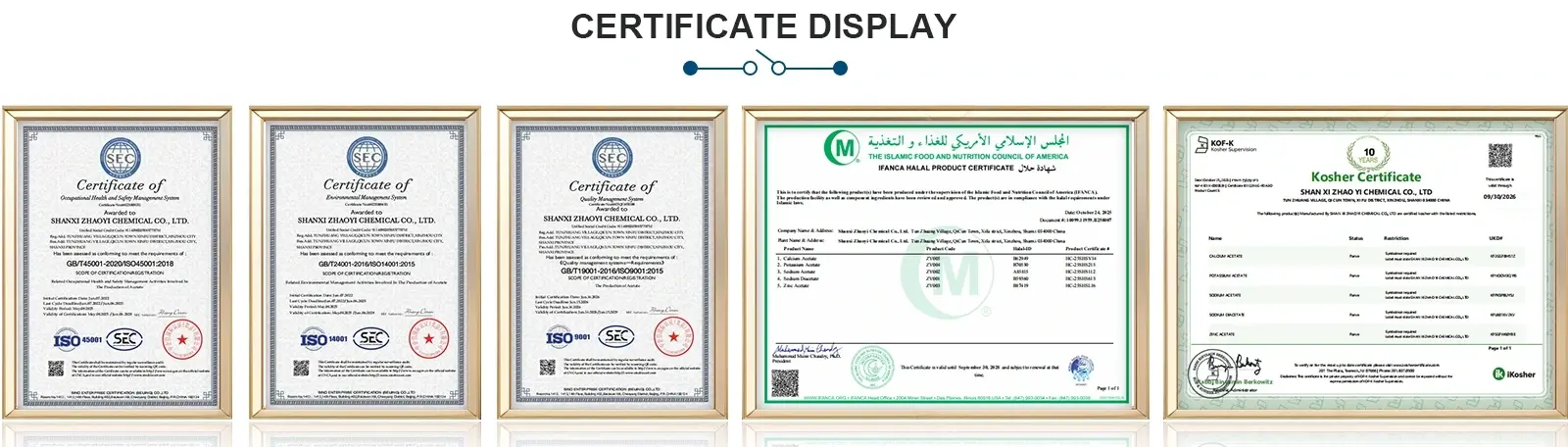
Shanxi Zhaoyi Chemical Co., Ltd. holds the following management system and product certifications:
- ISO 9001 — Quality Management System
- ISO 14001 — Environmental Management System
- ISO 45001 — Occupational Health and Safety Management System
Kosher Certification
Halal Certification (for applicable food-grade products)
We do factory audits on-site for clients from both inside and outside of China. We can give you MSDS, COA, and conformity paperwork in more than one language to meet your import and compliance needs.
After-Sales Service Commitment
- Quality guarantee: Unconditional returns and exchanges if assay or moisture content is non-conforming, freight covered by the supplier
- Technical support: 24/7 consultation response covering dosage calculation and dosing method optimization
- Replenishment service: Customer inventory files maintained with advance restocking reminders and priority production for emergency orders
- Packaging damage: Free replacement for any packaging damaged in transit
- Long-term customers: Price discounts and customized packaging arrangements available
FAQ
Q: What is the main difference between the anhydrous and trihydrate forms?
A:The anhydrous form is ≥99% pure sodium acetate with no crystal water. Trihydrate is only 58–60% active ingredient. You get more effective carbon per kilogram purchased with the anhydrous grade, and logistics costs per ton of active content are lower.
Q: How does sodium acetate compare to methanol as a source of carbon?
A: Methanol is cheaper per unit COD but combustible and poisonous and needs explosion safe storage. Sodium acetate is non-toxic, safe to work with, and offers a quicker biological reaction with no bacterial acclimatization time.
Q: Will this product increase excess sludge production?
A:The cell yield coefficient for sodium acetate is lower than that for glucose or starch-based alternatives. Sludge production is significantly lower, which lowers the costs of cleaning and the work of managing sludge.
Q: Is it hard to store the dry powder?
A: It absorbs water and should be kept in a sealed container in a dry cold environment. Caking occurs on contact with moisture but does not affect the availability of the carbon. Most handling difficulties may be eliminated by proper storage.
Q: What is the correct dosage for TN removal?
A:A C/N ratio of 4:1 to 5:1 is typically required. As a working estimate, 5–6 kg of product removes approximately 1 kg of nitrate-nitrogen. Use the formula X = (4 − CBOD₅/Cn) × Cn ÷ 0.58 for site-specific calculation.
Q: Can you provide customized packaging and OEM services?
A:Yes. Custom packaging formats, OEM labeling, and specification adjustments are available. Ton bags and 25 kg woven bags are standard options, with other formats available on request.
Our Exhibitions
Contact Us
Ready to optimize your denitrification process with Sewage Sodium Acetate Anhydrous? Send your requirements to sxzy@sxzhaoyi.com and receive a response within 2 hours.

USER EVALUATE
Here is the customer's evaluation of us
YOU MAY LIKE
 VIEW MOREIndustrial Sodium Acetate Anhydrous
 VIEW MOREpH Adjustment Sodium Acetate Anhydrous
 VIEW MOREPharmaceutical Excipient Sodium Acetate Anhydrous
 VIEW MOREPharmaceutical Sodium Acetate Anhydrous
 VIEW MORECatalytic Sodium Acetate Anhydrous
 VIEW MOREFood-Grade Sodium Acetate Anhydrous
 VIEW MOREPreservative Sodium Acetate Anhydrous
 VIEW MOREPharmaceutical Intermediate Sodium Acetate Anhydrous