



How Can B2B Buyers Evaluate Deicing Solid Potassium Acetate Suppliers?
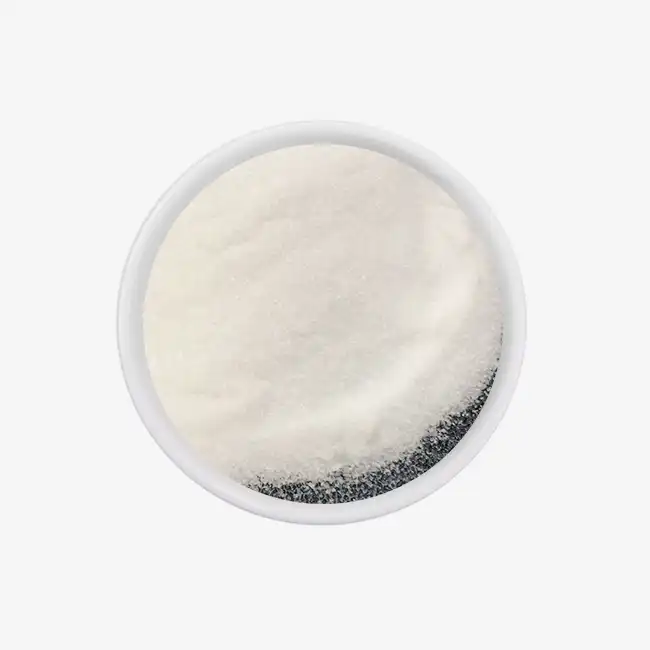
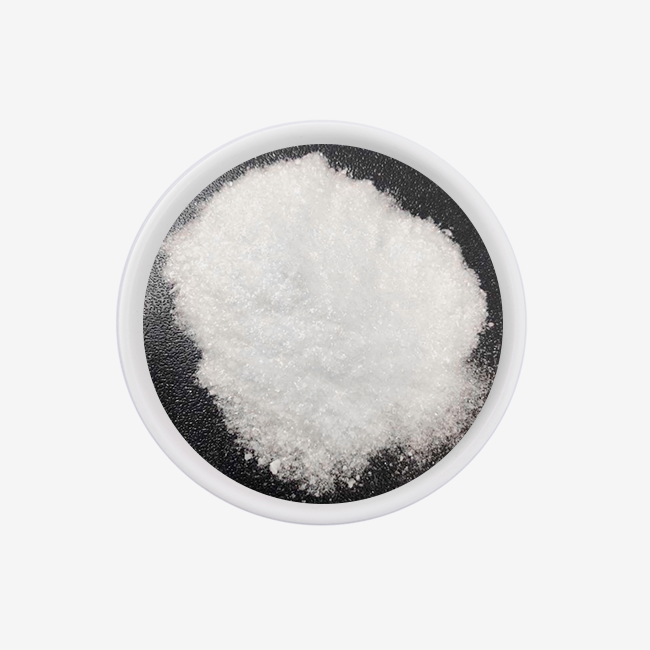
When procurement teams search for a reliable deicing solid potassium acetate(CAS NO.: 127-08-2) supplier, the evaluation process goes well beyond comparing price sheets. The right supplier must demonstrate verified purity levels, consistent production capacity, regulatory compliance, and logistical dependability. As a white crystalline compound (CH₃COOK, CAS 127-08-2) with a molecular weight of 98.14 g/mol, solid potassium acetate performs effectively down to -30°C and carries a biodegradable, non-chloride profile that meets strict aviation and infrastructure standards. This guide walks B2B buyers through each stage of the supplier evaluation process with practical, experience-backed criteria.
Understanding the Role of Solid Potassium Acetate in Deicing
Why Chemical Properties Matter in Procurement Decisions?
Deicing solid potassium acetate breaks down when it comes in touch with water, giving off heat that speeds up the breaking of the ice bond at the sidewalk surface. It can work reliably at temperatures as low as -30°C (-22°F), which is its eutectic point value. The alkaline pH range (9–11) of the compound also cancels out surface acidity, which slows down the breakdown of concrete over time.
These qualities have a direct effect on choices about what to buy. It is clear that a product with at least 99.0% CH₃COOK, less than 0.05% water-insoluble waste, and less than 0.2% chloride content works better on landings and bridge decks than products with lower purity levels.
The differences between this compound and other deicers for runways and roads are important. Calcium chloride works well at low temperatures, but it breaks down rebar and airplane parts very quickly. Magnesium chloride makes concrete scale when it freezes and thaws many times. Under -7°C, urea doesn't work anymore, and it adds nitrogen to streams nearby. Because solid potassium acetate doesn't have any of these problems, it is the best choice for airports and other environmentally friendly building projects that follow SAE AMS 1431 guidelines.
Key Criteria for Evaluating Solid Potassium Acetate Suppliers
To properly evaluate a provider for deicing solid potassium acetate, you need to follow an organized process that looks at things like product quality, production capacity, and business flexibility. These are the main things that every B2B buyer should look for:
- Verified purity and batch consistency: every shipment should have a Certificate of Analysis (CoA). With controlled chloride and iron impurity levels, the deicing solid potassium acetate content should always be at least 99.0%. Traceability from batch to batch is an important sign of mature quality control that can't be skipped.
- Certifications that align with your application: ISO 9001 confirms that quality management systems work. ISO 14001 is a set of rules for managing the environment. ISO 45001 talks about health and safety at work. Buyers in the aircraft industry must follow SAE AMS 1431. When the same product is used for uses related to food, Kosher and Halal certifications become important.
- Production scale and supply reliability: A production capacity of 150,000 tons per year gives large municipal or airport contracts a good level of security. Buyers should ask the company if they have separate production lines for acetate or if they share the facilities with other chemical processes that are not linked.
- Packaging suitability and MOQ flexibility: Standard choices of 25 kg plastic woven bags and 1,000 kg ton-bags meet a range of operating needs when it comes to packaging and MOQ. Check to see if the supplier can do custom packaging or if they can change the minimum order quantities for purchases that are just a test run.
With these factors, the supplier pool is narrowed down to partners who can keep quality high when real-world number demands are high. Once these standards are confirmed, buyers feel ready to start business talks.
Comparing Supplier Solutions: Solid vs. Liquid Potassium Acetate and Alternatives
Choosing the Right Form for Your Application
Deicing solid potassium acetate granules work well on runways, bridge decks, and parking structures because they can be spread with a mechanical spreader through ice crusts. Adding liquid potassium acetate to a solid product before spreading it works well. This makes it less likely to bounce and scatter while it's being used and speeds up the melting process. A lot of airport managers use both forms together.
Sodium acetate is not as effective at low temperatures as potassium acetate. Sodium acetate is often used as a carbon source in the process of denitrogenating wastewater, but it is not as popular for deicing runways when it is very cold. Calcium chloride and magnesium chloride are still cheap ways to keep roads in good shape, but they can't be used in places where protecting against rust and protecting the environment are important. Potassium acetate is better than chloride-based alternatives, but buyers who are looking for LEED-certified buildings, rivers, or airside zones should choose it over chloride-based options.

Environmental and Safety Compliance as a Decision Factor
Regulatory Alignment Protects Your Operation
Environmental rules must be followed by people who buy things for cities, run airports, or run factories that are close to protected ecosystems. An ISO 14001 certification from a seller shows that the effects on the environment are controlled carefully throughout the production process and not just when they happen. Also, buyers should ask for the product's Safety Data Sheet (SDS) to check the biodegradability data, aquatic toxicity classification, and suggested spill containment procedures for deicing solid potassium acetate.
When it comes to handling, solid potassium acetate absorbs water. Keeping products in dry, well-ventilated stores away from heat and moisture keeps them from caking and keeps them able to flow. It should be kept away from harmful or unsuitable things, and the packaging should be checked as soon as it arrives to make sure the seal is still intact.
Suppliers who keep records of their environmental management practices and make their SDS paperwork public for deicing solid potassium acetate lower your regulatory risk and make it easier for you to report on internal compliance. One thing that sets professional manufacturers apart from generic chemical traders is this trait.
Practical Steps for Procuring Solid Potassium Acetate for Industrial Use
Structuring Your Supplier Engagement Process
The buying process works best when buyers go to suppliers already knowing exactly what technical requirements they need to meet for deicing solid potassium acetate. Ask for a product detail sheet and a recent COA to start. Before you talk about business terms, make sure the seller can meet your needs for purity level, package style, and shipping time frame.
Check to see how quick the seller was during the question phase. If a manufacturer has dedicated experts and sales help, they will answer questions about specifications as well as questions about prices. This responsiveness is a good indicator of how well they will do when there are problems with the supply chain or with quality.
Logistics dependability is just as important for large packages. Check with the seller to see if they work with foreign freight carriers and if they can handle both FCL and LCL shipments. Check the wait times for both regular sales and emergency restocking. Before signing the contract, talk about the payment terms, the reach of the guarantee, and the after-sales support.
When buyers build long-term relationships with a single qualified manufacturer, they usually get better price stability and first choice during the busiest winter months. You can improve your supply continuity by becoming a preferred account instead of a spot buyer.
Conclusion
When looking for a deicing solid potassium acetate(CAS No.: 127-08-2) supplier for deicing uses, buyers need to check the purity, make sure the certifications are in line, see how much they can produce, and make sure they are environmentally friendly all at the same time. Because the chemical doesn't corrode and breaks down naturally, the quality of the provider is closely linked to practical and regulatory results. If buyers use the criteria listed here, they will be able to find partners who can provide consistent performance in infrastructure, industrial, and aviation applications, season after season.
FAQ
What is the effective temperature range of solid potassium acetate for deicing?
Deicing solid potassium acetate stays useful at temperatures as low as -30°C (-22°F), and its eutectic point is around -60°C. This range works much better than urea, which stops working below -7°C, and it works as well as or better than most chloride-based options in very cold temperatures.
How does potassium acetate compare to calcium chloride for runway use?
Calcium chloride breaks down aluminum alloys, steel reinforcement, and parts of airplanes. Potassium acetate is biodegradable and doesn't corrode according to SAE AMS 1431 standards. This makes it the best choice for applications that are near air and are sensitive to structural damage.
What certifications should a supplier hold?
Buyers should demand at least ISO 9001, ISO 14001, and ISO 45001 certificates. Aviation procurement teams should also check that SAE AMS 1431 is followed. Kosher or Halal certification may be needed for certain uses.
What are typical MOQs and lead times?
Standard orders are filled in 1,000 kg ton-bags or 25 kg bags. Lead times depend on where the order is going and how many are being sent. Get in touch with the supplier directly to find out what products are currently being made and when they will be shipped to your area.
Partner With SHANXI ZHAOYI CHEMICAL for Certified Deicing Solutions
In 1988, SHANXI ZHAOYI CHEMICAL started making acetate goods. They can now make 150,000 tons of them every year and are certified to ISO 9001, ISO 14001, and ISO 45001 standards. Our supplier-grade deicing solid potassium acetate(CAS No.: 127-08-2) is ≥99.0% pure, works reliably in cold weather, and comes in large packages that can be adjusted to fit your needs. You can email our expert team at sxzy@sxzhaoyi.com or go to sxzhaoyi.com to ask for details and examples.
References
1. Society of Automotive Engineers. SAE AMS 1431: Compound, Solid Runway and Taxiway Deicing/Anti-Icing. SAE International, 2020.
2. Federal Aviation Administration. Airport Winter Operations: Snow and Ice Control. FAA Advisory Circular AC 150/5200-30D, 2016.
3. Fischel, M. Evaluation of Selected Deicers Based on a Review of the Literature. Colorado Department of Transportation Research Branch, 2001.
4. Shi, X., Fay, L., Peterson, M. M., & Yang, Z. Freeze-Thaw Damage and Chemical Change of a Portland Cement Concrete in the Presence of Diluted Deicers. Materials and Structures, Vol. 43, 2010.
5. U.S. Environmental Protection Agency. Effluent Guidelines: Airport Deicing Operations. EPA 821-R-12-001, 2012.
6. Levelton Consultants Ltd. Guidelines for the Selection of Snow and Ice Control Materials to Mitigate Environmental Impacts. Transportation Association of Canada, 2008.

USER EVALUATE
Here is the customer's evaluation of us
YOU MAY LIKE
 VIEW MOREMunicipal Road Snow Melting Agent
 VIEW MOREHigh-End Community Snow Melting Agent
 VIEW MOREAgricultural Solid Potassium Formate
 VIEW MORELeather Solid Sodium Formate
 VIEW MOREOilfield Solid Potassium Formate
 VIEW MORESnow Melting Solid Potassium Acetate
 VIEW MOREFood-Grade Sodium Acetate Anhydrous
 VIEW MOREFresh-Keeping Sodium Acetate Anhydrous