



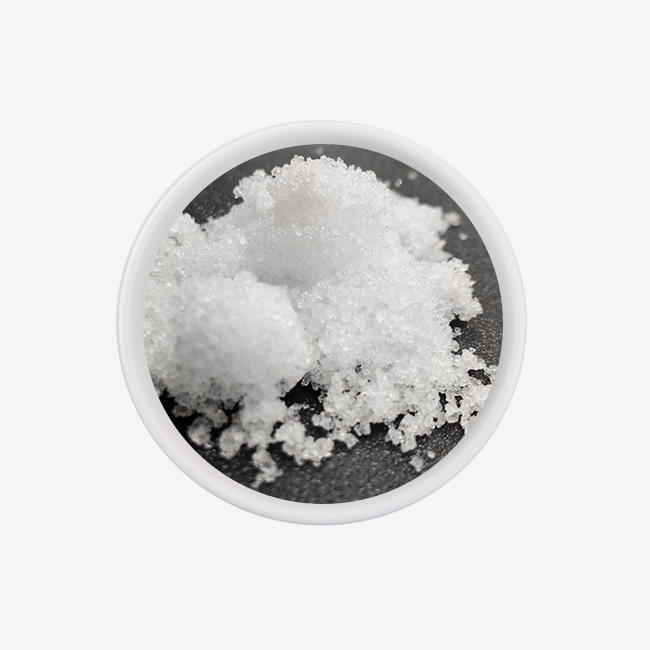
Condiment Sodium Acetate Trihydrate
CAS NO.: 6131-90-4
Molecular Formula: CH3COONa·3H2O
Molecular Weight: 136.08
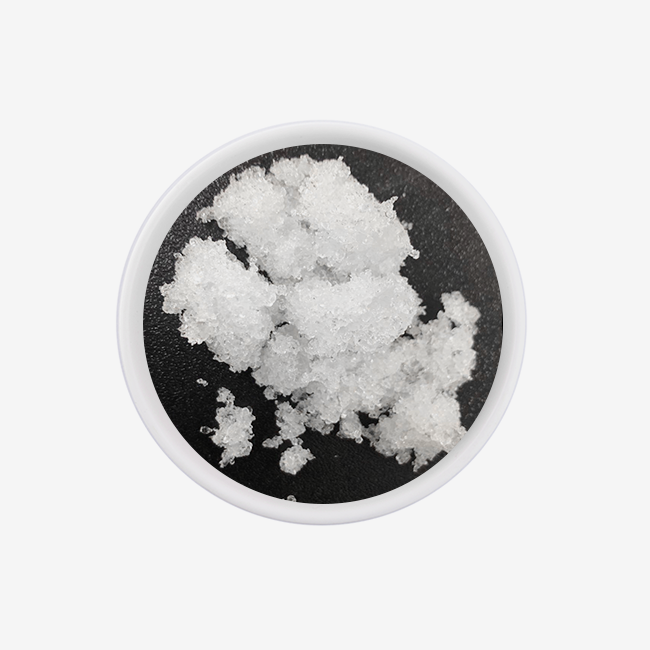
Character: Colorless crystal, it is soluble in water and alcohol and lightly soluble in acetic acid; specific gravity:1.45; melting point: 58℃.
Usage:It should be stored in a dry and ventilative warehouse, kept away from heat and moisture during transportation, unloaded with care so as to avoid damage. Furthermore, it must be stored separately from poisonous substances.
Package: 25kg plastic woven bag or 1000kg Ton-bag
Storage: It should be stored in a dry and ventilative warehouse, kept away from heat and moisture during transportation, unloaded with care so as to avoid damage. Furthermore, it must be stored separately from poisonous substances.
- Product Description
Condiment Sodium Acetate Trihydrate for Food & Seasoning Applications | Food-Grade pH Buffer & Preservative Solution
Condiment Sodium Acetate Trihydrate (CAS No. 6131-90-4, CH3COONa·3H2O) is a high-purity food-grade organic salt engineered for pH regulation, buffering, and preservation in the condiment and seasoning industry. Produced by Shanxi Zhaoyi Chemical Co., Ltd. — started in 1988 and has been making acetate for more than 30 years—FCC This product meets the requirements of both the FCC and E262. Purity ≥99.0% Our 27,000 m^2 plant can make 150,000 tonnes of product every year, so we can keep supplying regular and large B2B customers all over the world.

Technical Specifications
Parameter | Specification |
Product Name | Sodium Acetate Trihydrate Food Grade |
CAS Number | 6131-90-4 |
Molecular Formula | CH₃COONa·3H₂O |
Molecular Weight | 136.08 |
Content (CH₃COONa·3H₂O) | 99-100% |
Free Alkali | ≤0.12% |
Potassium (K) | ≤0.01% |
Lead (Pb) | ≤0.0005% |
Arsenic (As) | ≤0.0001% |
Free Water | ≤0.1% |
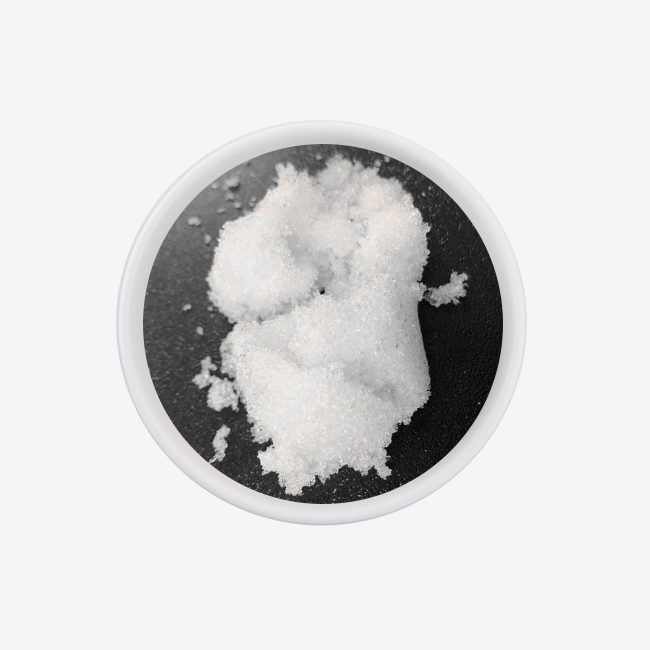
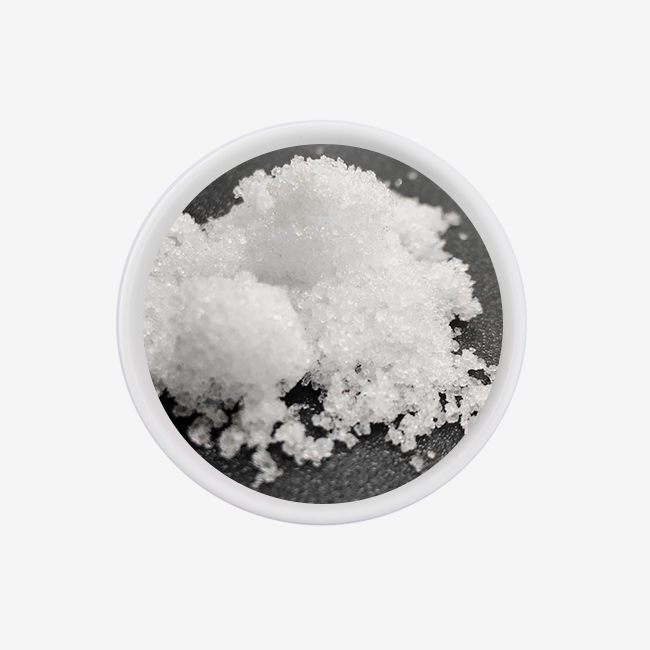
Appearance | Colorless crystal/white granular powder |
Specific Gravity | 1.45 |
Melting Point | 58℃ |
Solubility | Soluble in water and alcohol |

What Is Condiment Sodium Acetate Trihydrate?
This chemical is a colorless, clear crystal with a little acetic odor. Each unit crystal comprises around 40 % water by weight and has three molecules of water. The trihydrate form provides the product with excellent solubility — about 46.5 g/100 mL at 20°C — appropriate for liquid condiment compositions.
It is the conjugate base of acetic acid. This generates a buffered acetate system that avoids the severe “vinegar burn” of acidic sauces but does not dramatically change the pH in practice. This is a great benefit for formulators who are developing clean label goods.
It melts at 58°C dissolving in its own water of crystallization. Specific gravity 1.45 These physical qualities are important factors in the design of manufacturing lines and the management of storage.

Product Characteristics & Technical Advantages
Buffering Capacity
A 1% solution of sodium acetate trihydrate has a pH value of 8.0 to 9.5. This avoids acid degradation in complicated food matrices and is particularly effective in hot goods such as retort sauces and sterilised salads.
Activity Against Bacteria
Organic acids and the sodium acetate inhibitor E262 work together to kill Gram-negative bacteria and Listeria monocytogenes. As a big plus for clean-label product development, this makes the food last longer without using harsh manmade stabilisers.
Taste Improvement
The quick noodle vinegar packets and complex seasoning powders include acetic acid, which may be rather strong in flavour. However, thanks to acetate buffer technology, this acid is rendered much gentler. Furthermore, it has the potential to mask metallic aftertastes in low-sodium recipes and enhance the saltiness of potassium chloride alternatives.
Physical Stability in Dry Applications
In dry rub mixes and snack dustings, the crystalline lattice structure stabilizes volatile flavor oil encapsulation. This ensures consistent flowability in automated dosing equipment — a practical requirement for large-scale B2B food manufacturing.
Application Scenarios
Acidic Condiments & Sauces
Sodium acetate is used to make salad dressings, ketchup, mayonnaise, and it can also be used to pickle foods and make condiments. Using high temperatures to process acetic acid lowers its sharp sourness and keeps the pH of the end product stable. This makes the food taste better and last longer without having to list artificial preservatives.
Processed Meat Marinades
In industrial brines for sausages and cured meats, this compound stabilizes pH to prevent water loss (syneresis) during cooking. In sous-vide or retort environments, it protects texture integrity and color stability against oxidation — both critical quality parameters in premium meat product lines.
Compound Seasoning Powders
It prevents dry spice mix and snack dusting hygroscopic caking and improves automation manufacturing processes. Its solid structure of condiment sodium acetate trihydrate carriers volatile taste ingredients, making seasoning distribute more uniformly over final items.
Condiment Sodium Acetate Trihydrate vs Other Products
Feature | Condiment Sodium Acetate Trihydrate | Anhydrous Sodium Acetate | Sodium Benzoate | Potassium Sorbate |
Purity | 99-100% | 98-99% | 99.0% min | 99.0% min |
Water Content | ~40% (crystalline) | <1% | Anhydrous | Anhydrous |
Solubility (20℃) | 46.5g/100mL | 36.2g/100mL | 63g/100mL | 58g/100mL |
pH Buffering | Excellent | Good | Poor | Poor |
Clean Label Appeal | High | Moderate | Low | Moderate |
Anti-caking Property | Good (when dry) | Excellent | Poor | Moderate |
Bacterial Inhibition | Good | Good | Excellent | Excellent |
Cost Efficiency | High | Moderate | High | Moderate |
Quality Control & Testing Standards
Purchasing raw materials fit for human consumption necessitates stringent quality control at each and every batch level. Here is the process for controlling each key parameter:
Purity Verification: Assay must fall strictly between 99.0% and 101.0% on a dried basis. Consistent purity ensures reliable buffering power per unit weight across production batches.
Trihydrate Confirmation: Loss on Drying (36.0%–41.0%) is the most direct verification of trihydrate status. Deviations outside this range indicate improper crystallization or contamination with anhydrous sodium acetate — which would cause dosing errors in formulation.
Heavy Metal Testing: AAS or ICP-MS testing confirms Pb <2 mg/kg and As <3 mg/kg, meeting both FCC and EU food safety regulations. This is mandatory documentation for export compliance and retail customer audits.
Solution pH Control: Tested in a 1:20 aqueous solution. Results outside 7.5–9.0 indicate free acid contamination or excess caustic soda residues — both are unacceptable in food-contact applications.
Insoluble Matter: Maintained below 0.05% to prevent sedimentation in clear liquid condiments such as vinegar-soy sauce blends and transparent dressings.
Certifications & Compliance
Shanxi Zhaoyi Chemical Co., Ltd. holds a comprehensive set of certifications supporting food-grade supply requirements:
- ISO 9001 — Quality Management System
- ISO 14001 — Environmental Management System
- ISO 45001 — Occupational Health and Safety Management System
Kosher Certification
Halal Certification (applicable food-grade products)
Full documentation including COA, MSDS, and multilingual conformity documents is available upon request. On-site factory audits by domestic and international customers are also supported.

Packaging & Storage
Packaging Options:
- 25 kg plastic woven bags (PE/PP multi-layer liner)
- 1,000 kg ton bags
Storage Requirements:
Store in a dry, ventilated facility. Storage and transportation: Store in a dry place, away from heat. Store product apart from hazardous contaminants. Do not expose to temperatures exceeding 58°C to avoid melting and caking on cooling.
The trihydrate form is hygroscopic and sealed multi-layer packing is required to ensure product quality during long distance shipment.

FAQ
Q: What is the comparison of the product with sodium acetate anhydrous?
A: The trihydrate form has three molecules of water per unit cell (~40% water by weight). It is more economical for use in wet condiment applications and has improved solubility. The anhydrous version is more concentrated and is used in dry processing conditions where moisture control is important.
Q: How does this product function as a food preservative?
A : It is registered as sodium acetate preservative E262 under EU food additive laws . It inhibits the bacterial growth by reducing the water activity, and has a synergistic effect with organic acids . Its activity is especially strong against Gram-negative bacteria and Listeria, making it a good candidate for clean-label preservation approaches.
Q: What is the recommended dosage in condiment formulations?
A: According to GMP standards, the average amount for solid spice uses is between 0.1% and 0.3% (w/w). How much to use depends on the pH you want, how much buffering you need, and the type of food you are using. Dosage should be checked by bench-scale testing by your manufacturing team.
Q: Can it replace sodium benzoate as a preservative?
A:Yes, it is commonly used as a clean-label alternative. While less potent against yeast and mold than benzoate, it performs strongly against bacteria and works synergistically with vinegar-based systems — enabling removal of artificial preservatives in many condiment formulations.
Q: How should the product be handled to prevent caking during storage?
A: This chemical holds water, so it needs to be kept in sealed PE/PP multi-layer containers below 30°C. This salt forms crystals with its own water, and it melts above 58° C. and cakes badly when it cools down. In a warehouse, it's important to keep the temperatures in check.
Q: What is the price of food-grade sodium acetate trihydrate right now, and how much do I need to order to get it?
A: The price of food-grade sodium acetate trihydrate varies on how much you order, how you want it packaged, and where you want it sent. Please email us at sxzy@sxzhaoyi.com to get an up-to-date quote that fits your needs. For both small and large orders, there is a minimum order quantity (MOQ) and flexible terms of cooperation.


Contact Us
Ready to source food-grade Condiment Sodium Acetate Trihydrate for your next formulation? Contact our team at sxzy@sxzhaoyi.com for pricing, samples, and technical documentation.

USER EVALUATE
Here is the customer's evaluation of us
YOU MAY LIKE
 VIEW MOREPastry Sodium Acetate Trihydrate
 VIEW MOREBeverage Sodium Acetate Trihydrate
 VIEW MOREDairy Product Sodium Acetate Trihydrate
 VIEW MORECosmetic Sodium Acetate Trihydrate
 VIEW MOREFood-Grade Sodium Acetate Trihydrate
 VIEW MOREPreservative Sodium Acetate Trihydrate
 VIEW MOREMeat Sodium Acetate Trihydrate
 VIEW MOREChemical Fiber Sodium Acetate Trihydrate