



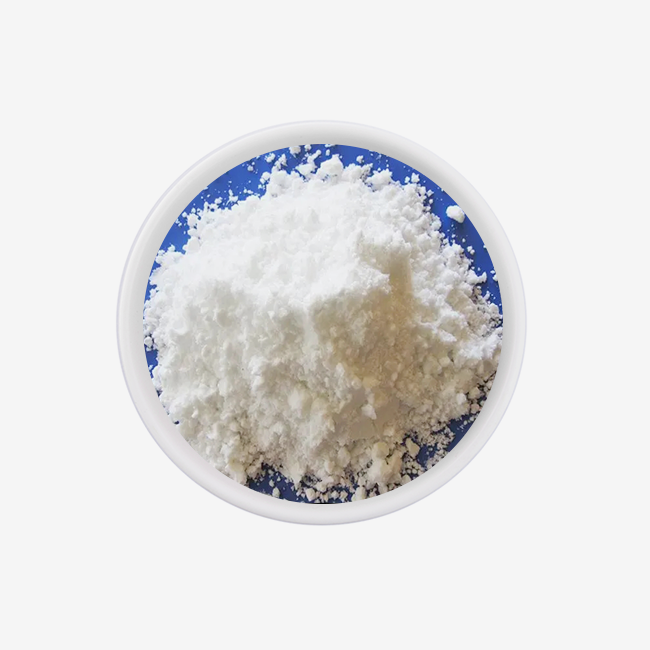
Drilling Solid Sodium Formate
CAS NO.: 141-53-7
Molecular Formula: HCOONa
Molecular Weight: 68.01
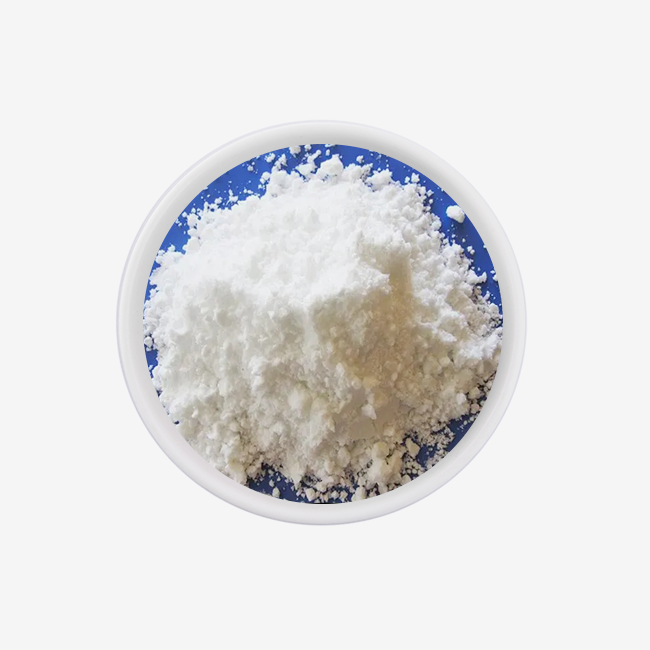
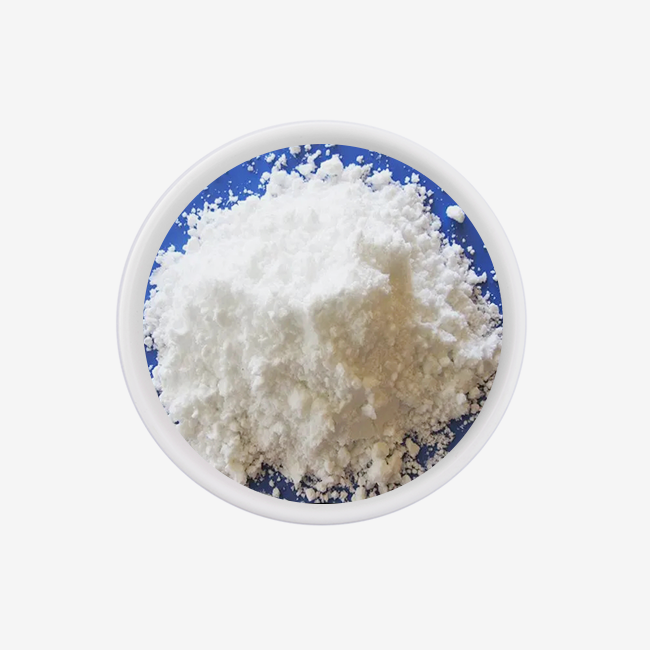
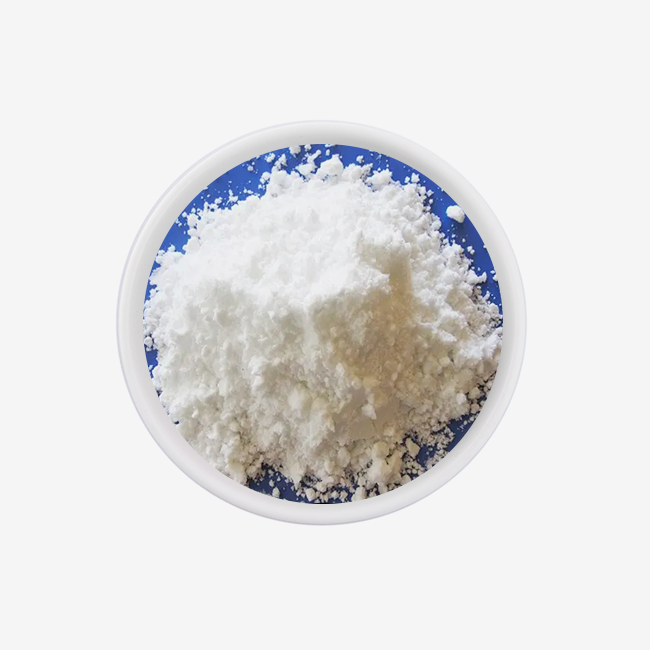
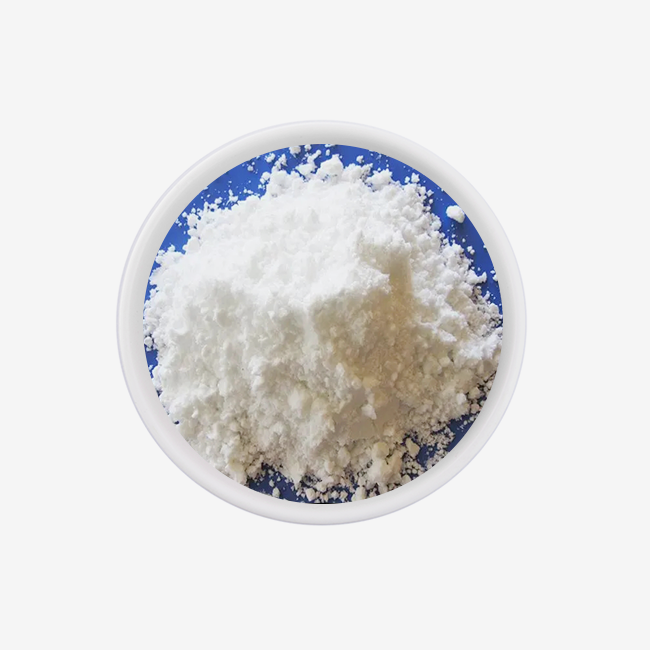
Character: White crystal powder.
Usage: Used in the production of Sodium Hydrosulfite, oxalic acid, and formic acid, oilfield development (oilfield drilling fluid, workover fluid, completion fluid), snow dissolving agent, mining, leather, printing and dyeing, etc.
Package: 25kg plastic woven bag or 1000kg Ton-bag
Storage: It should be stored in a dry and ventilative warehouse, kept away from heat and moisture during transportation, unloaded with care so as to avoid damage. Furthermore, it must be stored separately from poisonous substances.
- Product Description
Drilling Solid Sodium Formate for Oilfield Drilling Fluids | High-Purity Formate Salt Solution
Drilling Solid Sodium Formate (HCOONa, CAS 141-53-7) from Shanxi Zhaoyi Chemical Co., Ltd. is a white crystalline organic salt engineered for high-performance oilfield applications. It has a purity of >98%, molecular weight of 68.01, and is water soluble (~97 g/100 ml at 20°C) allowing solids-free brine densities of up to 1.33 SG (11.1 ppg). Shanxi Zhaoyi, with over 30 years of expertise in acetate and formate manufacture, a 27,000 m2 production facility and an annual capacity of 150,000 tonnes, provides stable worldwide supply and flexible packaging to drilling contractors and oilfield chemical formulators.

Technical Specifications
Parameter | Tech Grade Specification |
Content (%) | ≥95-98 |
NaOH (%) | ≤0.5-1.0 |
Na₂CO₃ (%) | ≤0.5-1.0 |
NaCl (%) | ≤0.5 |
Na₂S (%) | ≤0.02-0.05 |
Water (%) | ≤0.5-1.0 |
Organic Substance | None |
Molecular Formula | HCOONa |
Molecular Weight | 68.01 |
Appearance | White crystal powder |
Water Solubility | ~97g/100ml at 20°C |
Maximum Brine Density | 1.33 SG (11.1 ppg) |

What Is Drilling Solid Sodium Formate and Why Does It Matter in Oilfield Operations?
Sodium formate is not only a weighing agent, it is an addition with double functions that modifies the behaviour of water-based drilling fluids under pressure.
This product unlike conventional chloride based weighting salts minimises formation pressure and inhibits reactive shale formations. Its mode of action is by control of osmotic pressure . It reduces the activity of water in the drilling fluid and so prevents water incursion into water-sensitive clays and shales .
Operators confronted with problems of borehole instability, pipe stalling or formation damage may see a sodium formate drilling fluid addition as a technically superior and environmentally responsible alternative to conventional inorganic brines.
Key Product Properties and Technical Advantages
The chemical and physical composition of this product directly supports the most demanding downhole circumstances.
It has a solubility of roughly 97 g/100 ml at 20°C and dissolves swiftly in mixing tanks, without forming lumps or "fish eyes", a vital need for effective rig operations. It provides clear, solids free brines therefore minimising the possibility of formation damage that may occur with suspended solids weighing systems.
Another key advantage is its rheological behaviour. The approach minimises fluid loss, enhances critical flow velocity, and reduces Equivalent Circulating Density (ECD) – all crucial aspects for protecting wellbore integrity during drilling.
Sodium formate is unique in HPHT wells due to its thermal stability. It expands the effective working range of biopolymers like Xanthan gum above 200°C which is a performance level that normal halide brines just can't match.
Corrosivity is much lower than in KCl or NaCl systems, therefore drill strings, casing and downhole instruments do not wear as much during prolonged operations.

Drilling Solid Sodium Formate vs Other Products
Feature | Sodium Formate | Potassium Chloride | Calcium Chloride | Oil-Based Muds |
Maximum Density (SG) | 1.33 | 1.08 | 1.39 | 2.0+ |
Shale Inhibition | Excellent | Moderate | Poor | Excellent |
Corrosion Rate | Very Low | Moderate | High | Low |
Thermal Stability | >200°C | <120°C | <150°C | >260°C |
Environmental Impact | PLONOR | Moderate | Moderate | High Risk |
Cost Efficiency | High | Very High | High | Low |
Formation Damage | Minimal | Moderate | Significant | Minimal |
Biodegradability | High | Low | Low | Very Low |
Application Scenarios in Oilfield Drilling
HPHT Deep Well Drilling
Used in the formulation of solids-free drill-in fluids for deep gas wells over 350°F (175°C). It stabilises polymer systems against thermal degradation and prevents rheology collapse at severe temperatures when halide brines fail.
Shale Formation Stabilisation
When drilling through reactive clay and shale sequences, reducing the water activity of the fluid induces an osmotic membrane effect. This reduces water incursion into the formation and directly reduces chances of swelling, sloughing and expensive stuck pipe situations. Sodium formate is a key drilling fluid ingredient for these deposits.
Completion and Workover Fluids
Its solids-free nature and acid solubility make it a good candidate for completion and workover operations. It minimises pore clogging of reservoir zones to conserve permeability and maximise hydrocarbon production following drilling.
Sodium Formate Brine for Oilfield Pressure Control
Operators employing sodium formate brine oilfield applications get accurate density control free of solids contamination. This is particularly important in controlled pressure drilling and underbalanced drilling applications where clean brines are required.
Quality Control Procedure
What sets a field-proven drilling chemical apart from an unreliable source is dependable quality control.
Purity check is by titration analysis with minimum 98% formate to provide consistent density performance in brine preparation. Filtration analysis keeps insoluble materials below 0.5%, directly preventing the pore structures of the reservoir from clogging.
Moisture content is maintained at ≤1% which prevents caking during transit and storage and ensures free-flowing qualities for hopper mixing on rigs. ICP-OES analyses heavy metals for environmental discharge compliance offshore and in sensitive onshore sites.
All manufacturing batches are sent with Certificate of Analysis (COA) and MSDS paperwork. Multilingual paperwork is provided upon request to address foreign regulatory needs.
Certifications & Compliance
Shanxi Zhaoyi Chemical maintains a full suite of management system certifications relevant to B2B chemical buyers:
· ISO 9001 — Quality Management System
· ISO 14001 — Environmental Management System
· ISO 45001 — Occupational Health and Safety Management System
· Kosher Certification
· Halal Certification (applicable grades)
The Drilling Solid Sodium Formate has a PLONOR rating (Poses Little or No Risk to the Environment) in relevant countries which supports offshore waste management and facilitates environmental approval over oil-based mud systems. We encourage and facilitate on-site plant audits by local and foreign customers.

Packaging and Storage
Format | Specification |
Standard Bag | 25 kg plastic woven bag |
Bulk Option | 1,000 kg ton bag |
The product is hygroscopic and must be stored in a cold, dry, well-ventilated facility. Transport cool and dry. Keep away from harmful chemicals. If you are shipping pallets by sea, shrink-wrap them to prevent against moisture.

FAQ
Q: How does the product compare to Potassium Formate or Caesium Formate?
A: Sodium formate is the least expensive option for brine densities up to 1.33 SG. Potassium and caesium formates are of higher density (up to 2.3 SG) but at a much higher cost. For most conventional drilling applications, sodium formate offers the greatest price/performance ratio.
Q: Is it compatible with chloride brines?
A: Mixing concentrated formate salt solutions with calcium or magnesium chlorides may cause precipitation. Blending is not permitted without pilot testing. Before formulation, get advice from our technical staff.
Q:What is the environmental profile for offshore operations?
A: The product is considered PLONOR under various regulatory schemes. Waste disposal is much easier than oil-based mud systems because to its low toxicity and strong biodegradability, especially in North Sea and offshore industries.
Q: How should the product be kept so as to avoid caking?
A: Store in a cold dry warehouse in moisture-proof multi-wall bags with PE liners. Do not expose to humid settings for extended periods. We highly suggest proper palletising and shrink-wrapping for shipment.
Q: Can sodium formate brine be used in biopolymer fluid systems?
A: Yes Xanthan gum and other biopolymers are totally compatible with sodium formate brine oilfield systems. It indeed improves thermal stability of these polymers beyond 200°C and it is thus very useful in HPHT well conditions.
Q: Do high temperature applications need corrosion inhibitors?
A: Sodium formate is intrinsically less corrosive than halide salts. In wells > 150°C or in the presence of CO₂, carbonate-based or amine-based corrosion inhibitors are advised to protect tubulars and downhole equipment.

Our Exhibitions

Request a Quote or Sample
Ready to evaluate our Drilling Solid Sodium Formate for your next project? Contact us at sxzy@sxzhaoyi.com — technical support and samples available within 24 hours.

USER EVALUATE
Here is the customer's evaluation of us
YOU MAY LIKE
 VIEW MOREIndustrial Solid Sodium Formate
 VIEW MORELeather Solid Sodium Formate
 VIEW MOREFur Processing Solid Sodium Formate
 VIEW MOREFabric Fixing Solid Sodium Formate
 VIEW MOREDeicing Solid Sodium Formate
 VIEW MOREPrinting & Dyeing Solid Sodium Formate
 VIEW MOREOilfield Solid Sodium Formate
 VIEW MORESnow Melting Solid Sodium Formate