



Application of Sodium Acetate Series Carbon Source Products in Chemical/Textile Dyeing and Finishing Industry Wastewater Treatment
High nitrate nitrogen content, inconsistent water quality between production batches, and a lack of biodegradable organic carbon are common characteristics of wastewater released from the chemical synthesis and textile dyeing industries. These widespread issues reduce the effectiveness of biochemical denitrification, which frequently results in COD and total nitrogen levels in wastewater exceeding legal limits. The following four carbon source products provide focused and reliable nitrogen removal solutions that are tailored to the intricate operating circumstances of industrial wastewater.
The pre-made liquid solution completely adapts to continuous automatic dosing systems and does not need to be dissolved on-site. Compared to conventional carbon sources like methanol and starch, it produces denitrification efficiency that is noticeably greater without producing refractory intermediate byproducts. It significantly increases plant storage, transportation, and field application safety due to its non-flammable and non-explosive qualities.
Application Method
Dosing is calculated based on a carbon‑nitrogen ratio of no less than 4.5:1. The conventional application concentration ranges from 40 mg/L to 60 mg/L, directly dosed into denitrification tanks. Operators can dynamically adjust the dosage according to real-time fluctuations in inlet water quality and outlet water indicators.
Precautions
Low-temperature environments may trigger solution crystallization, necessitating pipeline and tank insulation during winter operation. Over-dosing will cause unnecessary COD elevation in effluent and increase operational costs.
2. Industrial-Grade Solid Sodium Acetate (58%–60%)
Core Function
This solid carbon source is widely used for carbon supplementation in medium and small-scale chemical and textile dyeing wastewater facilities. It supports efficient denitrification and provides continuous pH buffering for biochemical systems, stabilizing sludge activity and assisting the biodegradation of residual dye substances in printing and dyeing wastewater.
Product Advantages
Crystalline solid packaging enables convenient transportation and long-term storage, making it suitable for factories with intermittent production cycles. The material features stable purity, good fluidity and low caking tendency. It achieves fast denitrification startup and delivers a cost-effective solution for routine carbon supplementation.
Application Method
Prepare a 20%–30% aqueous solution in a dissolving tank before metering into the denitrification system. Dosage is precisely determined based on inlet total nitrogen load. Avoid simultaneous mixing and dissolving with strong acid reagents in the same tank.
Precautions
The product is highly hygroscopic. Packaging must be tightly sealed after opening to prevent moisture absorption and caking. Incomplete dissolution may cause pipeline blockage and affect continuous dosing stability.
3. Industrial-Grade Anhydrous Sodium Acetate (98%–99%)
Core Function
With high effective carbon concentration, anhydrous sodium acetate acts as an efficient fast-acting carbon source. It is highly suitable for high-nitrate chemical wastewater and high-load printing and dyeing wastewater scenarios. It effectively offsets water quality and water volume impact loads and rapidly improves denitrification capacity under fluctuating working conditions.
Product Advantages
Its high-purity carbon composition reduces overall dosing consumption while ensuring equivalent nitrogen removal efficiency. Extremely low impurity content avoids interference with subsequent advanced wastewater treatment processes. Compared with trihydrate sodium acetate, it features lower hygroscopicity and longer storage stability.
Application Method
Prepare a 10%–20% aqueous solution for use, mainly applied for emergency carbon supplementation under shock load conditions. It can be compounded with liquid sodium acetate for routine operation to optimize treatment performance and control costs. Cooling measures are required during dissolution to avoid overheating.
Precautions
The dissolving process releases heat and requires temperature control. High-concentration solutions are prone to crystallization at low temperatures, requiring reasonable temperature management during preparation and storage.
4. Composite Carbon Source
Core Function
Customized for complex industrial wastewater systems, this multi-component long-acting carbon source enhances both denitrification performance and refractory organic degradation capacity. It maintains stable treatment efficiency even under low-temperature and low-load operating conditions, solving common instability problems of single carbon sources in complex dyeing and chemical wastewater.
Product Advantages
The scientific composite formula achieves higher microbial utilization efficiency than traditional single carbon sources. It features a low freezing point and maintains stable fluidity without crystallization in low-temperature environments. It helps reduce excess sludge output and demonstrates excellent compatibility with complex pharmaceutical and dye residues in industrial wastewater.
Application Method
The original concentrated solution can be directly dosed into denitrification tanks without dilution. The dosage is dynamically adjusted according to real-time water quality changes and fully compatible with automatic dosing systems.
Precautions
Different composite formulations vary greatly in sludge compatibility; small-scale pilot tests are recommended before large-scale application. Sealed storage is required to prevent microbial contamination and product deterioration.
Industry Application Case
A large-scale textile printing and dyeing company with a 20,000 cubic meter daily wastewater treatment capability had ongoing issues with total nitrogen. Unstable effluent quality resulted from the raw wastewater's 45 mg/L total nitrogen content and real carbon-nitrogen ratio of just 2.8:1, which is far below the threshold for stable denitrification.
The company fixed the effective dosage concentration at 45 mg/L by using 25% industrial-grade liquid sodium acetate as the external carbon source. Following system adjustment, COD and chroma indicators fully met discharge requirements, and the effluent total nitrogen was consistently kept below 8 mg/L. When compared to conventional carbon sources, the total denitrification efficiency rose by 62% and the yearly wastewater treatment expenses dropped by 14%. In the meantime, the project achieved safe, effective, and low-consumption standard discharge by totally eliminating secondary pollution problems and flammability-related safety threats.

USER EVALUATE
Here is the customer's evaluation of us
YOU MAY LIKE
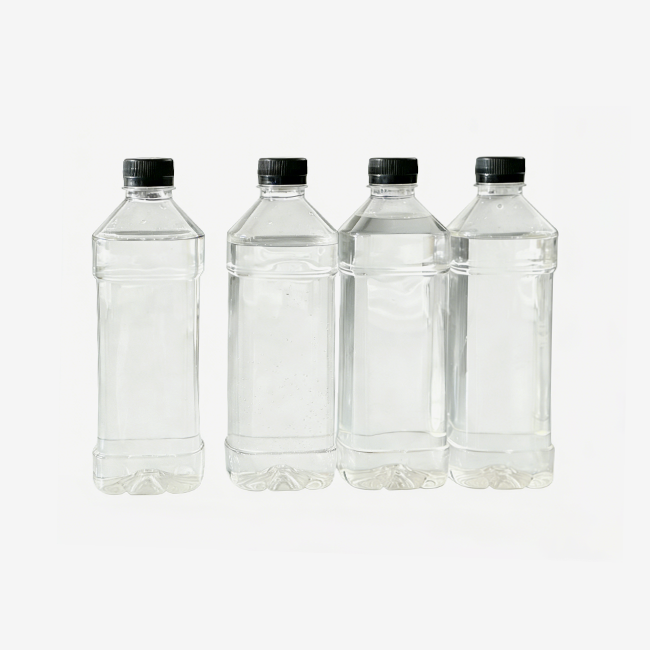 VIEW MORE50%-60% Liquid Potassium Acetate
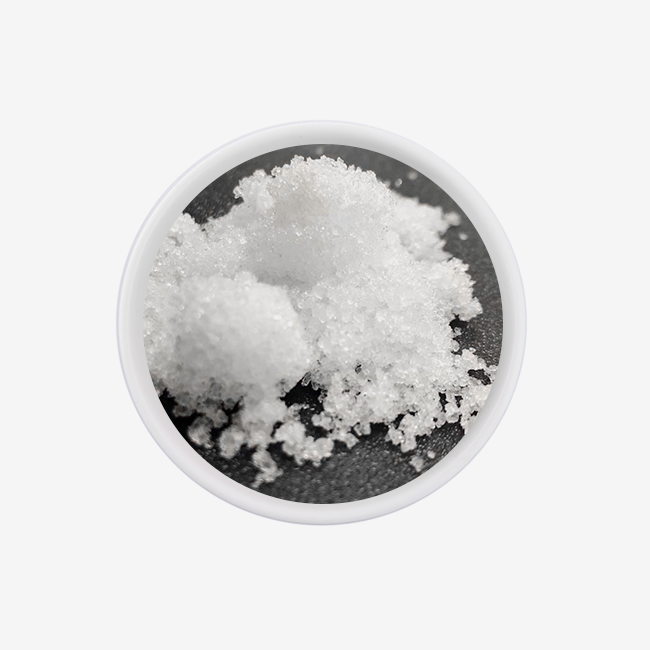 VIEW MOREDairy Product Sodium Acetate Trihydrate
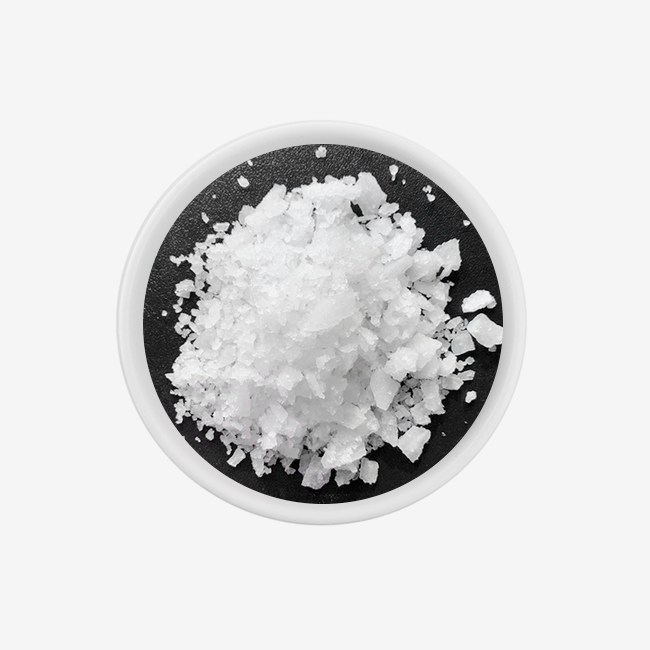 VIEW MORESnow Melting Solid Potassium Formate
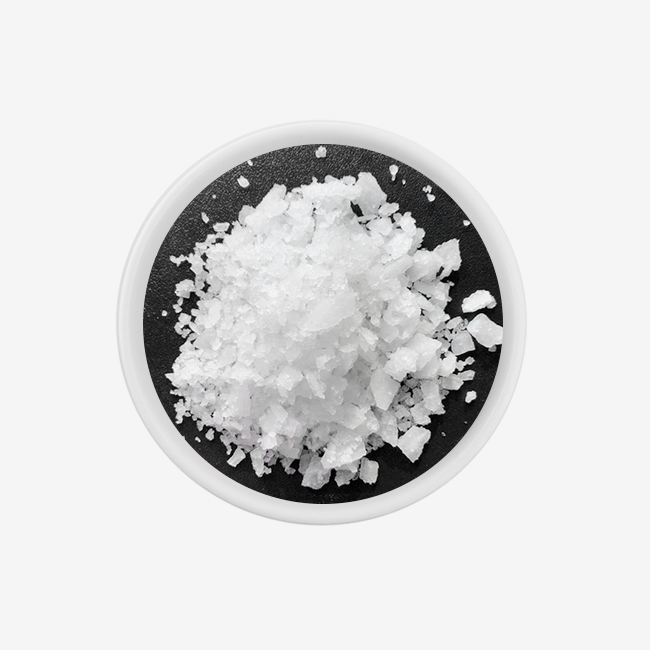 VIEW MOREOilfield Solid Potassium Formate
- VIEW MOREAgricultural Liquid Potassium Acetate
 VIEW MOREMetal Bridge Solid Potassium Acetate
 VIEW MORETextile Sodium Acetate Trihydrate
 VIEW MORECarbon Source Sodium Acetate Trihydrate