



Application of Sodium Acetate Series Carbon Source Products in Sewage Treatment of Municipal Sewage Treatment Plant
In municipal wastewater treatment systems, efficient denitrification relies heavily on sufficient biodegradable carbon sources to sustain microbial nitrogen removal activity. Low-carbon and high-nitrogen raw water is a common operational bottleneck for many urban wastewater plants, which restricts total nitrogen removal efficiency and makes stable effluent compliance difficult. The following four carbon source products are tailored to diverse working conditions and operational needs, providing targeted carbon supplementation solutions for standard denitrification processes. Detailed product information is listed below.
1. Industrial-Grade Liquid Sodium Acetate (20% / 25%)
Core Function
Widely adopted as a mainstream external carbon source for municipal wastewater denitrification, this liquid product delivers highly bioavailable organic carbon for denitrifying bacteria. It drives the biological reduction of nitrate nitrogen into nitrogen gas, ensuring steady total nitrogen compliance. Meanwhile, it assists in balancing the pH of biochemical tanks and stabilizing the overall microbial environment.
Product Advantages
As a ready-to-use liquid formulation, it eliminates on-site dissolving procedures and supports fully automated and precise dosing. Its biological utilization rate is far higher than traditional carbon sources such as methanol and starch, leaving no refractory residual substances in the water body. In terms of operational safety, the product is non-flammable and non-explosive, enabling safer transportation and on-site application compared with combustible chemical carbon sources.
Application Method
Dosing is determined based on a theoretical BOD5/TN ratio of no less than 4:1. The conventional effective dosage ranges from 30 mg/L to 50 mg/L. The liquid can be directly pumped into denitrification tanks, with real-time dosage adjustment according to fluctuations in inlet water quality and effluent TN indicators.
Operational Notes
Low ambient temperatures may trigger crystallization in pipelines and storage tanks, so thermal insulation measures are required in winter. Excessive dosing will cause unnecessary COD elevation in effluent and increase overall operational costs, requiring accurate dynamic dosing control.
2. Industrial-Grade Solid Sodium Acetate (58%–60%)
Core Function
This solid acetate product serves as a conventional supplementary carbon source, ideal for small and medium-sized municipal wastewater plants. It supports stable denitrification and nitrogen removal while providing moderate pH buffering capacity, helping maintain stable growth conditions for activated sludge microorganisms.
Product Advantages
The crystalline solid form features convenient transportation and flexible storage conditions. It delivers stable purity, good powder fluidity and low caking tendency. It achieves rapid denitrification activation and is well suited for intermittent carbon supplementation scenarios and small-scale water quality adjustment.
Application Method
Prepare a 20%–30% aqueous solution in the dissolving tank before use. After full dissolution, deliver the solution to the denitrification section via metering pumps. The specific dosage is calculated strictly according to the 4:1 carbon-nitrogen ratio.
Operational Notes
Incomplete dissolution may cause pipeline and pump blockage. The material is highly hygroscopic; sealed storage is required after opening to prevent moisture-induced caking and efficacy attenuation.
3. Industrial-Grade Anhydrous Sodium Acetate (98%–99%)
Core Function
With high effective carbon content, anhydrous sodium acetate acts as an efficient and fast-acting emergency carbon source. It is particularly applicable to treatment plants facing severe carbon source deficiency and sharp fluctuations in inlet TN load. It quickly boosts microbial denitrification activity and relieves impact loads caused by fluctuating water volume and water quality.
Product Advantages
It provides higher unit carbon efficiency, lowering the actual dosage required to achieve standard denitrification performance. Featuring low impurity content, it imposes no negative impact on biochemical sludge systems. Compared with trihydrate sodium acetate, it exhibits significantly lower hygroscopicity and longer storage life, ensuring stable long-term stock availability.
Application Method
Prepare a 10%–20% aqueous solution for supplementation. It is primarily used for emergency carbon supplementation under shock load conditions. For routine operation, it can be compounded with liquid sodium acetate to balance treatment performance and operational costs.
Operational Notes
Heat is released during dissolution, requiring necessary cooling protection for dissolving tanks. High-concentration solutions are prone to crystallization at low temperatures; temperature control during dissolving and storage is essential to ensure smooth dosing.
4. Composite Carbon Source
Core Function
Developed specifically for the stable and efficient operation of municipal biochemical systems, this multi-component composite carbon source balances efficient denitrification and sludge reduction. It performs exceptionally well in low-temperature and low-load environments where conventional carbon sources struggle to maintain stable nitrogen removal.
Product Advantages
The scientific composite formula delivers higher bioavailability than single carbon sources. It features a low freezing point, effectively avoiding crystallization failure in cold winter conditions. It supports sustained and long-term denitrification, helps reduce excess sludge output, and cuts down sludge disposal costs for wastewater plants.
Application Method
The concentrated solution requires no dilution and can be directly added to denitrification tanks. The dosage is dynamically adjusted based on inlet total nitrogen data, fully adapting to automatic dosing system operation.
Operational Notes
Formula differences across composite carbon source products lead to varying compatibility with sludge systems. Preliminary pilot testing is recommended before large-scale application. Sealed storage is necessary for long-term inventory to avoid microbial contamination and product deterioration.
Industry Application Case
A municipal wastewater treatment plant with a designed treatment capacity of 160,000 cubic meters per day operates under Class A discharge standards. The raw water features a BOD5 of 262.5 mg/L and a total nitrogen concentration of 70 mg/L, yielding an actual carbon-nitrogen ratio of only 3.75:1. This value falls below the minimum carbon demand for effective denitrification, resulting in effluent total nitrogen fluctuating between 18 mg/L and 22 mg/L and continuous non-compliance.
To solve this problem, the plant adopted 25% industrial-grade liquid sodium acetate as the external carbon source, with a steady theoretical dosing concentration of 33.7 mg/L. Combined with an automatic dosing system that adjusts dosage according to real-time water quality data, the plant achieved remarkable operational improvement. The denitrification efficiency was significantly enhanced, with more than 80% of total nitrogen removed within two hours. The effluent total nitrogen stably dropped below 10 mg/L, while COD and ammonia nitrogen indicators remained consistently compliant.
Compared with the previous methanol-based carbon source system, the plant reduced annual operating costs by 12%. It also completely eliminated potential safety hazards brought by methanol’s flammable and explosive properties. The biochemical sludge output remained stable without abnormal growth, realizing safe, stable, low-cost and standardized nitrogen removal operation for long-term plant management.

USER EVALUATE
Here is the customer's evaluation of us
YOU MAY LIKE
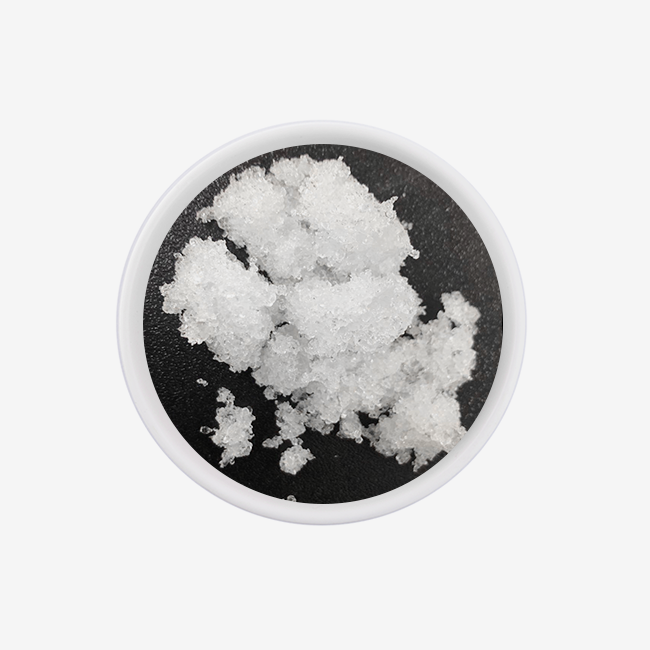 VIEW MOREChemical Fiber Sodium Acetate Trihydrate
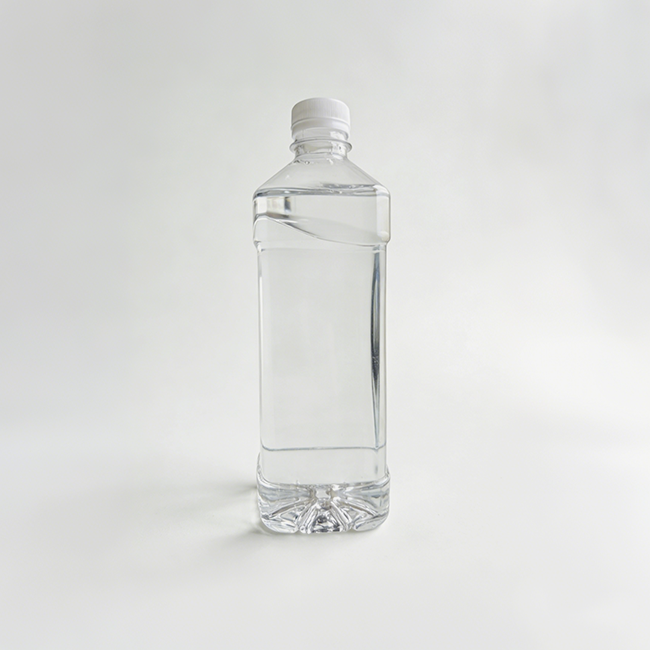 VIEW MOREMunicipal Road Snow Melting Agent
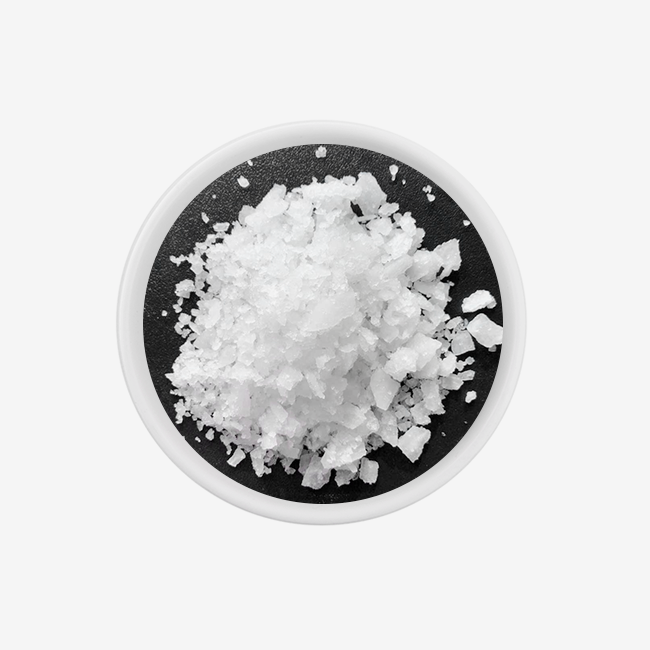 VIEW MOREPrinting & Dyeing Solid Potassium Formate
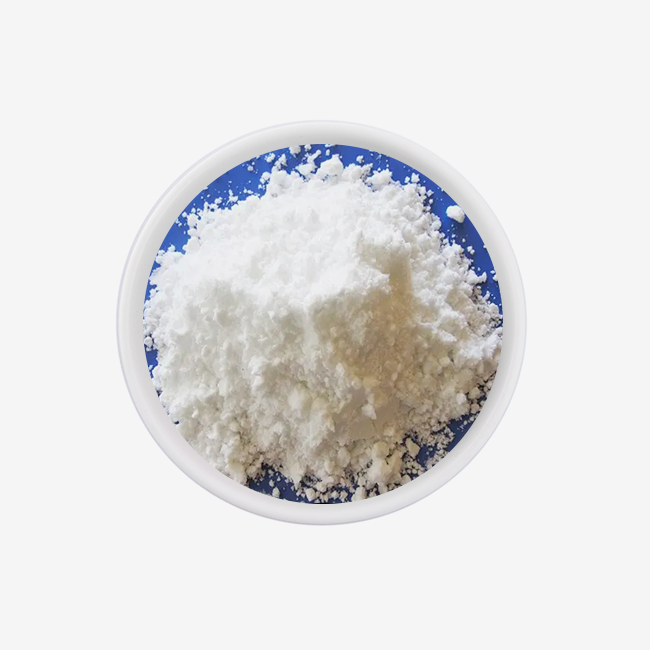 VIEW MOREOilfield Solid Sodium Formate
 VIEW MOREFood-Grade Sodium Acetate Anhydrous
 VIEW MOREPharmaceutical Intermediate Sodium Acetate Trihydrate
 VIEW MOREAntibiotic Sodium Acetate Trihydrate
 VIEW MOREDrilling Solid Potassium Formate