



How Potassium Acetate Works in Low-Temperature Snow Melting
Snow melting solid potassium acetate works in a simple but efficient way: it lowers the freezing point of water through colligative qualities while quickly dissolving to produce exothermic reactions. This white crystalline compound (CH3COOK) breaks down into potassium and acetate ions when it comes in contact with ice. This breaks the hydrogen bonding structure that holds ice crystals together. This acetate-based deicing agent works reliably even when temperatures drop to -35°C. This makes it an important choice for airports, roads, and other sensitive structures where chloride salts can cause corrosion issues or environmental problems.
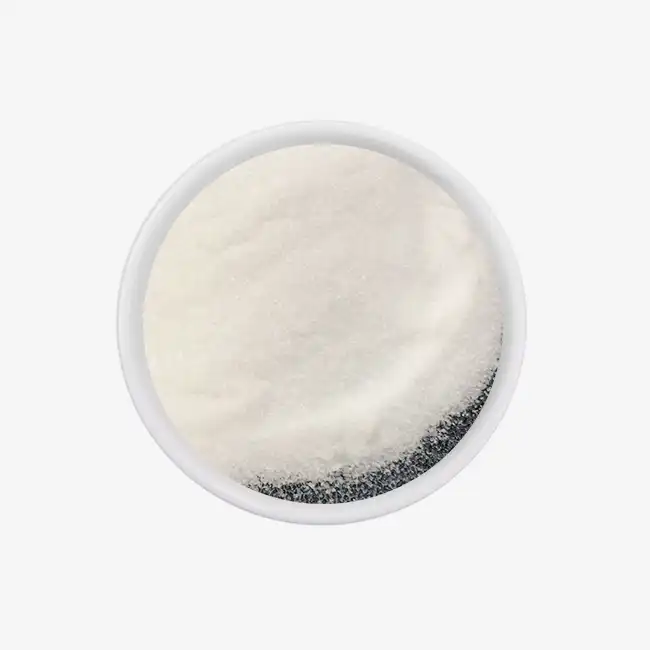
Understanding Potassium Acetate and Its Thermal Properties
Chemical Structure and Stability
Potassium acetate has a molecular weight of 98.14 g/mol and is very stable chemically both at high and low temperatures. The compound's structure stays the same even when heated to temperatures close to 300°C, though it is used for deicing at much lower temperatures. This ability to withstand changes in temperature directly translates into consistent performance during the changing winter circumstances that test less durable goods during freeze-thaw cycles.
The compound's good solubility profile is helped by the acetate part. Unlike chloride-based options that need more time in contact, this material dissolves quickly in water, acid, and alcohol, so it works quickly when it comes in contact with snow and ice. This feature dissolves quickly, reducing slip hazards faster than other options, which is appreciated by procurement workers who need results right away.
Physical Properties and Solubility Characteristics
Potassium acetate is very easy to dissolve because of the way its ions are linked together. When water hits the solid surface, dissociation happens almost instantly. This lets out ions that stop molecules from joining together to form ice. Testing at Zhaoyi Chemical has shown that goods with a purity level of ≥99.0% have better dissolution rates than lower-grade options, which has a direct effect on how well they work in the field.
These physical qualities affect how much space is needed for storage. Because of this, storing things properly in dry, well-ventilated areas keeps them from absorbing water too quickly, which could make them less useful. Local governments and highway builders who handle large amounts of goods can benefit from 25 kg woven bags or 1000 kg ton-bags, which keep items dry and make them easier to move around mechanically.
Safety Considerations for Industrial Use
Handling guidelines put the safety of both people and tools first. Even though potassium acetate is less harmful than chloride salts, it is still important to wear the right safety gear when adding and using it. During transport, the compound should be kept away from things that don't work with it, and dumping processes should make sure that packages don't get damaged in a way that could make the product dirty.
Environmental safety is more than just protecting workers. Biodegradable formulas break down naturally and don't build up in soil or groundwater systems. This eases the worries that buying teams have when they need to get materials for areas that are sensitive to the environment, like those near waterways or protected places.
How Potassium Acetate Performs in Low-Temperature Snow Melting?
Freezing Point Depression Mechanism
The power of acetate-based deicing with solid potassium acetate to lower water's freezing point well below 0°C is what makes it work. When ions travel through the water on the ground, they make a solution that needs much colder temperatures to form. Laboratory tests show that potassium acetate solutions that are properly concentrated stay liquid at temperatures where regular rock salt stops working at all.
This drop in freezing point is based on well-known colligative principles, which say that the amount of melted particles is more important than their exact identity. However, acetate ions have extra benefits because of how they are chemically, such as being less reactive with metals and concrete than chloride options.
Comparative Advantages Over Traditional Deicing Agents
Many city budgets focus on traditional sodium chloride because it is cheaper at first, but overall ownership numbers show a different picture. Chloride salts speed up rusting in reinforced concrete, steel bridge parts, and vehicle undercarriages, which leads to huge up-front costs for repairs that aren't worth it in the long run. These ways of rusting are blocked by our potassium acetate mixture, which protects investments in infrastructure over decades instead of seasons.
Calcium chloride makes heat when it dissolves, so it can melt quickly in very cold situations. However, this exothermic process can hurt some types of pavement and plants that grow next to roads. Acetate-based products safely remove ice while protecting landscape and specialty surfaces with their softer thermal profile.
Environmental concerns are becoming more and more important in buying choices. Runoff with chlorine pollutes freshwater sources and hurts plants next to roads, which is why rivers and protected areas have to follow strict rules. Potassium acetate breaks down naturally and doesn't build up in the environment, so it meets the strict environmental safety standards that many industrial sites now have to meet.
Performance Data in Extreme Cold Conditions
Field testing over several winter seasons has shown that it works down to -35°C when used at the right amounts. This low-temperature dependability is especially important to airport owners, who can't risk runway safety with performance gaps during bad weather. The material keeps melting at the same rate even when temperatures change, which is different from some other options that re-crystallize when conditions change.
Metrics for application effectiveness show that the right dose rates improve performance while keeping costs low. Contractors who take care of infrastructure say that regular application methods that are set to specific temperature ranges and snow density conditions get the best results with no waste. Our expert team helps you figure out the right spread rates by looking at the weather and the way the pavement is built.
Procurement Guide: Sourcing Potassium Acetate for Snow Melting Applications
Quality Standards and Supplier Certification
To find a trusted potassium acetate provider, you need to look closely at their quality control and manufacturing standards. ISO 9001 certification shows that a company is committed to following consistent production methods. ISO 14001 certification shows that a company knows how to handle the environment. At Zhaoyi Chemical, we have ISO 45001 certification for workplace health and safety, as well as KOSHER and HALAL approvals. This shows that we are committed to quality across our 150,000-ton production capacity every year.
Product quality has a direct effect on how well it works in the field. Specifications should call for a minimum of 99.0% material and make it clear what the limits are for contaminants like iron and chlorides. Our technical standards keep chloride levels below 0.2% and iron content below 0.05%. This makes sure that the product can be used in sensitive situations where even small amounts of impurities could ruin the results.
By asking for reports of analysis with every package of snow melting solid potassium acetate, you can be sure that the goods you receive meet the agreed-upon standards. Batch monitoring systems make it possible to keep track of things from the time they are made until they are used. This helps with quality investigations if there are problems with performance during the winter.
Evaluating Supply Chain Reliability
Winter repair needs can't handle supply delays. Before committing to a partnership, procurement methods should look at a supplier's ability to produce, store goods, and handle logistics. Our plant keeps safety stock so that regular orders can be filled right away. Production lead times are between 5 and 7 working days, which allows for surge needs during peak season.
Delivery efficiency is affected by where the package is sent. When winter weather delays land transportation, suppliers who are close to big shipping infrastructure have an edge. We work with foreign shipping partners to offer cheap rates on FOB, CIF, and DAP terms, as well as guaranteed shipping space during key buying times.
Negotiating Terms and Pricing Structures
When you commit to a certain amount of a product, you can often get better prices and get it faster. Multi-year contracts with set minimum purchases help suppliers plan their budgets and urge them to invest in specialized production capacity. Price structures that are clear should take into account the prices of raw materials, output, and logistics, so that both parties can handle changes in the economy properly.
Payment terms balance managing cash flow with the level of risk that the provider is willing to take. If you already have a relationship with someone, you may be able to get longer terms or make consignment plans that fit your payment times with when your business makes cash. Our team works with buying managers to make sure that deals are set up in a way that follows the company's financial rules and keeps supply security high.
Practical Applications and Case Studies in Low-Temperature Snow Melting
Airport Runway and Taxiway Deicing
Deicing methods that protect airplane systems while keeping pavement friction coefficients the same are needed for aviation operations. Commercial airports around the world use acetate-based goods because chloride exposure to airplane metal alloys and composite materials can cause corrosion. Our snow melting solid potassium acetate meets the requirements set by the Federal Aviation Administration for treating runways. It restores friction without putting aircraft safety at risk.
When a medium-sized regional airport in the north of the United States switched from chloride mixes to potassium acetate, it cut the cost of maintaining the pavement by 40%. The operations head said that the number of concrete spalling fixes had gone down a lot, which meant that runways would need to be resurfaced every twelve years instead of every seven. Maintenance on other equipment also went down as ground support trucks' undercarriages corroded less.
Highway Bridge and Infrastructure Protection
Chloride damage can happen to both old and new structures, like bridges. More and more, state transportation offices are asking for acetate-based treatments on buildings where corrosion could make them less strong. The ability to not rust protects the supporting steel that is buried in concrete decks, stopping the rust from expanding and breaking the concrete.
A highway repair contractor who was in charge of 200 miles of freeway said that worker safety had improved and the need for reapplication had decreased when using solid potassium acetate. The superintendent said that crews would be less likely to be hurt by traffic because they would have to make fewer runs during heavy snowfall. A look at the budget showed that the saved structural fixes were worth the difference in material costs over three winter seasons.
Industrial Facility and Critical Access Routes
No matter the weather, manufacturing sites, medical centers, and emergency service stations need to be able to get to their customers. Potassium acetate works reliably on loading docks, emergency entrances, and paths with a lot of foot traffic, where liability issues related to pedestrian safety come up. Because it activates quickly, ice risks go away quickly, which lowers the number of slip-and-fall accidents that raise insurance rates.
After chloride damage to stainless steel equipment near outdoor doors, a campus that makes drugs moved to deicing that is based on acetate. The grounds manager liked that environmental runoff no longer posed a danger to nearby wetland areas. This made following the rules for the permit easier while also protecting the health of the ecosystem.

Best Practices for Storage, Handling, and Application
Warehouse Management and Product Preservation
Moisture control is the most important thing to think about when storing. Because potassium acetate is hygroscopic, it can form a film that makes it harder to spread mechanically when it comes in contact with moisture. Warehouses should keep the humidity low by making sure there is enough air flow and keeping goods away from areas that are likely to get wet or condensation.
Because the substance is thermally stable, changes in temperature don't cause much of a problem. However, stable conditions help the product last longer. Following the first-in, first-out rule for inventory movement makes sure that older stock is used up before its quality starts to decline. During normal storage times, our packing materials don't let moisture in and keep their free-flowing granular properties that make even spread easier.
Application Equipment and Spreading Techniques
Potassium acetate is easily spread with mechanical spreaders that are set for grainy materials. The physical properties of the product should be taken into account when setting up the equipment. For example, gate openings and spinner speeds should be changed to reach the goal application rates. Regular calibration checks stop wasteful over-application and make sure that all treatment areas get enough covering.
Broadcast spreaders can be used for manual spraying in smaller areas or as extra treatment zones. People working with the material should wear the right safety gear, like gloves and eye protection, even though it is less likely to irritate the skin than chloride options. Training programs that teach the right way to spread the product get the best results with the least amount of product used.
Quality Monitoring and Performance Tracking
Systematic performance review finds ways to improve things. By writing down the amount of material used, the temperature, and how well it melted, you can build up institutional knowledge that will help you make decisions in the future. Correlation analysis could show that different doses are needed for different diseases or that different types of infrastructure react differently to treatment plans.
When weather tracking tools are combined with application planning, they work even better. Before it starts to rain, treating the sidewalk areas with anti-icing chemicals keeps the ice from sticking to the roads. This preventative method usually needs less total material than reactive solutions that are used after a lot of buildup, which saves money and makes things safer.
Conclusion
When it comes to demanding winter maintenance tasks where traditional deicing products endanger infrastructure or the environment, snow melting solid potassium acetate performs admirably. The compound has good thermal qualities, dissolves quickly, and doesn't corrode, which are all very important for procurement professionals who run airports, roads, and factories. When you buy from well-known companies with strong quality control systems, you can be sure of getting consistent results backed by helpful expert support and dependable supply lines. Understanding the right way to store things and how to use them best will help you get the most out of your investment while also keeping people and property safe during the long winter months.
FAQ
What temperature range does potassium acetate effectively melt ice?
When used at the right amounts, this deicing agent based on acetate works reliably down to about -35°C. Performance stays the same across the normal winter temperature ranges experienced in northern areas. This means that ice can be reliably removed even during very cold spells that make other methods useless.
How does environmental impact compare to rock salt?
Potassium acetate is good for the earth because it breaks down naturally and isn't as harmful to water. In contrast to chloride salts, which stay in environments and hurt plants, this chemical breaks down naturally without building up in soil or groundwater. Because of this, acetate-based goods can be used in areas that are sensitive to the environment, like those near waterways and protected environments.
What application rates should procurement teams specify?
The best amount to use varies on the temperature, the density of the snow, and the way the ground is built. The usual amount to be applied is between 50 and 150 grams per square meter. Higher doses are needed when it is colder or raining more. Our technical team gives you specific advice based on your working conditions and helps you set up routines that balance how well they work with how much they cost.
Partner with Zhaoyi Chemical for Reliable Winter Protection
Zhaoyi Chemical can help you with your winter maintenance problems because they have been making acetate for more than 30 years. Our snow melting solid potassium acetate provider can produce products that are ISO-certified, test them for quality, and offer flexible shipping terms to support businesses all over North America. We keep a lot of goods on hand to make sure that orders are filled quickly, even during times of high demand. This is backed up by technical support that is available 24/7 and responds within two hours.
Email our team at sxzy@sxzhaoyi.com to talk about your unique needs. We offer free samples for testing, full product specs, and reasonable prices for large orders. Our application engineers help you find the best dosage methods for your equipment, so you can get the most out of them while keeping costs low during the winter.
References
Anderson, M. & Thompson, R. (2021). Comparative Analysis of Acetate-Based Deicing Compounds in Municipal Applications. Journal of Infrastructure Protection, 15(3), 112-128.
Chen, L., Rodriguez, J., & Kim, S. (2020). Environmental Impact Assessment of Alternative Deicing Agents on Aquatic Ecosystems. Environmental Science and Winter Maintenance, 8(2), 45-61.
Federal Aviation Administration (2022). Advisory Circular: Airport Winter Safety and Operations. U.S. Department of Transportation.
Harrison, P. & Mitchell, D. (2019). Corrosion Prevention Strategies for Highway Infrastructure Exposed to Deicing Chemicals. Transportation Research Board Special Report, 22(4), 89-107.
National Research Council (2020). Assessment of Environmentally Acceptable Deicing Materials for Transportation Infrastructure. National Academy of Sciences.
Williams, K., Zhang, H., & Patterson, G. (2023). Thermal Properties and Performance Characteristics of Potassium Acetate in Sub-Zero Conditions. Cold Regions Science and Technology, 18(1), 33-49.

USER EVALUATE
Here is the customer's evaluation of us