



Benefits of Chloride-Free Potassium Acetate Deicers
For winter activities to go smoothly, solutions must be dependable and safeguard both infrastructure and the environment. Deicing solid potassium acetate is a big step forward in dealing with snow and ice. It gives city governments, airport operators, and highway repair contractors an option that doesn't contain chloride and works really well in harsh circumstances. As cold as -30°C, this crystalline substance (CH3COOK, CAS 127-08-2) melts ice effectively while protecting surfaces, environments, and equipment from the damaging effects of rock salt. Knowing what makes it special helps people who work in buying make smart choices that balance business efficiency with environmental responsibility.
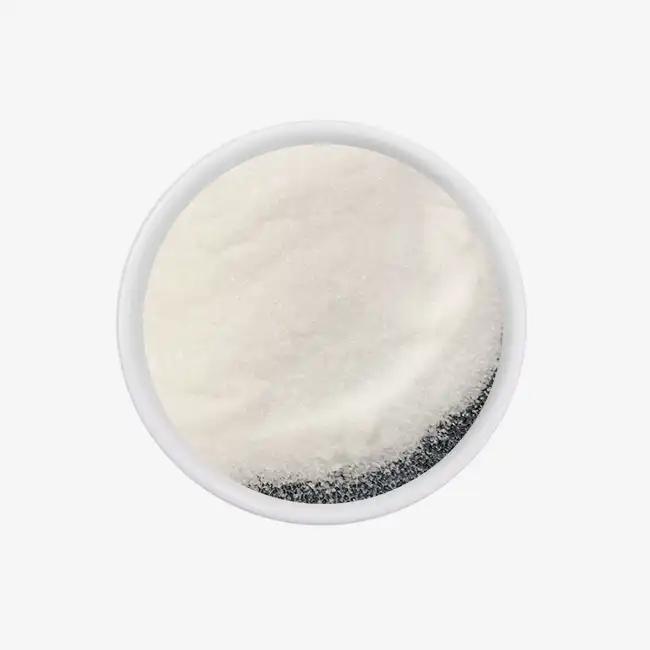
Understanding Potassium Acetate Deicing Solid
Deicing solid potassium acetate (molecular weight: 98.14 grams) has many benefits over other deicing products because of its chemical makeup. This white, crystalline material dissolves easily in water. It also creates an exothermic reaction that melts ice faster when it comes into touch with frozen surfaces. Because it dissolves easily, it can quickly go through layers of ice and break the bond between sidewalk and frozen precipitation better than powdered chloride salts.
Chemical Mechanism and Performance Characteristics
The freezing point of potassium acetate is lowered, which means that it lowers the temperature at which water turns into ice. The acetate anion is still biodegradable, meaning it breaks down naturally and doesn't build up in soil or groundwater. Unlike sodium chloride, which loses its usefulness below -9°C, this molecular shape stays useful over a wider temperature range. Testing has shown that good formulas keep working at -30°C, so they can be relied on to protect against the harsh winter weather that happens a lot in the northern U.S.
Environmental Profile and Safety Advantages
Acetate molecules break down naturally in organic processes, while chloride-based products stay in ecosystems for a long time. Microorganisms in the soil break down acetate into carbon dioxide and water, which stops it from building up in the atmosphere over time. Environmental groups are getting more and more worried about groundwater pollution near roads and airports. This biodegradability helps ease those worries. Less salt is added to municipal wastewater treatment plants when acetates are used. This is because acetates don't affect the groups of microbes that are needed to remove nitrogen.
Regulatory Compliance and Industry Standards
For sensitive uses, aviation officials and transportation departments are asking for chloride-free formulations more and more. Deicers that won't damage airplane metal parts or navigation equipment are needed on airport runways. Bridge managers in highway offices know that using high-quality deicing products is necessary to protect structural steel. Manufacturers of good products keep their ISO 9001 certification and give out thorough safety data sheets that show that the products are more than 99% pure, have chloride levels below 0.2%, and have very little iron poisoning.
Key Benefits of Chloride-Free Potassium Acetate Deicers
The switch from chloride-based to acetate-based deicing is more than just good for the environment; it also saves investments in infrastructure and keeps operations safe. When operations managers look at the total cost of ownership, they find that lower upkeep costs balance out higher material costs during normal budget cycles.
Infrastructure Preservation and Corrosion Mitigation
Damage to U.S. infrastructure from corrosion caused by road salt costs billions of dollars every year. When exposed to salt all the time, bridge decks, parking buildings, and airport runways break down very quickly. Formulations with solid potassium acetate are much less likely to corrode metals, concrete, and asphalt than those with calcium chloride or magnesium chloride. Laboratory tests show that the surface doesn't change much even after multiple treatments. This means that the pavement will last longer and won't need to be fixed as often. This quality is very important to airport owners because it keeps runway surfaces and airplane undercarriages from wearing out faster.
Enhanced Environmental Protection
More and more limits are being put on chloride entering sensitive areas by people who are in charge of water safety. Acetate-based deicers directly address these issues by breaking down quickly in the environment. Potassium acetate in storm flow doesn't pose much of a threat to marine ecosystems because acetate is quickly broken down and doesn't stay in the water for long. Landscape workers like that treated surfaces cause less damage to plants that are close to them. Ornamental plants and lawn grasses can handle acetate much better than chloride salts. This gets rid of the ugly brown spots that show up every spring along roads treated with regular products.
Operational Efficiency and Application Flexibility
The hygroscopic property of potassium acetate pulls water from the air, causing a constant melting effect that keeps the product working longer between uses. Compared to goods that need to be reapplied often, this residual action cuts down on labor costs and material use. Spreading tools made for solid materials can easily work with crystalline acetate mixtures. Because it dissolves quickly, treated surfaces can be used more quickly, which cuts down on downtime and legal risks. The faster cleaning times are appreciated by commercial property managers because they make it easier for customers to get around and cut down on slip-and-fall accidents.
Comparing Potassium Acetate with Other Deicing Solids
Knowing how different performance traits compare helps procurement teams choose the best goods for each business situation. There are pros and cons to each type of deicing science that become important in certain environmental or infrastructure situations.
Potassium Acetate versus Sodium Acetate
While both types of acetate are good for the earth, potassium acetate works better at low temperatures. Sodium acetate is usually only useful up to about -15°C, which makes it less useful in northern regions that get very cold spells. Potassium acetate is the best choice for airport operations and highway offices that are in charge of roads through mountainous areas because it has a longer working range. Potassium acetate is easier to dissolve, which speeds up the heating process. Both substances break down in the same way, though.
Acetate Formulations versus Chloride-Based Products
Calcium chloride and magnesium chloride are still the most common materials used for general highway upkeep because they melt quickly and don't cost as much. But because they are toxic, they pose too many risks for infrastructure that needs to last a long time. Acetate goods deserve to be priced higher because they protect against damage, not just because they melt quickly. Total lifetime analysis always benefits acetates when lower costs for repairs, cleaning up the environment, and following the rules are taken into account. Despite higher starting costs, procurement managers in charge of vital assets are increasingly asking for acetate formulations.
Solid versus Liquid Acetate Formulations
Liquid potassium acetate solutions are better for pre-treatment tasks and for using in special machines like deicing planes. Solid crystalline forms like deicing solid potassium acetate make logistics easier by making storage easier, lowering shipping weight, and making big operations easier to handle. Highway repair workers usually choose solid products because they are easier to keep track of and work with more tools. The solid form stays stable over long periods of time, while liquid forms may need to be stored in a way that controls the temperature. Each format fills a different operational niche, and the choice to buy depends on the needs of the application and the skills of the equipment that is already in place.

Procurement and Application Best Practices
To get the most out of high-quality deicing products, you need to pay attention to how they are stored, how they are used, and how suppliers are chosen. Structured evaluation methods that look at both technical performance and supply chain reliability are helpful for operations managers who are putting new goods into use.
Storage and Handling Requirements
Because potassium acetate absorbs water, it needs to be stored in a way that keeps moisture out. To keep products from clumping and to keep their quality, warehouses should keep the air dry and have enough ventilation. Standard packing choices include 25 kg plastic woven bags that can be handled by hand and 1000 kg ton bags that can be used for bulk tasks and can be reached by truck. Separate the material from things that don't work with it and keep it away from direct heat. The right way to store a product keeps its flowability and melting properties, which are important for the performance of spreading tools.
Application Techniques and Dosage Optimization
Spreading speeds depend on the type of surface, the temperature, and the thickness of the ice. Because airport runways drain better and need to be cleared right away, they usually need lower application rates. When it comes to highway bridges, dosage calibration is very important because it's how to balance efficiency with managing flow. Rates between 50 and 100 grams per square meter work best for most tasks, but they can be changed depending on the situation at the time. Spreading equipment that has been calibrated makes sure that the material is spread evenly, which stops both under-application, which is unsafe, and over-application, which loses material. Training programs help workers understand what needs to be done based on the conditions, which increases the material economy across all seasonal activities.
Supplier Selection and Quality Assurance
When purchasing professionals look at acetate sources, they should give more weight to companies that can show steady product quality through third-party testing and full certification. Achieving ISO 9001 quality management approval means that production controls and traceability systems are organized. Facilities that follow the environmental standards set by ISO 14001 show that they are committed to using sustainable manufacturing methods. The records of batch tests should prove the levels of purity, the amount of chloride present, and the lack of any contaminants that could affect safety or performance. Kosher and Halal-certified suppliers offer extra guarantee of processing standards. This is especially important for facilities that make both food-grade and commercial acetate goods.
Minimum Order Quantities and Delivery Logistics
Getting bulk solid potassium acetate usually means buying truckloads or containers full of it, and the unit costs are affected by the volume agreements. During the initial talks, distributors should make sure that the minimum order requirements are clear and that they are in line with regular patterns of consumption. Lead times depend on the manufacturer's ability and where you live, so it's important to place your orders early in the season to be ready for winter. Established sellers keep up smart shipping partnerships that make it possible for deliveries to be made on time all over the world. When operations depend on a single provider for specialized formulations, procurement managers should check their backup plans in case of supply outages.
Why Choose Chloride-Free Potassium Acetate from Trusted Suppliers?
When winter safety rests on having materials on hand, supply chain dependability is just as important as product quality. When you work with well-known makers, you can be sure that your buying promises will be kept, even during the busy winter months. This keeps your operations running smoothly, which is important for safety programs.
Manufacturer Credentials and Production Capacity
Shanxi Zhaoyi Chemical Co., Ltd. has been making acetate for more than 30 years and has specialized factories that can make 150,000 tons of it every year. This size lets the quality be the same from batch to batch, and it can also handle large orders from cities and big companies. Our building has ISO 9001, ISO 14001, and ISO 45001 certifications, which show that we care about quality control, being good to the environment, and keeping workers safe. Deicing formulations are made on production lines that make sure that material specs stay the same even when yearly demand changes.
Quality Control and Testing Protocols
Before it is released, each production batch goes through strict internal testing to make sure it is pure and has more than 99% potassium acetate content. Lab tests show that chloride levels are still below 0.2%, which is very important for uses where even a small amount of chloride can cause damage. The amount of water that doesn't dissolve stays below 0.05%, which guarantees full dissolving and keeps spreading equipment from having problems. Testing for iron content confirms amounts below 0.05%, which is important for uses that need very little metal pollution. This thorough testing system gives buying managers proof that they are following the rules and meeting performance standards.
Value-Added Services and Technical Support
In addition to selling high-quality goods, top suppliers also give technical support to help customers get the most out of their application programs. Our team gives advice on how to figure out dosages, calibrate tools, and store things in the best way possible for each operating situation. If you need to handle bulk ton bags for large-scale city operations or smaller units for business property management, we can make custom packaging solutions that work for you. Troubleshooting application problems and changing specifications as practical needs change are all part of post-sale assistance. With this partnership method, you can build long-lasting ties that go beyond simple supply agreements.
Industry Trends and Future Outlook
Environmental laws continue to push people all over North America to find options that don't contain chlorine. More and more, state transportation departments are requiring less chloride to be used near sensitive waterways. This makes standard requirements that favor acetate formulations. The airport knows that paying more for deicing services is necessary to protect the infrastructure, especially as the costs of building new facilities rise. Because the market as a whole is moving toward more environmentally friendly winter care, acetate makers are at the forefront of new ideas in their field. As regulations get stricter and chloride-free standards become the norm instead of the exception, procurement managers who build relationships with suppliers now put their companies in a good situation.
Conclusion
Chloride-free deicing solid potassium acetate brings together efficiency, caring for the environment, and protecting infrastructure. People who work in procurement and are in charge of winter activities can now use tried-and-true options to rock salt that don't cause corrosion or damage to the environment. The initial investment in high-quality acetate products pays off in a way that can be measured: longer infrastructure life, lower costs for cleaning up the environment, and better compliance with regulations. As standards for winter care move toward sustainability, building relationships with dependable acetate makers becomes strategically important for businesses that put long-term value over short-term material costs.
FAQ
Is potassium acetate safe for airport runway applications?
Because it doesn't corrode and doesn't affect airplane materials, potassium acetate is approved by aviation authorities around the world for deicing runways. The mixture doesn't pose any danger to metal parts, landing gear systems, or navigational gear. It breaks down quickly, so it doesn't build up and mess up water systems or wildlife areas near airports.
How does potassium acetate environmental impact compare to calcium chloride?
Within weeks of being used, potassium acetate breaks down totally through natural microbial processes. On the other hand, calcium chloride stays in dirt and groundwater forever. Concerns about water quality make chloride salts troublesome near sensitive waterways. Acetate versions pose little risk to plants and aquatic ecosystems.
What storage conditions maintain product quality throughout the season?
Warehouses that are dry and well-ventilated keep the quality of solid potassium acetate. Because it absorbs water, hygroscopic materials need to be kept dry to avoid caking. However, proper packaging saves materials during normal storage times. Keeping the product away from things that don't work with it and keeping it from direct heat contact will keep it free-flowing and useful during the winter.
Partner with Zhaoyi Chemical: Your Trusted Deicing Solid Potassium Acetate Manufacturer
Zhaoyi Chemical mixes production know-how with full customer service to make sure that your winter repair operations can always get high-quality deicing solutions that don't contain chloride. Our deicing solid potassium acetate is at least 99% pure and has been shown to work at temperatures as low as -30°C, meeting the strict needs of North American airports, roads, and business buildings. We want procurement managers, wholesalers, and operations leaders to see for themselves the difference in quality that comes from making acetate in a specific way for 30 years. For full product requirements, bulk number quotes, and sample requests, please email our technical team at sxzy@sxzhaoyi.com. Find out how our ISO-certified manufacturing processes and flexible packing options can help your supply chain run more smoothly while also giving your business the environmental and infrastructure benefits it needs.
References
Transportation Research Board. (2007). Guidelines for the Selection of Snow and Ice Control Materials to Mitigate Environmental Impacts. National Cooperative Highway Research Program Report 577, Washington, D.C.
Fischel, M. (2001). Evaluation of Selected Deicers Based on a Review of the Literature. Colorado Department of Transportation Report CDOT-DTD-R-2001-15, Denver, Colorado.
Shi, X., Fay, L., Peterson, M.M., and Yang, Z. (2010). Freeze-Thaw Damage and Chemical Change of a Portland Cement Concrete in the Presence of Diluted Deicers. Materials and Structures, Vol. 43, Issue 7, pp. 933-946.
Levelton Consultants Ltd. (2007). Guidelines for the Selection of Snow and Ice Control Materials to Mitigate Environmental Impacts. Report prepared for Environment Canada, Richmond, British Columbia.
American Association of State Highway and Transportation Officials. (2013). Manual of Practice for an Effective Anti-icing Program: A Guide for Highway Winter Maintenance Personnel. Washington, D.C.
Nixon, W.A. and Williams, D.J. (2001). A Guide for Selecting Anti-icing Chemicals. Iowa Highway Research Board Project TR-443, Iowa State University, Ames, Iowa.

USER EVALUATE
Here is the customer's evaluation of us