



How Do Solid Deicing Agents Support Airport Runway and Taxiway Winter Operations?
Agents that melt frost and thin ice in cold weather keep airports open. Another thing they do is lessen the bond between ice and pavement. This makes it possible to use the roads again more quickly. Airport Runway Solid Potassium Acetate(CAS NO.: 127-08-2) turns into brine when it comes in contact with surface water. Forecasting, ploughing, friction checks, and retreatment are all parts of a full plan that work best when used together. People who want to buy the item before the season starts should read this post. We talk about setting prices and what that means. It also explains how it works and compares to other chemicals.
What Causes Runway Ice, and How Does Solid Potassium Acetate Work?
Why Is Runway and Taxiway Ice Hard to Control?
On windy days with a lot of rain, the paths get icy when cars are on them at the same time. Night frost, quick-freezing rain, and snow on tires are all things that can happen. As you go from one end of a runway to the other, the weather changes. There are rules about safety that say runways and taxiways need to be level, have steady contact, and be able to open and close fast. These rules don't cover roads that people use, though. That's why the FAA says you should check the field conditions a lot when you fly in the winter. What chemicals should be used at an airport depends on the rules of the area, the tools that are available, and the weather.
How Solid Potassium Acetate Breaks the Ice Bond?
The CAS number for this white, crystalline salt is 127-08-2, and its molecular weight is 98.14. It's easy for water to break down. When grains hit a wet or icy surface, they freeze. The point at which it freezes is below the freezing point of water. The ice doesn't stick to the road as well, so skid steers and ploughs can move it. Potassium acetate liquids start to mix at -60°C, but they can still be used. It's hard to understand what 292°C means since it's just a number. They really depend on how cold the road is, the weather, how much ice there is, how thick it is, and how long it stays there. That's why it's good to test it in the field.
A Practical Treatment Sequence, and Solid Versus Liquid
Five main things that crews do are look at the surface, use tools to get rid of loose snow, check the sidewalk's temperature and the weather forecast, and move or clear the snow as needed. This means that things and water are not always the same thing. Since they are dry, they don't need tanks or pumps to store solids. There must be tanks and sprayers in order to use water potassium acetate. This spray can help melt snow before a party. Airports often wet down solids ahead of time to make them work better and keep them from moving around in the wind. Check to see if the tools you already have will work with the format you choose. When it comes to transport weight, response time, and dilution, each format is different. Before you mix anything, please let us know if it can be used with mixed software.
What Are the Benefits of Solid Potassium Acetate, and How Does It Compare?
Operational and Infrastructure Benefits
As long as the right steps are taken, Airport Runway Solid Potassium Acetate might be able to fix the taxiways and runways. It's possible because it makes ice less sticky. Using items with chlorine can rust metals in planes and make roads stronger. It is often used on the airside, where rust is more likely to happen, because of this. Over 0.2% chloride is the most that can be there. That being said, I wouldn't say something is "non-corrosive" until I saw the test results. Look at how much rust there is on the grade you want to buy. The rules in SAE AMS 1431 tell us what to do. If you ask, we can show you proof of that. This is the last test to see if an area can be used again. It checks for friction and makes sure people follow the rules at the airport.
Environmental Points to Check
The oxygen in the water has to be used up for the acetates in Airport Runway Solid Potassium Acetate to break down. So, waste still needs to be taken care of. The biological oxygen demand (BOD) and chemical oxygen demand (COD) of a deicer are things I check. Aside from that, I check how it deals with rainwater and trash, as well as how responsive the water it gets is. Urea (CO(NH₂)₂) is a nitrogen-containing deicing material, and its use may contribute to ammonia emissions under certain environmental conditions. This is one reason why customs check things that don't have urea. For that kind of de-icer, please ask for the safety data sheet along with the BOD and COD data. One or more of them might not be good for the environment. Before the test, the airport's environmental staff should compare these numbers to the limits set by the permit.
Comparison With Other Airport Deicing Chemicals
The same chemical doesn't always win. Chlorides can rust, so many airports won't let them through. Calcium chloride (CaCl₂) has a much lower freezing point than water, but its deicing performance depends on the solution concentration and application conditions. It's only useful when it's not too cold outside, and urea makes ammonia levels rise in runoff. You can also use salt acetate, but when it's cold, it doesn't work as well as potassium acetate. Glycol-based deicing fluids have different application requirements and should be evaluated according to their formulation and operating conditions. Things that are solid must stay dry. Using Aptet is simple. Just spray it on. What works best depends on the road's temperature, the weather, the amount of traffic, the tools that are available, and the permits that need to be obtained. If the grades are pretty close, don't look at how much it costs per metric ton. Look at how much it takes to run a business during a season instead.
How Should Airports Set Application Rates and Handle Solid Deicer?
Why Application Rates Differ by Event?
People who say they can sell something for a price that works for everyone should be avoided. Prices will change depending on how thick the ice is, how cold the road is, how much rain there is, how wet the surface is, and when the roads reopen. You need to do different things when it frosts, freezes, snows, or ice. First, read the detailed data sheet that the seller sent you. After that, try it out on an apron or taxiway. Write down the spreading settings, the check and repeat times, and how the product was used at each event. Next, look at the results to see which ones achieve better friction, break the ice bond, open faster, and are more useful. A steady flow of the right kind of material and spreaders for the job is just as important as the rate. Because putting chemicals in different places at different times wastes them and leaves spots all over the place that haven't been changed.
Storing a Moisture-Absorbing Product
Potassium acetate can absorb moisture from the air, which is why it tends to form clumps during storage. They stay fresh for longer because of how they are stored. Store your things in a warehouse that doesn't get too hot, too wet, or too flooded. It should also have good airflow. Keep dangerous things away from them. Open boxes when you need to. Put the bags back together when you're done. Keep them away from water and heat while they are being shipped. When you empty the boxes, be careful not to tear them. It can be kept for up to two years in containers that are tightly sealed if you store it the right way. When it rains or is damp, check the stock before each season, the boxes after it rains, and the older materials first. Clumps slow down the flow of the spreader.
Packaging, Handling, and Crew Training
Plastic bags with braids that weigh 25 kg and ton bags that weigh 1000 kg are here. To save time on small jobs, it's best to fill bags by hand. If the airport has tools that can lift bags, people don't have to handle them as often. You can find things faster if you lift the ton bags off the ground and write a name on each group. Some airports want to use storage or mass transport to cut down on the cost of work. But these techniques will only work if you have certain dry tools on hand, so prepare them ahead of time. Crews need to learn how to put on and take off their PPE, keep the area clean, record things, and do their own laundry. To get rid of snow in steps, use ploughs, brushes, fans, and friction monitoring. Chemicals are not needed.
How Should Airport Buyers Select a Supplier and Evaluate a Project?
Technical Specifications to Review
All service providers should say the same things. At least 99.0% CH₃COOK is present in our Airport Runway Solid Potassium Acetate. The chloride level is no more than 0.2%, and the ferrous level is no more than 0.05%. There is 0.8 to 0.9 g/cm³ of it, and its pH ranges from 9.0 to 10.5 in 15% water. It looks like a stack of small white diamonds. Find out how much other shops charge and then contrast them. Find out about the particle size, the amount of water in the material, how well it flows, how it reacts to corrosion, how well it works in different environments, and how well your tools work with it. Each report of analysis needs to have its own batch number. How far a sprayer can go depends on the powder you use.
Supplier Capability and Documents
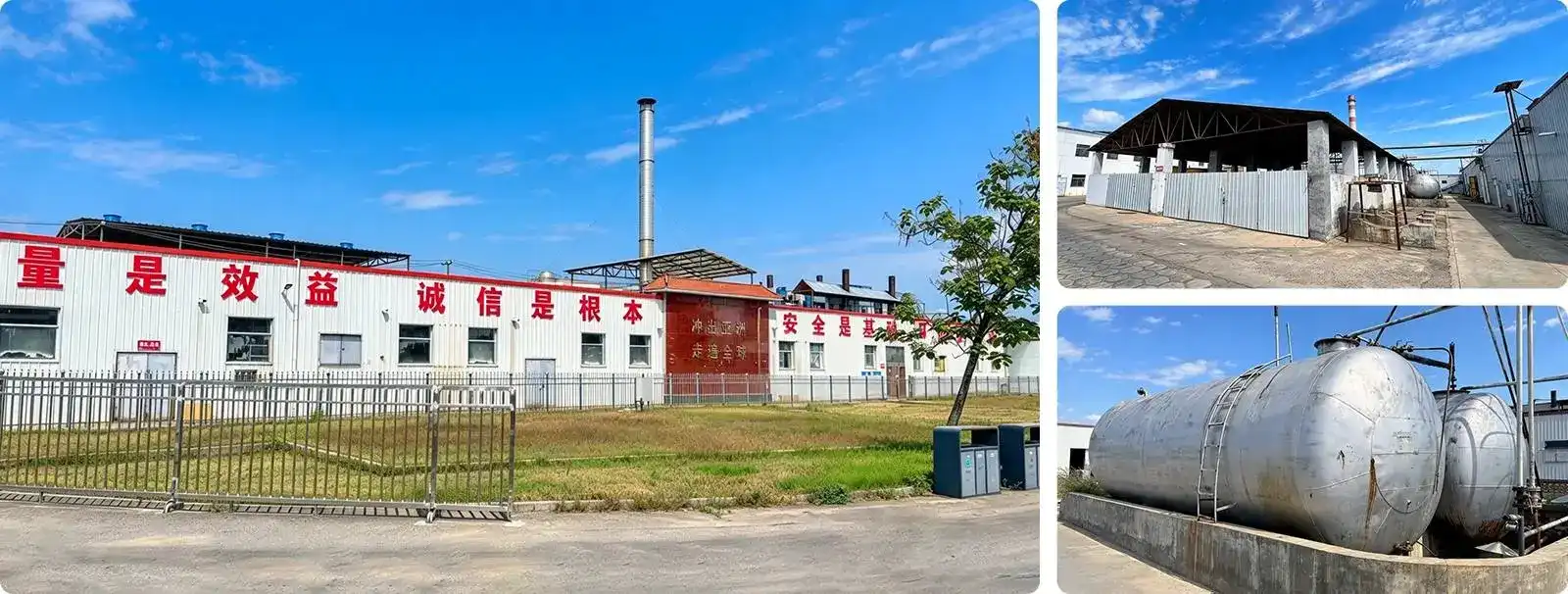
Look past price for Airport Runway Solid Potassium Acetate to manufacturing capacity, quality control, traceability, export experience, and sample support. SHANXI ZHAOYI CHEMICAL has been in business since 1988, has 60 employees, and is 27,000 m² in size. Our company is certified by both ISO 9001 and ISO 14001, and each year we can make 150,000 tons of acetate. We can ship from Lianyungang, Qingdao, or Shanghai, as long as the terms are FOB or CIF. Orders made every day will be filled in 5–7 business days, and you can also make your own plans. What should be in a full quote package? Details, SDS, COA, help with applications, wait times, shipping terms, and how to make a claim about quality.
Field Trials and Total Delivered Cost
You need to do these five steps again. First, talk about what happened during the winter. Describe the weather, the amount of pavement, the amount of traffic, the number of events, and the type of treatment (preventative or reactive). Second, make goals that can be tracked, like lowering the cost per treated area, lowering the cost of friction, using less energy, cutting down on the time it takes to reopen, and stopping corrosion. Third, use tests that are set up in the same way to make sure the product you already have works. Fourth, talk about how to make the delivery line more stable. Part of this is seasonal supplies, being able to get to ports, and having backup sources. Fifth, check each step one more time to make sure it's still right. Delivery costs include taxes, freight, packaging, storage, labour, tools, use, and taking care of the environment. One that doesn't need as many runs might be better than one that costs less.
What Mistakes Should Airports Avoid With Solid Potassium Acetate?
Buying on Unit Price Alone
You might not be able to learn everything you need to know from the potassium acetate price per ton. Find out how much is used where, how often it needs to be done, how hard it is to work with, and how much will rust. Make sure the rate works at your airport before you copy it from another source. You should make sure you understand all the technical details and delivery choices before you agree to a seasonal deal. It could cost you more than the order savings if you don't have enough supplies during a storm. Make sure that each seller gives you sample lots and written wait times before you compare prices.
Ignoring Moisture and Flow
This is mostly because there is too much water in the air. Granules that soak up water can get stuck together, feed unevenly, and cause the tracks to become clogged. When it rains, don't leave bags open, stack boxes on wet floors, or keep things near the doors. Before you put the granules in the spreader, make sure they can move around without much trouble. After long sea freight, do the same test on a small amount. Write down the batch number when you tell the supplier how the rolling will be done. It'll be simple and quick to figure out what went wrong.
Treating Chemicals as a Full Replacement
As a first step, you need to rake, brush, or let it rub against something. Chemicals alone won't melt the snow and ice. The tools we need. You should not believe that an acetate product can harm the environment. As waste builds up, the need for air grows. Don't skip crew training either. Things that aren't strong and spreaders that aren't set up right are both bad. Write down the steps, save the results, and take a quick look back after each one. This will help you plan for the next storm better. This also helps your team find small mistakes before they cause the restart to be pushed back.
Conclusion
Winter is a better time to clear ice off of runways and taxiways with Airport Runway Solid Potassium Acetate(CAS NO.: 127-08-2) because potassium acetate melts into water on the surface. This way, it's less likely to freeze. What kind of weather it is, how thick the ice is, how it is set up, and how it is used all affect how well it works. That's why field tests and written records are so important. You need to know about the product in order to learn about corrosion and the environment. You should consider local regulations and temperature conditions when comparing solid potassium acetate with chloride-based salts, urea (CO(NH₂)₂), sodium acetate (CH₃COONa), and glycol-based deicers. They should also be kept moving while they are being stored. As part of a good plan, chemicals are used, the ground is tilled, friction is tracked, staff is trained, and written emergency plans are kept. When people look at more than just the unit price, they find the best deals. They should think about more than just safety. They should also think about how well the gear fits, how much it costs to deliver, and how much good environmental behaviour they should have.
FAQ
When is solid potassium acetate suitable for runways?
It works well for airports that don't want to use too much chloride but still need to get rid of frost, ice, and packed snow. Check to see if the grade meets your needs, like the SAE AMS 1431 requirements. Just to be sure, try it outside.
Should I choose solid or liquid potassium acetate?
Choose things that don't need to be kept dry in tanks. Pick a liquid that you can use or spray on the surface to get it ready. That's why you should first ask us if they can go together.
How can airports buy in bulk?
You can choose between FOB and CIF rates when you place an order from Lianyungang, Qingdao, or Shanghai. We pack in ton bags that can hold 1,000 kg and 25 kg. There is a COA, an SDS, and a TDS with every order. Tell sxzy@sxzhaoyi.com how much money you want to send and where you want it sent.
Request an Airport Runway Solid Potassium Acetate Quotation from SHANXI ZHAOYI CHEMICAL
SHANXI ZHAOYI CHEMICAL is the company that makes Airport Runway Solid Potassium Acetate(CAS NO.: 127-08-2). They have ISO 9001 and ISO 14001 certifications and can make up to 150,000 tons of acetate each year. Send an email to sxzy@sxzhaoyi.com with your location, the amount you need during the season, the type of packaging you want, and the type of spreader you want, to get info, samples, a quote, and some specs. Visit sxzhaoyi.com to find out more.
References
1. Airport Field Condition Assessments and Winter Operations Safety (FAA Advisory Circular 150/5200-30D), 2014
2. Deicing Planning Guidelines and Practices for Stormwater Management Systems (ACRP Report 14), 2009
3. Guidelines for the Selection of Snow and Ice Control Materials to Mitigate Environmental Impacts (NCHRP Report 577), 2007
4. Effluent Limitations Guidelines and New Source Performance Standards for the Airport Deicing Category (U.S. Environmental Protection Agency, Federal Register), 2012
5. Evaluation of Selected Deicers Based on a Review of the Literature (Colorado Department of Transportation), 2001
6. Highway Deicing: Comparing Salt and Calcium Magnesium Acetate (Transportation Research Board Special Report 235), 1991

USER EVALUATE
Here is the customer's evaluation of us