



How to Evaluate a Snow Melting Solid Potassium Acetate Manufacturer for Bulk Orders?
Check that a company that makes Snow Melting Solid Potassium Acetate(CAS NO.: 127-08-2) has the right paperwork before you place a large order with them. Then, make sure they can make what you need, and just to be sure, ask for a sample. First, I ask buyers to spell out what they need to do. After that, I have them look over the order and the proof of analysis for the batch. Lastly, they need to read over the information about how the environment and their surfaces will rust. After that, I believe you should look at the plant, the packing, and the shipping terms. After that, use the same list to rate each seller. Any airport, road, bridge, or shipper should not take a low quote, even if price is important. This guide is set up based on how most buyers behave.
Define Your Needs and Verify the Product Data
Define Your Deicing Requirements Before You Request Quotes
I need to know where the item is going and how the teams plan to use it before I send them a price. Some places that have their own rules are airports, highway offices, bridge owners, and shippers. That's why one grade doesn't always work for all of them. You should write down the surface type, the coldest temperature you expect, the usual amount of snow, and the busiest time of the year. You can use the thing before or after a storm to melt ice. It has many uses. Writing down the tools you need to spread and where you can store them will help. Any business can bid on the job as long as it's clear what needs to be done. You can now look at more than just the price per unit when comparing deals. You can also check to see if they meet your wants.
Check the Specification Sheet and Batch Certificate of Analysis
If you believe them, they will only show numbers, not words. We use potassium acetate (CH₃COOK) to make our Snow Melting Solid Potassium Acetate. Potassium acetate has a molar mass of approximately 98.14 g/mol. The CAS number for it is 127-08-2. The table shows that the amount must be at least 99.0%, the chloride ion (Cl⁻) content must be 0.2% or less, and the ferrum (Fe) level must be 0.05% or less. There should be one table for everyone. Then get an analysis certificate for a newer batch and compare the two. On every piece of paper, don't forget to write down the correct CAS number. Sodium formate (CAS No. 141-53-7) and sodium acetate (CAS No. 127-09-3) are two different chemicals with different properties. Find out how the service provider keeps extra copies of each lot and gives them to you.
Confirm How the Product Performs as a Snow Melting Agent
If you mix it with water on the top, it will melt the ice because it is less likely to freeze. It will still depend on how much salt is used, how hot the ground is, how thick the ice is, how many cars are on the road, and how quickly it is spread. It's cold enough for this thing to work in -35°C (-31°F) weather. You can get a copy of our report on the de-icing test if you get in touch with us. Anyone can show you the weather report that supports what they say. Also, keep the forms apart. We know that a 50% potassium acetate solution in water can freeze at -59.4°C, but we don't know what that heat level is for the solid. In the same group are sodium chloride, calcium chloride, urea, magnesium chloride, and more. Don't just think about how fast it melts. How is it kept? How does it deal with rust? How much does it cost to take care of everything at once? In the field, on your own ground, is still the best place to test something.
Review Corrosion, Environmental, and Safety Evidence
Ask for Corrosion Test Data That Matches Your Infrastructure
It is known that chloride deicers can damage building materials like steel and concrete. This is why a lot of airport and bridge owners are interested in acetate de-icers. But "low corrosion" doesn't always mean "no risk." Find out more about the iron in carbon steel, aluminium, concrete, galvanised parts, and the gear you use at the airport. The next thing you should read is about the amount, the contact time, the temperature, and the test method. All of these things change the outcome. People who want to buy from a flight seller can also ask if their data fits with SAE AMS 1431F. This is the standard for things that are used to clear thick ice fields. This report should be read before you sign a compliance statement. Since our stable grade for chloride is 0.2% or less, you can use that number in your review.
Review Environmental Data and Local Rules
Also, claims about the environment for Snow Melting Solid Potassium Acetate need to be backed up. From what we know about our products, potassium acetate breaks down very quickly in nature. The 50% liquid grade has a biochemical oxygen demand (BOD₅) of less than 0.25 kg O₂/kg. Without a report, you shouldn't use that number for those solids. Runoff can put a lot of stress on nearby streams, so it's important to know how much air it needs. Ask each one how much the grade you want costs. Next, look over the rules that come with your airport or state permit. Think about the plants that will be in the way and how the water will move. The NCHRP references list can help people who want to buy chemicals to melt snow and ice learn more about how these chemicals might get dirty. You shouldn't buy something just because it says it's "eco-friendly." Instead, ask for proof.
Collect Safety and Handling Documents Early
Make sure you have all the papers you need before you place your order. Some information that is missing can make the process take longer. We give you a proof of analysis, a safety data sheet, and a scientific data sheet for each run. You can pick which language they're in. People who work in the US are required by the OSHA Hazard Communication Standard to carry safety data sheets for dangerous drugs. Check that your sheet is correct. Going over the care guidelines, first-aid kits, and emergency contacts one more time is a good idea. Our rules say to store things in a building that is dry, cool, well-ventilated, and free of heat and things that could be dangerous. Containers for potassium acetate that can't be opened should be kept in a dry place over the winter. This is because potassium acetate can take in water from the air.
Audit Production, Packaging, and Delivery Capability
Verify That You Are Dealing With a Real Manufacturer
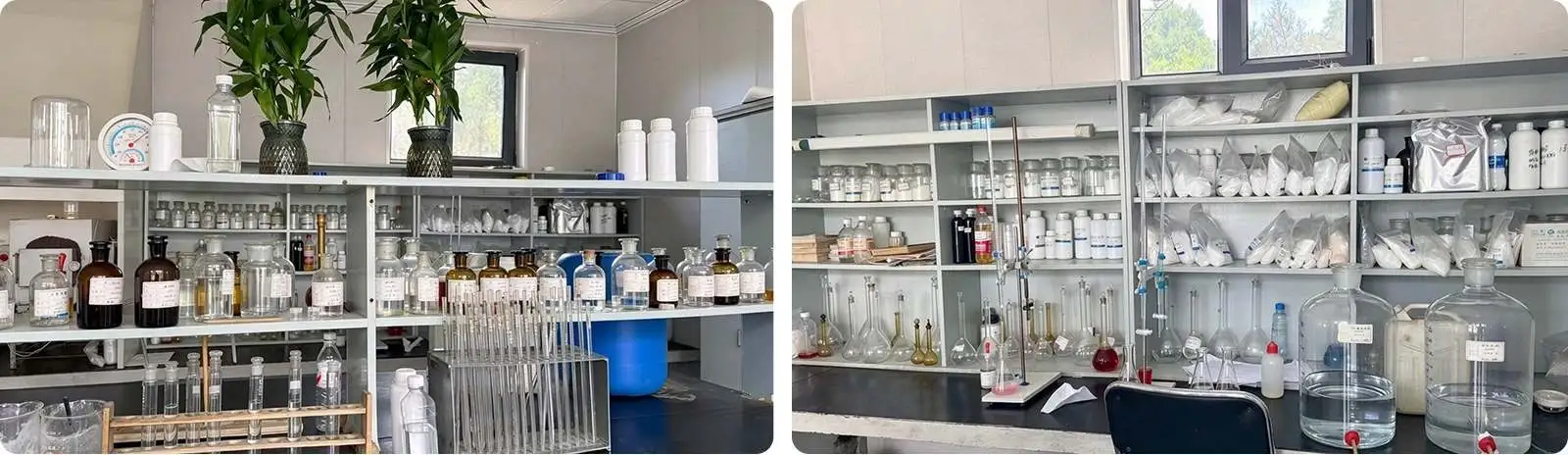
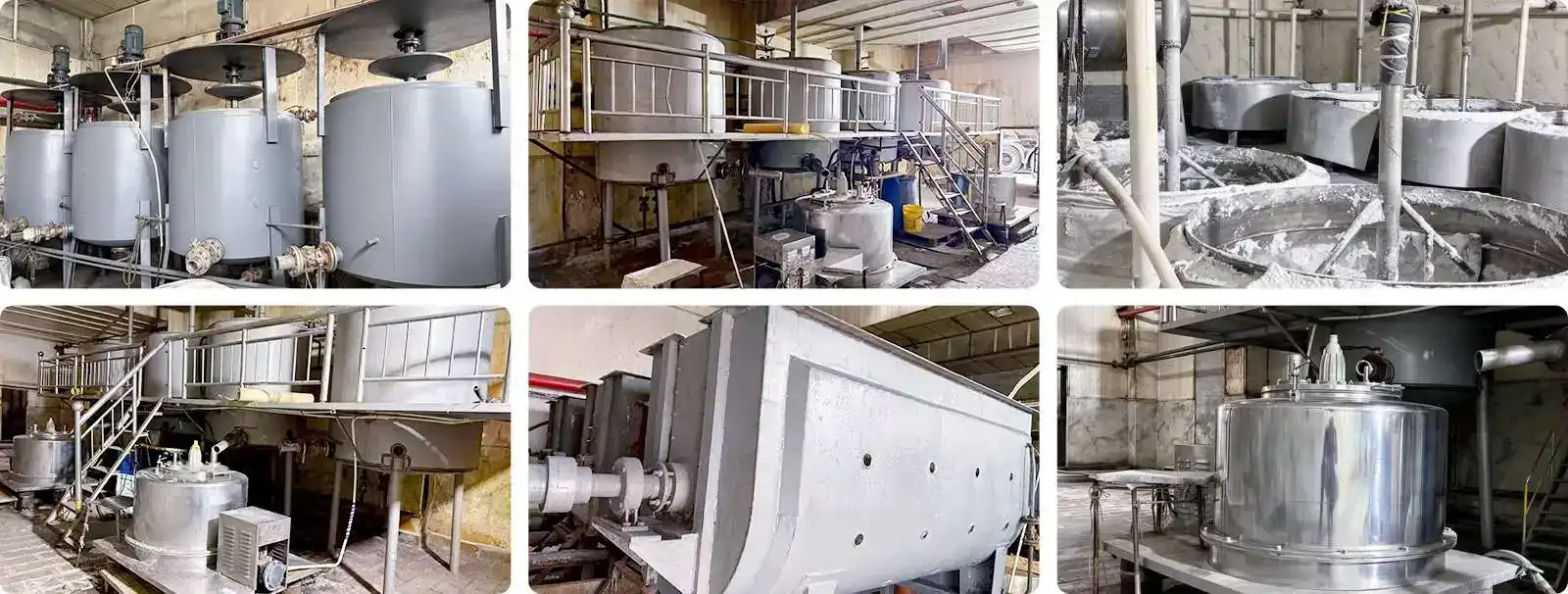
Find out if the business sells other people's things or makes its own. These salts have been made by SHANXI ZHAOYI CHEMICAL since 1988. Sixty people work at the 27,000 m² company. This group includes sodium acetate, potassium acetate, zinc acetate, potassium formate, sodium formate, sodium diacetate, carbon sources that work together, and substances that melt snow. The acetate line only has one thing that can't handle 150,000 tons per year. You can trust us because we have the ISO 9001 and ISO 14001 marks. See what each provider's certificate number, limit, and expiration date are. Check to see if you can use the lab equipment and do checks. Also, plan what you'll do if you run out of materials or the factory shuts down.
Evaluate Packaging and Storage Terms
The goods are kept safe in their boxes while they are being shipped by sea in the winter. Woven bags that weigh 25 kg and have a plastic liner are used to store them, or 1,000 kg bags are used instead. We can also put together pallets and make labels for you if you ask. Check that the type you pick will work with what you have. You can spread out the 25 kg bags by yourself or with a few other people. If you need to move a lot of trash, the ton bags are better. Before you send, make sure the crates are stable, and the bags, labels, and batch marks are strong. Put the bags away in a cool, dry room with good airflow after closing them. If the crystals get wet, they will melt. Ask each company what they do when they get reports of water damage and accumulation of ice.
Check Lead Times, Shipping Terms, and Seasonal Supply
Things don't just matter the price in the winter for Snow Melting Solid Potassium Acetate because they move quickly. It's also how well you deliver. For everyday items, we keep them in stock in case a few small or medium-sized orders come in. We say it will take 5 to 7 business days to make. There are three ways to pay us: FOB, CIF, or DAP. We load our goods in Shanghai, Lianyungang, or Qingdao. Do the same thing for all of your service companies. It should also take a certain amount of time for the ocean to get to your US port. What kinds of export papers do they offer? Can the goods be checked by a third party, such as SGS or BV? Most shipments arrive on time because the service says it will, so make sure you have enough before the due date.
Compare Suppliers, Test Samples, and Secure Supply
Score Suppliers With a Weighted Scorecard
A scorecard with different points makes sure that everyone has a fair chance to choose. You should rate each supplier on how good their products are, how well they deal with corrosion and the environment, how much they can make, how well they document and package their products, how well they handle logistics, how fair their business terms are, and how good their technical support is. Things that could hurt your site the most should get the most attention. Then don't just take the number that was given; find out how much it really costs. What does it cost to ship, store, handle, fix, and put on? Think about how that might change the cost of maintenance. After that, give the answer as the number of seasons or square metres that were dealt with. An easy way to compare potassium acetate and chloride salts is by their living costs. This is because potassium acetate costs more per ton. You shouldn't buy from a place that doesn't have batch certificates, bags that are clearly marked, or prices that you can't explain. All of these are signs to be careful.
Request Samples and Run a Field Trial
When you ask for a sample of the product, make sure you get one that has an analysis certificate, the batch number, the date it was made, and information on how it was packed. We'll give you test copies and help you with your application for free. Pay close attention to the test, just like you would a real storm. Write down the temperature of the air and the sidewalk, the thickness and amount of the ice, how long it took to melt, how long it took to freeze again, what was left over, and any effects it had on the road or equipment. You should be able to compare it to at least one other option besides the sample. You should send any claims about corrosion, the environment, or flying that make you change your mind to a different lab. Next, write an approval report that includes everything you learned from the plant visit, results on shipping, supply risks, and tests.
Negotiate a Supply Agreement That Protects Your Season
Be clear about what you want, how much you're willing to pay, how the goods will be tested and packed, how much of an order you need, how much it will cost, when it will be shipped, how payment will be made, and how claims will be handled. Before the changes happen, they should be told about any changes to the packaging, raw materials, production site, process, or specs. Before the item is sent out, it should be checked again if the change could make it less good. You need to make plans, set goals, and keep a list for safety before the season starts. These things are the most important for cities, airports, and service-based distributors. Write down the names of people who can help you with tech problems and complaints as well. That way, your staff will know who to call when it rains.
Match the Supplier to Your Business Model
Which supplier is best for you will depend on how you buy and use the goods. It's important for an airport to be able to track packages, work with different types of equipment, and send packages in the winter. For people who work in cities and factories, how well does it work when it's cold outside? How much does it cost to treat each area? How easy is it to put away? Find out how much shipping costs, whether they have the right paperwork to ship, and whether they can place any size order. If someone wants to buy as an OEM, they should ask for labels, specs, and package forms that are made just for them. All of these things are something we can help you with. People who like to put things in bags and let machines spread them out should do well in school. We have 50% potassium acetate liquid that can be used for pre-wetting and spray treatments. Just mix it with water to use it.
Conclusion
There must be proof at every step for Snow Melting Solid Potassium Acetate(CAS NO.: 127-08-2) if you want to trust a big company that sells solid potassium acetate. If they know what the job is for, the amount, and the weather, they can give you a quote. The right CAS number (127-08-2), the batch proof of analysis, and the specs all show what's in the bag. It's important to check that the promises about performance, rust, and the environment are correct for each grade and surface. A 50% potassium acetate solution is reported to have a freezing point of -59.4°C. This value applies to the liquid solution and should not be used as the freezing point of solid potassium acetate. How the item was made, packed, stored, and shipped, as well as the time of year when it is available, affects your chances of getting it on time and in good shape. The weighted evaluation used in these checks is made up of three things: price, sample tests, and a written supply agreement. They are now fair and can be used again and again.
FAQ
Is solid potassium acetate suitable for snow and ice melting?
Potassium acetate is used to melt snow and ice at airports, on roads, and on bridges. How well it works relies on the area, the temperature, and the amount that is used. Get some test data and give it a shot.
Which documents should I request from a supplier?
For the newest batch, ask for a proof of analysis, a safety data sheet, and a list of all the specs. We can give them to you in any language you want.
How should I store it?
Put the bags in a dry place with good airflow that is away from heat and water. If possible, seal the bags. Also, don't let anything damage them. If you open the bag and then close it again, the crystals will take in water from the air.
Do they corrode less than chloride salts?
They don't damage steel and concrete as much, so most people choose de-icers made of acetate over ones made of chloride. Even in the best weather, corrosion can still happen over time and in large amounts. Make sure the things you want to buy have been tested.
Request a Bulk Snow Melting Solid Potassium Acetate Evaluation Package
You want to find a business that makes Snow Melting Solid Potassium Acetate(CAS NO.: 127-08-2) and can get back to you in two hours with technical questions. Send your application, the amount of material you need each year, the delivery port, and any other documents you need to sxzy@sxzhaoyi.com. A batch certificate of analysis, safety and technical data sheets, and lead times will be sent to you. We'll also tell you how to package your bulk order. We can store 150,000 tons of acetate every year, and we offer 25 kg or 1,000 kg packaging to make sure there is a steady supply. Go to sxzhaoyi.com to find out more.
References
1. Transportation Research Board, NCHRP Report 577: Guidelines for the Selection of Snow and Ice Control Materials to Mitigate Environmental Impacts, 2007.
2. Fay, L. and Shi, X., Environmental Impacts of Chemicals for Snow and Ice Control: State of the Knowledge, Water, Air, & Soil Pollution, 2012.
3. Federal Highway Administration, Manual of Practice for an Effective Anti-icing Program: A Guide for Highway Winter Maintenance Personnel, 1996.
4. Federal Aviation Administration, Advisory Circular 150/5200-30D: Airport Field Condition Assessments and Winter Operations Safety, 2014.
5. Occupational Safety and Health Administration, Hazard Communication Standard, 29 CFR 1910.1200, 2012.
6. International Organization for Standardization, ISO 9001: Quality Management Systems — Requirements, 2015.

USER EVALUATE
Here is the customer's evaluation of us