



Can Potassium Acetate Deicer Reduce Road Corrosion and Snow Removal Costs?
Yes — and the evidence is strong. Deicing liquid potassium acetate (CAS 127-08-2, CH₃COOK) is a non-chloride, liquid anti-icing agent that depresses the freezing point of water down to -60°C. Unlike rock salt or calcium chloride, it does not attack concrete rebar or steel infrastructure. Municipal authorities and highway contractors across the United States are switching to acetate-based deicers precisely because lower corrosion damage translates directly into reduced repair budgets and fewer treatment cycles over an entire winter season.
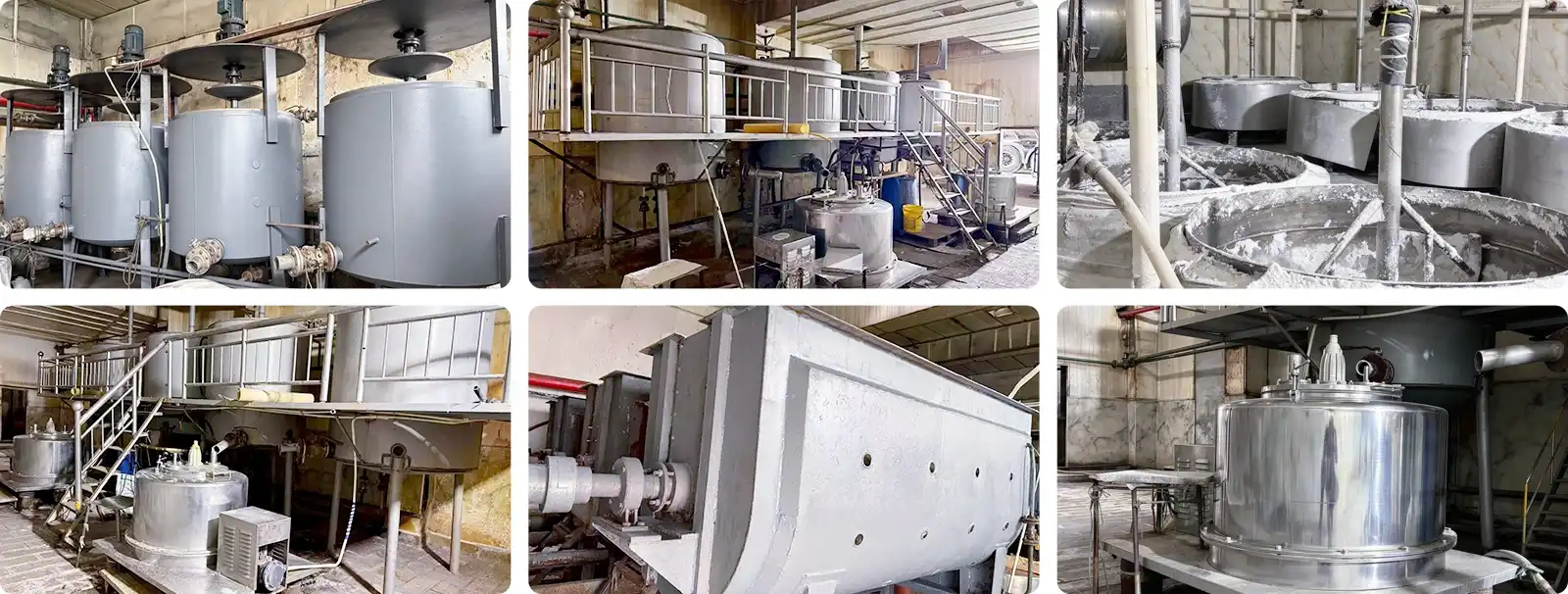
Understanding Potassium Acetate Deicing Liquid and Its Role in Road Maintenance
Chemical Composition and Key Physical Properties
The liquid form of potassium acetate (CH₃COOK) is typically clear. Its pH depends on the concentration and formulation. It is usually made at a strength of 50 to 60% (w/w). Its molar mass is approximately 98.14 g/mol. It has a specific gravity of 1.25 to 1.30 at 20°C. It may be slightly alkaline; the actual pH should be confirmed using product-specific specifications or test data, which keeps pavement from being damaged by acid. Because of these things, it is thick enough to cut through ice, but it doesn't freeze during very cold weather.
How Does It Break Ice Bonds?
Potassium acetate lowers the point at which something freezes. When the solution touches ice, Potassium acetate lowers the freezing point of water by dissolving into potassium ions (K⁺) and acetate ions (CH₃COO⁻), thereby disrupting the formation of ice. This keeps the crystals from forming again. It can be used as both a pre-treatment anti-icing agent and a reacting deicer because it starts to work right away. After it's been put down, mechanical plows can clear the roads faster and better because the salt doesn't turn into slush.
Why Road Maintenance Teams Are Adopting It?
Officials who check on infrastructure and those who oversee the environment are putting more stress on people who maintain roads. Stats from the Federal Highway Administration show that regular rock salt speeds up the rusting of steel rebar and the scaling of concrete. It costs about $5 billion a year to fix these issues in U.S. cities and towns. Ice melters that are made from acetate don't hurt that pathway in any way. The fact that potassium acetate breaks down on its own also makes it easier to follow flood rules. This helps environmental service teams do their jobs.
Evaluating the Impact on Road Corrosion and Snow Removal Costs
The Hidden Cost of Chloride-Based Deicers
Sodium chloride (NaCl) is inexpensive per ton, but its potential corrosion-related costs can reduce the overall savings. The steel that is buried in the concrete starts to rust when chloride ions get into the tiny cracks of the concrete. This causes cracks and chips to form, and eventually the structure breaks. As per the American Concrete Institute, bridge decks in cold states break down too quickly because of rust caused by chloride. It is much more expensive to buy a new deicer than to fix and replace an old one.
How Potassium Acetate Reduces Long-Term Expenditure?
Using a deicer that doesn't have salt in it makes a big difference in the total cost. These steps have been shown to bring down prices:
- Lower treatment frequency: Potassium acetate adheres better to pavement than brine, so pre-treatment before a storm event reduces the volume needed during active snowfall. Fewer truck passes mean lower fuel and labor costs per storm event.
- Reduced infrastructure repair cycles: Studies published by the Transportation Research Board show that bridge decks treated exclusively with acetate-based deicers showed no measurable rebar corrosion after ten winter seasons, compared with significant section loss in chloride-treated control decks.
- Equipment longevity: Spray trucks, automated bridge deck systems, and plow blades last longer when they are not repeatedly exposed to chloride solutions, reducing fleet maintenance budgets.
It is important to remember that these savings add up over several seasons, which makes a strong case for why deicing liquid potassium acetate costs more per liter when it is first bought.
Real-World Application Evidence
It is airport operators who have pushed for potassium acetate to be used to treat the runways because chloride can damage aircraft alloys, especially those made of cadmium and magnesium. For commercial airport runway deicers to meet the SAE AMS 1435 standard, they must be made without chloride and be able to pass the strict ASTM F 483 total immersion corrosion tests. The cost of keeping the runways at several big U.S. airports has gone down since they switched from urea-based products to potassium acetate liquids.
Comparing Potassium Acetate with Alternative Deicing Solutions
Sodium Chloride and Calcium Chloride
Most people in the US still use rock salt to melt snow and ice on the roads because it is cheap. The temperature range it works in is pretty small, though. Below -9°C, it stops working very well. Even though calcium chloride (CaCl₂) cools that range down to about -29°C, it still adds a lot of chloride to drainage systems and the ground nearby. Both of these items don't do as well in corrosion tests for steel and concrete as acetate options.
Calcium Magnesium Acetate (CMA) and Glycols
Calcium magnesium acetate (CMA) is an acetate-based deicer that can be considered for applications where reducing chloride use is a priority. The only bad thing about it is that it is less useful below -9°C and doesn't work as well as liquid potassium acetate. Glycol-based runway deicers, such as propylene glycol (C₃H₈O₂) and ethylene glycol (C₂H₆O₂), have a high biological oxygen demand (BOD) load. This means that rivers that receive them are put under a lot of stress and can break the rules for Clean Water Act release permits.
Where Potassium Acetate Stands Out?
Liquid potassium acetate (CH₃COOK) can provide deicing performance at low temperatures, depending on its concentration and application conditions, without introducing chloride ions as part of the compound itself. It breaks down quickly and doesn't release dangerous nitrogen chemicals like urea does. The product's chloride content and biochemical oxygen demand (BOD) should be verified using product-specific laboratory data. When it comes to protecting valuable assets like bridge decks, airport runways, and city streets, this product consistently ranks as the best option for procurement managers who have to balance performance, environmental compliance, and protecting infrastructure.
Procurement Strategies for Potassium Acetate Deicing Liquid in B2B Markets
Supplier Vetting Criteria
When sourcing acetate deicers at scale, procurement teams should verify the following before placing bulk orders:
- ISO certifications: Look for ISO 9001 (quality management), ISO 14001 (environmental management), and ISO 45001 (occupational safety). SHANXI ZHAOYI CHEMICAL holds all three, plus KOSHER and HALAL certifications for product integrity.
- Production capacity: Confirm the supplier can cover your seasonal volume. A production shortfall mid-winter creates operational risk. SHANXI ZHAOYI CHEMICAL operates at 150,000 tons annual capacity, which supports large municipal and contractor contracts.
- Test documentation: Request Certificates of Analysis (CoA) confirming concentration, pH, specific gravity, and trace metal levels before each shipment.
Choosing a verified deicing liquid potassium acetate manufacturer with documented quality controls protects both procurement budgets and contract obligations.
Packaging and Logistics Options
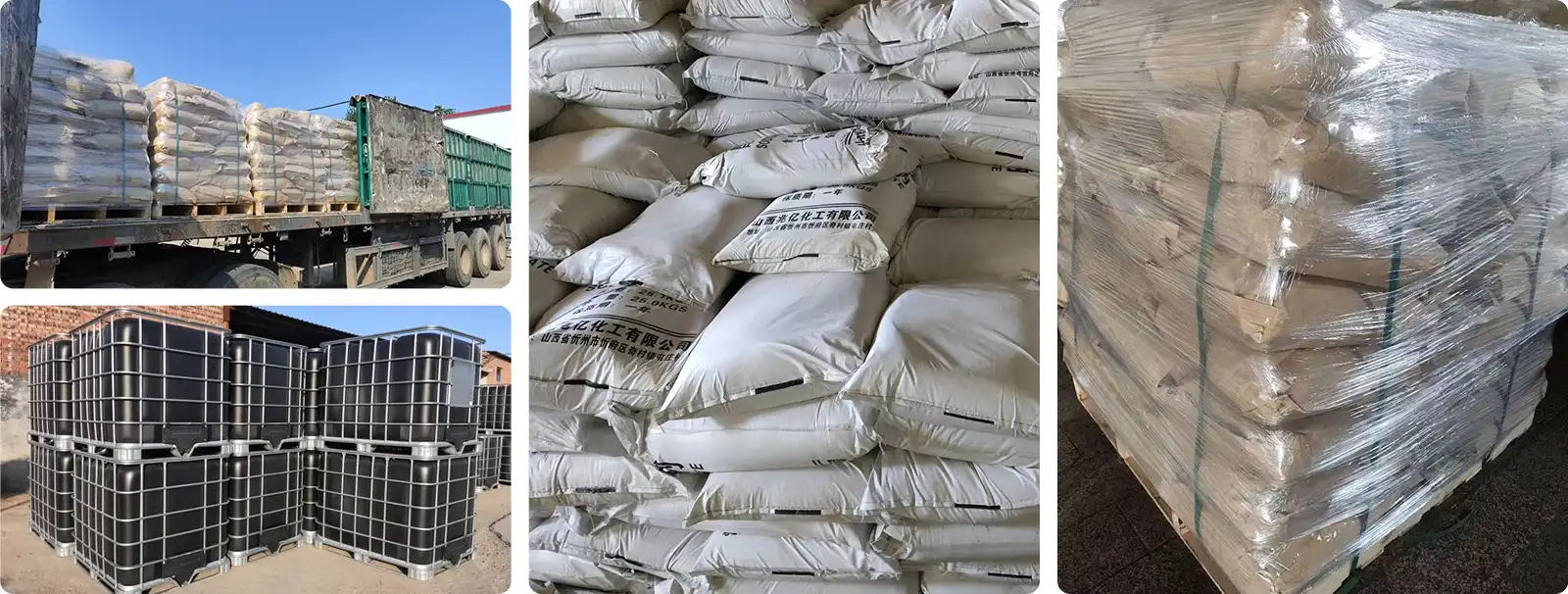
SHANXI ZHAOYI CHEMICAL ships in 1000L IBC tanks for bulk road applications and in flexitanks for container shipping. Standard production lead times run 5–7 working days, with 24-hour dispatch available for in-stock inventory. The company supports FOB, CIF, and DAP trade terms, giving U.S. buyers flexibility in managing freight and customs.
Storage and Documentation Requirements
Store potassium acetate liquid in dry, ventilated warehouses, away from heat and moisture. Compatible storage containers include stainless steel (304/316) and high-density polyethylene (HDPE). Keep the product segregated from toxic substances. For cross-border shipments, ensure your supplier provides a Safety Data Sheet (SDS), CoA, and applicable regulatory compliance documentation for EPA and state environmental discharge requirements.
Storage, Safety, and Environmental Considerations
Safe Handling Practices
Potassium acetate liquid doesn't catch fire (flash point >100°C), and small amounts aren't very dangerous. Gloves and eye protection that come with most jobs are enough for daily tasks. Do not put it near strong oxidizing agents or other things that do not work well with it. You should use absorbent materials and containment berms to keep water from running into storm drains as part of your spill containment plan.
Environmental Profile and Regulatory Compliance
Under suitable aerobic conditions, the acetate component can undergo biodegradation. Its environmental impact should be assessed using relevant test data. This is a big plus compared to deicers that are based on urea. It helps cities and towns across the U.S. meet the standards of their National Pollutant Discharge Elimination System (NPDES) permits because its low BOD keeps oxygen levels in nearby waters from dropping too low. EU users will find that it meets EN 15428 standards for chemicals used to melt ice on airport runways.
Long-Term Environmental Stewardship
Over time, the amount of chloride in the groundwater, the health of the plants next to the road, and the soil conductivity all get better when road repair programs switch from chloride salts to acetate-based deicers. Cities and towns can show ratepayers and regulators that they are good stewards and meet environmental reporting standards if they keep track of these things.
Conclusion
When it comes to winter care, those in charge of roads and purchasing have a clear choice: they can keep spending money on reactive chloride treatments and the fixes they need to structures, or they can buy a deicer that doesn't use chloride and protects infrastructure from the start. deicing liquid potassium acetate slows down the damage that chloride does to roads and bridge decks, and it also lowers the overall cost of snow removal over several seasons. Changes like these are backed up by information from airport and transportation companies. It makes sense and saves money to switch to acetate-based winter maintenance if you get your acetate from the right place and store it properly.
FAQ
Is potassium acetate safe for use near vegetation and waterways?
Yes. Potassium acetate biodegrades rapidly and has a significantly lower BOD compared to glycol deicers. It does not release toxic nitrogen compounds like urea. Responsible application rates following manufacturer guidelines minimize runoff loading to adjacent waterways and roadside soils.
Can it replace sodium chloride in existing spray systems?
In most cases, yes. Potassium acetate liquid works with standard tanker spray booms and Fixed Automated Spray Technology (FAST) systems. Verify nozzle compatibility and system calibration with your supplier before the first application season.
What is the shelf life?
Stored in sealed, compatible containers (HDPE or stainless steel), potassium acetate solution maintains product integrity indefinitely. Annual re-certification of pH and concentration is advisable after two years of storage.
What is the minimum effective operating temperature?
The freezing point of SHANXI ZHAOYI's formulation reaches -60°C. Practical active deicing effectiveness extends to approximately -29°C to -35°C depending on dilution from precipitation and application rate.
How does it compare to calcium magnesium acetate for road applications?
Potassium acetate liquid acts faster, performs at lower temperatures, and integrates better with automated spray systems than solid or slurry CMA. For high-traffic roads and airport runways requiring rapid ice removal, it is the more effective choice.
Partner with SHANXI ZHAOYI CHEMICAL for Your Deicing Supply Needs
SHANXI ZHAOYI CHEMICAL has been making acetate goods since 1988 and has ISO 9001, ISO 14001, and ISO 45001 certifications. They can make up to 150,000 tons of them every year. People in the United States who work for cities, airports, or highways can use our deicing liquid potassium acetate provider services. We can supply you in bulk; our trade terms are flexible, and we're here to help you 24 hours a day, seven days a week. To get a sample and talk about how much you need each year, go to sxzhaoyi.com or email our team at sxzy@sxzhaoyi.com.
References
1. Federal Highway Administration. Manual of Practice for an Effective Anti-Icing Program. U.S. Department of Transportation, 1996.
2. Transportation Research Board. Chloride-Induced Corrosion of Steel in Concrete. National Academies Press, 2009.
3. American Concrete Institute. ACI 222R-01: Protection of Metals in Concrete Against Corrosion. ACI Committee 222, 2001.
4. SAE International. AMS 1435D: Fluid, Generic, Deicing/Anti-Icing Runways and Taxiways. SAE International, 2012.
5. Levelton Consultants Ltd. Guidelines for the Selection of Snow and Ice Control Materials to Mitigate Environmental Impacts. Transportation Association of Canada, 2007.
6. Fischel, M. Evaluation of Selected Deicers Based on a Review of the Literature. Colorado Department of Transportation, 2001.

USER EVALUATE
Here is the customer's evaluation of us