



Choosing a Reliable Solid Potassium Acetate Supplier for Winter Contracts
Sourcing the right deicing solid potassium acetate(CAS NO.: 127-08-2) supplier before winter arrives can determine whether your operations run without interruption or face costly delays. This guide walks purchasing managers, infrastructure contractors, airport operators, and chemical distributors through everything they need to know — from understanding the chemistry behind potassium acetate ice melt to evaluating supplier credentials for bulk winter contracts. Whether you manage municipal roads, airport runways, or industrial facilities, the decisions you make in procurement now will directly affect safety outcomes and budget control through the entire cold season.
Understanding Solid Potassium Acetate as a Deicing Solution
With a molar mass of approximately 98.14 g/mol, this compound is a white crystalline solid. Its CAS number is 127-08-2. Because it's easily broken down by water, acid, and alcohol, it can be used to de-ice roads and runways in temperatures as low as -30°F (-22°C). Rock salt doesn't work at these temperatures.
How It Melts Ice?
Potassium acetate crystals melt in water on a frozen surface, giving off heat in a process called exothermic dissolving. This way, you don't need a machine to break the bond between the ice and the sidewalk, so the surface can be cleared much faster. Its eutectic point drops to -60°C, which gives it a lot of room to move when it's very cold.
Environmental and Safety Profile
Because they break down naturally, potassium acetate deicers are better for plants, rivers, and bodies of water than chloride-based deicers. Biochemical oxygen demand (BOD) associated with acetate-based deicers should be evaluated against that of urea using comparable test conditions and supporting data. This is a big plus for following the rules near rivers and protected areas.
Infrastructure Protection
One of the best things about it is that it doesn't rust. Plain rock salt damages steel rebar in concrete, shortens the life of car suspensions, and damages airplane landing gear. The compatibility of potassium acetate with carbon brakes, aluminum alloys, and concrete should be evaluated using product-specific test data and the applicable SAE AMS 1431 requirements.
Comparing Potassium Acetate with Other Popular Deicing Chemicals
Procurement teams regularly weigh potassium acetate (CH₃COOK) against calcium chloride (CaCl₂), magnesium chloride (MgCl₂), sodium acetate (CH₃COONa), rock salt (sodium chloride, NaCl), and ethylene glycol (C₂H₆O₂). Each chemical serves different temperature ranges, infrastructure tolerances, and regulatory environments.
Performance and Temperature Range
Rock salt (sodium chloride) loses effectiveness below -9°C and causes serious corrosion. Calcium chloride works to around -29°C but is mildly corrosive and can damage concrete at high concentrations. Magnesium chloride is widely used on highways but leaves residue that attracts moisture. Potassium acetate matches calcium chloride's low-temperature performance while avoiding chloride-related damage entirely.
Infrastructure and Environmental Cost
Ethylene glycol is used at some airports but carries significant toxicity risks for aquatic life and requires costly containment infrastructure. Urea, another airport-sector deicer, releases ammonia during breakdown and contributes to eutrophication in nearby water bodies — a growing regulatory concern under U.S. Clean Water Act guidelines. deicing solid potassium acetate avoids both issues and is fully biodegradable.
Cost and Sector Fit
Rock salt remains the lowest-cost option per ton, but total cost of ownership shifts when factoring in infrastructure repair, environmental compliance fines, and liability from surface degradation. For airports, bridge decks, parking structures, and eco-sensitive zones, potassium acetate offers a better cost-benefit balance over a full winter cycle.
How to Choose a Reliable Solid Potassium Acetate Supplier for Your Winter Contract?
You should look for more than just price per ton in a supplier. For a source to be truly reliable, it must meet all of your needs at the same time, such as quality, transportation, and legal obligations. When a procurement team signs a winter supply deal, these are the main things they should look at.
Let's talk about the specifics first. The most common reason why winter chemical contracts don't work out is that there are supply problems during times of extreme cold. Before you place a big order, find out how big your supplier's building is and how much they can make.
- Purity and Technical Specifications: Confirm that the supplier guarantees a minimum potassium acetate (CH₃COOK) content of ≥99.0%, with water-insoluble matter ≤0.05%, chloride content ≤0.2%, and Ferrum(Fe) content ≤0.05%. These parameters directly affect melting efficiency and surface safety. Ask for batch test certificates (COA) as standard, not on request.
- Certifications and Compliance: ISO 9001 (quality management), ISO 14001 (environmental management), and ISO 45001 (occupational safety) are baseline requirements for credible industrial suppliers. For aviation sector buyers, SAE AMS 1431 compliance is non-negotiable. Kosher and Halal certifications may matter for dual-use buyers in food-adjacent industries.
- Supply Capacity and Lead Times: A supplier with an annual production capacity of 150,000 tons provides the volume assurance needed for large municipal or airport contracts. Confirm warehouse stock levels, minimum order quantities, and typical shipping lead times to the U.S. port of entry. Request references from prior winter season customers.
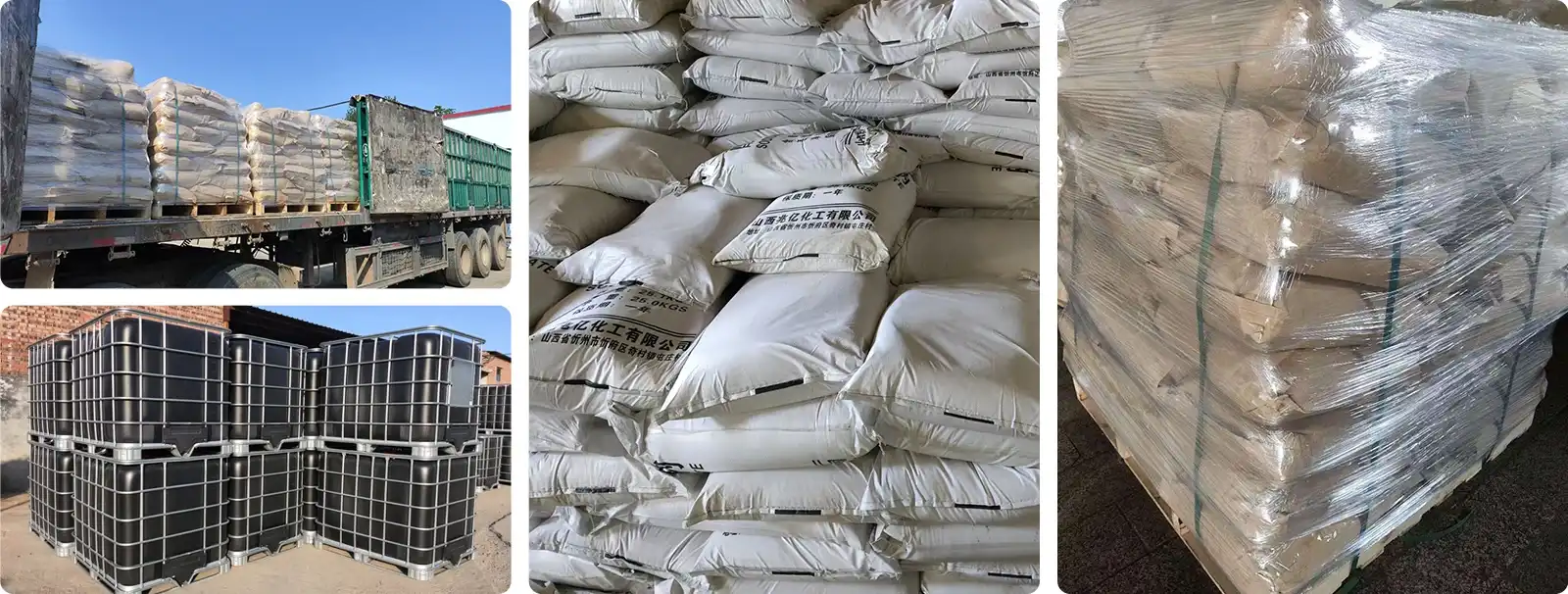
- Packaging Options: Verify that both 25 kg plastic woven bags and 1,000 kg ton-bags are available. Ton-bags reduce handling labor for bulk applications; 25 kg bags suit distributed storage depots. Some suppliers offer custom packaging, which is worth requesting for private-label distribution contracts.
These factors show which makers can keep a winter deal and which ones can't. Once you're sure about these points, you can move on to business talks. There, you'll have a better idea of where there is room for compromise.
Implementing Potassium Acetate in Winter Operations: Practical Insights
Even the best product doesn't work as well as it should when it's used the wrong way. For rollout to work, it's important to pay attention to timing, dosing, tool calibration, and storage conditions.
Application Timing and Dosing
Anti-icing, which means putting deicing solid potassium acetate(CAS NO.: 127-08-2) on surfaces before they freeze, uses about 30–40% less product than reactive deicing, which is done after the ice has formed. The best covering for airport operations comes from granular spreaders that are set up to match the particle size distribution given by the provider. Road crews from the city usually use 15 to 30 grams per square meter, but it depends on the temperature and amount of rain.
Storage and Handling
This ability to take in water from the air is known as hygroscopicity. Sometimes when things are stored incorrectly, they can "cake." This stops spreader tools from working and makes application less accurate. Store all of your goods in dry, well-ventilated warehouses that are away from heat sources and other things that don't belong there. Long-term items that need to be stored between seasons need to be packed in cases that can't leak or get wet.
Combining with Liquid Deicers
It's easier for solid potassium acetate crystals to stick to treated surfaces if you wet them with liquid potassium acetate first. This also cuts down on the amount of chemicals and trash that needs to be used. This method is now often used at major airports in the U.S. It makes each treated area less polluted.
Future Trends in Potassium Acetate Procurement and Application
Taking more care of the earth is becoming more important in the North American market for chemicals that melt ice. You can only get a certain amount of chloride into public waters in some U.S. states. This has sped up the change from goods made with salt to ones made with acetate. The FAA still says that acetate-based products are the best way to de-ice airport runways as part of its ongoing safety programs.
Regulatory Pressure and Green Procurement
Officials in charge of public and LEED-certified buildings want more and more proof that every product used for maintenance is safe for the earth. Potassium acetate is good for green purchasing because it breaks down on its own and doesn't hurt marine life. To make sure they are following the rules, buying teams need third-party safety data sheets from providers and environmental product declarations (EPDs).
Smart Application Systems
Automation systems are used at highway repair stations and airports to spread the dirt. Workers can use GPS and real-time weather information built into these tools to find their way. For these systems to work, the chemical provider needs to make sure that the size and amount of water in the granules are always the same. In other words, consistency from batch to batch is a must for the purchase and not a choice.
Long-Term Supplier Partnerships
Deals to supply goods for more than one year are replacing one-time purchases for a single season. These deals lock in product specs and shipping terms. They are more likely to be able to keep these contracts if they already have export infrastructure set up, global freight partnerships, and technology support teams that can move quickly.
Conclusion
To find the best potassium acetate supplier for winter activities, you need to do more than just look at product info sheets. During busy times, procurement teams need to look at guarantees of purity, production capacity, certifications, storage arrangements, and how well the product has worked in the past. deicing solid potassium acetate(CAS NO.: 127-08-2) is a great way to melt ice in factories, on roads, bridges, and airports. It's also good for the earth. If you work with a company that can show quality at every step and gets big orders to you on time, you can be sure that your business will run smoothly even when it's busy in the winter.
FAQ
Is potassium acetate safe for concrete and metal surfaces?
Yes. Chlorides are what rust metal and reinforced concrete buildings, but potassium acetate doesn't have any of them. Water corrosion tests were done on aluminum 7075-T6, steel, and magnesium alloys with formulations that meet SAE AMS 1431. The structures did not show any damage.
How long does potassium acetate continue melting ice after application?
As the temperature and rate of precipitation change, so does the amount of melting that happens after application. In normal conditions, potassium acetate stays active for four to eight hours. By speeding up the formation of the first brine, pre-wetting the grains with liquid acetate makes the action last longer.
What is a typical minimum order quantity for bulk B2B procurement?
Most companies that make industrial goods start their bulk prices at 1,000 kg, which is equal to one ton-bag. When airports or city governments sign big winter contracts, they often need 20 to 100 metric tons of goods shipped each time. Whenever you decide on contract numbers, you should always check wait times and warehouse availability first.
Can potassium acetate be used alongside other deicing agents?
Yes, liquid potassium acetate can be used to get it ready to be wet. However, mixing it with chloride-based products takes away from the fact that it doesn't corrode and is good for the environment. This is usually not a good idea for applications that involve sensitive infrastructure.
Partner with SHANXI ZHAOYI CHEMICAL for Your Winter Supply Needs
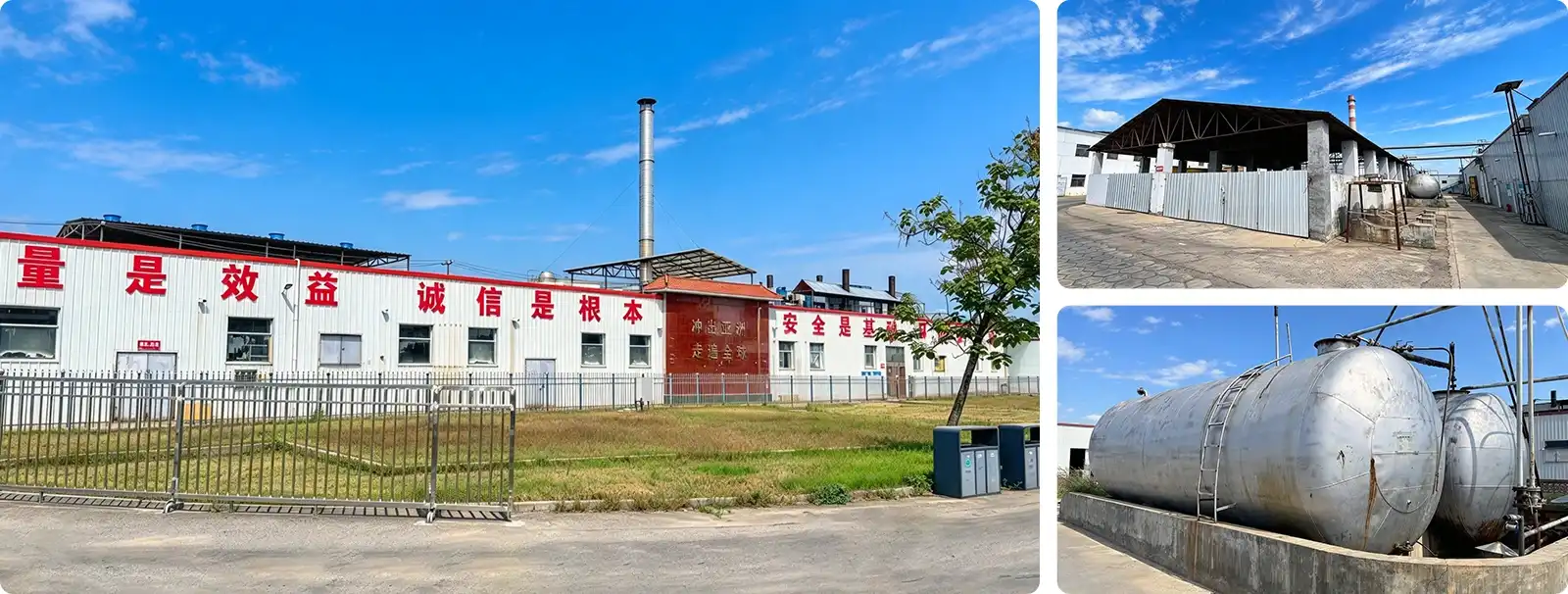
Since 1988, SHANXI ZHAOYI CHEMICAL has been making acetate goods and has ISO 9001, ISO 14001, and ISO 45001 certifications. Each year, it can make up to 150,000 tons of them. Our team of providers of deicing solid potassium acetate works with companies, airports, and towns all over North America and the world. You can get a product specification sheet or quote today by emailing sxzy@sxzhaoyi.com or visiting sxzhaoyi.com. We can also talk about bulk pricing, packing, and logistics for your winter contract.
References
1. Federal Aviation Administration. Airport Winter Operations: Deicing and Anti-Icing Guidelines. FAA Advisory Circular AC 150/5200-30D, 2016.
2. SAE International. Specification for Solid Runway and Taxiway Deicing/Anti-icing Chemicals. SAE AMS 1431D, 2019.
3. U.S. Environmental Protection Agency. Effluent Limitations Guidelines and Standards for the Airport Deicing Category. EPA 821-R-12-001, 2012.
4. Fischel, M. Evaluation of Selected Deicers Based on a Review of the Literature. Colorado Department of Transportation Research Branch, Report No. CDOT-DTD-R-2001-15, 2001.
5. Transportation Research Board. Guidelines for the Use of Chloride Deicers on Reinforced Concrete Bridge Decks. NCHRP Report 577, National Academies of Sciences, 2007.
6. American Concrete Institute. Guide to External Curing of Concrete and Protection from Deicers. ACI 308R-16, 2016.

USER EVALUATE
Here is the customer's evaluation of us