



Bulk Potassium Acetate Deicer for Transportation Infrastructure
When winter storm events threaten airport runways, highway bridges, and urban transit corridors across the United States, procurement teams need a deicer that performs without compromise. Deicing liquid potassium acetate(CAS NO.: 127-08-2) is a colorless, slightly acidic liquid formulated at 50–60% concentration. With a freezing point depression reaching -60°C (-76°F), it prevents ice bonding on critical surfaces while eliminating the structural corrosion risks associated with chloride-based salts. For B2B buyers managing winter safety at scale, it represents a technically sound, environmentally responsible procurement choice.
Understanding Potassium Acetate Deicing Liquid
Chemical Composition and Physical Properties
Potassium acetate (CH₃COOK) has a molar mass of approximately 98.14 g/mol. And a specific gravity of 1.25 to 1.30 at 20°C. It has a pH level of 7.5 to 9.2, which helps keep metal parts safe and evens out areas that are acidic. The liquid form of acetate quickly gets into snow and ice because it is dense and doesn't have much viscosity. For this reason, it's great to use as a spray solution before a storm.
How Does It Melt Ice at the Molecular Level?
Potassium acetate (CH₃COOK) dissolves into potassium ions (K⁺) and acetate ions (CH₃COO⁻), lowering the freezing point of water; the temperature at which the ice freezes drops. There is a big difference between how cold it is and how freezing the surface water is in this case. A study in Cold Regions Science and Technology says that acetate-based deicers work well at temperatures below -9°C, while sodium chloride (NaCl) stops working at those temperatures.
Liquid vs. Solid Deicers: Why Liquid Wins for Infrastructure?
It takes longer for granular products to work, and they don't cover as well as liquid ones. They work directly with spray systems that do the work for them, so there is less trash and less work to do. Food will last forever if it is kept in HDPE or stainless steel cases that are fully covered. This makes it easy for procurement managers who are planning seasonal stock to keep track of their supplies.
Why Choose Potassium Acetate Deicer for Transportation Infrastructure?
More and more airports, highway departments, and bridge maintenance companies across the U.S. are choosing runway deicers that are based on acetate, and for good reason. The performance difference between potassium acetate and chloride salts can be measured, and the budgets for maintaining infrastructure show it.
These are the key reasons why this product is the best choice for important transportation assets:
- Non-corrosive protection: Unlike calcium chloride (CaCl₂) or magnesium chloride (MgCl₂), potassium acetate does not attack aircraft aluminum alloys, concrete rebar, or steel bridge components. The FAA Advisory Circular AC 150/5370-10 and SAE AMS 1435 specification both reference non-chloride acetate fluids as the accepted standard for airfield pavement deicing, specifically because chloride ions accelerate galvanic corrosion in aircraft landing gear.
- Ultra-low temperature performance: The eutectic point at -60°C (-76°F) provides a safety margin that glycol-based and chloride-based products cannot match. In practice, effective anti-icing action holds down to approximately -29°C to -35°C under field dilution conditions, covering virtually all recorded U.S. winter temperature extremes.
- Low environmental burden: deicing liquid potassium acetate biodegrades aerobically and anaerobically without introducing nitrogen as part of the potassium acetate compound itself. Its biochemical oxygen demand (BOD) is significantly lower than urea [CO(NH₂)₂], which has been restricted or banned at several U.S. airports due to waterway oxygen depletion concerns.
Since these things happen, the total cost of buying goes down. Structures need fewer fixes when rust is low. If the BOD is lower, it will be easier to follow the rules. Less product is used per lane mile or runway when the action rate is faster.
Comparison with Conventional Deicing Agents
That being said, calcium chloride (CaCl₂) costs less per gallon, but it makes rebar rust faster and leaves a film that damages airplane brake parts. Magnesium chloride doesn't work well below -15°C, and research over a long period of time has shown that it can cause concrete to scale. Fluids made from propylene glycol work well, but they are pricey and hurt marine life more when large amounts of them run off. No other substance can find such a good balance between price, effectiveness, and government rules as potassium acetate does.
Bulk Procurement of Potassium Acetate Deicer: What B2B Buyers Need to Know?
Packaging and Logistics Options
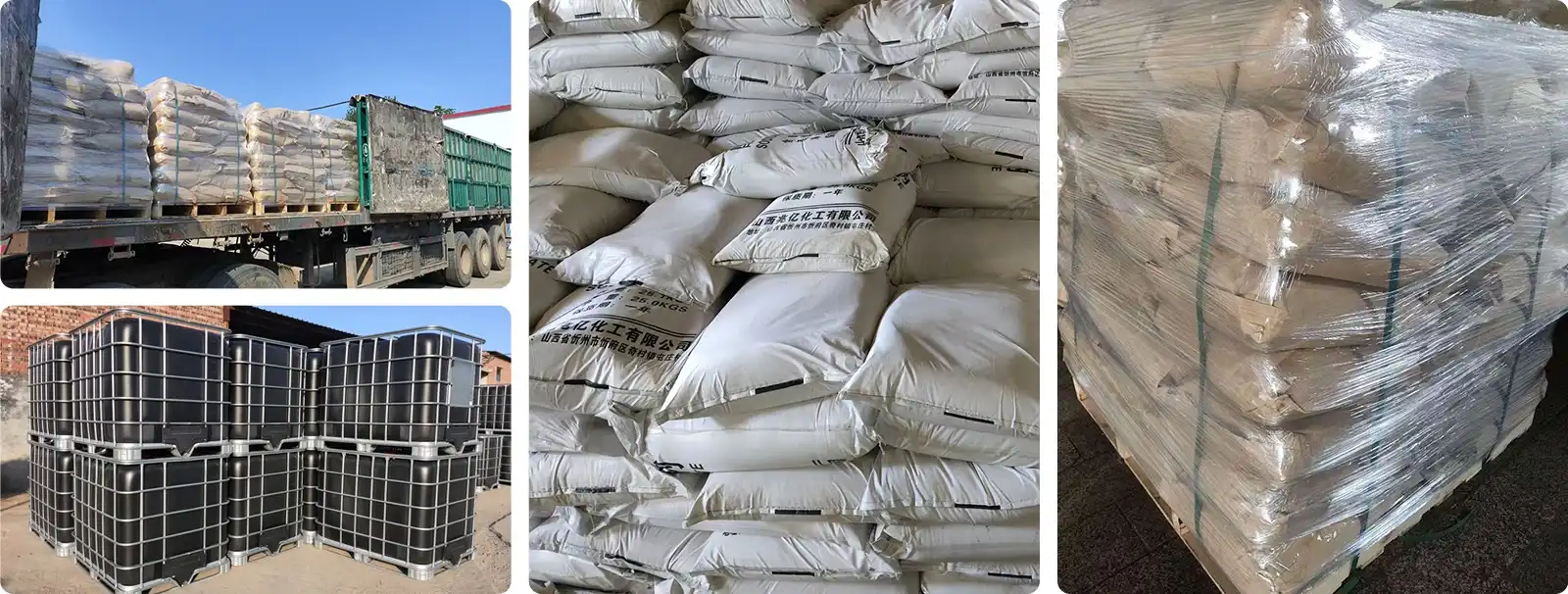
This deicing liquid is sold by SHANXI ZHAOYI CHEMICAL in 1000L IBC tanks for bulk use and in Flexibags for shipping in containers. Normal pumps that move liquids and truck spray booms can handle both types. Most items take 5–7 business days to be made, but things that are already in stock can be sent out faster—within 24 hours. As a way to handle different types of shipping and imports, the company uses FOB, CIF, and DAP as trade terms.
Quality Verification for Procurement
There are tests on every batch that comes from SHANXI ZHAOYI CHEMICAL to make sure it meets important standards. People who want to buy something should look for Certificates of Analysis (CoA) that say the pH is between 7.5 and 9.2, the chloride content is less than 0.01%, the heavy metal (Pb) content is less than 0.01%, and the potassium acetate (CH₃COOK) content is between 50% and 60%. For some uses, the company is certified by KOSHER and HALAL, as well as ISO 9001, ISO 14001, and ISO 45001. A U.S. airport owner should make sure that any supply deal they are about to sign meets SAE AMS 1435 standards before they sign it.
Selecting the Right Supplier
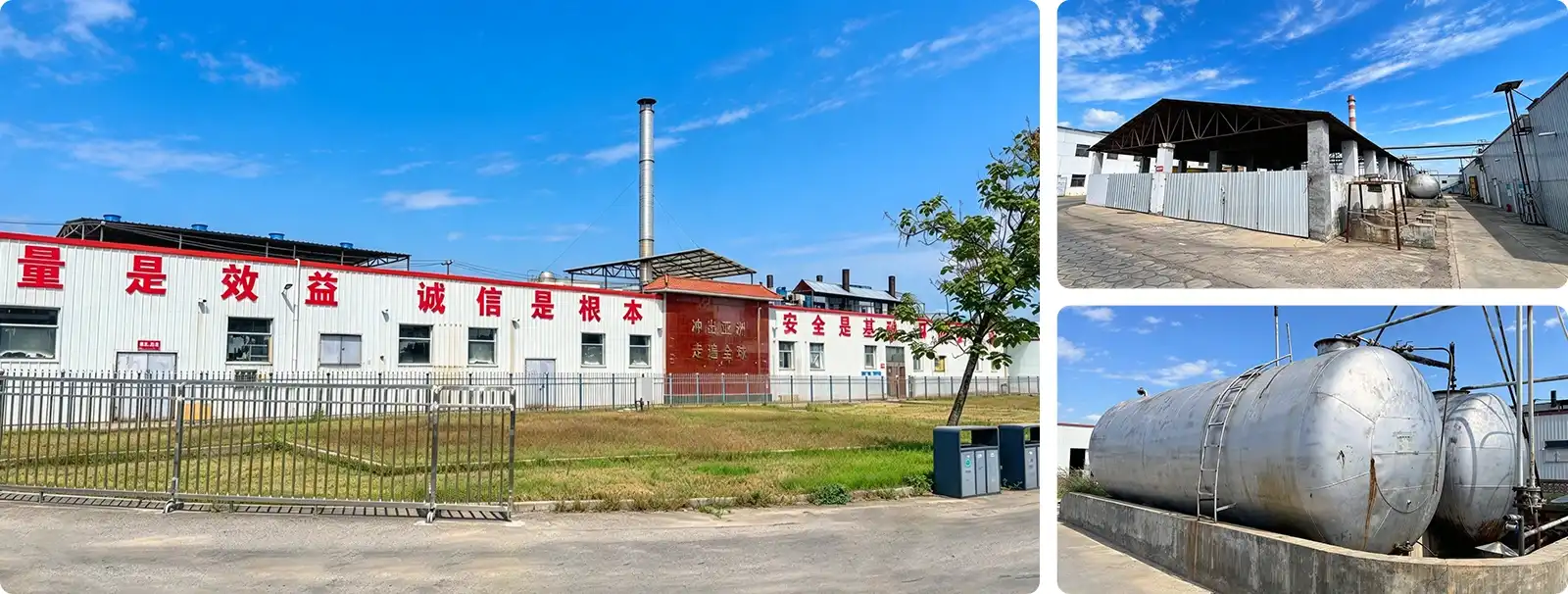
When picking a bulk potassium acetate source, purchasing managers should look at how much the seller can produce each year, how easy it is to track, and how well they can handle higher demand in the winter. Chemicals have been made by SHANXI ZHAOYI CHEMICAL since 1988, which is 36 years. Every year, it can make 150,000 tons of acetate. With such a large production base, the risk of supply disruption is much lower than with smaller-area carriers.
Environmental and Operational Considerations for Procurement
Regulatory Alignment in the U.S. Market
The EPA's Clean Water Act and state-level stormwater release permits make it harder to add chloride during winter upkeep work. A lot of cities and towns in the U.S. have made it so that bridges over sensitive areas can only be made of acetate. deicing liquid potassium acetate(CAS NO.: 127-08-2) is compatible with NPDES permit conditions that chloride salts can't meet because it doesn't pose a high risk to marine life and breaks down quickly.
Storage and Handling Best Practices
Store your things in dry, well-ventilated buildings that are away from direct sources of heat and wetness. Do not store things next to things that are dangerous or explosive. Carbon steel tanks that aren't lined with anything may turn a little brown after being in contact with the goods for a long time, so HDPE or stainless steel (304/316) tanks are better for long-term storage. If you store something for two years, you should check the concentration and pH again every year to make sure it is still good before you use it.
Workplace Safety Protocols
There is no fire risk with potassium acetate liquid (flash point >100°C), and it is not very dangerous. When doing transfer and spray work, it's best to wear normal PPE like gloves that can handle chemicals and safety glasses. Stormwater rules in your area say that spills should be cleaned up and soaked up with water before they are put away.
Future Trends in Potassium Acetate Deicing Solutions
Formulation Advances
Corrosion inhibitor packages in acetate formulations are getting better so that they can work with more metals and polymer seals. Because of these changes, the fluid doesn't need to be modified in order to be used on both roads and airports.
Automated Application Technology
More Fixed Automated Spray Technology (FAST) systems are being added to bridges, and more ATIS systems are being added to airports in the United States. Potassium acetate is a stable liquid that doesn't clog and can be dosed correctly. It works best in these devices.
Market Growth Drivers
All over the U.S., projects to fix up bridges and make airports bigger are moving faster thanks to programs like the Infrastructure Investment and Jobs Act. This makes it more important to have deicers that don't contain chlorine and meet certain standards. Cities are also being forced to buy acetate-based alternatives because of stricter state rules about chloride.
Conclusion
deicing liquid potassium acetate(CAS NO.: 127-08-2) is good for road infrastructure because it works well in hot weather, doesn't cause chloride rust, and breaks down naturally, which is what the U.S. government requires. When procurement managers at airports, highway agencies, and bridge authorities buy in bulk from a reputable company with quality records that can be tracked, they lower operational risk and regulatory exposure. Acetate has been made by SHANXI ZHAOYI CHEMICAL for 36 years. Serious B2B buyers look for companies with the production size and approval credentials that these companies have.
FAQ
Does potassium acetate deicer work at very low temperatures?
Yes. Because it freezes at -76°F (-60°C), it can be used in places where magnesium chloride and sodium chloride (NaCl) fail to freeze. In the field, active deicing that works best stays between -29°C and -35°C when rain is taken into account.
Is it safe for concrete and steel bridge infrastructure?
Since potassium acetate is not a chloride, it does not begin the electrolytic corrosion processes that weaken steel or cause concrete to scale. For a long time, studies and SAE AMS 1435 tests have shown that it works with metals and concrete.
What are the minimum order quantities and lead times?
When you buy in bulk from SHANXI ZHAOYI CHEMICAL, you usually have to wait 5–7 business days. Items that are in stock can be sent out at any time. Flexibags and 1000L IBC tanks can be used to pack things.
Can it be stored long-term?
Yes. Food can stay fresh for a long time in HDPE or stainless steel containers that are tightly sealed. The pH and concentration should be checked once a year for two years to make sure they meet the rules before they are used.
Is it compliant with U.S. environmental discharge regulations?
Potassium acetate breaks down quickly and has a low BOD profile. This means it can be used in most places in the U.S. where strict NPDES stormwater permit rules limit salt exposure.
Partner with SHANXI ZHAOYI CHEMICAL for Your Bulk Deicer Supply
Since 1988, SHANXI ZHAOYI CHEMICAL has sold fine-grade deicing liquid potassium acetate to people who own infrastructure in North America, Europe, and Asia. We make potassium acetate for direct deicing, and each year we can make up to 150,000 tons of it. Quality that has been checked, flexible logistics, and focused expert help are all things we give. Go to sxzhaoyi.com or email our team at sxzy@sxzhaoyi.com right now to get a quote for a sample, a COA, or a bulk supply that works for your winter operations.
References
1. Cold Regions Science and Technology — Elsevier, 2018.
2. Transportation Research Record: Journal of the Transportation Research Board — National Academies Press, 2020.
3. Journal of Materials in Civil Engineering — ASCE, 2019.
4. SAE AMS 1435 Revision D: Fluid, Generic, Deicing/Anti-Icing Runways and Taxiways — SAE International, 2022.
5. Environmental Science & Technology — American Chemical Society, 2017.
6. FAA Advisory Circular AC 150/5370-10: Standards for Specifying Construction of Airports — Federal Aviation Administration, 2021.

USER EVALUATE
Here is the customer's evaluation of us