



How to Compare Liquid Potassium Acetate Suppliers for Snow Melting
Comparing liquid potassium acetate suppliers for snow melting requires more than a quick price check. Procurement managers need to assess product concentration, freezing point performance, certification compliance, and supply chain reliability before committing to a contract. Snow melting liquid potassium acetate(CAS NO.: 127-08-2) works by depressing the freezing point of water down to -35°C or lower, making it far more effective than chloride-based salts in extreme cold. This guide walks you through every evaluation step to help you source with confidence.
Understanding Liquid Potassium Acetate for Snow Melting
What It Is and How It Works
The molar mass of potassium acetate (CH₃COOK) is approximately 98.14 g/mol, and it is typically a clear aqueous solution of potassium acetate (CH₃COOK). A 50–60% potassium acetate solution may provide low-temperature deicing performance, depending on the formulation and application conditions. Its freezing point should be verified using product-specific data. In other words, it keeps working after road salt stops working at -9°C. But liquid de-icers start to break down as soon as they touch ice, while solid de-icers need time to work.
Why It Outperforms Traditional De-icers?
When sodium chloride (NaCl) is used, it really eats away at steel rebar, concrete, and airplane parts. Potassium acetate (CH₃COOK) contains no chloride as part of its chemical formula; the product's actual chloride content should be confirmed by testing, and its biodegradability should be reported using results from a specified test method and test period. So it doesn't hurt nearby plants or water systems too much. The corrosion performance of potassium acetate solution should be evaluated using a specified test method and product-specific results. It's very important for airports, bridges, and parking garages to have this feature.
Core Industrial and Commercial Applications
It is very important to follow the strict rules for using liquid potassium acetate on airport runways and taxiways, such as AMS 1435. Aside from that, it works with FAST systems on bridge decks, which are needed because salt particles would damage the steel. Schools, hospitals, and business campuses use it to protect building surfaces and landscaping and to keep walkways safe in the winter.
Key Factors to Consider When Comparing Liquid Potassium Acetate Suppliers
Product Quality and Certification Standards
Make sure you get a full, thorough info sheet first. A trustworthy seller should make sure that the potassium acetate (CH₃COOK) concentration is within the specified range of 50–60%, the pH falls within the supplier's specified range, as confirmed by batch testing, the chloride level is less than 0.01%, and the lead (Pb) content is below the specified limit, as confirmed by the product CoA. When you get ISO 9001 certification, the controls for making things are always the same. When you get ISO 14001 certification, the controls for taking care of the environment are always the same. These certifications may also be important if you buy things from more than one place.
Supplier Reputation and Client References
You can learn more about a seller from what they've done in the past than from their products. Ask airport or city workers, or people who built roads, for names of people who have used snow melting liquid potassium acetate de-icer for at least two winters. Before you buy, ask the seller for proof that at -25°C, ≥85% of the snow melts in one hour. It's better to trust test reports from outside labs as well as data from inside the company.
Pricing Structure and Logistics Flexibility
There are a few important business things you should think about before you sign a supply agreement:
• Bulk pricing tiers: Check to see if the seller offers volume-based pricing for orders that are shipped in 1000L IBC tanks or Flexibags. If they do, see if the price per unit drops a lot as the amount you need goes up.
• Lead time and inventory: If you can keep safety stock on hand and have a production lead time of 5–7 working days, you are less likely to have supply problems during the busy winter months.
• Shipping partnerships: Suppliers who already work with freight companies can offer low shipping costs and reliable arrival times at U.S. ports of entry.
These things have a direct impact on how much everything costs and how well you can handle sudden weather.
Technical and Application Performance Criteria
Temperature Performance and Melting Efficiency
Snow melting liquid potassium acetate that works well should melt at least 85% of the snow in one hour at -25°C. When running an airport, this speed limit is important because runways need to be cleared quickly. If you want to compare goods, you should have a third party test them in a range of settings, not just when it's warm outside. When it gets cold below -35°C, buying products that can freeze makes things safer for purchasing managers during harsh winter events.
Compatibility With Automated Spray Systems
For FAST systems to work on highway overpasses and bridge decks, the fluid must have a constant viscosity and no particles that can't be broken down. If a product has a lot of bits in it, the spray nozzles will get clogged and need expensive fixes. Make sure the seller checks for materials that won't dissolve and tells you what the viscosity is like at different temperatures. It is necessary for automatic systems that the viscosity is low when the temperature is below zero.
Customization and Technical Support
The model needs to be changed sometimes so that it takes into account different types of infrastructure or weather. Responsible sellers tell you how to use their goods by talking about things like how to mix them, how to wet them first, and whether they will work with plastic or stainless steel storage tanks that are already in place. See if the supplier's knowledgeable staff can answer important questions about buying or using their goods in two hours or less. Your tactical readiness will depend on how quickly they can act.
How to Evaluate Supplier Strength and Long-Term Partnership Potential?
Manufacturing Capacity and Supply Stability
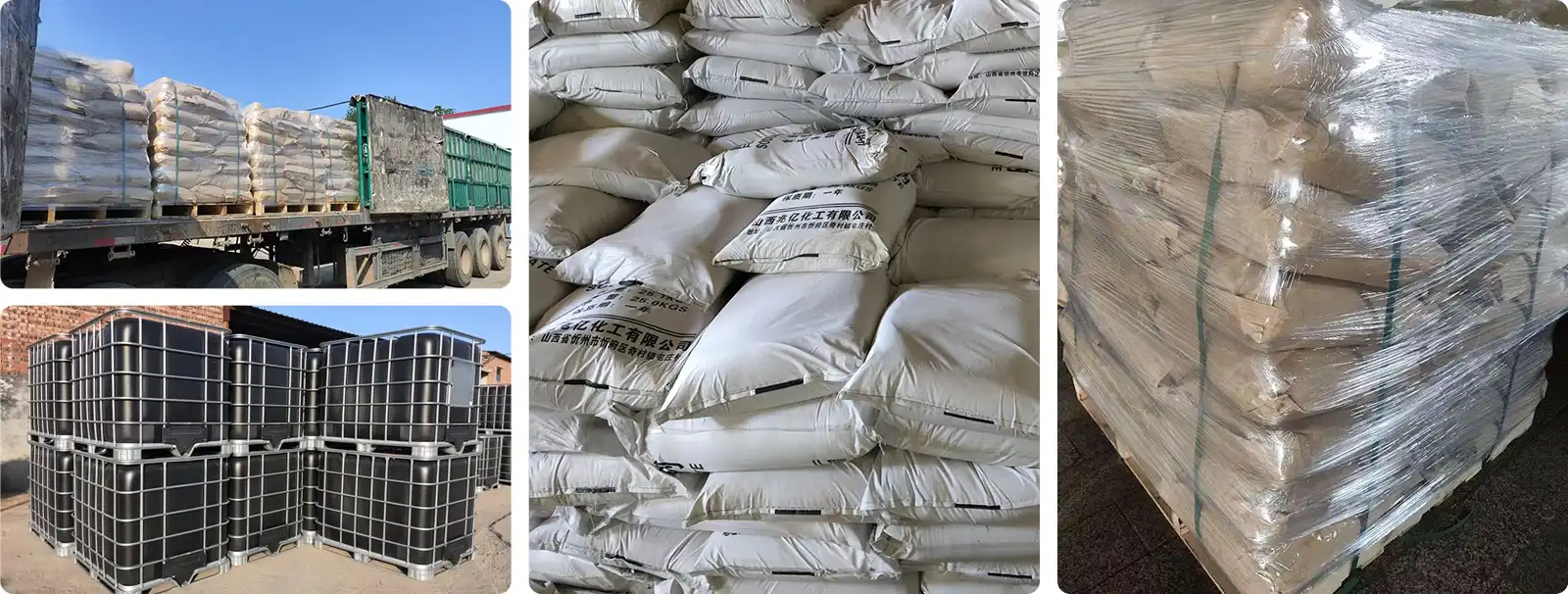
A supplier that can make 150,000 tons of acetate goods every year can handle demand spikes without having to change when they make the goods. At first, smaller manufacturers may offer good prices, but it can be hard for them to keep a steady supply of snow melting liquid potassium acetate(CAS NO.: 127-08-2) going all winter. Check to see if the building also has ISO 45001 certification for health and safety at work. In other words, they handle things safely, and there's a smaller chance that work will stop.
Certifications and Industry Recognition
Along with ISO approval, the product should also meet AMS 1435 rules if it is going to be used for activities at an airport. In order to meet this standard for aircraft materials, aluminum, carbon steel, and magnesium must be tested for corrosion while they are submerged in water. In a way that generic makers can't, suppliers who test to this standard show that they are sure of their goods.
Risk Management and Supply Chain Resilience
If two people want to buy something together for a long time, they need suppliers who can deal with shipping issues, changes in the cost of raw materials, and changes in demand. Ask about backup plans for your goods, different shipping routes, and contract terms that will protect you in the event of "force majeure." If a provider has been around since 1988 and has sent goods to Europe, the US, and Asia for more than 35 years, that means they know how to deal with these issues.
Making the Final Decision: Best Practices for Procurement Managers
Align Scope With Supplier Capabilities
Make a schedule of your seasonal volume needs and their production schedule before you choose a supplier. Most of the time, airports and city governments need firm supply promises before October. If you need a certain concentration, like 50% CH₃COOK instead of 60% CH₃COOK, make sure the supplier makes what you need, not just what they list in their catalog.
Negotiate Contract Terms With Quality Guarantees
A well-written supply contract should have agreed-upon criteria for rejecting shipments that don't meet specifications, certificates of analysis for each batch, and clear rules for who is responsible for late deliveries during times of high demand. Prices should depend on how much is bought, but standards of quality should not be lowered. Your quality team will be able to check the standards of production on their own if they have audit rights.
Prioritize Total Cost of Ownership
A liter of de-icer without chlorine costs more than road salt. Snow melting liquid potassium acetate often has a lower total cost of ownership when you think about how many times you won't have to fix rust on bridges, airplane parts, and parking decks. According to the Federal Highway Administration, salt damage to buildings and roads costs a lot of money every year. It is better for the environment and can save you money to switch to goods made from acetate.
Conclusion
When picking the right snow melting liquid potassium acetate(CAS NO.: 127-08-2) de-icing provider, you should think about more than just price. If you want to know if a supplier can meet your operational needs all winter, you can look at how pure their products are, how well they work at freezing points, how well they follow certification rules, how big their factories are, and how well they offer expert help after the sale. That's why procurement managers study these areas: it lowers the risk of supply and keeps the infrastructure assets they are in charge of safe.
FAQ
What is the typical freezing point of liquid potassium acetate used for de-icing?
If the concentration of a solution is between 50 and 60%, the freezing point of the supplied formulation should be confirmed using the manufacturer's technical data. It can work in temperatures as low as -60°C at eutectic concentration, so it can be used in the winter when road salt doesn't work at all.
How does potassium acetate compare to sodium acetate for industrial de-icing?
When it's cold, potassium acetate (CH₃COOK) and sodium acetate (CH₃COONa) should be compared using product-specific performance data because it stays less viscous and freezes at lower temperatures when the amounts are the same. Besides that, it meets the requirements of AMS 1435 for aviation, while sodium acetate does not. Most of the time, potassium acetate is used in airports.
What is a typical minimum order quantity for bulk liquid potassium acetate?
Most shipping companies use 1000L IBC boxes or Flexibags. Bulk B2B purchases usually start at one full container load, but this can vary from supplier to supplier. Before the winter purchasing window ends, call your seller to get the latest MOQ and lead time.
Can liquid potassium acetate damage concrete or pavement?
Containers made of potassium acetate do not rust or break down as containers made of chloride-based de-icers do. Long-term contact with salt can cause concrete to flake or break, but this doesn't happen with this.
Partner With SHANXI ZHAOYI CHEMICAL for Dependable De-icing Supply
The company SHANXI ZHAOYI CHEMICAL has been making solutions based on acetate since 1988. They are now certified by ISO 9001, ISO 14001, and ISO 45001 and can make 150,000 tons of it every year. If you need snow melting liquid potassium acetate, our company is a safe choice. We offer 1000L IBC tanks and Flexibags with lead times of 5–7 days and expert help 24 hours a day, seven days a week. Send our team an email at sxzy@sxzhaoyi.com or visit sxzhaoyi.com to get a product specification sheet and talk about what you need to buy for the winter.
References
1. Transportation Research Record: Journal of the Transportation Research Board — "Environmental and Infrastructure Impacts of Chemical De-icers on Highway Structures," Transportation Research Board, 2019.
2. Cold Regions Science and Technology — "Freezing Point Depression and Performance of Acetate-Based Liquid De-icers," Elsevier, 2020.
3. SAE International — "Aerospace Material Specification AMS 1435: Fluid, Generic, Deicing/Anti-Icing Runways and Taxiways," SAE International, 2017.
4. Journal of Hazardous Materials — "Biodegradability Assessment of Organic De-icing Agents in Aquatic Environments," Elsevier, 2018.
5. Federal Highway Administration Report FHWA-HRT-09-047 — "Corrosion Costs and Preventive Strategies in the United States," U.S. Department of Transportation, 2009.
6. Water Environment Research — "Carbon Source Selection for Denitrification in Municipal Wastewater Treatment: Acetate-Based Compounds," Water Environment Federation, 2021.

USER EVALUATE
Here is the customer's evaluation of us