



Potassium Acetate for Fast and Safe Snow Removal
When winter weather threaten important infrastructure, leaders need reliable deicing options that are both effective and good for the environment. For city governments, airport owners, and highway repair companies who can't skimp on safety or sustainability, snow melting solid potassium acetate has emerged as the preferred option. This white crystalline substance (CH3COOK, CAS 127-08-2) dissolves quickly in ice and works well in temperatures as low as -35°C. It also doesn't have the corrosion risks that come with chloride-based options. Because it is biodegradable, it saves delicate equipment, concrete surfaces, and the environments around them. This makes it an essential tool for operations where long-lasting infrastructure and environmental responsibility are absolute musts.
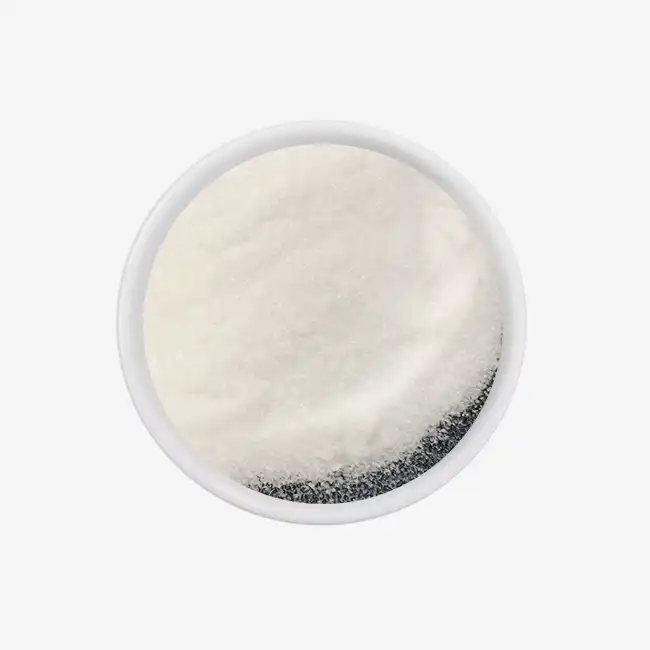
Understanding the Thermal and Physical Properties of Potassium Acetate
Molecular Composition and Physical State
With a molecular weight of 98.14 g/mol, potassium acetate is a steady white crystalline solid at room temperature. The material is hygroscopic, which means it easily takes water from the air around it. This makes it better at melting ice, but it needs to be stored carefully. The material keeps its shape over a wide range of temperatures, so it works the same way whether it's stored in warm stores or used in sub-zero temperatures.
Solubility and Activation Speed
Potassium acetate is different from other deicing salts because it dissolves very easily. Because this substance breaks down quickly in water, acid, and alcohol, it can be used right away on snow or ice. When the crystals are put on frozen snow, they quickly break through the ice, breaking chemical bonds and starting the melting process within minutes. This quick-acting quality cuts down on work hours and the time when dangerous situations are most likely to happen. This is especially helpful for airport landings where delays cost a lot of money.
Thermal Stability and Storage Requirements
Following certain keeping rules is necessary to keep a product working well. Potassium acetate should be kept in buildings that are dry, well-ventilated, and away from too much heat and wetness. When kept properly, the material stays chemically stable, so it can keep melting ice for many seasons. Transportation rules say that packages must be handled carefully to keep them from getting damaged or contaminated. To keep safety standards and product quality up to par throughout the supply chain, facilities must keep this chemical away from things that don't work with it, like strong oxidizers and reactive metals.
Comparing Potassium Acetate with Other Deicing Salts for Optimum Results
Performance Advantages Over Chloride-Based Products
Winter upkeep programs have mostly used rock salt and calcium chloride, but these choices have hidden costs because they damage infrastructure. Compounds that contain chlorine speed up rust in steel supports, hurt concrete surfaces by causing them to freeze and thaw, and hurt plants that grow next to treated roads. Potassium acetate gets rid of all of these problems. Independent tests show that acetate-based formulas don't cause much rust on metal surfaces, even when they are exposed for a long time. Bridge decks sprayed with potassium acetate last longer than buildings exposed to chloride, which saves infrastructure owners a lot of money in the long run.
Environmental Impact Assessment
More and more, environmental factors are being taken into account in both public and private buying choices for solid potassium acetate. Potassium acetate breaks down naturally and doesn't build up in the ground or dirt. The substance breaks down into potassium ions and acetate, which are both good for plants and don't harm them. Because of this, it works great in places near sensitive waters, protected environments, or farming areas. Sodium acetate has similar benefits for the environment, but it works less well in very hot or cold conditions. Potassium acetate is the best choice for performance and environmental responsibility because calcium acetate isn't as likely to corrode and is easier to get.
Temperature Range and Melting Efficiency
Operational temperature limits tell you if a product is right for a certain environment or use. It works consistently down to -35°C, which is lower than sodium acetate's ability to work down to -15°C and the same as calcium chloride's ability to work at lower temperatures without the rust problem. Studies done in the field at big international airports show that formulations with potassium acetate melt runway ice 30–40% faster than formulations with sodium acetate when all other factors are equal. This higher level of efficiency lowers the amount of chemicals needed per cleaned area, which makes the system more cost-effective even though it costs more per unit.

Procurement Guide: How to Buy the Right Potassium Acetate for Snow Removal
Technical Specifications and Quality Indicators
When looking for deicing products, people who work in procurement have to look at a number of important factors. The premium snow melting solid potassium acetate is at least 99.0% pure, which means that it works the same way in every batch shipment. To keep the product's non-corrosive properties, the water-insoluble content should stay below 0.05% and the chloride pollution should not go over 0.2%. Iron levels below 0.05% keep treated surfaces from getting stained, which is especially important for public and business areas that need to look nice.
Along with particle size distribution, mass density, and moisture content, these numbers should be made clear on technical datasheets. Knowing these specs lets you make accurate predictions about speed and application rates. When suppliers give detailed analytical data, they show that they are honest and committed to quality, which lowers buying risk and practical uncertainty.
Supplier Evaluation Criteria
To find a trusted production partner, you need to look at more than just the product specs. You also need to look at their working skills and support infrastructure. Established providers with decades of production experience bring stability to the process, which means that each batch will work as expected. Zhaoyi Chemical was established in 1988 and has been making acetate for more than thirty years. They have a 27,000-square-meter plant that makes 150,000 tons of acetate every year. For big municipal contracts and multi-year deals, this scale makes sure that the supply stays stable.
Portfolios of certifications show that you are committed to meeting foreign standards. The ISO 9001 quality management, ISO 14001 environmental compliance, and ISO 45001 workplace safety standards all point to organized ways of getting things done well. Even though KOSHER and HALAL certificates are mostly used for food-grade products, they show that strict quality rules are in place for all types of products. These certificates show that the production processes are subject to strict oversight, which lowers the risk of contamination and makes sure that regulations are followed.
Packaging and Logistics Considerations
Strategies for buying in bulk of snow melting solid potassium acetate have a big effect on overall landed costs and operating efficiency. Standard packing choices include 25 kg plastic woven bags that can be handled by hand and 1000 kg ton-bags that can be moved by forklifts and used with automatic systems for filling. Customers must weigh the costs of keeping inventory against the saves they can get per unit when they make a promise to buy in bulk. Suppliers with flexible minimum order amounts can meet the needs of both large-scale government projects and smaller industry facilities.
During the busiest times of the winter, shipping depend on how well logistics work. Partnerships with foreign freight networks make sure that shipping costs are low and that room is always available. When suppliers offer FOB, CIF, and DAP shipping terms, it makes the buying process easier and makes cost patterns clearer. Lead times of 5 to 7 working days for normal specs allow for quick ordering, and safety stock programs make sure that supplies don't run out when bad weather strikes.
Application Insights: Using Potassium Acetate for Fast and Safe Snow Removal
Dosage Guidelines and Application Rates
For ice control to work well, application rates must be calibrated and matched to the circumstances. Spreading rates are usually between 50 and 150 grams per square meter, depending on how thick the ice is, how warm it is outside, and how much traffic there is. Reactive treatments that are used on ice that has built up need higher doses than pre-treatments that are used before it rains. Temperature has a big effect on the amount of material needed. For example, operations at -10°C need about 30% less material than processes at -25°C because chemicals work better when they are warmer.
Application equipment compatibility makes sure that the material is distributed evenly and stops it from going to waste. The free-flowing grainy structure of potassium acetate keeps it from caking while it's being stored and keeps the feed rates steady when motorized spreaders are used. The substance works well with regular sprayers, spinner spreaders, and hand-held distribution tools, so you don't have to buy any special tools. Every year, operators should make sure that their equipment is calibrated and run test applications to make sure that covering patterns are correct before the winter season demands peak.
Environmental Compliance and Best Practices
Environmental safety during winter upkeep work is becoming more and more required by regulations. The biodegradable nature of potassium acetate makes it easier to follow the rules for stormwater control and protecting marine ecosystems. The combination doesn't pose much of a threat to fish populations or aquatic invertebrates. This is very different from chloride-based products, which build up in bodies of water and stress out freshwater creatures. Safety Data Sheets (SDS), Certificates of Analysis (COA), and environmental impact assessments are some of the documents that help people apply for permits and meet their legal reporting responsibilities.
Best practices include applying chemicals selectively to high-priority areas instead of all over, which lowers the total amount used while still meeting safety standards. After a storm, studies are done to find the best dose rates for future use, which allows material efficiency to keep getting better. Employee training programs make sure that workers know the right way to handle, apply, and handle emergencies, which improves both safety and performance.
Real-World Performance Validation
Authorities at airports that are in charge of complicated landing systems say that potassium acetate versions work very well. Compared to earlier sodium acetate programs, one important hub that serves 40 million people a year cut the time it took to clear the ice by 45 minutes per event. Because of this change, there were fewer flying delays, happier customers, and less money lost due to bad weather. Inspections of aircraft rust showed that treated surfaces did not speed up the breakdown of landing gear parts or fuselage panels, proving the benefits of not corroding.
Highway maintenance departments that guard elevated bridges in areas that often freeze record longer pavement life and lower upkeep costs. Inspections of the concrete deck show that there is less scaling and flaking than in chloride-exposed control areas. Engineers predict that using acetate will extend the service life by 15 to 20 years. Lifecycle cost analysis shows that these measurable results support the higher prices of the materials, showing both financial responsibility and operational excellence.
Conclusion
In conclusion, snow melting solid potassium acetate works better than any other chemical for winter repair projects that need to get rid of ice quickly without damaging infrastructure or the environment. It works better at low temperatures, doesn't corrode, and breaks down naturally, which are all problems that buying workers, operations managers, and environmental compliance teams have. Technical requirements like ≥99.0% purity, low chloride content, and stable solubility make sure that the product works the same way in a wide range of situations, from airport landings to hospital entry paths. The proof supports a planned switch from traditional deicing salts to solutions based on acetate, especially in places where protecting equipment, being environmentally friendly, and keeping operations running smoothly cannot be compromised.
FAQ
What is the physical state of potassium acetate at room temperature?
Under normal conditions, potassium acetate is a white material that is made up of crystals. The substance stays solid while being stored and handled; it only turns into a liquid when it dissolves in water or comes into touch with water on ice. It is easy to package, ship, and use with normal spreading tools because it has a stable crystalline structure.
How does potassium acetate compare environmentally to rock salt?
The benefits for the earth are big and well-known. Unlike rock salt (sodium chloride), potassium acetate breaks down fully into potassium and acetate parts that plants can use as food. It does not build up as pollution. It doesn't pose much of a threat to marine life, keeps the dirt around treated areas from becoming too salty, and stops the damage to plants that is common along chloride-treated roads. Potassium acetate-containing stormwater runoff meets strict environmental discharge standards without the need for specialized cleaning devices.
Can I purchase potassium acetate with customized specifications?
Reputable makers can meet particular performance needs by changing the formulation or customizing the package. Custom specs could include specific particle size distributions for specific application tools, the best moisture content for a certain temperature, or mixed formulas that mix potassium acetate with compounds that work well together. Established sellers offer expert advice to help businesses find solutions that meet their specific needs while still meeting quality standards and legal requirements.
Partner with Zhaoyi Chemical for Reliable Snow Melting Solid Potassium Acetate Supply
Choosing a reliable snow melting solid potassium acetate provider is the first step in performing excellent winter care. Acetate production has been done by Zhaoyi Chemical for more than 30 years. They make high-quality deicing products that meet the strict needs of airports, cities, and factories in North America and beyond. Our ISO-certified factory consistently makes goods that are 99.0% pure, and we back them up with full technology support, competitive logistics solutions, and helpful customer service. Our team can help you with full technical datasheets, application advice, and unique solutions that are made to fit your climate problems, whether you need small amounts for testing or large shipments of many tons. Get in touch with us at sxzy@sxzhaoyi.com to talk about your winter repair needs and find out how our proven quality and supply stability can help your business this season.
References
Transportation Research Board. "Environmentally Acceptable Deicing Materials for Highway and Airport Pavement Applications." National Cooperative Highway Research Program Report, Washington D.C., 2019.
Chen, M. and Wang, L. "Comparative Study of Acetate-Based and Chloride-Based Deicing Agents: Performance and Environmental Impact." Journal of Cold Regions Engineering, Vol. 34, No. 2, 2020.
Federal Aviation Administration. "Airport Winter Safety and Operations: Advisory Circular 150/5200-30D." U.S. Department of Transportation, Washington D.C., 2018.
Shi, X., Fay, L., and Peterson, M. "Exploring Low-Corrosion and Environmentally Sustainable Winter Maintenance Alternatives." Transportation Research Record: Journal of the Transportation Research Board, No. 2482, 2015.
American Society for Testing and Materials. "Standard Specification for Non-Chloride Acetate-Based Ice Melting Chemicals: ASTM E2869." West Conshohocken, Pennsylvania, 2021.
Muthumani, A. and Shi, X. "Effectiveness of Liquid Agricultural By-Products and Solid Complex Chloride/Mineral Products in Snow and Ice Control Operations." Journal of Cold Regions Engineering, Vol. 28, No. 1, 2014.

USER EVALUATE
Here is the customer's evaluation of us