



Application of series of acetate products for deicing of airport runway
Airport runway de‑icing systems must satisfy strict civil aviation requirements covering snow‑melting output, anti‑refreeze performance, corrosion control and environmental compliance. These factors directly impact flight safety and the service life of airport infrastructure. Four core products cover mainstream runway de‑icing working conditions, with practical details laid out below:
1. Solid Potassium Acetate (industrial grade ≥99%)
Core function Designed for sustained de‑icing and anti‑icing on airport runways and taxiways. It breaks down ice crystal structures quickly and depresses freezing points to stop surface refreezing, keeping runway friction coefficients within safe aviation operating thresholds.
Product strengths Chloride‑free and low‑corrosive. On carbon steel and concrete, its corrosion rate is only one‑tenth that of chloride‑based de‑icers. It will not degrade runway rebar or aircraft parts. It still delivers reliable performance down to ‑50 °C. Good powder flow properties minimize caking, simplifying storage and transit.
Application guidance For pre‑treatment ahead of snowfall: apply 30‑50 g/m². For active de‑icing over frozen surfaces: 50‑120 g/m². Use mechanical spreaders for even coverage, paying extra attention to runway approach zones.
Operational notes Highly hygroscopic; store in sealed, dry conditions. Over‑application raises runway cleaning expenses, so stick closely to recommended dosing rates.
2. Liquid Potassium Acetate (Industrial Grade 50%‑60%)
Core function Widely adopted for airport emergency response and preventive anti‑icing work. It melts ice and snow rapidly and leaves a protective surface film that hinders new ice formation, making it suitable for tight turnaround windows between aircraft movements.
Product strengths Ready‑to‑use concentrate for direct spraying, supporting fast‑paced field operations. No crystallization occurs at ‑30 °C and runway friction performance remains unchanged, fully complying with civil aviation safety specifications. It biodegrades readily and poses no harm to local water bodies or vegetation.
Application guidance Preventive spray 1‑2 hours before snowfall at 20‑40 g/m². Emergency de‑icing dosage runs 40‑80 g/m². Deploy dedicated airport spray equipment for uniform distribution; typical ice clearance finishes within 10 minutes.
Operational notes Tank insulation is needed in severe cold, otherwise rising viscosity can impair spraying quality. Once containers are opened, use material promptly to avoid moisture‑driven dilution.
3. Liquid Potassium Formate (industrial grade ≥75%)
Core function Purpose‑built de‑icing fluid for airports located in high‑latitude, frigid zones. It retains strong snow‑melting capacity under extremely low ambient temperatures while limiting corrosion to runway metal structures and aviation hardware.
Product strengths Freezing point reaches ‑60 °C, outperforming standard de‑icing agents in ultra‑cold settings. High‑density, low‑viscosity fluid penetrates ice‑snow layers fast and delivers long‑lasting anti‑refreeze protection. Fully biodegradable and environmentally benign.
Application guidance Spray neat concentrate under extreme cold conditions. Preventive treatment: 30‑50 g/m²; emergency de‑icing: 60‑100 g/m². Blending with potassium acetate is an option to balance field performance and total expenditure.
Operational notes Higher unit cost compared with potassium acetate, so mainly reserved for ultra‑low‑temperature scenarios. Keep containers sealed; moisture ingress dilutes active ingredients and weakens real‑world effectiveness.
4. Environment‑Friendly Chloride‑Free De‑icer (freezing point range: ‑15 °C to ‑60 °C)
Core function Multipurpose de‑icing formulation for airport premises. It fits runways, taxiways, aprons and access roads around terminal buildings, delivering solid de‑icing results while meeting cross‑site requirements for low‑corrosion and eco‑safe operation.
Product strengths Zero chloride content, non‑corrosive toward aircraft aluminium alloys and runway concrete. Fast ice‑melting action paired with extended anti‑refreeze duration. Odour‑free and biodegradable, safe for on‑site staff and surrounding ecosystems.
Application guidance Standard snow‑melting dosage: 40‑100 g/m², applied via mechanical spreading or diluted spraying. Mix with potassium acetate or potassium formate to boost performance when facing extreme cold weather.
Operational notes Freezing‑point performance differs significantly across product variants; select grades matching local winter temperature conditions. Never mix with chloride‑containing salt‑based de‑icers, as this will compromise anti‑corrosion properties.
Real‑World Field Case
One international airport sees winter temperatures drop as low as ‑45 °C. Previously, chloride‑salt de‑icers caused heavy corrosion across runway infrastructure and aircraft components, pushing annual maintenance spend above €2 million.
After switching to a blended fluid combining 75% potassium formate and 60% potassium acetate, full runway de‑icing can be completed within 15 minutes during flight turnarounds. Runway friction coefficients consistently satisfy aviation standards. Year‑over‑year flight punctuality rose by 12%, equipment‑related corrosion fell more than 90%, and overall annual operating costs were cut by 35%.

USER EVALUATE
Here is the customer's evaluation of us
YOU MAY LIKE
 VIEW MORECondiment Sodium Acetate Trihydrate
 VIEW MOREChemical Fiber Sodium Acetate Trihydrate
 VIEW MOREFeed Preservative Sodium Diacetate
 VIEW MOREAgricultural Liquid Potassium Formate
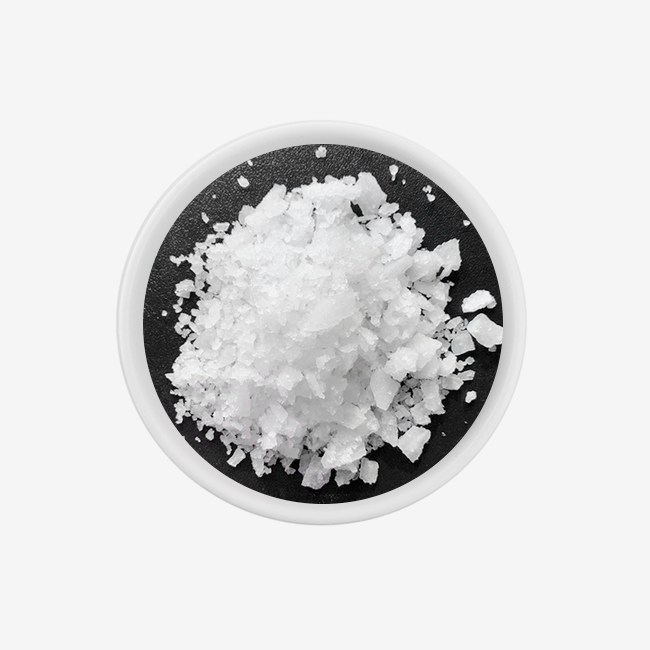 VIEW MORESnow Melting Solid Potassium Formate
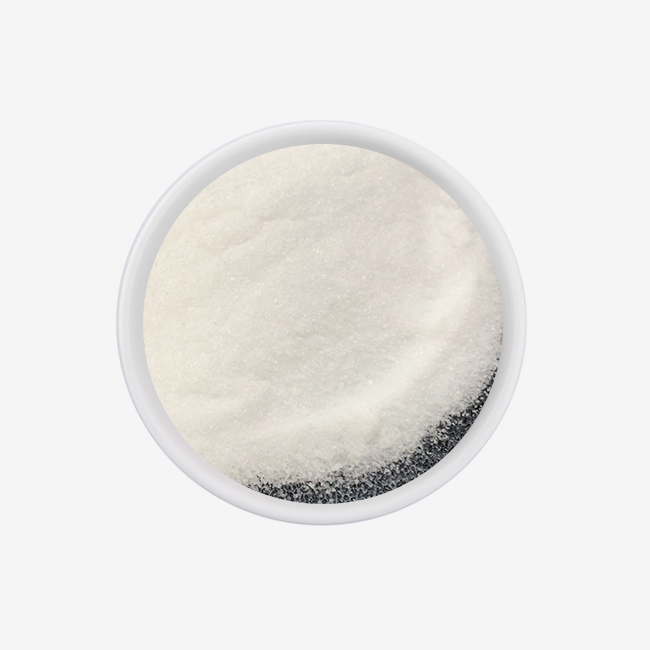 VIEW MOREPharmaceutical Intermediate Solid Potassium Acetate
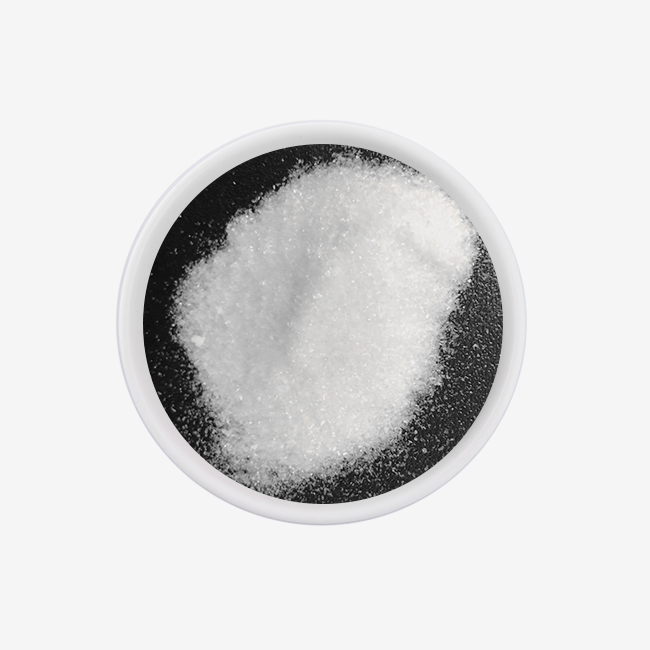 VIEW MOREpH Adjustment Sodium Acetate Anhydrous
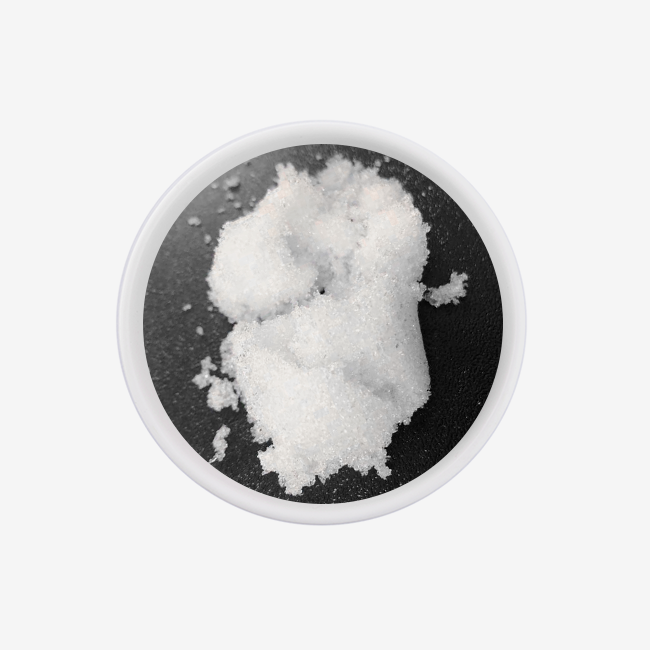 VIEW MOREPharmaceutical Intermediate Sodium Acetate Trihydrate