



Potassium acetate as a raw material in skincare formulations
Skincare producers are exploring the potential of potassium acetate as a pH regulating component for water phase formulations. Toners, lotions and creams have different oil-water structures. It is recommended to check the quality documentation of the raw material and check its performance in specialised formulation test before its usage.
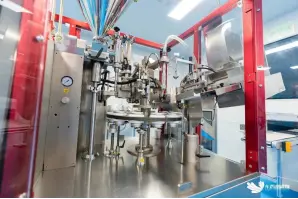
Position within the formula
Some acids with potassium acetate may be combined to form an acetate buffer system. This technique helps to stabilise the pH of a skin care product. The name of the substance does not suggest that it can be replaced with hyaluronic acid or glycerin, and it does not mean that it will keep the skin moist or tranquil for a long time.
Key points to consider in trial mix design
First, test how well it breaks down in a sample of water. After the addition, check the pH, the texture, the stability and the skin sensation of the finished product. Every active ingredient, every preservative and every package has to be tested individually to ensure it is compatible with everything else .
Quality & Compliance
The INCI name simply lists the name of an ingredient. It states such but it doesn't guarantee the raw material is safe or the product is certified. The cosmetics goes through safety tests that demonstrate whether the product is suitable for the market it's designed for and if it fulfils the criteria for cleanliness and pollutants. There are also local guidelines and documentation from wholesalers.
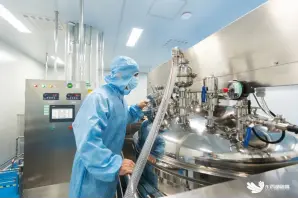
Finished Product Verification
Appropriate testing should be carried out to check the completed product for its moisturising capabilities, mildness and compatibility for sensitive skin. Proper sealing and metering of moisture-absorbing raw materials is necessary during storage and charging.

USER EVALUATE
Here is the customer's evaluation of us