



When Should Airports Use Snow Melting Liquid Potassium Acetate?
Airports should deploy snow melting liquid potassium acetate(CAS NO.: 127-08-2) whenever temperatures drop below -9°C, precipitation is forecast within 12 hours, or standard chloride-based deicers risk damaging sensitive infrastructure. As a non-chloride, biodegradable liquid deicer with a freezing point reaching -35°C and a snow-melting rate exceeding 85% within one hour at -25°C, it outperforms conventional agents across critical airside operations. Its immediate liquid activation eliminates the dissolution lag inherent in solid deicers, making it the agent of choice during rapid-response anti-icing windows and sustained winter storm events.

Understanding Snow Melting with Liquid Potassium Acetate
The Chemistry Behind Effective Ice Disruption
Through its colligative properties, snow melting liquid potassium acetate (CH₃COOK, CAS No. 127-08-2, molecular weight 98.14), works by lowering the temperature at which water freezes. At a concentration of 50–60%, the eutectic temperature can drop to about -60°C, but it has been shown to work effectively down to -35°C. Snow melting liquid potassium acetate biodegrades at a rate of ≥95% without making harmful byproducts, which means that National Pollutant Discharge Elimination System (NPDES) permits can be used for rainwater flow.
Handling and Storage Protocols That Protect Product Integrity
Having the right storage changes performance immediately. The product comes in 1000L IBC tanks or Flexibags as a clear, colourless liquid with a slightly sour smell. Warehouses need to stay dry, with good airflow, and away from heat and water. Care must be taken when moving containers so that they don't get damaged, and the product must be kept away from poisonous or incompatible materials. In containers made of sealed plastic or stainless steel, the solution's content stays the same forever, and its ability to lower the freezing point stays the same from season to season.
Why Liquid Potassium Acetate Is Ideal for Airport Snow Melting?
Traditional deicers for runways, like magnesium chloride, sodium acetate (solid), and ethylene glycol, all have problems that can be measured. Aluminium airframes, carbon steel rods, and landing gear parts can all be damaged by chloride-based agents. The EPA is looking closely at how glycol-based fluids affect rivers because they add a lot of biological oxygen demand (BOD) to them. Both problems are fixed at the same time by snow melting liquid potassium acetate.
Here are the core performance advantages that make it distinctly suited to airport environments:
- Non-corrosive formulation: Corrosion rates on carbon steel are kept at ≤0.03 g/m²·h, which is in line with Aerospace Material Specification (AMS) 1435. This keeps aeroplane parts, aluminium housings for airport lights, and steel expansion joints in bridges from wearing out over many seasons without being noticed.
- Zero FOD generation: When it's a liquid, it doesn't make any grit, sand, or particle residue. Foreign Object Debris (FOD) is the main reason why jet engines ingest objects. Getting rid of solid de-icer residue directly improves safety and lowers the number of incidents and maintenance cycles.
- Immediate activation: When the liquid comes into contact with ice or sidewalk, it quickly dissolves without any endothermic delay. This is very important for anti-icing uses, where the product is put on 30 to 60 minutes before it starts to snow or rain so that it doesn't bond with anything.
These benefits directly lead to lower long-term costs for fixing infrastructure and better compliance with FAA winter operations guidelines. After two to three winter seasons, airports that stop using chloride salts usually see a noticeable drop in the amount of corroded hardware.
When Should Airports Use Snow Melting Liquid Potassium Acetate?
Temperature Thresholds That Trigger Deployment
A trigger point that is at or below -9°C (15°F) is the most reasonable one. Road salt loses some of its usefulness below that temperature, but snow melting liquid potassium acetate still works consistently down to -35°C. Airport operations offices use real-time data feeds from Automated Weather Observing Systems (AWOS) and Runway Surface Temperature (RST) tracking systems to give the go-ahead for product release. When the RST goes below -5°C and there is a 40% chance of rain in the next six hours, it is necessary to treat the surface with an acetate-based anti-icing agent first.
Scenarios Where Liquid Format Outperforms Solid Agents
The most valuable use case for snow melting liquid potassium acetate is anti-icing, which means putting the product on before ice forms. A thin film of snow melting liquid potassium acetate applied before the storm breaks the mechanism that holds ice to the pavement. This means that less product is needed during the storm itself. Solid agents can't do a good job of pre-treating because they need moisture in the air to work. In addition to de-icing, liquid format works perfectly with Fixed Automatic Spray Technology (FAST) systems that are put in place at key taxiway crossings and bridge approaches. These systems allow automatic, sensor-triggered dosing without the need for human involvement.
Cost-Effectiveness Across Full Operational Lifecycle
Getting one unit of snow melting liquid potassium acetate costs more than getting a standard chloride salt. But the total cost of ownership changes a lot when you add in infrastructure repairs, plane maintenance, fines for not following environmental rules, and labour for moving sand by hand. One damaged landing gear part or one FOD-related engine check can cost more than a mid-size regional airport's yearly chemical fund. When procurement teams look at costs over the whole lifecycle instead of just for one purchase order, acetate-based deicers always show that they are cost-effective.

How to Procure Liquid Potassium Acetate for Airport Use?
Supplier Qualifications Worth Verifying
For reliable snow melting liquid potassium acetate suppliers, ISO 9001, ISO 14001, and ISO 45001 certifications show that their quality, environmental, and worker safety management systems have been checked by outside auditors. Each package should come with proof that it follows AMS 1435. Suppliers should also give certificates of analysis for each lot that show the CH₃COOK content (≥50–60%), iron (≤0.002%), arsenic (≤0.0004%), chloride (≤0.01%), heavy metals like lead (≤0.01%), and pH (7.5–9.2). These factors have a clear relationship with the risk of corrosion and the fit of the system.
Procurement teams for snow melting liquid potassium acetate should ask for corrosion test data from a third party instead of depending only on self-reported specs. Production lead times of 5–7 working days and available buffer stock show how well a supplier can handle emergency restocking in the middle of the season. This is important when a late-season storm causes demand that wasn't planned for.
Real-World Cases and Best Practices in Airport Snow Melting
Major airports in North America and Europe that are in USDA Hardiness Zones 3–6 have seen changes in their winter operations since they switched to liquid deicers that don't contain chlorine. Denver International Airport, Oslo Gardermoen Airport, and other airports have written internal winter operations reviews that say using acetate-based programs has led to shorter periods of time between aeroplane corrosion maintenance and lower BOD readings in rainwater.
A practical adoption checklist for procurement managers includes the following verifiable steps:
- Confirm AMS 1435 compliance before you place your first order; make sure that the seller follows AMS 1435.
- Audit storage infrastructure to ensure IBC tank compatibility and adequate ventilation.
- Calibrate FAST system nozzles to the product's specific gravity, which is between 1.25 and 1.29 at 20°C, to avoid over- or under-dosing.
- Establish a reorder trigger at 30% of the leftover inventory to account for wait times.
- Document RST and application logs for every event to build a record of performance data that can be used to support budget requests in the future.
These steps lower the risk to operations during the shift and make a record that can be checked and meets the needs of both the FAA and the airport's safety management system (SMS).
Conclusion
The deicing of runways can't be an afterthought for airports that are located in places where winter rain is common. Snow melting liquid potassium acetate(CAS No.: 127-08-2) consistently works where chloride agents don't: in very cold conditions, on surfaces that are easily corroded, and in places where environmental discharge rules apply. Its non-chloride chemistry, ability to be activated right away, and ≥95% biodegradability make it a choice that is both scientifically sound and practical. When to use it depends on RST levels, storm forecast windows, and how sensitive the infrastructure is. With the right provider relationship, procurement professionals can keep track of all of these factors.
FAQ
Is liquid potassium acetate safe for concrete runway surfaces?
Yes. Snow melting liquid potassium acetate is not corrosive and does not chemically attack cement paste as chloride-based deicers do. Chloride-based deicers break down concrete and oxidise the steel rebar inside, which leads to cracks and surface flaking. A lot of people think it is safe for concrete.
How long can the product be stored without degradation?
The solution will always have the same concentration and effectiveness as long as it is kept in sealed, compatible containers made of polyethylene or stainless steel in a dry, well-ventilated warehouse away from heat and substances that don't mix. Shelf life is not a factor that limits what can be bought.
Can it be used alongside other deicing agents?
It works with most deicers that are based on acetate and is often used to wet solid agents first, so they stick better to the ground. Depending on the inhibitor chemistry, mixing magnesium chloride directly at a high concentration may lead to precipitation. Before mixing, it is best to do laboratory compatibility tests.
What makes potassium acetate preferable to ethylene glycol on runways?
High amounts of BOD and COD are found in stormwater because of glycol. This makes the EPA require compliance. Snow melting liquid potassium acetate breaks down cleanly, and its biodegradable organic matter (BOD) level is below the limits allowed by most NPDES permits. This makes it easier for airport operators to follow environmental rules.
Partner with SHANXI ZHAOYI CHEMICAL for Bulk Potassium Acetate Supply
SHANXI ZHAOYI CHEMICAL is a reputable maker of snow melting liquid potassium acetate(CAS NO.: 127-08-2) with over 30 years of production experience, ISO/KOSHER/HALAL certifications, and a 150,000-ton yearly capacity. Our technical team is available 24/7 and replies within two hours. Lead times of 5–7 days allow for both planned seasonal purchases and emergency restocking. Contact us at sxzy@sxzhaoyi.com or visit sxzhaoyi.com to get a proof of analysis, a bulk quote, or a product document that is specifically made for your airport's needs.
References
1. Federal Aviation Administration (FAA). Airport Winter Operations: Snow and Ice Control. FAA Advisory Circular AC 150/5200-30D. 2016. https://www.faa.gov/airports/resources/advisory_circulars/index.cfm/go/document.current/documentNumber/150_5200-30
2. SAE International. Aerospace Material Specification AMS 1435: Fluid, Generic, Deicing/Anti-Icing Runways and Taxiways. SAE International. 2012. https://www.sae.org/standards/content/ams1435/
3. U.S. Environmental Protection Agency (EPA). NPDES Permit Guidance for Airport Deicing Operations. EPA 833-R-12-003. 2012. https://www.epa.gov/npdes/airport-deicing
4. Transportation Research Board. Airport Pavement De-Icing Chemical Effects on Aircraft and Airport Infrastructure. ACRP Report 14. National Academies Press. 2009. https://www.nap.edu/catalog/14199
5. Switzenbaum, M.S., Veltman, S., Mericas, D., Wagoner, B., & Schoenberg, T. Best Management Practices for Airport Deicing Stormwater. Chemosphere, 43(8), 2001. https://www.sciencedirect.com/science/article/pii/S0045653500004197
6. National Academy of Sciences. Strategies to Optimize Airport Snow and Ice Control Operations. ACRP Synthesis 26. Transportation Research Board. 2011. https://www.nap.edu/catalog/14538

USER EVALUATE
Here is the customer's evaluation of us
YOU MAY LIKE
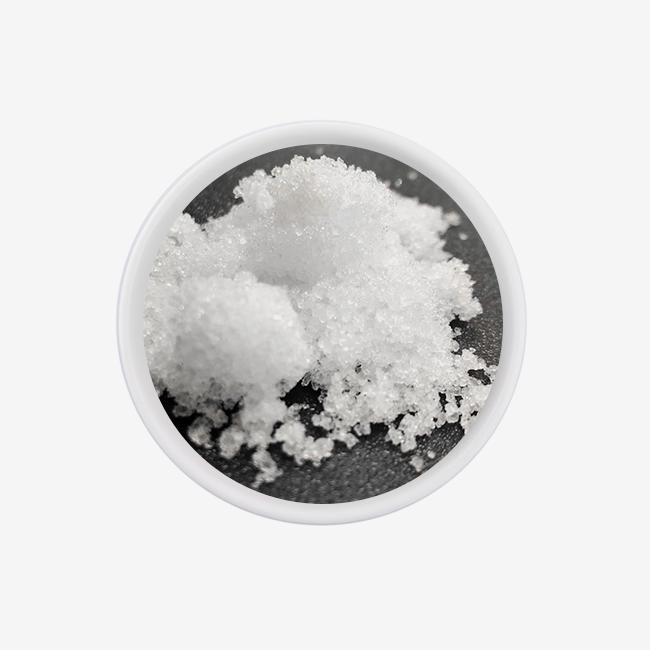 VIEW MOREFresh-Keeping Sodium Acetate Trihydrate
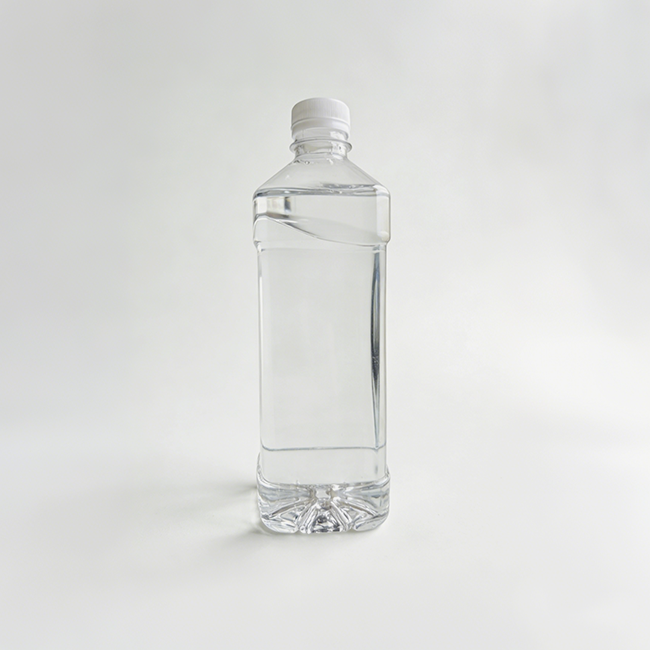 VIEW MOREMunicipal Road Snow Melting Agent
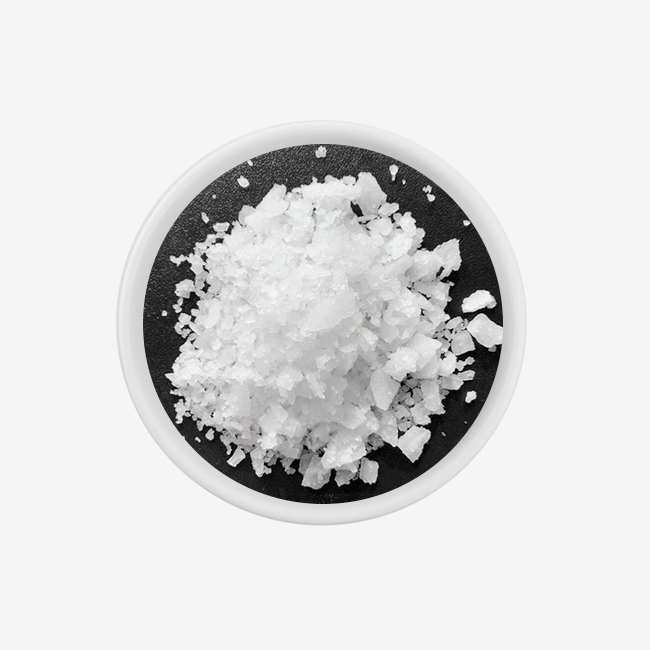 VIEW MOREPharmaceutical Intermediate Liquid Potassium Formate
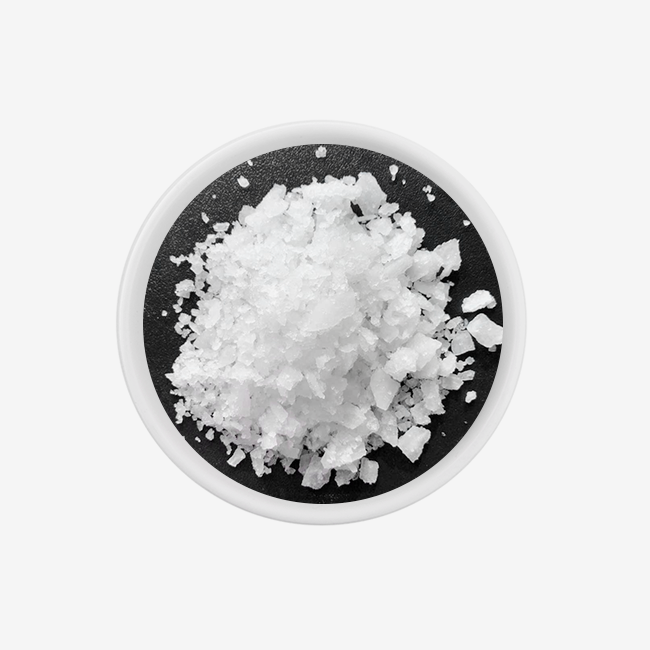 VIEW MOREAgricultural Solid Potassium Formate
 VIEW MOREDisinfection Preparation Solid Potassium Acetate
 VIEW MOREOilfield Solid Potassium Acetate
 VIEW MOREAntibiotic Sodium Acetate Anhydrous
 VIEW MORECatalytic Sodium Acetate Anhydrous