



How to Qualify Solid Potassium Acetate Suppliers for Airport Projects
Qualifying the right supplier for Airport Runway Solid Potassium Acetate(CAS NO.: 127-08-2) is one of the most consequential procurement decisions an airport operations team can make. This aviation-grade de-icing agent (CAS No. 127-08-2, CH₃COOK) must meet SAE AMS 1431 standards, deliver consistent purity of ≥99.0%, and perform reliably down to -60°C. For procurement managers, engineers, and distributors sourcing Potassium Acetate de-icing granules at scale, the wrong supplier choice means supply gaps, compliance failures, and potential safety incidents on active runways during winter operations.
Understanding Solid Potassium Acetate in Airport Runway Applications
Chemical Profile and Physical Properties
Solid potassium acetate (CH₃COOK) is a white crystalline solid with a molar mass of approximately 98.14 g/mol and a reported bulk density of 0.8–0.9 g/cm³. The pH ranges from 9.0 to 10.5 when 15% of it is added. Unlike chloride-based deicers, potassium acetate (CH₃COOK) is an acetate salt. Its solubility and biodegradation characteristics should be confirmed using product-specific technical data. Because of this, the FAA and ICAO say it is the best chemical to use at airports for controlling ice.
Why It Outperforms Urea and Chloride-Based Agents?
Urea stops working below -7°C and gives off ammonia, which is bad for marine life. Aluminum, magnesium, and cadmium airplane parts can be broken down by calcium chloride. Aviation-grade potassium acetate (CH₃COOK) can be used for runway deicing, but its effective operating temperature range and corrosion performance should be verified against product-specific test results and the applicable airfield deicer specifications. It doesn't hurt the pavement or the lights, and it doesn't change the high coefficients of friction there. This is why all of the big U.S. airports choose it.
Environmental Compliance and Safety Standards
Potassium acetate (CH₃COOK) can contribute to the biochemical oxygen demand (BOD) of receiving waters. Its suitability for airport stormwater discharge should be evaluated against applicable permit limits and product-specific environmental test data. Nobody on the ground or nearby plants are in danger because it doesn't give off any ammonia. Because of these features, it can be used on landing areas, taxiways, and passenger loading zones where noise is a problem and equipment needs to be protected.
Criteria for Qualifying Solid Potassium Acetate Suppliers
Product Consistency and Documented Purity
It is important to get certificates of analysis (CoA) for each batch from every possible supplier. Not more than 0.2% chloride and not more than 0.05% matter that doesn't dissolve in water must be present. Airports that buy things shouldn't work with suppliers who can't show documents that can be used to track lots. A trustworthy manufacturer is different from a spot seller because they always do the same thing in all of their packages, not just one sample.
Certifications That Actually Matter
If you want to use Airport Runway Solid Potassium Acetate on an airport runway, you must have at least ISO 9001 (quality management), ISO 14001 (environmental management), and SAE AMS 1431 approval. Because they have ISO 45001, suppliers show that they care about worker safety throughout the whole production process. It's not just airplanes that have KOSHER and HALAL certifications. They show that a company strictly controls the purity of all its products, which means it takes quality seriously in general.
Volume Capability and Supply Chain Reliability
Running an airport in the winter is hard enough without having to deal with supply issues in the middle of the season. Check out how much the seller can produce in a year. For large airport sales, a good provider should be able to keep making at least 50,000 tons of goods every year. Make sure they keep a backup stock, list production wait times (usually 5–7 business days), and have back-up plans for how to get the goods to you. Working with suppliers who have set up international shipping partnerships and a track record of on-time delivery can cut your risk by a large amount.
Comparing Solid Potassium Acetate Suppliers: What to Look For?
Solid Form vs. Liquid Form Availability
It's very cold at the airport, and some operations need solid granules to get through thick layers of ice. Other operations need liquid Potassium Acetate to prepare the surfaces for the ice. When people buy from a company that has both types and knows how to use them together for anti-icing protocols, they have more choices. Make sure the solid granule size from the supplier is set up so that wind doesn't spread it out when there is a jet blast. A lot of sellers forget about this technical point.
Total Cost Transparency Beyond Unit Price
When making a budget for de-icing products, you need to think about more than just how much they cost per kilogram. Different types of packaging have different freight costs. For smaller tasks, 25 kg weave bags work well, while 1,000 kg ton-bags are better because they are easier to handle when there are a lot of them. Get prices from different shipping companies for the "landed cost," which includes shipping by sea, clearing the port, and keeping the goods. When suppliers list prices clearly, it's easier to make accurate budget plans for the seasons, and there are fewer problems with contracts.
After-Sales Support and Technical Responsiveness
Suppliers who are good should do more than just bring goods to you. It makes a big difference to be able to get technical help, especially during busy winter events. Look for providers that can respond quickly (no more than two hours for pressing questions is best), give you tips on how to apply the product to different types of runway surfaces, and change the formulation settings in case of bad weather. It is important for long-term relationships in the aviation procurement process for expert involvement at this level of responsiveness.
Practical Steps to Verify and Audit Potential Suppliers
Document Review and Authentication
Before you buy Airport Runway Solid Potassium Acetate(CAS NO.: 127-08-2), you should ask for and check the following: MSDS/SDS sheets, paperwork to show compliance with SAE AMS 1431, ISO certificates with valid dates, and CoA for the most recent batch. Check the supplier's registered company information against official Chinese export databases or platforms run by a third party. You might get fake or old certifications when you buy a lot of chemicals. This step keeps your legal standing safe.
Sample Testing Before Commitment
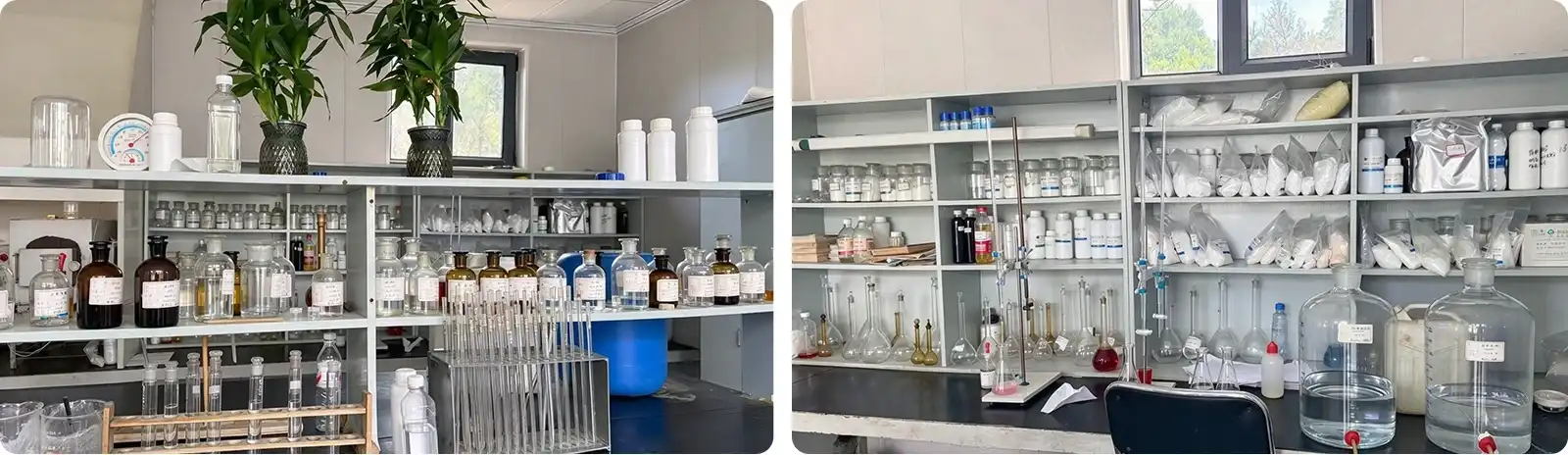
Before you buy a lot of something, get a sample and test it either in-house or at a lab outside of the company that the company has approved. The purity test, the chloride content test, the rate of dissolving in cold water, and the rust test on metal coupons are all important tests. One way for buying teams to get objective data is to compare the sample to SAE AMS 1431E standards instead of just believing what the seller says.
Facility Audits—Virtual or On-Site
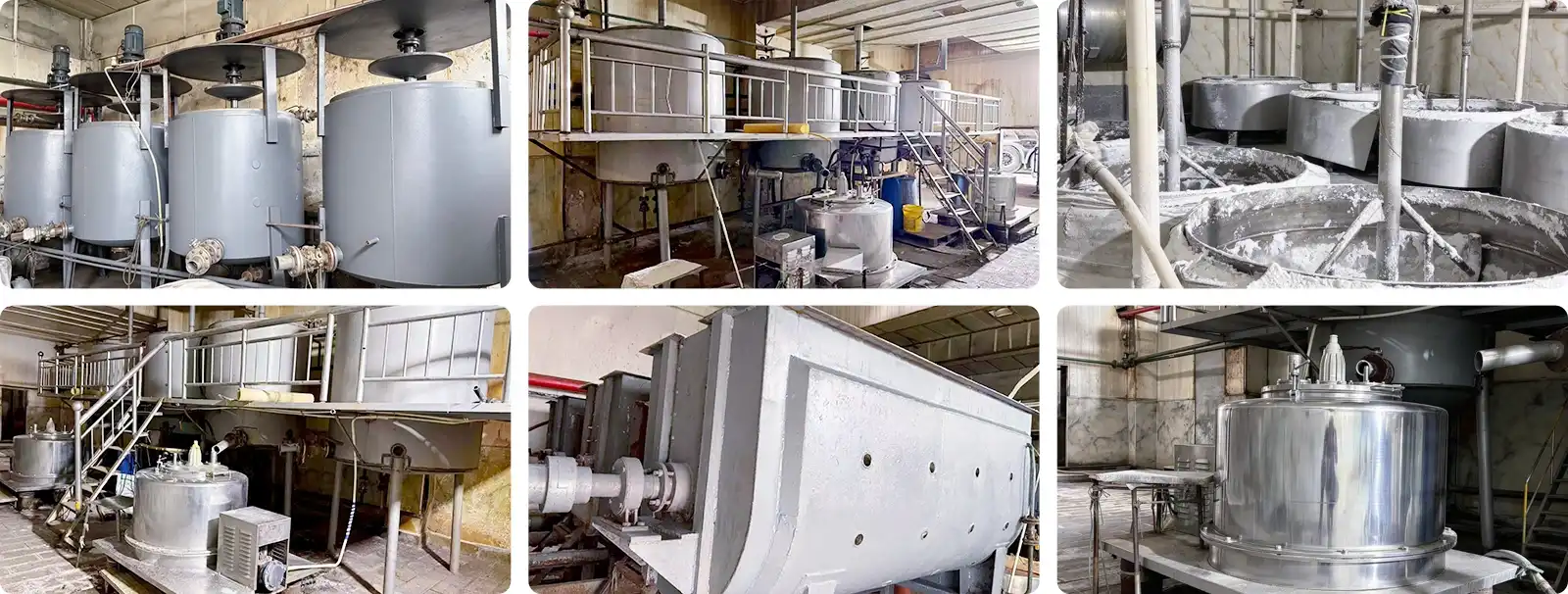
A factory audit shows how the goods are made, kept, and what quality control tools are used. It can be done from afar through a video walkthrough. Make sure that the supplier stores finished goods in buildings that are dry, well-ventilated, and sealed so that water can't get in. Make sure that the production line can separate groups of items and package them in a way that meets the needs of the customer. Smaller factories with fewer records are riskier to run than bigger factories that can make 150,000 tons of goods a year and have many approved production lines.
Best Practices for Applying Solid Potassium Acetate on Airport Runways
Application Techniques by Condition
When the temperature is below -10°C, put grains right on thick ice. Before the sidewalk is manually cleaned, the crystal structure cuts through layers of ice that are up to 6 mm thick. This makes brine pockets that separate the ice from the sidewalk. In a pre-wetting spreader, mix solid pellets with liquid Potassium Acetate before it starts to snow. This will keep the materials from moving around and help them stick to the ground.
Here are the core operational guidelines airport teams follow for consistent results:
- Calibrate spreader output rates based on the runway's size and the temperature that you think it will be. If you use too much, it could leave a sticky film on the surface after the ice melts.
- Use equipment compatible with granular acetate—normal sand spreaders aren't always designed to handle the 0.8–0.9 g/cm³ bulk density profile of Potassium Acetate granules.
- Schedule reapplication monitoring every 90 to 120 minutes while it rains to keep effective friction coefficients above FAA minimums.
It saves planes and cuts down on the chemicals needed for each event when it is used properly. This lowers the costs of running the business over the winter.
Personnel Safety and Environmental Runoff Management
People who handle things should always wear standard PPE, like gloves and eye protection. Even though it's not very dangerous, you need to flush your eyes out right away if you get it in them. For airport environmental management plans, make sure to follow the rules in FAA Advisory Circular 150/5200-30D. Also, try to keep rainwater flowing away from stormwater intakes as much as possible.
Conclusion
To find a good Airport Runway Solid Potassium Acetate(CAS NO.: 127-08-2) manufacturer for de-icing airport runways, you need to do more than just look at prices. The company needs to show proof of certifications, proof of purity at the batch level, the ability to work with large amounts, and technical support. It's easier for airports to get materials and follow the rules in the winter when they spend money on this licensing process. This is what SHANXI ZHAOYI CHEMICAL does in every study area. They give aviation procurement teams a reliable source for solid Potassium Acetate that is good for output and works well when it matters most.
FAQ
How does potassium acetate compare to calcium chloride for runway use?
A lot of business airports don't let you use calcium chloride because it breaks down parts made of aluminum, magnesium, and cadmium. Potassium Acetate doesn't rust and meets the airplane-safety standards set by SAE AMS 1431. Calcium chloride (CaCl₂) is a chloride-based deicer that can contribute chloride ions (Cl⁻) to runoff and may pose risks to nearby vegetation and infrastructure, depending on exposure and site conditions. It doesn't do either of those things when it breaks down.
What certifications should I require from a qualified supplier?
You should ask them to meet ISO 9001, ISO 14001, and SAE AMS 1431 at the very least. Make sure the batch certificates are valid and show that the product is at least 99.0% pure and has less than 0.2% chloride. Make sure that the export paperwork and MSDS/SDS sheets that come with the goods you buy from another country match the ones you receive.
What are the storage and shelf-life requirements?
It is possible for Potassium Acetate crystals to take in water from the air. Store the items in double-layer PE/PP bags that are well sealed in a dry, well-ventilated room that is not near any heat sources. It will last two years if you take good care of it. If you don't store something correctly, it can harden and dissolve slowly, which has a direct effect on how well it melts ice.
Partner with SHANXI ZHAOYI CHEMICAL for Certified Airport De-Icing Supply
SHANXI ZHAOYI CHEMICAL began making chemicals based on acetate in 1988. They are now certified by ISO 9001, ISO 14001, and ISO 45001 and can make up to 150,000 tons of chemicals a year. When you buy from our Airport Runway Solid Potassium Acetate supplier, you can get help 24 hours a day, seven days a week. We have standard lead times of 5–7 days and can help with technical issues at any time. To get a sample or a price for a unique order right away, visit sxzhaoyi.com or email us at sxzy@sxzhaoyi.com.
References
1. SAE International. AMS 1431E: Compound, De-icing/Anti-icing Runways and Taxiways. SAE International, 2020.
2. Federal Aviation Administration. Advisory Circular 150/5200-30D: Airport Field Condition Assessments and Winter Operations Safety. FAA, 2016.
3. ICAO. Doc 9137 Airport Services Manual, Part 2: Pavement Surface Conditions. International Civil Aviation Organization, 2020.
4. Transportation Research Board. ACRP Report 14: De-icing Planning Guidelines and Practices for Stormwater Management Systems. National Academies Press, 2009.
5. Shi, X., et al. "Interactions of Airfield Pavement Materials with Potassium Acetate De-icing Chemicals." Cold Regions Science and Technology, Elsevier, 2014.
6. U.S. Environmental Protection Agency. Stormwater Best Management Practices for Airport De-icing Operations. EPA Office of Water, 2012.

USER EVALUATE
Here is the customer's evaluation of us