



How to Evaluate Solid Potassium Acetate for Winter Maintenance Contracts
Find out what makes a high-performance deicing agent different from a usual one before you decide if solid potassium acetate is right for winter repair jobs. Snow Melting Solid Potassium Acetate(CAS NO.: 127-08-2), which is also called Snow Melting Solid (CAS No. 127-08-2, CH₃COOK), is a white, crystalline substance that melts ice at -35°C and breaks down quickly in water. It doesn't rust steel or concrete like chloride-based salts do. Choosing the right product review process is very important for procurement workers who are in charge of building airport runways, bridges, or city roads. It affects both how long the infrastructure lasts and how well the contract is followed.
Understanding Solid Potassium Acetate as a Snow Melting Agent
Chemical Properties and How It Works
Potassium acetate (CH₃COOK) has a molar mass of approximately 98.14 g/mol. At room temperature, it melts water, which makes it less likely to freeze. This makes it happen faster than salt forms on top of the ice. It can spread and work faster than many other agents because it breaks down quickly in water, acids, and alcohols. It can get as cold as -60°C, but it still works well in the field at -35°C. In the US, that means it can be used in the cold Midwest and Northeast.
Solid vs. Liquid Form: Which Fits Your Contract?
There are a lot of ways to easily spread this type of grain in more ways. It is also easy to store. You can get the surface ready with liquid acetate, but it takes up more space in the closet. For most city and highway projects, strong form is better because it makes it easier to manage work and spread out doses. It's important for people who want to buy something to make sure that the style they pick will fit with the space and tools they already have.
Environmental and Safety Profile
Bugs need to break down the acetate ion in the dirt so that the carbon dioxide and water can leave. Potassium acetate is controlled by the EPA, but it is safe to use since it breaks down on its own. Chloride-based deicers, such as sodium chloride (NaCl) and calcium chloride (CaCl₂), may pose risks to vegetation and aquatic ecosystems when applied excessively. The MSDS still says that people who work with the product should wear general PPE, like safety glasses and gloves.
Evaluating Potassium Acetate Against Other Snow Melting Chemicals
Performance Comparison at Low Temperatures
CaCO₃ is reported to perform at temperatures as low as approximately -25°C (-13°F), while rock salt becomes much less effective at around -7°C (20°F). When used in real life, potassium acetate works better than both of them at -35°C and below. The middle one is magnesium chloride, but it rusts more often. Potassium acetate always works better than chloride options below -15°C for winter care contracts that cover areas with long cold seasons or high elevations.
Corrosion and Infrastructure Damage
Deicers that are based on chlorine make it easier for rebar in reinforced concrete to rust and for metals in bridges and aeroplanes to break. The Transportation Research Board has done research that shows that sodium chloride shortens the life of bridge decks. On the other hand, potassium acetate doesn't damage metal, carbon brakes, or structural steel very much and is safe for use in aeroplanes. This makes it the best agent for airports and other important building projects.
Regulatory and Environmental Alignment
Tougher rules are being put in place across the U.S. to stop chloride from running off from cities and airports into waterways. In line with FAA Advisory Circulars for airport chemicals, Snow Melting Solid Potassium Acetate(CAS NO.: 127-08-2) can be used. It also meets the BOD (Biological Oxygen Demand) standards that many state environmental agencies need. By picking a deicer with acetate instead of chloride, contractors can meet current and future rules without having to change how they do business.
Key Criteria for Selecting Solid Potassium Acetate in Winter Maintenance Contracts
Purity, Moisture Content, and Flow Consistency
Solid potassium acetate for winter maintenance contracts.
Would you like it to melt ice well? That depends on how pure it is. Before you buy something, you should do the following to make sure it's good:
In the field, the temperature has to drop to at least 99.0% before it can really freeze. The amount of water should not go above 1%. In the event that the substance has too much water, it may harden and stop spreading.
- Check the amount of CH₃COOK: It must be at least 99.0% to lower the freezing point reliably in the field.
- Moisture level: It should be well below 1%; too much moisture can cause caking and the spreader to break while it's being used.
- Things that don't dissolve in water: They need to stay below 0.05% so they don't block drains or damage tools used to dissolve things.
- To help reduce corrosion risks, the chloride ion (Cl⁻) content should be less than 0.2%, subject to the product specification
Get a COA from the seller before each package to make sure these facts are correct. This will help you keep the deal and keep the tools you bought safe.
Certifications and Compliance Standards
You can find out if a company does good work. You might want to find ISO 9001, ISO 14001, or ISO 45001 guides. These words stand for environmental management, quality management, and health and safety at work, in that order. Most of the time, things that are KOSHER or HALAL-marked are safe for food. This means there is strict quality control while the item is being made. Make sure they work for you before you buy a lot of them. Get test scores and papers from someone other than the seller.
Total Cost of Ownership and Supply Reliability
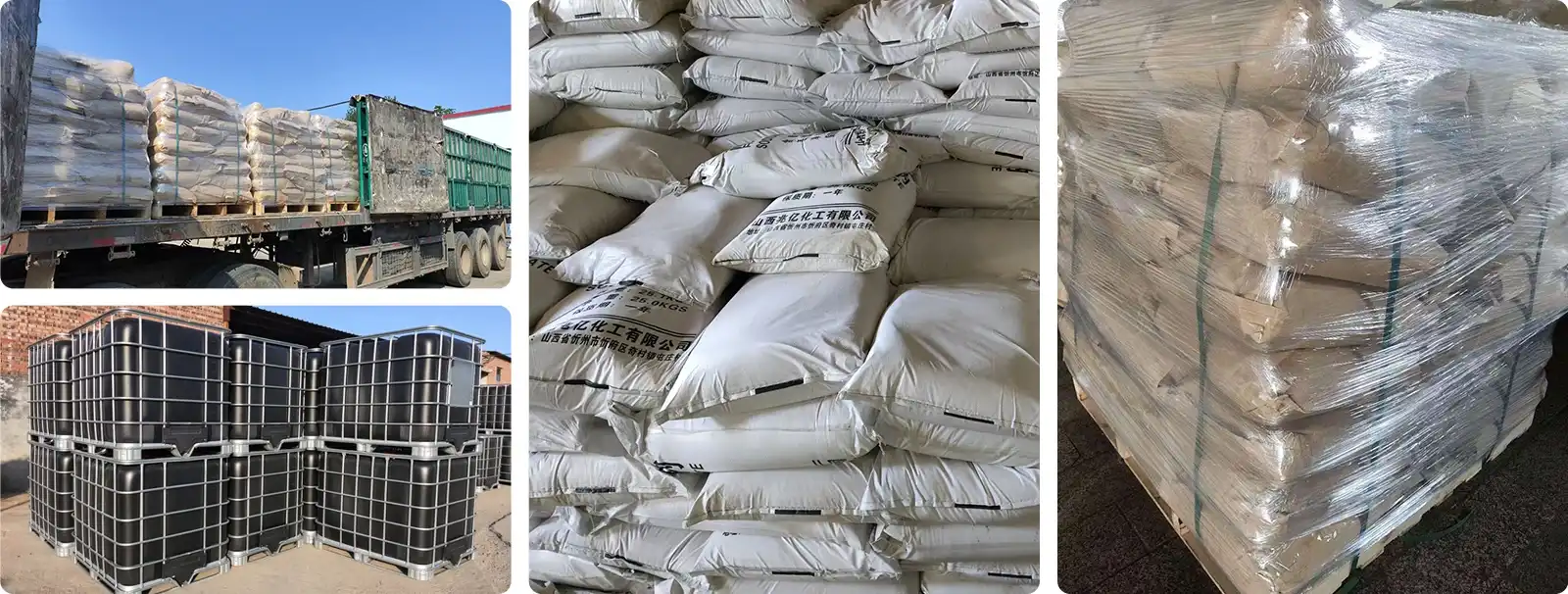
[H3] In the field of contract economics, what could change? The tonne price can change. The people whose job it is to buy things should think about how much stuff they need per lane mile, how much space they need, and how long it takes for transportation to send the goods. For the most part, a more pure product needs less stuff to make it. People who have extra stock and lead times of 5–7 business days are less likely to run out of goods during the busiest winter months. You can pack things in tough plastic bags that weigh 25 kg or 1,000 kg ton-bags. You can now pick between jobs in small towns and big cities.
Practical Guidelines for Using Solid Potassium Acetate in Winter Maintenance
Dosage Optimization Across Different Surfaces
The rate of application is affected by the area, the temperature, and how bad the storm is. As a first step, 15 to 30 grams per square metre are often spread on runways and airport areas before the ground freezes. You can save material without making the surface less safe if you only put it on weak spots like bridge decks and parking lots. Set spreaders for rough material to cover more ground and make less trash. This means that in the winter, each spread costs less.
Real-World Deployment: Airport and Bridge Contracts
Chemicals that are bad for planes shouldn't be near them, so Snow Melting Solid Potassium Acetate is often used to melt snow and ice on fields where planes land in northern states. An airport in the Midwest switched from urea-based deicers to potassium acetate-based pellets. Because of this, a lot fewer checks were done on aeroplane parts that were linked to chemical exposure. Bridge workers say that treated decks from the same time period crack and flake less than decks that were treated with chloride.
Safety Protocols and Worker Protection
To protect your eyes and hands from chemicals, you should wear gloves and glasses that are made for chemicals. Keep it away from things that won't work with it and in a place with plenty of airflow. While it's being moved, it also needs to be kept away from water and heat. Potassium acetate is highly hygroscopic, so the bag should be resealed immediately after opening. It will not work as well if it melts too quickly. If you do these things, people and things will be safe this winter.
Procurement Best Practices and Supplier Selection for B2B Clients
Sourcing Direct vs. Through Distributors
When teams buy from the maker, they can get production plans, unique specs, and technical paperwork right away. At that price, each unit also costs less. There are times when you need to send out small orders or keep your storeroom closed. Work with a company that can make 150,000 tonnes of goods a year, and you won't have to worry about running out of things. This is the best way to keep hotel or airport winter repair deals going for more than a year.
Evaluating Supplier Credibility
You can tell if a source is trustworthy if they can show proof of production (ISO, KOSHER, or HALAL), written customer references from contracts that are similar, and an easy way to keep track of quality. You need to show that you have shipped to the U.S. market before and get a certificate of analysis (COA) for each batch. The MSDS sheets should also be in English. A business must be ready to go when they say they will be when they agree to do winter maintenance. This means they have to be able to help with technical problems and answer questions within two hours, 24 hours a day, seven days a week. It's not always safe and risk-free to get chemicals late during an ice event.
Contract Negotiation and Long-Term Partnership
Prices tend to stay the same, and things get built faster when there is a lot of demand. Talk about things like the terms of shipping (FOB, CIF, or DAP), the level of purity that is acceptable, the need for batch testing, and how to deal with changes in the cost of raw materials. Before you sign a contract, look for a service that DOES OEM marking, custom packing, and free sample testing. This is the safest way to sign up, and you'll have enough all year.
Conclusion
You should not only look at price when choosing the best Snow Melting Solid Potassium Acetate(CAS NO.: 127-08-2) product for a winter care contract. Find out how well the service works at different temperatures and how well the provider is known for quality. Also, make sure it won't rust. When it's cold outside, acetate-based defibrillators work better than chloride salt-based ones. Along with being safe, they last longer and don't hurt the environment. For the best results every year, make sure your review process is well-organised, based on specs that have been checked, and built on relationships with providers you can trust. This is always the case, whether it's for a city street, an airport strip, or an old bridge.
FAQ
What temperature range does solid potassium acetate cover?
Potassium acetate works well in cold weather down to about -35°C, and its predicted eutectic point is -60°C. This is a lot more than what rock salt and magnesium chloride can handle.
Is it safe for use near aircraft and bridge rebar?
Yes. It is approved for use in aerospace applications and doesn't corrode aluminium alloys or structural steel very much, so it can be used in airport aprons and reinforced concrete buildings.
How should it be stored on-site?
Keep in sealed bags in a dry, well-ventilated warehouse, away from sources of heat and water. Because the product is very hygroscopic, even small amounts of humid air can cause it to melt before it's time.
What packaging formats are available for bulk contracts?
It comes in 25 kg woven plastic bags that can be moved by hand and 1,000 kg ton-bags that can be unloaded by a machine. Based on the terms of the contract, custom packaging is possible.
How do I verify product quality before a bulk order?
Ask for a Certificate of Analysis (COA) that says the CH₃COOK content is at least 99.0%, the moisture level is below 1%, and the chloride level is less than 0.2%. Before the first shipment, it is strongly suggested that the product be tested by a third-party lab.
Request a Sample or Quote from SHANXI ZHAOYI CHEMICAL
Since 1988, SHANXI ZHAOYI CHEMICAL has used acetate to make things. They are certified by ISO 9001, ISO 14001, ISO 45001, KOSHER, and HALAL, and they can make up to 150,000 tons of them every year. For any business-to-business order, we will send you free samples of our Snow Melting Solid Potassium Acetate to try. We will also send you full technical specs and packaging that can be changed to fit your needs. To get a price, email us at sxzy@sxzhaoyi.com or go to sxzhaoyi.com right now.
References
1. Transportation Research Board. Chloride-Based Deicers and Their Impact on Reinforced Concrete Bridge Decks. National Academies Press, 2007.
2. Federal Aviation Administration. Advisory Circular 150/5370-10: Standards for Specifying Construction of Airports. FAA, 2018.
3. Fischel, M. Evaluation of Selected Deicers Based on a Review of the Literature. Colorado Department of Transportation Applied Research and Innovation Branch, 2001.
4. Shi, X., Fay, L., Peterson, M. M., & Yang, Z. Freeze-Thaw Damage and Chemical Change of a Portland Cement Concrete in the Presence of Diluted Deicers. Materials and Structures, 2010.
5. U.S. Environmental Protection Agency. Effluent Limitations Guidelines and Standards for the Airport Deicing Category. EPA, 2012.
6. Nixon, W. A., & Williams, A. D. A Guide for Selecting Anti-Icing Chemicals. Iowa Highway Research Board, Iowa DOT, 2001.

USER EVALUATE
Here is the customer's evaluation of us