



How to Compare Solid Potassium Acetate Grades for Winter Road Operations
Choosing the right grade of deicing solid potassium acetate(CAS NO.: 127-08-2) is one of the most consequential decisions a winter road operations manager can make. With purity levels, particle size, moisture content, and certification standards all varying across suppliers, a poorly matched grade can underperform in critical low-temperature conditions or fail environmental compliance reviews. This guide walks procurement professionals, municipal engineers, and logistics contractors through the key technical and commercial factors that separate a high-performing potassium acetate grade from one that creates costly problems on the road.
Understanding Solid Potassium Acetate and Its Role in Winter Deicing
Chemical Identity and Physical Properties
Solid potassium acetate (CH₃COOK) is a white crystalline solid with a molar mass of approximately 98.14 g/mol. It dissolves easily in acid, water, and alcohol. It can still work well at -30°C, even though its eutectic point is -60°C. Because of these things, it works a lot better than regular rock salt, which stops working when it gets below -9°C.
How Does It Melt Ice?
There is a process that generates heat that helps potassium acetate dissolve in water. The ice bonds on the ground break down faster because of this, which speeds up the process of getting rid of the ice. Because it generates heat, Potassium acetate (CH₃COOK) may perform differently from endothermic deicing agents, which absorb heat from their surroundings.
Why Biodegradability Matters?
Deicers that are based on acetate break down naturally when bacteria work on them. This makes carbon dioxide and water. It's not at all like chloride salts, which gather in dirt and water. Businesses that are close to rivers, protected land, or LEED-certified buildings need to make sure that potassium acetate breaks down on its own. It's not just a choice.
Core Criteria to Compare Solid Potassium Acetate Grades for Winter Road Operations
Purity and Chemical Composition
The CH₃COOK content is an important indicator of product purity and potential deicing performance. If the grade is at least 99.0% pure, with chloride ion (Cl⁻) content below 0.2% and Ferrum(Fe) content below 0.05%, its quality specifications can be evaluated more consistently. Even if the chloride level is only a few percent, metal buildings are more likely to rust when it is high. One of the main reasons people want to switch from salt-based deicers is that this goes against that.
Moisture Content and Particle Size
It's important that the wetness level stays below 1% so that deicing solid potassium acetate granules don't stick together and can move around easily when a motor moves them around. The different particle sizes have a direct impact on how the cover spreads and stays together. Grain that isn't spread out evenly or that is too big can get stuck in machinery. Fine dust can make the job less even and cause the granules to move around on roads. Before you buy something big, you should always ask the seller for a screen study.
Environmental and Performance Metrics
You should look at the Biological Oxygen Demand (BOD) profile and any information that you can find about ecotoxicity. As part of a luxury grade, the metal should also have rust inhibitors that have been tested on carbon steel and 7075-T6 aluminum alloy. A standard called SAE AMS 1431 is used for deicers on airport runways. In order to meet that level, structural metals need to have the results of a corrosion test. They can still be used for jobs in both bridges and parking decks.
Comparing Solid Potassium Acetate With Alternative Deicing Agents
Potassium Acetate vs. Chloride-Based Deicers
At first, sodium chloride (NaCl) and magnesium chloride (MgCl₂) may have lower purchase costs, but chloride-based deicers can contribute to corrosion under certain conditions. Using steel rebar and chloride-frozen concrete that has been frozen and thawed many times in bridge decks may save money at first, but it costs a lot more in the long run. If you want to protect airports, cable-stayed bridges, and parking lots from rust caused by chloride, you should use potassium acetate instead.
Potassium Acetate vs. Urea and Sodium Acetate
Urea (CO(NH₂)₂) can contribute nitrogen to water, potentially promoting eutrophication. Sodium acetate (CH₃COONa) and potassium acetate (CH₃COOK) are acetate-based compounds, but their environmental behavior and deicing performance should be evaluated. It costs more, though, and only works in a smaller temperature range. Potassium acetate (CH₃COOK) may be suitable for applications where deicing performance and environmental impact are key considerations.
Solid vs. Liquid Potassium Acetate
For shipping, solid types are better because they are lighter, take up less space, and can be stored in more ways before a storm. Liquid potassium acetate is another way to treat the surface before deicing, but you need tanks for that. A lot of people believe that the best thing to do is to add liquid potassium acetate to solid pellets right before you spread them. They are less likely to bounce when they hit the road this way, and they melt right away.
Procurement Considerations for Solid Potassium Acetate Deicing Grades
Evaluating Supplier Credentials
If you want to buy potassium acetate from them, they should have ISO 9001 (quality management), ISO 14001 (environmental management), and ISO 45001 (workplace safety) certifications. No matter what number they are, these show that the way things are made always meets standards from other countries. This is because the process is better controlled and can be traced back to where it came from when it has more Kosher and Halal approvals.
In order to place a large order, buyers should make sure of the following: As long as the quality, moisture level, and particle size stay the same from one shipment to the next, you can show a Certificate of Analysis (CoA) from a recent production run.
The amount of deicing solid potassium acetate(CAS NO.: 127-08-2) a company can make in a year is 150,000 tons. This means that they can handle annual demand spikes without having to worry about running out of supplies. This is a very important part of how the city will run in the winter. Standard 25 kg plastic woven bags are good for smaller stores. On the other hand, 1,000 kg bags make it easier to move things around at places with a lot of them. If someone asks, packages should be made just for you.
- Batch-to-batch consistency: Request Certificate of Analysis (CoA) documents from recent production runs to confirm that purity, moisture content, and particle size remain stable across shipments.
- Annual production capacity: A manufacturer with 150,000 tons per year of acetate production can meet seasonal demand spikes without supply disruption—a critical factor for municipal winter operations programs.
- Packaging options: Standard 25 kg plastic woven bags suit smaller depots; 1,000 kg ton-bags reduce handling labor at high-volume sites. Custom packaging should be available upon request.
They might be responsible for running the business if there are supply gaps or quality issues in the middle of the season. That's what these checks are there to protect you from.
Logistics and Storage Requirements
K+ acetate is hygroscopic, which means it takes water from the air and holds it in. Warehouses need to be dry and have a lot of air moving through them. While things are being shipped, keep them away from heat and water, and be careful not to poke holes in the bags. Also, don't let them touch things that won't work for them. Make sure that the freight company your provider works with is a good one. This will protect the quality of your product from the plant floor to the place where it will be used.
Best Practices for Using Solid Potassium Acetate in Winter Road Operations
Dosage and Application Timing
The amount used is usually between 15 and 40 grams per square meter, but it can be more or less depending on the weather, surface condition, and amount of rain. When you use potassium acetate before a storm, you need less of it, and it covers more ground than when you use it after winter. Cities and towns in the northern U.S. have seen a clear drop in the amount of deicer they need to use when they switch from reactive to proactive methods.
Equipment Compatibility
Standard compressors and spinner-disc spreaders will work well with potassium acetate as long as they are set up to handle its grade and particle size distribution. Use the technical data sheet from the maker to be sure of the clearances and flow rates of the hopper. The granules that are left on spreader equipment should be cleaned off at the end of each shift. This is because the hoppers can break easily if they soak up water when the machine is not in use.
Worker Safety and Handling Protocols
Small amounts of potassium acetate are not very dangerous. To protect yourself when moving large amounts of it, you only need to wear gloves, safety glasses, and a dust mask. Every package should have a Material Safety Data Sheet (MSDS). Keep it away from things that can rust it. SHANXI ZHAOYI CHEMICAL makes sure that all of the right paperwork is with every package so that the spot is safe.
Conclusion
What type of solid potassium acetate is best for winter road work relies on how pure it is, how much water it has, the size of the particles, how well it stops corrosion, and how the seller feels about it. There are many things that lead to success. This is how people who buy deicing solid potassium acetate(CAS NO.: 127-08-2) will always be able to find something that works at -30°C, protects infrastructure, is good for the environment, and ships reliably in large quantities. You can tell the difference between a good potassium acetate and a bad one on the coldest nights of the year, when failing costs the most.
FAQ
Is solid potassium acetate safe for concrete pavement?
Yes. It is written in ASTM C 672 that potassium acetate does not cause concrete to scale as chloride-based deicers do. In places where the surface needs to last a long time, like airports, parking garages, and bridge decks, this material can be used.
How does it compare to rock salt in cost-effectiveness?
Rock salt costs less per ton, but it doesn't work as well per gram in cold weather and, over time, causes damage to buildings that costs more to fix. Potassium acetate costs more at first, but it saves money in the long run because it doesn't need to be used or fixed up as often.
What is the shelf life and storage stability?
The chemicals that make up solid potassium acetate don't change for at least 24 months as long as it is kept in dry, sealed containers. The chemicals might not break down if water gets in, which is a big risk.
Can it be used on pedestrian walkways?
It's not even close to being as bad for animals and plants as chloride salts or ethylene glycol. Because of this, it's good for walks near plants, but it's still a chemical that needs to be used in the right amounts.
Partner With SHANXI ZHAOYI CHEMICAL for Deicing Solid Potassium Acetate
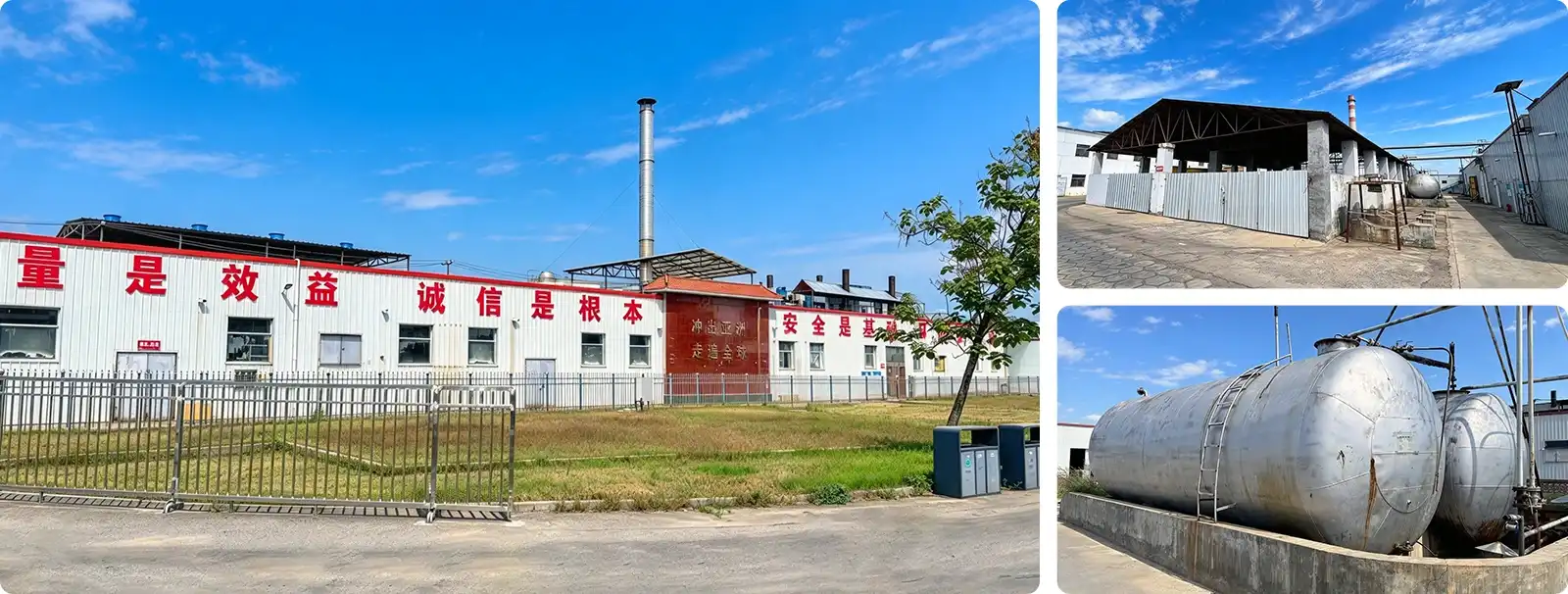
In a 27,000 m² factory that opened in 1988, it has been making acetate series products. The plant can make 150,000 tons of them every year. We have deicing solid potassium acetate that you can buy. ISO 9001, ISO 14001, and ISO 45001 have all accepted our business, and every batch comes with a full Certificate of Analysis. Whether you need 25 kg bags or a lot of bags that have been checked and found to be 99.0% pure, we can help you plan your winter operations. If you email sxzy@sxzhaoyi.com or go to sxzhaoyi.com, we can give you a price.
References
1. American Chemical Society. Chemical Properties and Industrial Applications of Potassium Acetate. Journal of Chemical & Engineering Data, 2018.
2. SAE International. AMS 1431: Compound, Solid Runways and Taxiways, De-icing/Anti-icing. SAE International Standards, 2020.
3. Transportation Research Board. Snow and Ice Control: Best Practices for Protecting Water Quality. NCHRP Report 577, National Academies Press, 2007.
4. ASTM International. ASTM C672/C672M: Standard Test Method for Scaling Resistance of Concrete Surfaces Exposed to Deicing Chemicals. ASTM International, 2019.
5. Federal Aviation Administration. Airport Winter Operations: Snow and Ice Control Handbook. FAA Advisory Circular AC 150/5200-30D, 2016.
6. Clear Roads Program. Pooled Fund Research on Winter Road Maintenance Best Practices. Clear Roads State DOT Pooled Fund Study, 2021.

USER EVALUATE
Here is the customer's evaluation of us