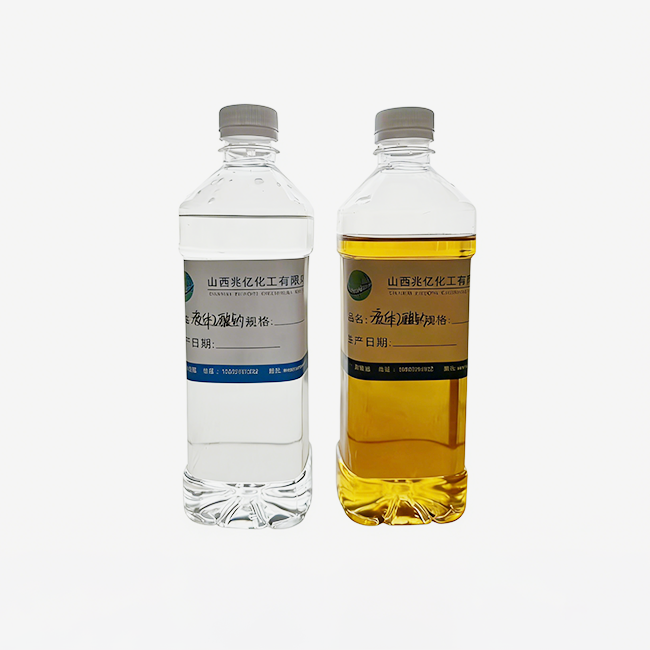
Deicing Solid Potassium Acetate for Railway Platform Ice Management
Railway platform safety during winter months depends heavily on selecting the right ice control agent. Deicing solid potassium acetate(CAS NO.: 127-08-2) (CH3COOK, CAS No. 127-08-2) has emerged as the preferred non-chloride solution for high-traffic transit infrastructure across the United States and Europe. Unlike conventional rock salt, this white crystalline compound maintains reliable performance down to -30°C, resists corrosion on metal and concrete surfaces, and biodegrades naturally in the environment. For procurement managers and maintenance engineers responsible for passenger safety, understanding its chemistry and application value is an essential starting point.

Understanding Potassium Acetate Deicing Solid and Its Role in Railway Platform Ice Management
Railroad platforms are a very difficult place to de-ice because of the snow and ice. In a small area where chemical compatibility is a must, steel tracks, reinforced concrete, signal wires, and a lot of foot traffic all coexist. Deicing solid potassium acetate takes care of all of these issues because of the way its molecules are structured and how they behave physically.
Chemical and Physical Properties That Matter
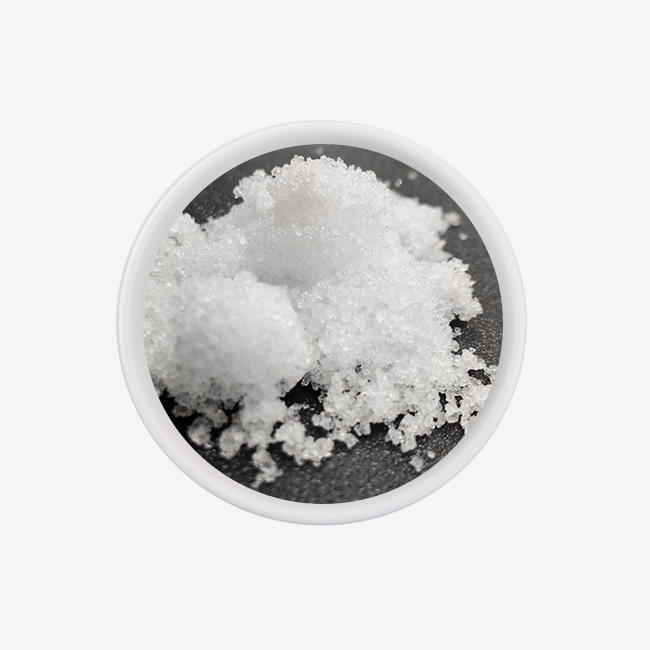
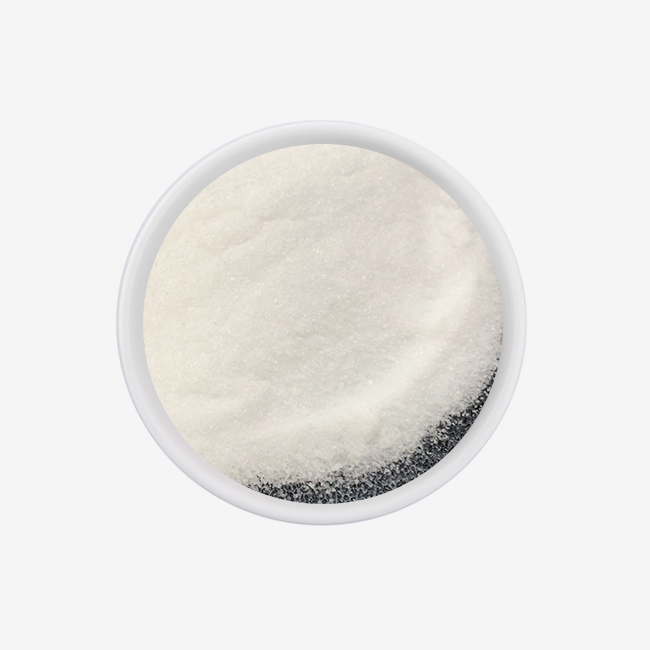
With a molecular weight of 98.14 g/mol, deicing solid potassium acetate is easy to dissolve in alcohol, acids, and water. The temperature at which it melts is as low as -60°C, and it still works well at -30°C (-22°F). When the compound comes into contact with water, it dissolves exothermically, which means it gives off heat instead of absorbing it. This makes the ice-bond breaking faster on platform surfaces. The product is at least 99.0% pure CH3COOK, with chloride levels kept at less than 0.2%, and iron levels kept at less than 0.05%. This makes sure that the melting process is consistent and doesn't pollute nearby drainage systems.
Why Railway Platforms Specifically Benefit?
When chloride salts come in contact with steel, it rusts quickly. A 2019 study from the American Society of Civil Engineers says that rust caused by chloride costs U.S. infrastructure about $276 billion a year. Chloride is completely blocked by deicing solid potassium acetate, which protects rail fasteners, platform edge framing, and cable conduits without slowing down or limiting deicing.
Comparing Potassium Acetate with Alternative Deicers for Railway Platforms
More than temperature performance is needed to choose the right deicer. For business-to-business buyers, corrosiveness, environmental liability, governmental approval, and total lifetime cost are all things that they need to compare.
Head-to-Head: Potassium Acetate vs. Common Alternatives
There are a number of chemicals available on the market for deicing, and each has its own pros and cons. Here's how deicing solid potassium acetate rates on the factors that matter most for buying a railroad platform:
- Calcium chloride quickly melts ice and works at temperatures as low as -29°C, but the chloride in it makes steel tracks and concrete support rust faster. Drainage runoff can also raise the chloride levels in the soil above what is safe for plants nearby.
- Sodium chloride (rock salt) is still the cheapest option, but it stops working below -9°C and causes major structural damage after multiple seasons of use. For railroad platforms that are used for a long time, the costs of maintenance tend to be higher than the money saved in the beginning.
- Urea works well on flat surfaces, but it stops working below -7°C and adds a lot of nitrogen to stormwater systems, which makes it more likely that people will follow the rules near protected waterways.
- Magnesium acetate is biodegradable and doesn't rust, similar to deicing solid potassium acetate. However, it melts more slowly and costs more per unit, which makes it less useful for regular maintenance on large platforms.
Solid deicing solid potassium acetate consistently leads this group in temperature range, infrastructure compatibility, and environmental clearance. This means that transit agencies that are taking care of old station infrastructure will have a lower total cost of ownership.
Solid vs. Liquid Potassium Acetate for Platform Use
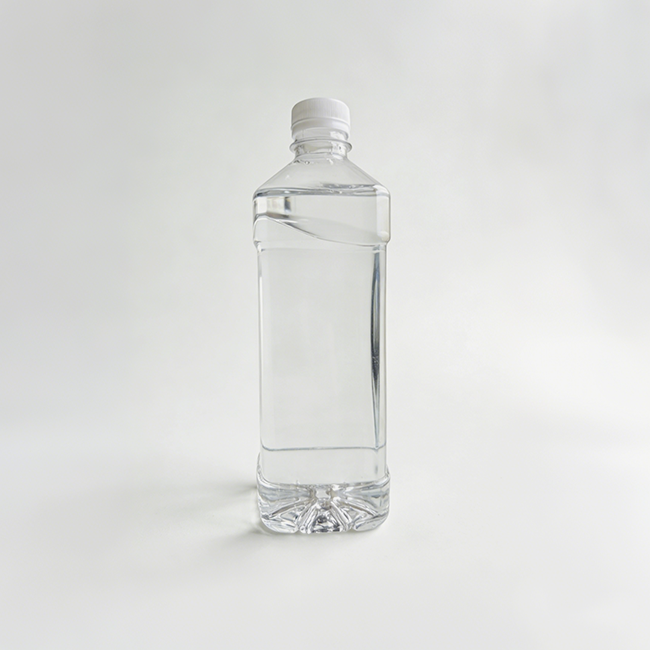
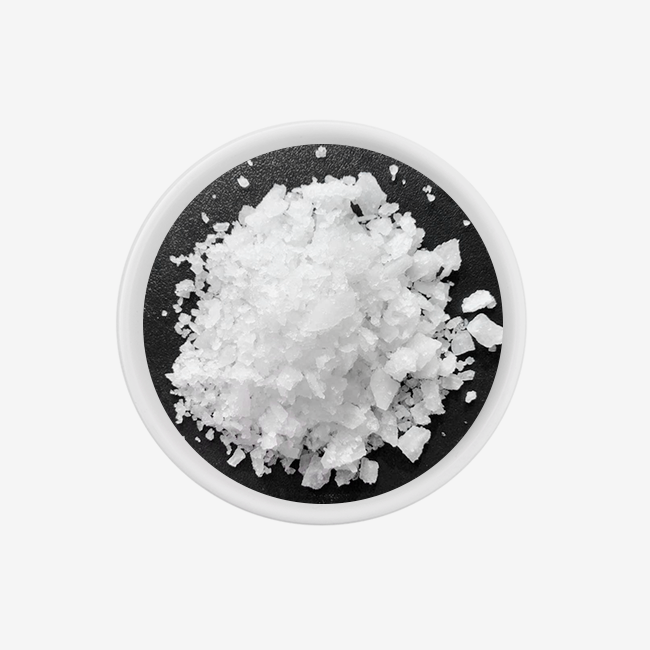
On smooth runways, liquid deicing solid potassium acetate works well as a pre-treatment for de-icing. Solid granules, on the other hand, give you better grip on the ground and let you apply them by hand to places that spray equipment can't reach, which is very helpful on busy train stations. Many airport and transit companies use both types together. They do this by mixing liquid deicing solid potassium acetate with solid granules first to make them less likely to bounce while they're being spread out and to start the melting reaction as soon as they touch.
Application Methods and Best Practices for Using Potassium Acetate on Railway Platforms
How well the product works is directly related to how it is used. When you use too little, dangerous ice patches form, and when you use too much, you waste product and make the drainage load higher than it needs to be.

Recommended Spreading Rates and Timing
According to the Clear Roads Pooled Fund Study, deicing solid potassium acetate products should be applied at rates of 150 to 300 pounds per lane mile on concrete areas. A focused hand-broadcast or walk-behind spreader covering about 20–30 grams per square meter works well for pedestrian-scale railroad stations because it covers well without too much runoff.
Timing is very important. Putting down granules before it starts to rain makes it easier to remove the ice after the storm because it doesn't stick to the platform substrate as well. When snow is falling, maintenance crews should repeat every two to three hours, based on how fast the snow is falling and how cold it is.
Handling and Storage Protocols
Deicing solid potassium acetate is hygroscopic, which means it easily takes in water from the air. To keep things from caking, it must be stored in a dry, well-ventilated warehouse that is away from sources of heat. Smaller city stockrooms can use 25 kg plastic woven bags for packaging, while 1,000 kg ton-bags can handle big transit hubs' yearly bulk needs. The people who work with the product should wear standard PPE, like gloves and eye protection, even though the compound is not classified as acutely toxic according to standard occupational health guidelines.
Procurement Considerations for Buying Potassium Acetate Deicing Solids
When looking for deicing solid potassium acetate for railroad infrastructure, procurement teams should use an organized evaluation strategy that goes beyond unit price.
Supplier Qualifications and Certifications to Verify
For reliable supply of deicing solid potassium acetate during the busiest winter months, you need a manufacturer whose production capacity has been checked and whose quality systems have been documented. ISO 9001 (quality management), ISO 14001 (environmental management), and ISO 45001 (occupational health and safety) are some of the most important certifications that you should ask any provider for. Every package should come with proof of tracking at the batch level and test records from a third party that check for cleanliness, chloride content, and moisture level. For businesses with EPA or state-level environmental permits, they must have compliance paperwork like Safety Data Sheets (SDS) and full specification sheets.
Having flexible packaging is another way to make buying more efficient. If a supplier has both 25 kg retail-compatible bags and 1,000 kg bulk ton-bags, transit authorities can make sure that order volumes match storage space and application logistics without having to pay too much for repackaging.
Environmental and Safety Impacts of Using Potassium Acetate on Railway Platforms
Environmental responsibility has become a separate requirement for U.S. transit companies that have to follow government sustainability rules when they buy things. It is possible to measure whether deicing solid potassium acetate meets this standard.
Biodegradability and Aquatic Toxicity Profile
Acetate ions break down quickly in aerobic water and soil that are aerobic through normal microbial pathways. A study in the Journal of Environmental Management shows that deicing solid potassium acetate has a much lower biochemical oxygen demand (BOD) effect on stormwater systems than urea. This means that there is less chance that oxygen will be used up in water bodies downstream. Because it is not very toxic to water, it can be used on platforms next to urban drainage systems or protected marsh areas.
Infrastructure Longevity Benefits
Getting rid of chloride from platform upkeep chemicals makes reinforced concrete slabs, steel expansion joints, and embedded signal lines last longer. Transit agencies that switched from chloride-based deicers report noticeable drops in the amount of money they spend each year on fixing concrete. This is a financial result that supports the long-term value case for deicing solid potassium acetate, even though it seems to cost more per unit at first.
Conclusion
Managing ice on railroad platforms needs a deicer that strikes a mix between speed, protecting infrastructure, and being good to the environment. Deicing solid potassium acetate(CAS NO.: 127-08-2) meets all three requirements: it has been used in aviation and transit infrastructure around the world, its chemistry has been proven, and its certifications have been checked. If purchasing managers look at the total cost of ownership instead of just the unit price, this is a good, defensible design choice that keeps people and property safe in the worst winter weather.
FAQ
How low a temperature does solid potassium acetate remain effective?
It is possible for deicing solid potassium acetate to melt ice at temperatures as low as -30°C (-22°F), and its eutectic point is thought to be -60°C. This makes it reliable in almost all winter climates in North America.
Does potassium acetate damage railway tracks or concrete platforms?
No. As long as the chloride content stays below 0.2%, it doesn't really cause corrosion in steel rails, reinforced concrete, or infrastructure parts that are buried in the ground, unlike calcium chloride or sodium chloride alternatives.
What packaging options are available for bulk procurement?
Standard options include woven plastic bags of 25 kg for medium-sized orders and ton-bags of 1,000 kg for seasonal purchases of a lot of bags. You can get custom packaging arrangements if you ask for them.
How should the product be stored between seasons?
Keep in a dry, well-ventilated warehouse away from things that won't work with it. Because it absorbs water, moisture-proof covering is important to keep spreading equipment from caking and to maintain flow properties.
Is potassium acetate compliant with U.S. environmental regulations?
Yes. Its chloride-free formula and biodegradable deicing solid potassium acetate chemistry are in line with EPA stormwater management guidelines and help LEED-certified facility maintenance programs.
Partner with SHANXI ZHAOYI CHEMICAL for Reliable Deicing Supply
Acetate-series goods like deicing solid potassium acetate(CAS NO.: 127-08-2) have been made by SHANXI ZHAOYI CHEMICAL since 1988. They can make up to 150,000 tons of it every year and have ISO 9001, ISO 14001, and ISO 45001 certifications. We are a reliable producer of deicing solid potassium acetate and sell it to transit agencies, building builders, and chemical distributors all over North America and the world. Contact our team today at sxzy@sxzhaoyi.com or visit zhaoyichemical.com to get a bulk price, specs, or SDS documents.
References
1. American Society of Civil Engineers. 2021 Report Card for America's Infrastructure. ASCE, 2021.
2. Fischel, M. Evaluation of Selected Deicers Based on a Review of the Literature. Colorado Department of Transportation Research Branch, 2001.
3. Shi, X., Akin, M., Pan, T., Kuemmel, D., & Li, Y. "Deicer Impacts on Pavement Materials: Introduction and Recent Developments." Open Civil Engineering Journal, 2009.
4. Kelting, D. L., & Laxson, C. L. "Review of Effects and Costs of Road De-icing with Recommendations for Winter Road Management in the Adirondack Park." Adirondack Watershed Institute, 2010.
5. Ramakrishna, D. M., & Viraraghavan, T. "Environmental Impact of Chemical Deicers — A Review." Water, Air, and Soil Pollution, 2005.
6. Clear Roads Pooled Fund Study. Winter Maintenance Performance Measures and Best Practices. Clear Roads, 2019.

USER EVALUATE
Here is the customer's evaluation of us