



Deicing Solid Potassium Acetate for Industrial Pavement Maintenance
For a lot of money, not being able to do business during the winter if you don't have the right deicing agent can mean having to shut down. Deicing solid potassium acetate (CAS NO.: 127-08-2) is now the standard way to keep airport runways, bridges, and other important structures in good shape in the United States. In contrast to other chloride-based salts, this white crystalline compound can work at -30°C, breaks down naturally, and stops metal and concrete from rusting. It's a smart choice for any procurement team that cares about performance and following the rules because of this.
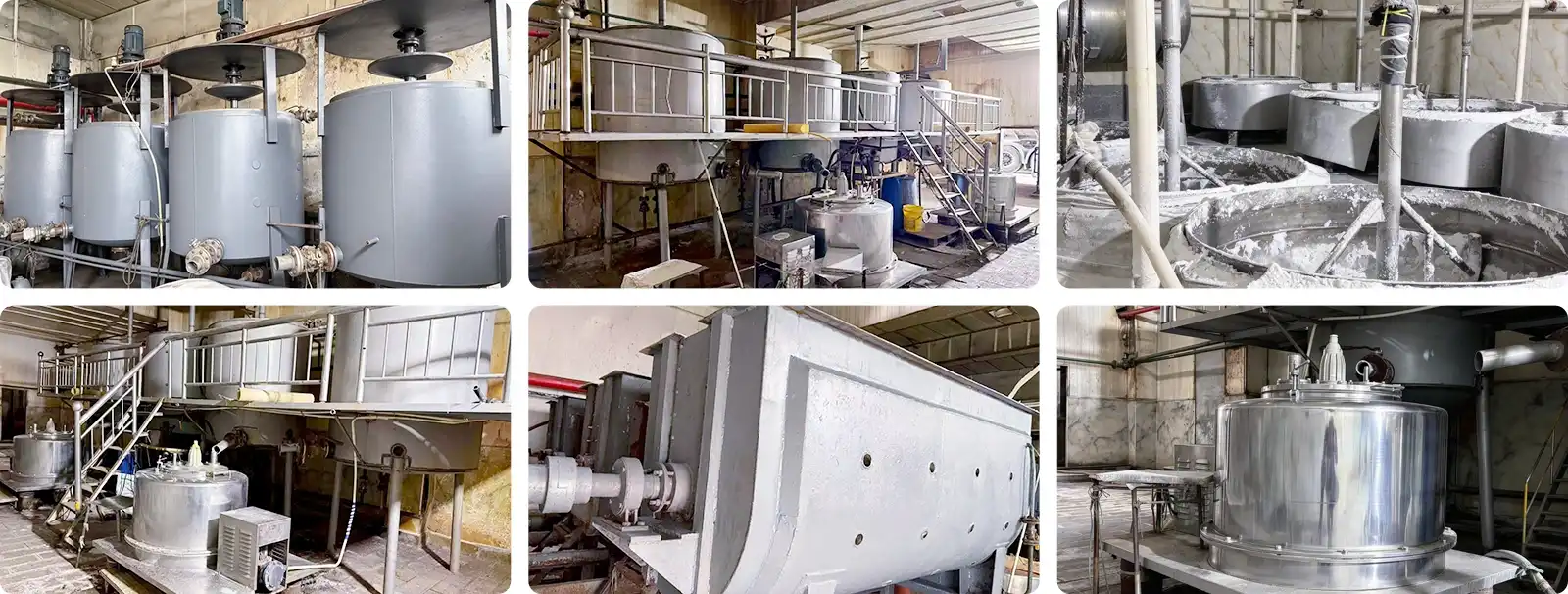
Understanding Potassium Acetate Deicing Solid
Chemical Identity and Physical Properties
The molar mass of potassium acetate (CH₃COOK; CAS No. 127-08-2) is about 98.14 g/mol. It is the potassium salt of acetic acid. Usually, it comes in the form of a white, crystalline mass that dissolves easily in water. For industrial deicing uses, the specifications for procurement should list the required purity, chloride content, iron content, moisture level, and other important factors. Each batch should then be checked against a mutually agreed-upon Certificate of Analysis (CoA).
How Does It Disrupt Ice at the Molecular Level?
Because of the chemical, it doesn't freeze as quickly. Potassium acetate melts the thin layer of liquid that covers ice to make the surface less slippery. When dissolved in water, potassium acetate dissociates into potassium ions (K⁺) and acetate ions (CH₃COO⁻). This makes dissolved particles more concentrated and lowers the freezing point of water. If the conditions are right, this process can help melt current ice and stop new ice from forming. The actual performance relies on how much is applied, the temperature, the thickness of the ice, the amount of wetness that is available, and how the product is made. Claims about how much heat is released during dissolution should be backed up by measured thermodynamic data, not guesses. This makes things melt faster because it heats them up. It can cut through the thickest black ice and break it up on the road, which makes it much easier to remove by hand.
Comparison with Traditional Deicers
Traditional chloride-based deicers, like sodium chloride and calcium chloride, can rust metals and break down some types of concrete when they are exposed to certain conditions. Another option is potassium acetate, which doesn't contain chloride and might work for some pavement and airport uses. But how well it works, how well it works with other materials, and how it affects the environment depend on the formulation, the rate at which it is applied, the temperature, and the conditions at the site. Rather than using a single temperature threshold, procurement teams should compare products based on corrosion testing, environmental assessments, verified low-temperature performance data, and the needs of the intended application.
Advantages of Potassium Acetate for Industrial Pavement Maintenance
When picking the best ice melt for a big job, you should look at more than just price. If you are in charge of infrastructure at an airport, an industrial yard, or a highway, you should always think about how well it works, how to protect assets, and how to protect the environment. Because of these key points, deicing solid potassium acetate is a strong alternative to other deicers.
- Low-temperature performance: How well potassium acetate works at low temperatures depends on how it is made, how much it is used, and the conditions at the site. Any claim that deicing works at -22°F (-30°C) should be backed up by test data that is specific to the device.
- Material compatibility: Potassium acetate is a chloride-free deicing option, but you should use product-specific compatibility and corrosion data to check how it reacts with metals, reinforced concrete, and other building materials. Long-term maintenance benefits should be backed up by test results or experience in the field.
- Response to deicing: Potassium acetate that has been dissolved drops the freezing point of water and, in the right conditions, can help melt ice off of hard surfaces. Temperature, application rate, ice thickness, and product mix all affect how fast and how well something melts.
- Concerns for the environment: potassium acetate breaks down naturally, but the process can use up dissolved oxygen in the water it enters. How well it works with the environment relies on how much is used, how waste is managed, and the conditions of the place. Before using a product near sensitive waterways, buyers should look at its environmental data.
- Pavement compatibility: Performance and material compatibility data for each product should be used to decide if it is suitable for use on asphalt, concrete, bridge decks, and parking structures. Any claim about not being affected by concrete scaling should include the test method, the version that applies, and test results to back up the claim.
How well solid potassium acetate works at low temperatures relies on how it is made, how much it is used, and the factors at the site. Any claim that deicing works at -30°C (-22°F) should be backed up by test data that is specific to the product.
Procurement Insights for Bulk Purchasing of Potassium Acetate Deicing Solids
Packaging and Order Quantities
Solid potassium acetate can be sold in different types of containers that are good for bulk storage and handling. Based on what the supplier offers, packaging could include woven bags that hold 25 kg and bulk bags that hold 1,000 kg. For large orders, customised packaging might be possible, but this needs to be confirmed first. The supplier says that they can produce 150,000 metric tonnes of goods every year. Before placing an order, buyers should check with the company directly to confirm current capacity, minimum order quantities, and delivery schedules.
Certifications to Verify Before Purchasing
People who want to buy potassium acetate should ask the seller for the latest product details, a Certificate of Analysis (CoA) for each batch, and a Safety Data Sheet (SDS). ISO 9001, ISO 14001, and ISO 45001 all have to do with quality management systems, environmental management systems, and workplace health and safety management systems, respectively. They do not, however, prove on their own that a product works or meets a flight deicing standard. For uses on airport runways, buyers should check the relevant SAE AMS1431 version and ask for test results and certification paperwork to back up their claims. Any claims that a product is Kosher or Halal should be checked against real certificates that are valid for that product.
Supplier Evaluation and Logistics
Buyers of solid potassium acetate should look at a seller's production capacity, minimum order amounts, wait times, knowledge of exporting, quality control processes, and ability to handle transportation when choosing a supplier. The company information from the supplier says that SHANXI ZHAOYI CHEMICAL has been in business since 1988 and has a facility in Shanxi, China. Buyers should check on their own to make sure that the current information about the facility, its production capacity, its export markets, and any necessary licenses is correct. Before placing a bulk order, asking for a representative sample and looking over the quality documentation can help you decide if the product meets the needs of the application.
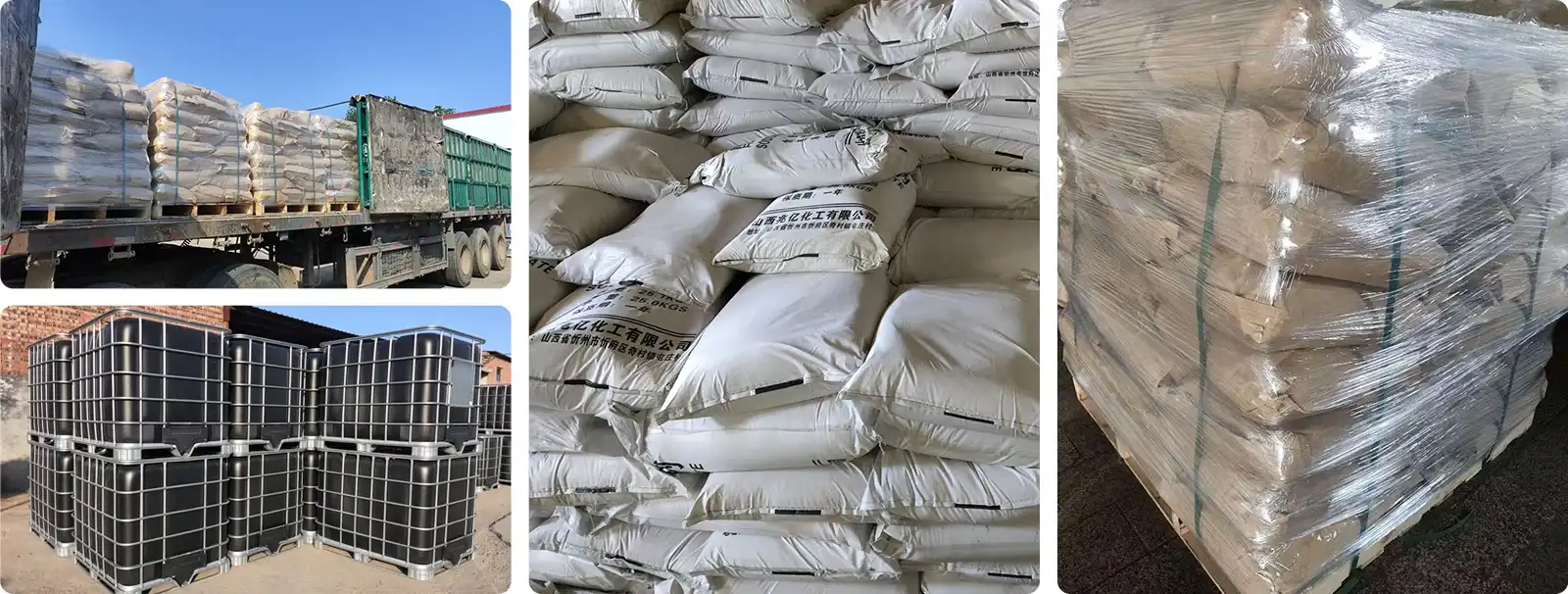
Best Practices for Storage, Handling, and Safe Usage
Optimal Storage Conditions
It is hygroscopic, which means that potassium acetate can take in water from the air. Follow the supplier's storage instructions and keep the product in a dry, well-ventilated area. Keep it away from moisture and too much heat. Moisture can cause caking, which makes the product harder to move. Keep the product in its packaging until it's time to use it.
Safe Handling Protocols
PPE should be worn by anyone who packs, dumps, or spreads deicing solid potassium acetate (CAS NO.: 127-08-2). These include dust masks, safety glasses, and gloves that can handle poisons. It's not very dangerous, but don't get it in your eyes or leave it on your skin for too long. Avoid strong oxidisers and other things that won't work with it at all times.
Environmental Compliance on Application Sites
The BOD amount in the water can go up if you put too much of the product near storm drains, retention ponds, or riparian zones, even if the product breaks down on its own. To keep good environmental management records at your business, make sure you follow the EPA's rules for stormwater flow and record how quickly the water is being treated.
Future Trends and Sustainability in Industrial Deicing
Growth of Non-Chloride Deicing Agents
For some airport and infrastructure uses where chloride exposure is a concern, deicing agents that don't contain chloride are being considered. Product choice should take into account how well it melts ice, how well it works with other materials, how it affects the environment, how it's used, and how much it costs over its whole life. Before publishing market growth rates or damage estimates to infrastructure, publishers should check the numbers against the original research report and make sure the source backs up the claim.
Pre-Wetting Technology and Blended Formulations
If the right conditions are met, pre-wetting solid deicing materials with a compatible liquid formulation may help improve distribution and lower the loss of particles during spreading. How well pre-wetting works depends on the material, the ratio of liquid to solid, the equipment used, the conditions of the pavement, and the weather. Any claim of lower application costs or wider reach should be backed up by field data that compares the two.
Corporate Sustainability Alignment
If a company wants to do a better job of taking care of the environment, they should look at deicing products based on checked environmental data, material compatibility, and the needs for managing runoff. Potassium acetate could be used as part of a facility's deicing and environmental management plan, but using it doesn't mean that the facility is in compliance with ISO 14001 or that the project can get LEED credits. Before making environmental claims, buyers should look over the certification requirements and any supporting documents.
Conclusion
For some industrial pavement and infrastructure uses, deicing solid potassium acetate (CH₃COOK; CAS No. 127-08-2) can be used instead of chloride-based products to melt snow and ice. It should be evaluated based on its low-temperature performance, compatibility with other materials, suitability for the intended application, and potential environmental impact. Although potassium acetate is biodegradable, proper application and runoff management remain important. Before making a bulk purchase, buyers should verify the product specifications, batch-level quality documentation, applicable standards, and the supplier’s production capacity to ensure the product meets their operational requirements.
FAQ
Is potassium acetate suitable for all pavement types?
Yes. It can be used on asphalt, concrete, and mixed-material roads. Testing with ASTM C 672 shows that it doesn't make the surface of concrete flake off. This means it is safe for use on bridge decks, parking lots, and airport runways.
How does it compare to rock salt on cost?
Even though rock salt costs less per tonne, acetate-based deicers are often more cost-effective for high-value assets over the course of a winter season because they don't need to be applied as often and don't harm the environment.
What precautions apply near water bodies?
Even though potassium acetate breaks down naturally, too much runoff into waterways can temporarily raise BOD levels. Apply at the right rates and don't spread in safety zones next to streams or holding ponds.
Can it be used as an anti-icer before a storm?
Yes. If potassium acetate is used before it starts to rain, it stops ice from sticking to the ground. This means that less product is needed during the storm.
Does it damage aircraft components?
No. When made according to SAE AMS 1431 standards and treated with rust inhibitors, it saves aluminium metals, carbon brakes, and cadmium-plated landing gear parts. This is why it is the usual choice for deicing airport runways that follow the rules.
Partner with SHANXI ZHAOYI CHEMICAL for Bulk Deicing Solid Potassium Acetate Supply
This type of chemical has been made by SHANXI ZHAOYI CHEMICAL since 1988. Each year, the company can make up to 150,000 tons of chemicals. It is certified by ISO 9001, ISO 14001, ISO 45001, Kosher, and Halal. We make deicing solid potassium acetate and can handle big orders. We can also provide all the paperwork that is needed, like CoA, MSDS, and SAE AMS 1431 compliance records. Get in touch with our buying team right away to get a sample of the product, more information, or help figuring out how much it will cost when bought in bulk. We can be reached at sxzy@sxzhaoyi.com or sxzhaoyi.com.
References
1. Transportation Research Board — Chloride-Based Deicers and Their Impact on Infrastructure, National Academies Press, 2014.
2. SAE International — SAE AMS 1431: Compound, Aircraft Deicing/Anti-Icing, Non-Newtonian (Pseudoplastic), SAE International, 2020.
3. Federal Aviation Administration — Airport Winter Safety and Operations, FAA Advisory Circular AC 150/5200-30D, 2016.
4. ASTM International — ASTM C 672: Standard Test Method for Scaling Resistance of Concrete Surfaces Exposed to Deicing Chemicals, ASTM International, 2012.
5. Fischel, M. — Evaluation of Selected Deicers Based on a Review of the Literature, Colorado Department of Transportation Research Branch, 2001.
6. Shi, X., Fay, L., Yang, Z., Nguyen, T.A., & Liu, Y. — Corrosion of Deicers to Metals in Transportation Infrastructure: Introduction and Recent Developments, Corrosion Reviews, 2009.

USER EVALUATE
Here is the customer's evaluation of us