



Bulk Deicing Solid Potassium Acetate: A Procurement Checklist
When procurement teams search for a dependable, non-chloride ice control agent, deicing solid potassium acetate(CAS NO.: 127-08-2) consistently ranks at the top. This checklist covers everything a B2B buyer needs to evaluate before placing a bulk order — from technical specifications and supplier certifications to storage requirements and supply chain risks. Whether you manage airport operations, highway maintenance, or eco-sensitive industrial sites, getting the sourcing decision right protects both your infrastructure and your budget.
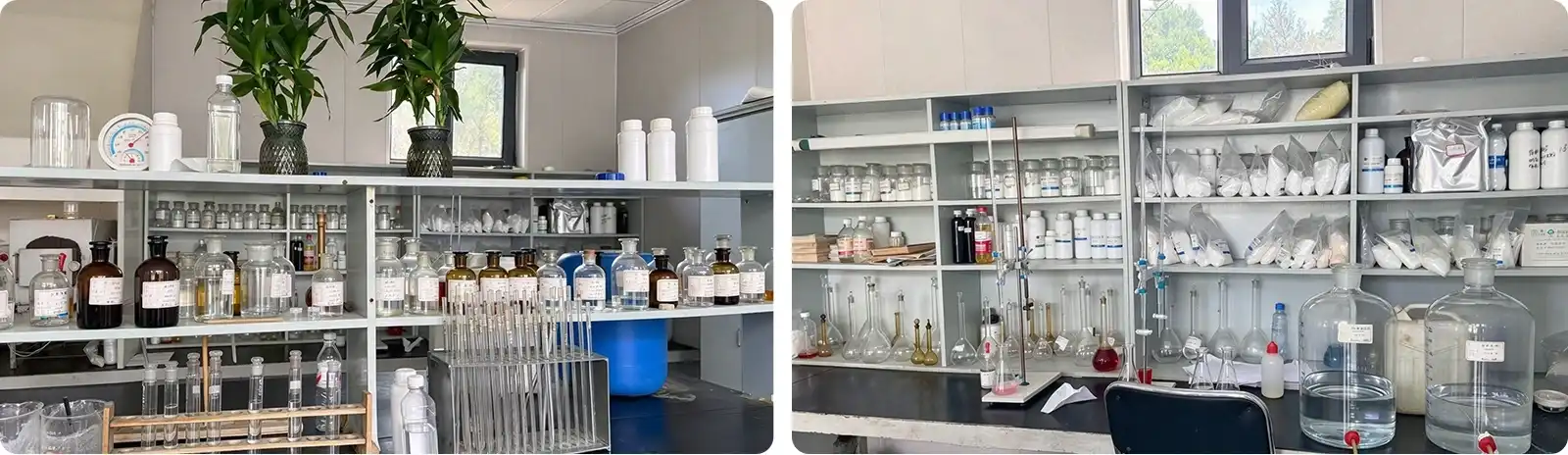
Understanding Bulk Deicing Solid Potassium Acetate
What Is It, Chemically Speaking?
Deicing solid potassium acetate (CH₃COOK, CAS No. 127-08-2) is a white crystalline solid with a molar mass of approximately 98.14 g/mol. Potassium acetate dissolves in water. Its behavior in acidic or alcoholic media depends on the specific conditions. It is 99.0% pure CH3COOK, has a water-insoluble content of 0.05%, and a chloride content of 0.20%, so it always works correctly even when things get tough.
How Does It Melt Ice So Effectively?
This is how it works: the chemical makes water less likely to freeze below 0°C. It can work well at -30°C (-22°F), even though its eutectic point is as low as -60°C. It gets too cold for rock salt to work at -9°C, but deicing solid potassium acetate can still be used in the very cold weather that is common in northern U.S. states and very high airports.
Why Is It Preferred Over Chloride-Based Agents?
Steel rebar, metal airplane parts, and concrete surfaces can all be broken down by chloride salts. Deicing solid potassium acetate doesn't have chloride in it and breaks down on its own, so it doesn't hurt plants, water runoff, or aquatic ecosystems much. The FAA and the SAE AMS 1431 standard both say that this is the best runway deicer. This shows that it is safe and good for the environment. This difference is very important for parks or buildings that are LEED certified.
Procurement Criteria: What B2B Clients Need to Know?
Verify Certifications Before Ordering
Deicing solid potassium acetate should only be sold by companies that are certified by ISO 9001 for quality management, ISO 14001 for environmental management, and ISO 45001 for occupational safety. For some uses, you may also need Kosher and Halal licenses. Safety Data Sheets (SDS/MSDS) should always be asked for and kept up to date. If the product is going to be used in a plane, it should also meet SAE AMS 1431. These papers make sure that the things you buy don't break the rules.
Evaluate Technical Specifications Carefully
Here are the most important things you should ask any supplier of deicing solid potassium acetate(CAS NO.: 127-08-2) before you place a large order:
- Potassium acetate (CH₃COOK) content: greater than 99.0%—this indicates the product's assay purity and affects its deicing performance per unit mass.
- Moisture Content: This should be kept very low (<1%) because the material soaks up water. If the moisture level is too high, the packaging could fail or start to harden.
- Chloride content (Cl⁻): ≤0.2%, subject to confirmation by the product's specification or Certificate of Analysis (CoA). Low chloride content may help reduce chloride-related corrosion risks.
- Ferrum(Fe): ≤0.05%—changes how stable the color is and how well the next layers work.
- Particle Size Distribution: Make sure that the sieve analysis tool can be used with your spreading so that it doesn't get clogged or cover unevenly.
These things show right away if the product does what it's supposed to do in the real world. It is normal to ask for test results that are specific to a batch instead of just general sheets of specifications. This protects your company.
Assess Supplier Capacity and Logistics
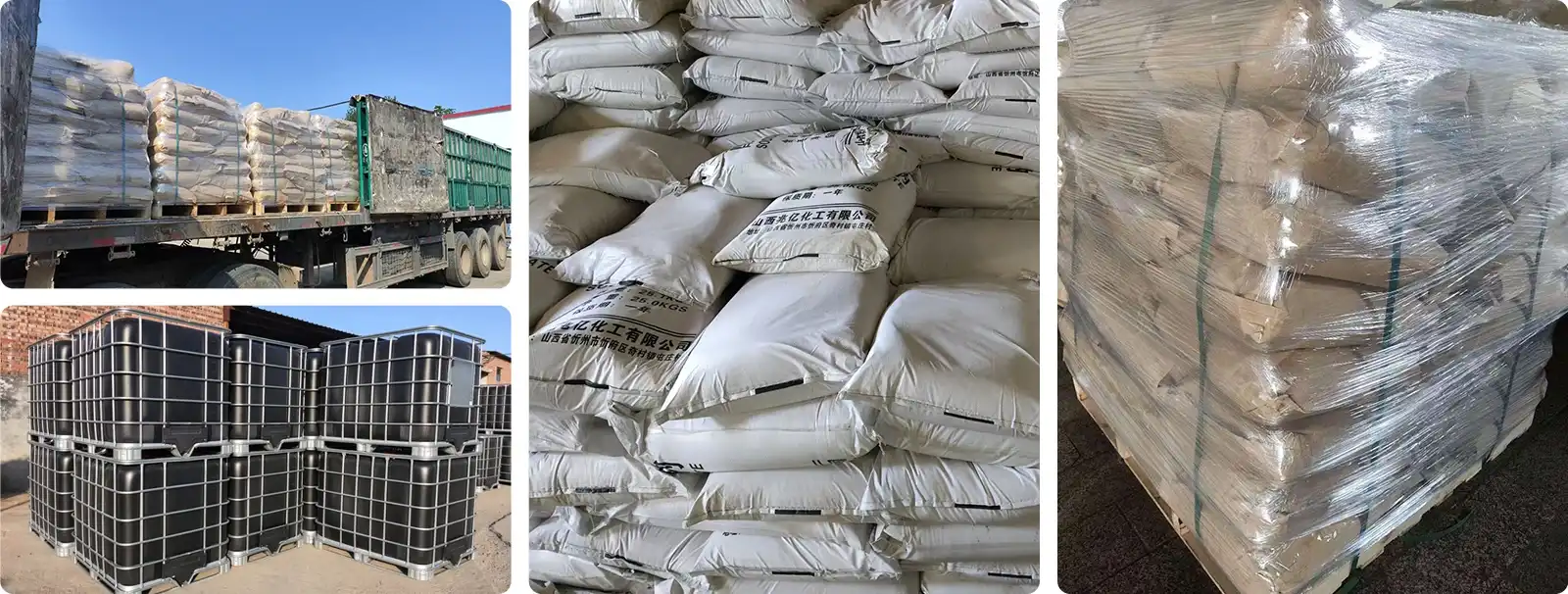
We have to make sure that the supply is always on. It is important to make sure that the manufacturer keeps enough production capacity each year to handle regular growth. SHANXI ZHAOYI CHEMICAL has been in business since 1988 and has a 27,000 m² plant that can make 150,000 tons of acetate a year. For easier handling, you can use 25 kg woven plastic bags, or for big loads, you can use 1,000 kg bags. You can also ask for hand-wrapping if you'd like.
Comparing Potassium Acetate with Other Deicing Agents
Potassium Acetate vs. Rock Salt (Sodium Chloride)
Even though rock salt is cheap, it doesn't work below -9°C and is very bad for metals and concrete. Deicing solid potassium acetate is better when it's cold because it doesn't hurt anything like chloride does. When it comes to airports, bridges, and parking spaces, the higher unit cost is often more than made up for by the money that is saved on winter repairs.
Potassium Acetate vs. Urea
One time, urea was used on runways. However, it adds a lot of nitrogen to the water that runs off of airports, which speeds up eutrophication in nearby bodies of water. Also, it doesn't work when the temperature is below -7°C. The acetate residue from deicing solid potassium acetate can biodegrade under suitable environmental conditions. Its oxygen demand should be evaluated using product-specific or application-specific data. This makes it the more environmentally friendly option that modern airport rules support.
Potassium Acetate vs. Calcium Chloride and Magnesium Chloride
There are chloride ions in both calcium chloride and magnesium chloride that break down metal and concrete over time. They both work pretty well at moderately low temperatures, but deicing solid potassium acetate is better in terms of its performance range and ability to meet standards for not corroding aircraft. In terms of technology, acetate-based products are the best choice for any project that needs a stable surface.
Application and Usage Best Practices
Pre-Wetting and Anti-Icing Strategies
Operations teams with a lot of experience mix deicing solid potassium acetate powder and liquid potassium acetate before spreading it. This makes the material less likely to bounce and spread out while it's being put down, and it starts melting as soon as it hits the ground. Reactive deicing, which is done after ice links have formed, is always more expensive than anti-icing, which means putting on the chemical before it starts to rain.
Storage and Handling Requirements
It is directly linked to how well something works and how it is stored. Store all items containing deicing solid potassium acetate in a warehouse that is dry, well-ventilated, and away from heat and water. Keep it away from things that are harmful or won't work with it. The material is hygroscopic, which means it takes in water from the air. It needs to be kept in a dry place with packing that keeps water out. As usual, when you receive something, check the quality of the packaging as soon as it comes.
Seasonal Procurement Planning
That's right, if you place your order in late summer or early fall, you can lock in prices before the busiest times of the year. You can use all of your storage space if you talk to the seller about when to send. For big airport or city contracts, making a long-term deal to buy from a reliable maker will keep you from having to worry about running out of supplies in the middle of winter. Because they've worked with foreign shipping companies for a long time, SHANXI ZHAOYI CHEMICAL can keep its delivery plans for US customers.
Addressing Common Challenges in Procurement
Detecting Substandard Product
Before you work with a new supplier, check their work with a third-party lab. Some of the most important tests are assay purity testing (≥99.0% potassium acetate, CH₃COOK), total immersion corrosion testing on steel and aluminum alloy 7075-T6, concrete scaling resistance testing according to ASTM C672, and moisture content analysis. Suppliers who won't give you test documents for each batch of deicing solid potassium acetate should be avoided.
Managing Regulatory Compliance
The FAA says that airports in the United States need runway deicers that meet SAE AMS 1431. Cities and towns that buy deicer from states with rules about protecting the environment from trash must also make sure that the BOD and nitrogen load are not higher than what is allowed. These standards are always met by deicing solid potassium acetate, but buyers should always check the state-level rules first.
Negotiating Contracts and Controlling Costs
Prices tend to be more stable for long-term supply deals than for spot sales. In order to make a good deal, you should look at the total landed cost instead of just the unit price. This is the price of the item plus the cost of shipping, customs duties, and storage. Getting deals based on volume with a direct manufacturer like SHANXI ZHAOYI CHEMICAL lowers markups for chemical sellers and wholesalers in the region and makes margins more stable.
Conclusion
To find bulk deicing solid potassium acetate(CAS NO.: 127-08-2) for ice control, you need to do more than just look at prices per ton. The groups that buy things need to check purity grades, make sure certifications are still valid, find out how much a supplier can do, and make plans for tasks that need to be done during certain times of the year. It's the best choice for airports, roads, and places that have to follow environmental rules because it doesn't rust and breaks down on its own. Buyers can be sure that their products will work and that they will keep getting them every winter if they have a good relationship with their seller and make sure that all of their information is correct.
FAQ
How low a temperature does potassium acetate remain effective?
Deicing solid potassium acetate has a eutectic point of about -60°C, which means it can still melt ice at -30°C (-22°F). This means it can be used in Alaska and most of the continental United States during the harsh winter months.
Is it safe for use near water bodies or vegetation?
Yes. In runoff, it makes a lot less biochemical oxygen demand (BOD) than alternatives based on urea or glycol because it breaks down on its own. At the suggested rates, it doesn't hurt trees or aquatic life very much, which is why it can be used in places that care about the environment.
What certifications should I verify before purchasing?
A current SDS or MSDS is a must. You should also have ISO 9001, ISO 14001, and ISO 45001. For use in aviation, make sure to follow SAE AMS 1431. Kosher and Halal licenses can be used for certain business or food-related tasks.
How should bulk shipments be inspected on arrival?
If you see any damage to the packaging from water, make sure you ask for the batch test report to confirm the purity and chloride content. Also, test a sample for moisture content before putting it away. If the packaging looks like it got caked up or darkened, it may have been broken during shipping.
Request a Quote from SHANXI ZHAOYI CHEMICAL
The company SHANXI ZHAOYI CHEMICAL has been selling acetate-based goods all over the world since 1988. They are ISO, Kosher, and Halal certified and can make up to 150,000 tons of goods every year. As a direct manufacturer of deicing solid potassium acetate, we can provide U.S. buyers with good paperwork at the batch level, flexible bulk packaging, and on-time delivery. Send us an email at sxzy@sxzhaoyi.com or visit sxzhaoyi.com to find out more about the goods and get a free price quote right now.
References
1. Society of Automotive Engineers. SAE AMS 1431: Compound, Solid Runway and Taxiway Deicing/Anti-Icing. SAE International, 2013.
2. Federal Aviation Administration. Airport Winter Operations: Runway Surface Condition Reporting. FAA Advisory Circular AC 150/5200-30, 2016.
3. Transportation Research Board. Environmental Impact of Airport Deicing Operations. National Academies Press, 2015.
4. American Concrete Institute. Guide to External Curing of Concrete (ACI 308R). ACI Committee 308, 2016.
5. ASTM International. ASTM C672: Standard Test Method for Scaling Resistance of Concrete Surfaces Exposed to Deicing Chemicals. ASTM International, 2012.
6. Nixon, W.A., and Ye, Z. Environmentally Sensitive Winter Road Maintenance Practices: A Review. Iowa Highway Research Board, 2012.

USER EVALUATE
Here is the customer's evaluation of us