



Deicing Liquid Potassium Acetate for Airport Aprons and Aircraft Taxiways in Winter
Deicing liquid potassium acetate(CAS NO.: 127-08-2) is a non-chloride organic snow-melting agent that airport crews spray on aprons and taxiways before a snow/ice event or after ice forms. A 50% solution of potassium acetate (CH₃COOK) has a freezing point of -59.4°C (-75°F). Actual performance still depends on pavement temperature, ice thickness, traffic, and application rate. This guide covers key properties, comparisons with other liquid deicers, application methods, safety documents, and bulk procurement, so airport operators and buyers can specify a winter product based on data.
Why Airport Operators Use Liquid Potassium Acetate in Winter Deicing
Operational Risks on Aprons and Taxiways
Frost, snow, and black ice reduce braking performance, delay aircraft towing, and interrupt ground-service operations. Aprons and taxiways are high-traffic operational areas where aircraft and service vehicles work close together, so a thin ice bond can slow an entire turnaround. Liquid potassium acetate lowers the freezing point of the water film on the pavement. This weakens the bond between ice and the surface and helps plows and sweepers remove it. Results depend on concentration, pavement temperature, ice thickness, traffic, and application rate, so each airport should check suitability against its own winter operating procedures and pavement type.
Anti-Icing Treatment Versus De-Icing Treatment
Anti-icing treatment is applied before a snow/ice event. De-icing treatment is applied after snow or ice has formed. SHANXI ZHAOYI CHEMICAL lists application rates of 25–50 g/m² for anti-icing and 50–150 g/m² for de-icing with its 50% liquid. The liquid can also pre-wet solid deicers, but any blend with other products should be cleared with the supplier's technical team first. Anti-icing needs less product per square meter, so timing matters. A treatment placed before frost or freezing precipitation can reduce the work needed after ice has bonded. Crews should record pavement temperature and forecast conditions at every treatment.
Ready-to-Use Product Versus Concentrate
Operators should know whether a product is ready to use or a concentrate that needs controlled dilution. The 50% liquid potassium acetate from SHANXI ZHAOYI CHEMICAL is listed as ready-to-use, so it can be sprayed without dilution, subject to an equipment compatibility check. A concentrate reduces storage volume but adds mixing accuracy, water quality, and dilution records to the program. Whichever format a buyer chooses, the freezing point must be stated for the exact concentration delivered, because a diluted solution does not keep the freezing point of a 50% solution. Final approval should rest on the technical data sheet, field trials, and airport operating procedures.
Key Properties of Potassium Acetate Deicing Liquid
Measurable Specifications Buyers Should Review
A potassium acetate deicer should be judged by measurable data, not by product name. The table below lists values from SHANXI ZHAOYI CHEMICAL product information for the 50% liquid. Confirm them against the current TDS and a batch COA, and ask for pH and pumping data for your spray system.
ParameterValueMolecular formulaCH₃COOK / C₂H₃KO₂CAS Number127-08-2Molecular weight98.14 g/molAppearanceColorless transparent liquidFreezing point (50% solution)-59.4°C (-75°F)Density (20°C)1.28 g/cm³Viscosity (25°C)≤15 cPFlash pointNon-flammableChloride content≤0.01%Ferrum (Fe) content≤0.002%Arsenic (As) content≤0.0004%Heavy metal (Pb) content≤0.01%Sulfate content≤0.05%
The eutectic temperature of potassium acetate in water is approximately -60°C. However, the practical working temperature differs from the freezing point, so when evaluating deicing liquid potassium acetate, request a de-icing performance test report.
Corrosion and Material Compatibility
Chloride-based deicers cause severe corrosion to concrete and steel reinforcement. That is why airports look for chloride-free options near reinforced pavement, steel joints, and ground equipment. The product information reports chloride content of ≤0.01%. GB/T 23851-2017 sets limits of ≤0.18 mm/a for carbon steel corrosion and ≤0.30 kg/m² for concrete deterioration. SHANXI ZHAOYI CHEMICAL states that its potassium acetate deicer shows over 90% lower corrosion than chloride-based deicers. Buyers should still request corrosion test reports covering aluminum, steel, concrete, and asphalt, and confirm the materials of tanks, hoses, and seals. Stainless steel and HDPE are listed as compatible storage containers.
Environmental Data and Runoff Control
Potassium acetate is an organic potassium salt, and its biodegradation consumes oxygen in receiving water. SHANXI ZHAOYI CHEMICAL lists BOD₅ below 0.25 kg O₂/kg and COD below 0.36 kg O₂/kg, and describes the product as readily biodegradable. Airports should compare these values with drainage design, runoff controls, and discharge limits before approval. U.S. sites should also review applicable EPA and state permit conditions. Oxygen demand does not remove the need for runoff management, and overapplication adds both cost and load. Environmental claims should always rest on the SDS and test data, not general statements.
Potassium Acetate vs. Other Liquid Deicing Solutions
Versus Chloride-Based Liquids
Calcium chloride and sodium chloride solutions are common pavement liquids and can work well in selected conditions. Their drawbacks are chloride loading in runoff and the corrosion management that follows. Potassium acetate removes chloride from the treatment chemistry, which suits areas near reinforced concrete and metal infrastructure. Compare products at the same concentration and with the same test method, using each supplier's eutectic and freezing-point data instead of generic figures. Potassium acetate has a higher unit cost per liter, so buyers should compare cost per treated area and long-term maintenance exposure.
Versus Propylene Glycol
Propylene glycol is generally associated with aircraft or specialized deicing applications. Pavement deicers and aircraft-surface fluids are different product categories with different standards, and one should not replace the other without technical approval. SHANXI ZHAOYI CHEMICAL positions its liquid potassium acetate as an airport pavement deicing/anti-icing fluid for runways, taxiways, and aprons. GB/T 25356-2024 and SAE AMS 1435E are listed among its relevant standards. Do not apply a pavement fluid to aircraft surfaces. Consult the supplier before mixing with any other deicing product, and ask which standard each test report covers before comparing offers.
Comparing Total Cost and Field Evidence
A fair comparison of deicing liquid potassium acetate covers delivered cost, application rate, treated-area cost, storage requirements, equipment compatibility, reapplication frequency, and closure risk. A lower unit price can cost more if it requires extra passes or leads to corrosion repairs. A higher unit price needs to be justified by consumption data. Controlled field trials provide better evidence than price lists or marketing claims. A trial should record pavement temperature, product consumption, treated area, ice release, refreezing, and operator feedback on a defined section of apron or taxiway. SHANXI ZHAOYI CHEMICAL can provide its de-icing performance test report upon request to help customers design the trial.
Application Methods, Winter Procedures, and Common Mistakes
Application Methods and Operating Procedures
Monitoring the weather, measuring the temperature of the pavement, spraying calibrated liquids, scraping the ice off mechanically, and inspecting the area after treatment are all important parts of effective airport deicing. Anti-icing before frost or freezing rain or snow makes ice stick together less. Corrective de-icing needs to be applied in a coordinated way, and any snow or ice that has been packed down needs to be removed mechanically. To keep the treatment even, operators should keep an eye on the vehicle speed, the coverage, the overlap, the flow rate, and the application width of the nozzles. Conditions for reopening should include the condition of the surface, friction, any remaining liquid, the risk of refreezing, aircraft movements, and a follow-up inspection. Any dilution or application rates must be in line with what the supplier says and the airport's winter maintenance plan.
Common Mistakes with Potassium Acetate Airport Deicer
It starts with picking a product by name that most failures happen with. On pavement, potassium acetate solutions that are different in their freezing points, concentrations, and inhibitor packages can act in very different ways. Too much dilution makes it hard to control the ice and causes it to freeze again, and too much application increases costs and runoff without guaranteeing better results. It is wasteful to ignore the temperature of the pavement and the weather forecast. Operators need to make sure that pumps and spray bars are calibrated, that they work with tanks, hoses, seals, and nozzles, and that they write down the conditions of the application. For environmental claims to be valid, test results and a site assessment that looks at things like oxygen demand, drainage, and discharge requirements are needed.
Building a Dependable Winter Deicing Program
A reliable program links weather forecasts, pavement sensors, liquid treatment, plowing, sweeping, monitoring of friction, and easy communication. Standard operating procedures should cover frost, freezing rain, light and heavy snowfall, compacted ice, and sudden changes in temperature, with deicing liquid potassium acetate(CAS NO.: 127-08-2) available as a suitable treatment option for appropriate pavement conditions. Operations, maintenance, safety, and purchasing should all have clear roles to play. Seasonal records of product use, treated area, timing, pavement temperature, reapplication, and closure length help with planning and buying. Also, airports should be ready for sudden increases in demand, delays in transportation, emergency restocking, different packaging, and a qualified backup supplier.
Technical Documents, Safety, Selection, and Bulk Procurement
Documentation and Safe Handling
Before approving a purchase, airport and procurement teams should collect a complete technical file. The main items are listed below.
The technical data sheet, product specification, SDS, and batch certificate of analysis (COA) are the documents that go with the product. For export shipments, SHANXI ZHAOYI CHEMICAL provides the commercial invoice, packing list, bill of lading, and Certificate of Origin. They also give the MSDS/SDS and TDS. Ask for batch tracking, a shelf life statement, and instructions on how to use the product.
Labeling, training for workers, PPE, spill containment, emergency response, and controlled transfer procedures are all parts of safe handling. The product isn't said to be flammable, but the SDS is still the best source for information on risks.
Storage: Keep in containers that are tightly sealed in a cool, dry, well-ventilated area. Keep away from heat, moisture, and sunlight, and keep away from things that are poisonous. Set up secondary containment and ways to keep people from getting to the site.
Airport use may also require review of aviation authority guidance, environmental permits, and pavement requirements.
Choosing the Best Liquid Potassium Acetate Deicer for Airports
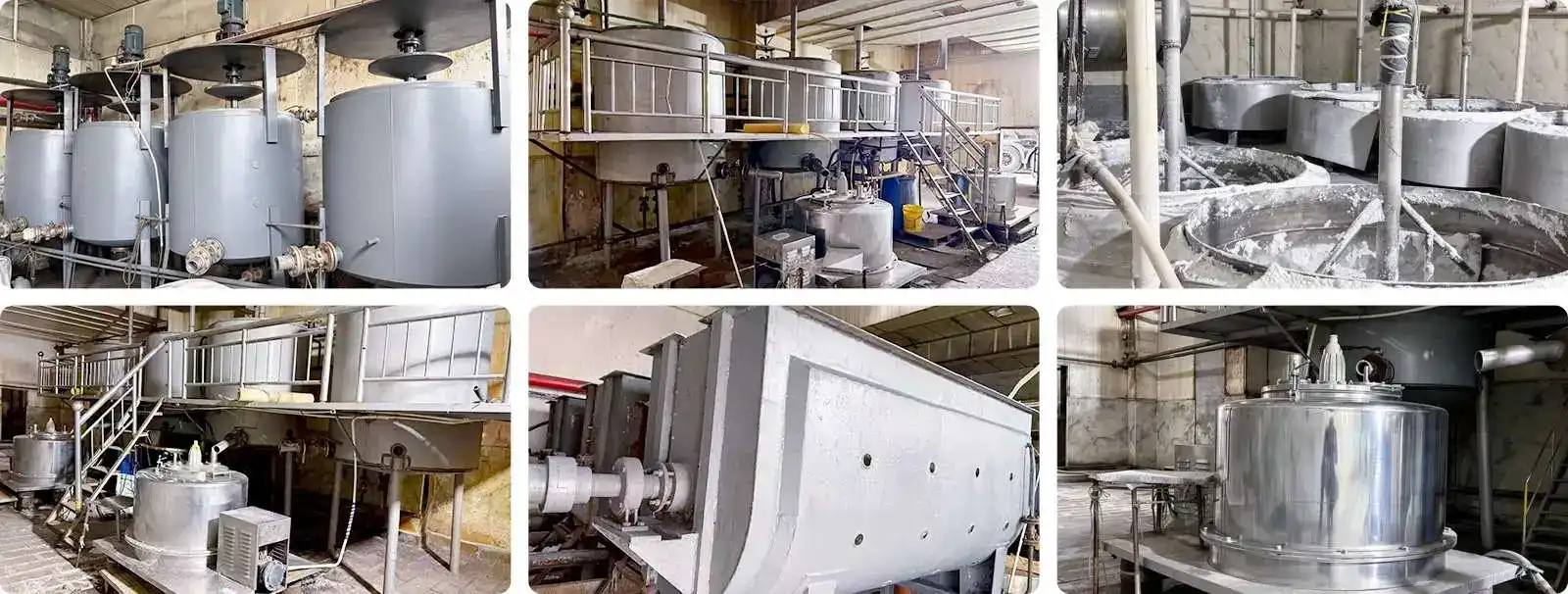
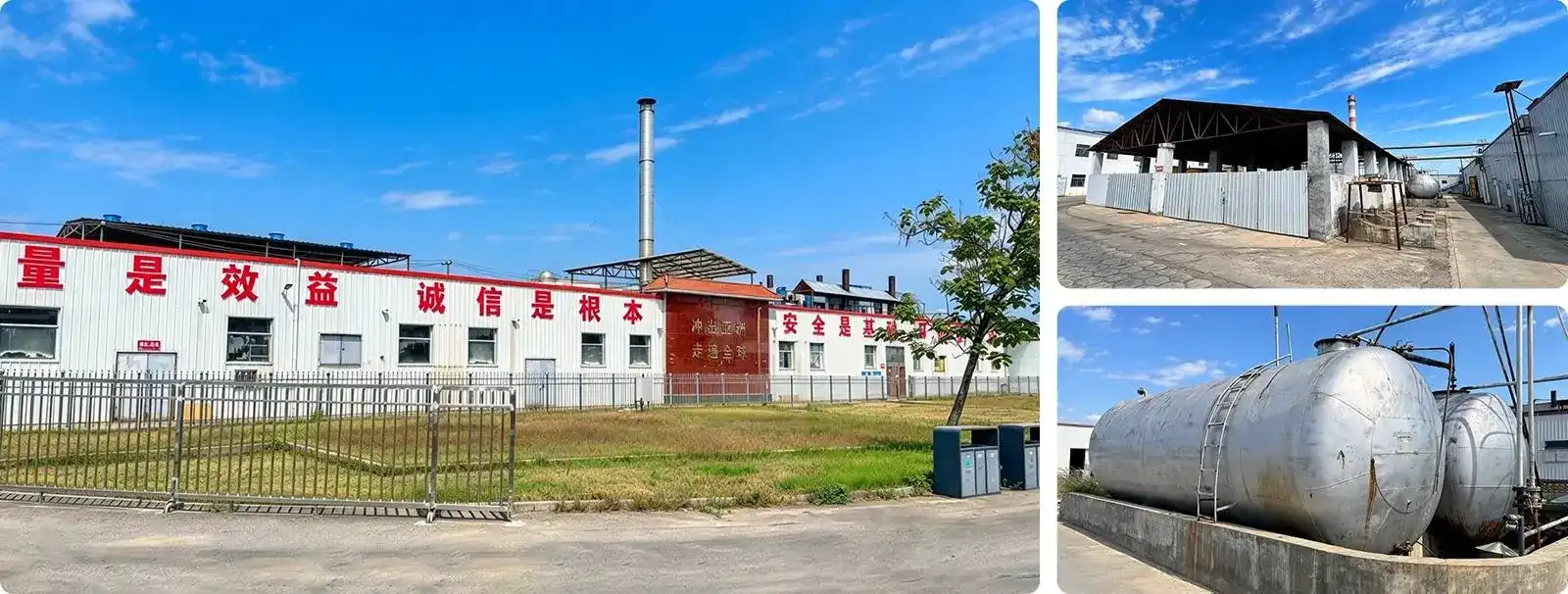
Concentration or unit price alone doesn't tell you which product is best; the operating situation does. Start by looking at the weather, the lowest temperature of the pavement, the type of precipitation, the treated area, the amount of traffic, the spray equipment that is already there, the storage space, and the environmental limits. Then, look at suppliers' data on corrosion, freezing points, batch consistency, quality systems, production capacity, lead times, and technical support. SHANXI ZHAOYI CHEMICAL was established in 1988 and is certified by both ISO 9001 and ISO 14001; its acetate product line can make 150,000 tons of acetate every year. Delivery, application rate, storage, reapplication, and downtime should all be added to the total cost.
Bulk Procurement and RFQ Preparation
When the RFQ is clear, suppliers can quote similar terms. Concentration required, freezing point, volume seasonal and yearly, packaging, destination, delivery timetable, paperwork, trial quantity, Incoterms, and payment terms you expect. SHANXI ZHAOYI CHEMICAL has a list of 1,000 L IBC tanks, 200 L plastic drums, bulk tankers and Flexitanks, so both large airports and smaller sites can choose a format that works for them. “Check unloading requirements, tank capacity, minimum order quantity, customs paperwork, seasonal availability, and contamination controls.” Customers can choose between FOB or CIF terms, and the company says it usually takes an average of 5-7 working days to produce. Check the times on each order.
Conclusion
The deicing liquid potassium acetate(CAS NO.: 127-08-2) offers airport workers a chloride-free solution for treating aprons and taxiways to prevent and melt ice, but its effectiveness depends on verified performance data. The 50% solution freezes at -59.4°C (-75°F). However, its real-world effectiveness depends on pavement temperature, ice depth, traffic volume, and application rate. Approval should be based on corrosion data, oxygen demand values, and equipment compatibility. To enable fair comparisons with chloride-based liquids and propylene glycol, buyers should use the same concentration, test methods, and cost per treated area. Proper record-keeping, equipment calibration, and controlled field trials help reduce the risk of overapplication and dilution errors. A complete set of technical documents and a clear RFQ will help finalize the selection process.
FAQ
What is the freezing point of a 50% potassium acetate solution?
It is -59.4°C (-75°F). Practical working temperature depends on pavement conditions, so request the de-icing performance test report.
Can it be used on both aprons and taxiways?
Product information lists runways, taxiways, and aprons as applications. Confirm suitability with your airport procedures and aviation authority requirements.
What packaging is available?
Options are 1000 L IBC tanks, 200 L plastic drums, bulk tankers, and Flexi-tanks. Custom packaging is available.
Which documents come with each order?
SHANXI ZHAOYI CHEMICAL provides COA, MSDS/SDS, and TDS, and also export documents like a commercial invoice and a Certificate of Origin.
What should an RFQ include?
Concentration, target freezing point, annual and seasonal volume, packaging, destination, delivery schedule, Incoterms, and trial quantity.
Which trade terms and ports are supported?
We can provide FOB and CIF terms, with loading ports in Lianyungang, Qingdao, or Shanghai. Confirm lead time per order.
Request a Deicing Liquid Potassium Acetate Quote for Airport Aprons and Taxiways
Send your airport location, climate, target temperature range, estimated volume, packaging preference, and spray equipment details to SHANXI ZHAOYI CHEMICAL at sxzy@sxzhaoyi.com. The technical team can review your requirements for a deicing liquid potassium acetate supplier, share the TDS, SDS, and COA, and discuss samples, trial quantities, and export terms for your apron and taxiway program.
References
1. Federal Aviation Administration, Advisory Circular 150/5200-30D, Airport Field Condition Assessments and Winter Operations Safety, 2014
2. Transportation Research Board, NCHRP Report 577, Guidelines for the Selection of Snow and Ice Control Materials to Mitigate Environmental Impacts, 2007
3. U.S. Environmental Protection Agency, Airport Deicing Effluent Limitations Guidelines, 40 CFR Part 449, 2012
4. Standardization Administration of China, GB/T 23851-2017, Snow-melting Agent, 2017
5. Standardization Administration of China, GB/T 25356-2024, Airport Pavement Deicing/Anti-icing Fluid, 2024

USER EVALUATE
Here is the customer's evaluation of us