



Airport Runway Solid Potassium Acetate for Taxiway and Apron Maintenance
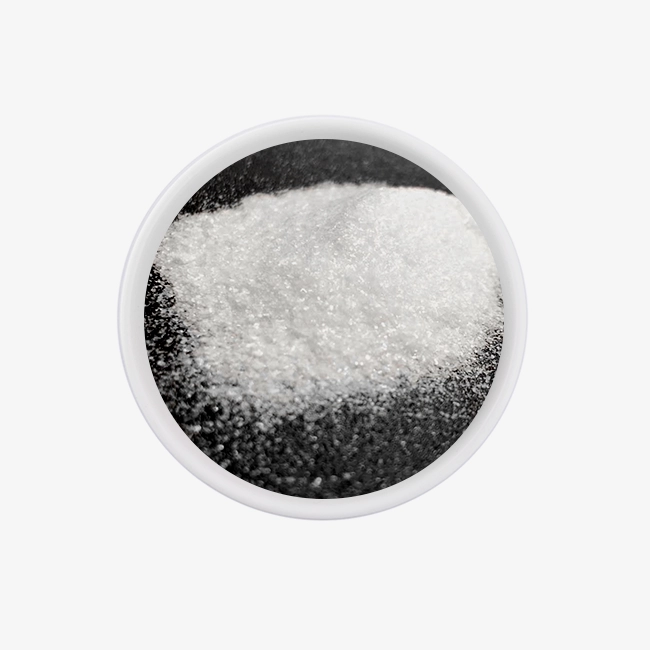
Airport Runway Solid Potassium Acetate (CAS 127-08-2, CH₃COOK) is a high-quality aviation-grade de-icing compound designed for taxiways and aprons. This white crystalline powder dissolves quickly in water and works at temperatures as low as -60°C, while chloride-based salts can corrode aeroplane metals and damage roads. It is suitable for treating aluminium, magnesium, and cadmium aeroplane components and meets strict environmental requirements according to SAE AMS 1431 standards. It provides a reliable and responsible solution for airport managers and procurement teams across the United States to remove ice from airport surfaces.
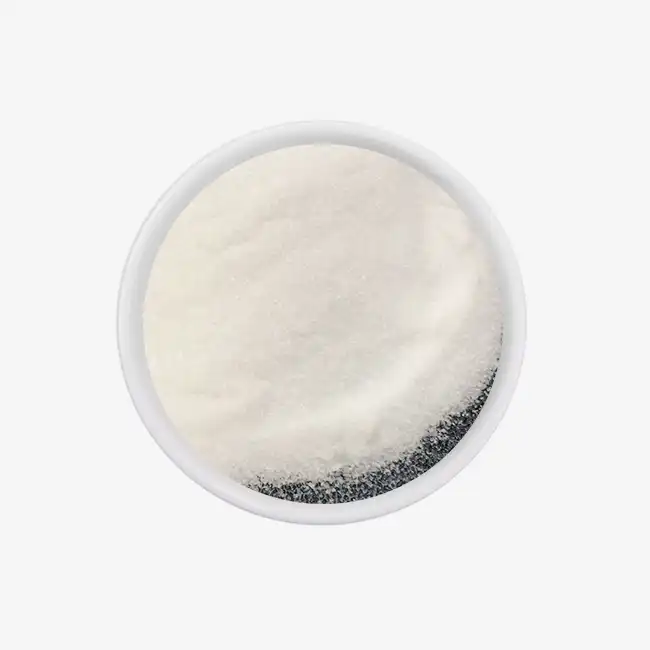
Understanding Potassium Acetate for Airport Runway Maintenance
Organic acetate salts are what you get when you mix Airport Runway Solid Potassium Acetate with other chemicals. It has a molecular weight of 98.14 g/mol and is made up of white, crystalline grains that dissolve easily in water, alcohol, and acids. When it hits icy concrete, it releases heat, which quickly breaks the connection between the ice and the runway surface. This makes a layer of salt water that stays frozen.
How Does It Melt Ice and Prevent Snow Accumulation?
It actively takes water from the air around it because it is hygroscopic. This makes it melt faster when it comes in contact with ice. Being able to work at -60°C, it's much better than urea, which stops working at -7°C. Chunks stay put on the ground even when jet blasts hit them because they are heavy (0.8 to 0.9 g/cm³). This covers the wide taxiways and aprons all the way around.
Environmental and Safety Profile
Airport Runway Solid Potassium Acetate doesn't release dangerous ammonia when it breaks down. This is a big improvement over urea-based cleaners, which the EPA doesn't let most of the time because they hurt marine life. It doesn't put too much stress on stormwater systems near airports since it doesn't need a lot of organic oxygen. It is safe for people on the ground to work near cleaned areas, and the water doesn't pose much of a threat to the plants nearby.
Comparing Potassium Acetate with Other Runway De-Icing Chemicals
Before you buy de-icing products, make sure you make the right pick. You might hurt parts of the plane, break the rules about the environment, or lose service if you make the wrong choice. Here's how Airport Runway Solid Potassium Acetate compares to the most common choices:
- Calcium chloride and magnesium chloride are easy and cheap to melt ice with, but they also make metals used in airplanes, rebar in concrete, and airport lighting systems rust faster. This is the reason why airport officials don't let people use them on the ground next to runways.
- Urea used to be the norm, but now most major companies don't use it. It only works at -7°C and gives off ammonia compounds that are bad for aquatic ecosystems and are against the rules for letting stormwater out.
- Sodium formate works pretty well at low temperatures, but it is more likely to rust than potassium acetate, and it doesn't have as much approval history under SAE AMS 1431E.
- Glycol-based fluids (such as propylene glycol) are often used to de-ice planes, but they need a lot of infrastructure to catch the water that runs off. They aren't good enough to use as the only way to melt snow on busy taxiways.
These trade-offs make it clear that potassium acetate-based options are better for airports that care about the safety of planes, the longevity of the pavement, and following environmental rules. It is the best choice for both regular and year-round winter operations programs because it can work in temperatures as low as -60°C and doesn't corrode.
How to Apply Potassium Acetate for Effective Taxiway and Apron Maintenance?
The way an application is used has a direct effect on how activities turn out. Surfaces stay safe during bad weather, planes are saved, and chemicals are used less when the right amount of Airport Runway Solid Potassium Acetate is used at the right time.
Three Core Application Scenarios
In different situations, solid grains of potassium acetate are used for different things:
- Curative de-icing in extreme cold: Liquid ice melters may freeze before they can get through the ice when it's below -10°C. Granules that are solid can go through ice that is up to 6 mm thick. They leave behind pockets of brine that cut through the ice's structure and make it easy for motorized sweepers to clean the sidewalk.
- Pre-wet anti-icing operations: Before a storm, mixing solid grains with liquid potassium acetate (SAE AMS 1435) stops the "bounce and scatter" effect that high winds cause. The asphalt and pavement don't get snow stuck on them because the pre-wet mixture sticks to them.
- Apron and gate maintenance: When taking care of the driveway and gates, places where people load and unload need a non-toxic, non-corrosive agent that keeps people, ground support equipment, and hydraulic lines safe. Solid potassium acetate meets this need because it keeps surfaces from slipping while people are boarding planes.
Storage and Handling Best Practices
Because it can absorb water, it needs to be kept correctly. The thing should be kept in a dry, well-ventilated room that is away from heat, moisture, and anything else that could damage it. If you seal it well in 25 kg weave bags or 1000 kg ton-bags, it can last for two years. If you handle packages carefully, they won't get broken, which would make them soak up water faster and lose their usefulness.
Procurement and Supply Chain Insights for Potassium Acetate in Airport Maintenance
A procurement manager has to deal with quality certification needs, logistics issues, and regulatory paperwork all at the same time when they are looking for Airport Runway Solid Potassium Acetate aviation de-icing agents. When you buy something, the risk is much lower if you choose a well-known maker whose work meets standards that can be checked.
Before you buy something, make sure it meets some important quality standards. Compliance with SAE AMS 1431E, purity of ≥99.0% in CH₃COOK, salt content ≤0.2%, and iron content ≤0.05% are some of these. Suppliers who have ISO 9001, ISO 14001, or ISO 45001 certifications show that they care about quality control, worker safety, and the environment, all of which are important for airport contracts.
Prices for acetate chemicals are usually set by how much of them are bought. Ordering in 1000 kg ton bags usually gives you better per-unit economics than ordering in 25 kg bags. It's also cheaper to make emergency purchases when you buy at times that match yearly demand expectations. Checking with suppliers about buffer stock availability and lead times (five to seven business days is ideal for standard orders) helps keep supplies going during the busiest winter months.
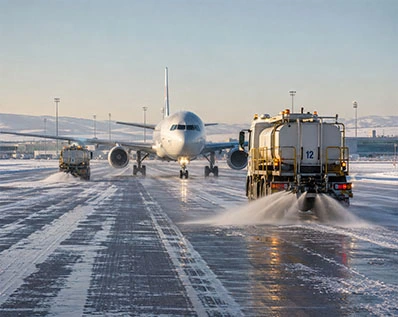
Why Potassium Acetate Is the Preferred Solution for Sustainable and Efficient Runway De-Icing?
Airports today are under two types of pressure: they need to stay open all winter and meet stricter environmental rules. It does both of these things at the same time with Airport Runway Solid Potassium Acetate. It has a corrosion rate of 0.03 g/m²·h for carbon steel, which means that airport lighting fixtures, steel drainage grates, and airplane alloys will be safe even after being used many times in different seasons.
Adding potassium acetate to an airport's environmental management system makes it easier to report stormwater because it breaks down completely and has a low biological oxygen demand (BOD). This makes it easier for authorities to keep an eye on runoff. The product works with liquid de-icing systems, so airport operations teams don't have to use just one type of chemical for winter maintenance. They can instead make stacked, changeable plans.
It is required to clear ice and snow within 30 minutes at -20°C. Meeting this standard directly leads to fewer delays on the ground and more on-time departures, both of which can be tested and show that the buy was worthwhile.
Conclusion
From a scientific and functional point of view, Airport Runway Solid Potassium Acetate(CAS NO.: 127-08-2) is still the best way to clear ice from taxiways and aprons. Its non-corrosive chemistry keeps airplanes clean, its biodegradable profile helps with following the rules, and its ability to reliably work at -60°C keeps things going in the middle of winter. For buying teams that are looking for ways to de-ice airplanes, the data always goes in the same direction. When you work with a recognized, large-scale maker, you get reliable goods that meet the needs of airport operations and reduce supply risk.
FAQ
Is solid potassium acetate safe for airport pavement and runway infrastructure?
Yes. SAE AMS 1431 says it's safe and won't hurt concrete, asphalt, or runway lighting systems. Chloride salts harm pavement, but this doesn't. It also doesn't short out electrical outlets that are buried in the ground.
What are typical lead times and minimum order quantities for bulk supply?
Normal orders are taken care of in 5–7 business days. Tiny 25 kg bags or big 1000 kg bags can be used to pack things. The agreement will tell you what the minimum order quantity is, but you can talk to the supplier to get exact information.
Is it compatible with liquid de-icing agents?
Yes. It works well with both liquid propylene glycol and liquid potassium acetate (SAE AMS 1435). When you add liquid de-icer to solid chunks before they melt, they melt faster and the surface sticks better when there is a lot of wind.
What is the shelf life, and how should it be stored?
The product will last for two years if it is kept in dry, well-ventilated warehouses in containers that can't be opened or get wet. The item needs to be kept in a way that keeps air out because it soaks up water.
Does it leave a residue after ice melts?
When you mix solid potassium acetate with water, it turns into a clear solution. If you set up your spreader correctly, you won't put down too much and can be sure that the ground is smooth and has a lot of friction after the ice melts.
Partner with SHANXI ZHAOYI CHEMICAL for Certified Aviation De-Icing Supply
Acetate goods of high quality have been made and sold by SHANXI ZHAOYI CHEMICAL since 1988. They are bought by people in North America, Europe, and Asia. We are a trustworthy company that offers Airport Runway Solid Potassium Acetate(CAS NO.: 127-08-2) and meets SAE AMS 1431E standards. We also have ISO-certified quality systems, flexible bulk packing, and expert support available 24 hours a day, seven days a week. Do it today and ask for a sample, an information sheet, or a different price. You can email us at sxzy@sxzhaoyi.com or visit sxzhaoyi.com to find out more.
References
1. SAE International. SAE AMS 1431E: Compound, Solid Runway and Taxiway Deicing/Anti-Icing. SAE International, 2018.
2. Federal Aviation Administration. Airport Winter Safety and Operations: Advisory Circular AC 150/5200-30D. U.S. Department of Transportation, 2016.
3. Transportation Research Board. Sustainable Winter Road Maintenance and Airport Operations. National Academies Press, 2020.
4. Switzenbaum, M.S., et al. "Environmental Impacts of Airport Deicing Operations." Journal of Environmental Management, 2001.
5. Nixon, W.A., & Williams, A.D. A Guide for Selecting Anti-Icing Chemicals. Iowa Highway Research Board, 2001.
6. Corsi, S.R., et al. "Presence and Persistence of Contaminants from Airfield and Roadway Deicing Operations." Environmental Science & Technology, 2006.

USER EVALUATE
Here is the customer's evaluation of us
YOU MAY LIKE
 VIEW MOREIndustrial Solid Potassium Acetate
 VIEW MORECosmetic Sodium Acetate Trihydrate
 VIEW MORESnow Melting Liquid Potassium Formate
 VIEW MOREFabric Fixing Solid Sodium Formate
 VIEW MOREOilfield Solid Potassium Formate
 VIEW MOREPrinting & Dyeing Sodium Acetate Anhydrous
 VIEW MOREPharmaceutical Intermediate Sodium Acetate Anhydrous