



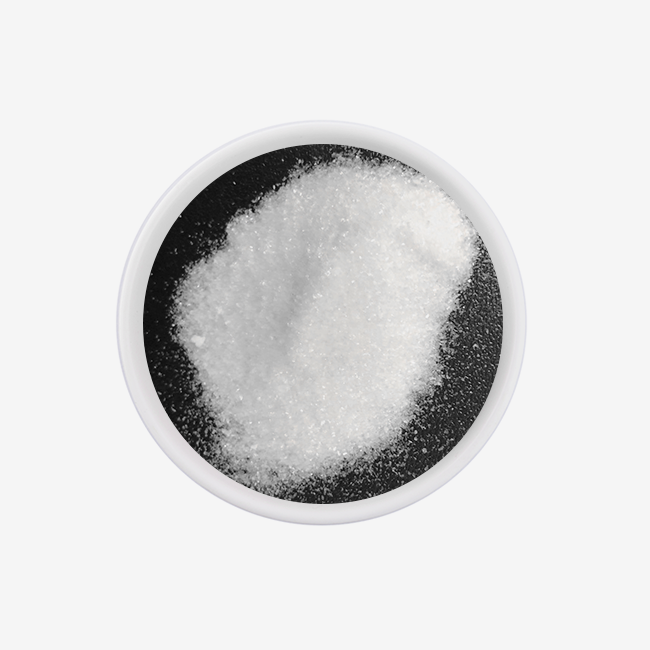
Printing & Dyeing Sodium Acetate Anhydrous
CAS NO.: 127-09-3
Molecular Formula: CH3COONa
Molecular Weight: 82.03
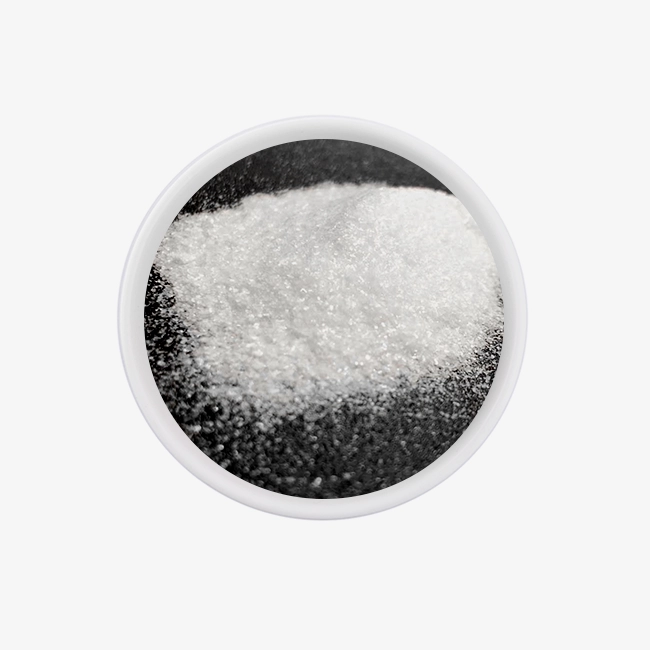
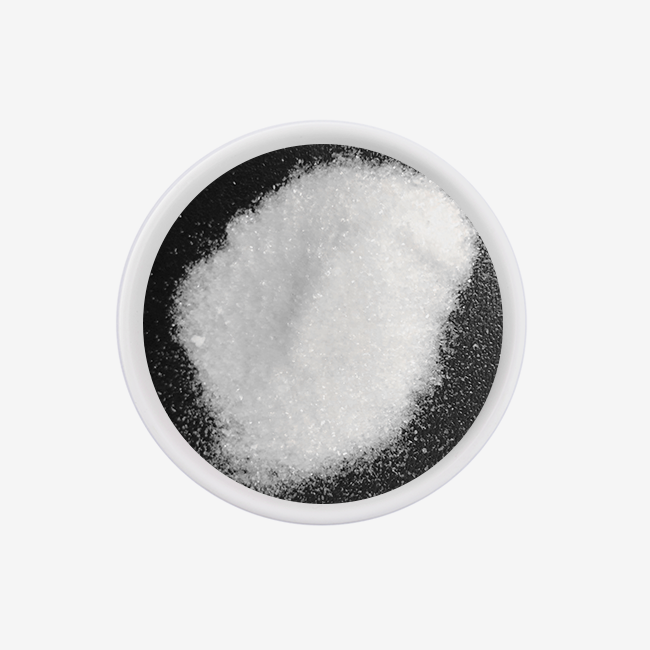
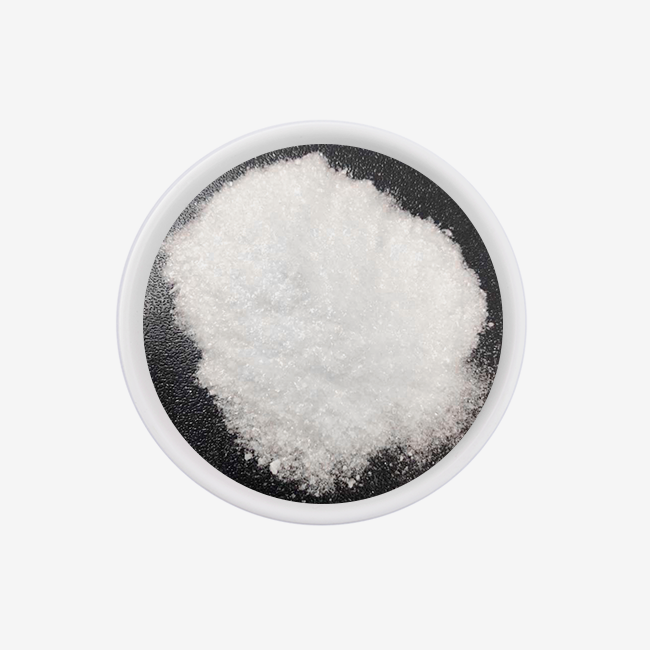
Character: white crystal powder; specific gravity is 1.528 and melting point is 324℃.
Usage: It is a kind of chemical raw material and is widely used in dye, pharmaceutical, chemical reagent fields, sewagement and etc.
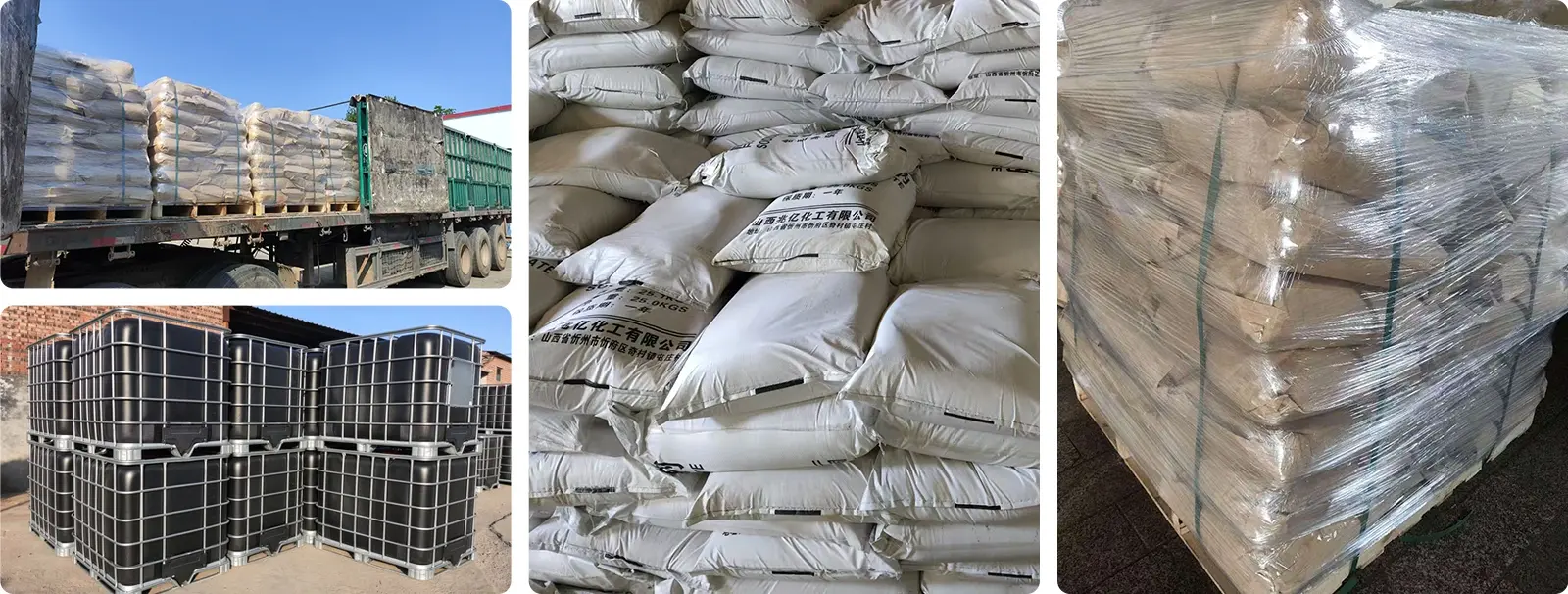
Package: 25kg plastic woven bag or 1000kg Ton-bag
Storage: It should be stored in a dry and ventilative warehouse, kept away from heat and moisture during transportation, unloaded with care so as to avoid damage. Furthermore, it must be stored separately from poisonous substances.
- Product Description
Printing & Dyeing Sodium Acetate Anhydrous — High-Purity pH Buffer for Textile Processing
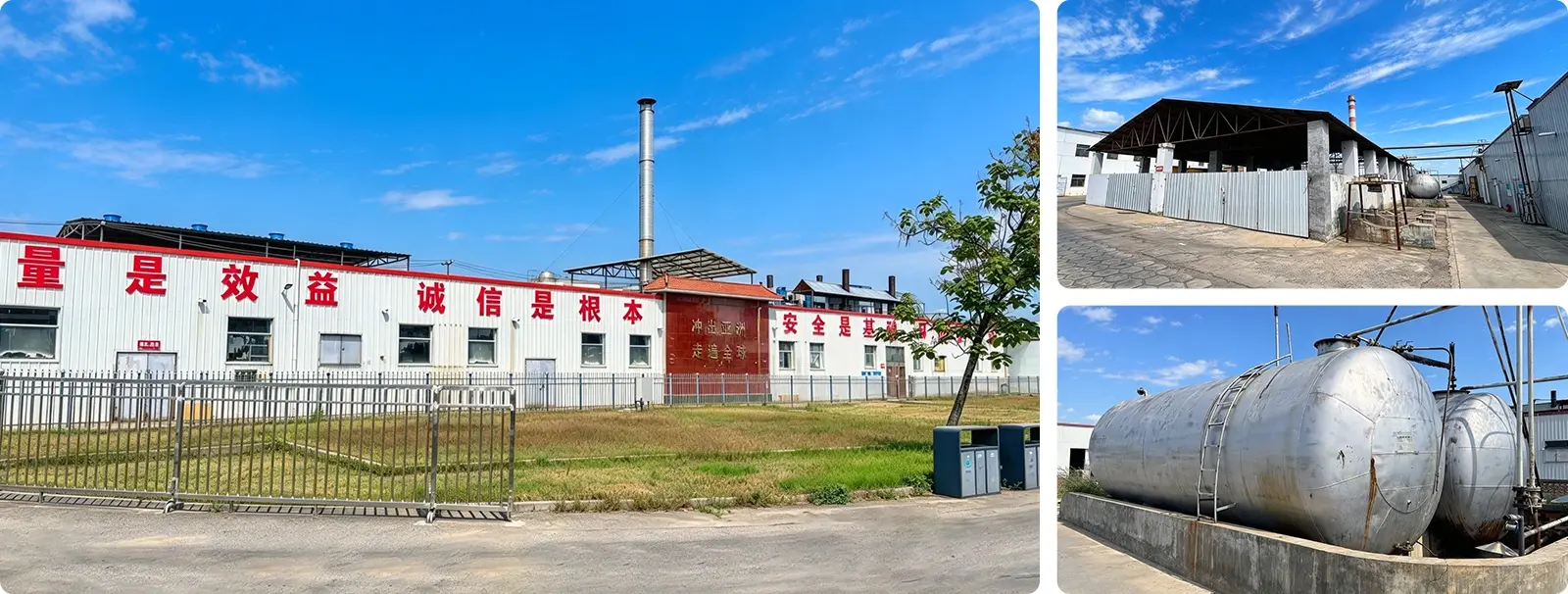
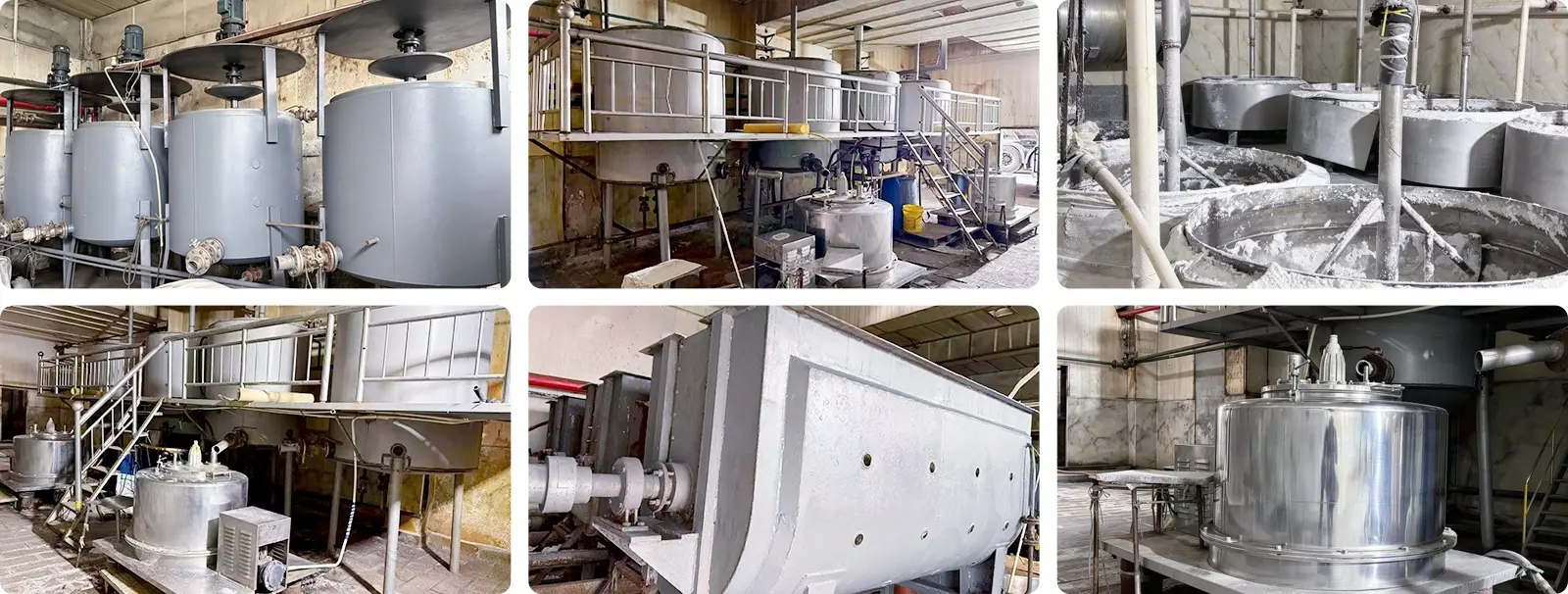
Printing & Dyeing Sodium Acetate Anhydrous (CAS 127-09-3) from Shanxi Zhaoyi Chemical Co., Ltd. is a white crystal powder with a purity of ≥99%, specific gravity of 1.528, and a melting point of 324°C. It is produced in a 27,000 m² plant with an annual capacity of 150,000 tonnes, guaranteeing consistent batch quality to textile mills involved in high-volume dyeing.Being a stable pH buffer textile grade solution of sodium acetate anhydrous, it is a preferred selection of industrial buyers across the globe, superior to trihydrate-form competition in active content concentration and storage efficiency.
Technical Specifications
Parameter | Specification | Test Method |
Content (CH₃COONa) | ≥99.0% | Titration analysis |
Free Alkali | ≤0.03% | Acid-base titration |
Water Insoluble Matter | ≤0.04% | Filtration gravimetric |
Chloride (Cl) | ≤0.08% | Silver nitrate method |
Iron (Fe) | ≤0.006% | Colorimetric analysis |
Appearance | White crystalline powder | Visual inspection |
Specific Gravity | 1.528 | Density measurement |
Melting Point | 324℃ | Thermal analysis |
CAS Number | 127-09-3 | - |
Molecular Formula | CH₃COONa | - |
Molecular Weight | 82.03 | - |
What Is Printing & Dyeing Sodium Acetate Anhydrous?
Sodium acetate anhydrous (CH3COONa, molecular weight 82.03) is the crystalline form of sodium acetate without water.It is used as a precise pH buffering agent in textile processing for maintaining the stability of the dye solution over the whole dyeing cycle. The trihydrate grade of sodium acetate is roughly 60% active content and the anhydrous is about 99% pure. You get greater buffering power per kilogram, with less to transport and store.
It is especially for dyeing and fixing processes and its low impurity level makes it suited for sensitive dye systems where colour consistency is of highest significance.
Core Application Scenarios in Textile Processing
It is commonly employed in the dyeing and fixing processes on substrates of cotton, linen, synthetics and blends. Its main functions are:
pH buffering of dye baths: Maintaining pH during reactive, dispersion and acid dyeing minimises unequal dye absorption. The regulation of pH range is of particular importance in high temperature dyeing over 100°C.
Improving colour fastness: – It minimises wash-off losses and improves colour fastness ratings by stabilising the dye-fiber bonding conditions, a direct quality advantage for downstream clothing and home textile brands.
Mordant preparation: It serves as a component in printing mordant formulations, helping fix colorants to fiber surfaces more reliably.
Wastewater denitrification: As a sodium acetate anhydrous printing dyeing auxiliaries application, it also functions as a carbon source in denitrification tanks within dyehouse wastewater treatment systems — supporting faster nitrate-to-nitrogen conversion compared to methanol, with safer handling.
Printing & Dyeing Sodium Acetate Anhydrous vs Other Products
Feature | Our Anhydrous Grade | Sodium Acetate Trihydrate | Sodium Bicarbonate | Soda Ash |
Active Content | ≥99.0% | ~60% | ~95% | ~99% |
Water Introduction | None | 39% by weight | None | None |
pH Buffering Range | 7.5-8.5 (ideal) | 7.5-8.5 | 8.0-9.0 | 11.0-12.0 |
Iron Content | ≤0.006% | Variable (often >0.01%) | Not controlled | Not controlled |
High-Temp Stability | Excellent (324℃) | Dehydrates at 58℃ | Decomposes at 270℃ | Stable |
Fiber Compatibility | Universal | Universal | Limited (alkali damage risk) | Cellulosic only |
Storage Shelf Life | 2 years (sealed) | 1 year (moisture sensitive) | 18 months | 2+ years |
Chloride Control | ≤0.08% (low corrosion) | Often higher | Not applicable | Variable |
How It Solves Key Dyeing Challenges
The most frequent causes of unstable pH in textile mills are uneven dyeing and colour fluctuations from batch to batch. Sodium acetate anhydrous pH buffer textile performance This issue is quickly solved by maintaining the dye solution in a limited, controlled pH window throughout processing.
Sodium acetate is a quality issue due to excessive iron content (more than 50 ppm). Some dyestuffs react with iron ions to form dull metal complexes that modify the intended colour shades or cause noticeable rust-effect spots on the finished textile. The iron concentration is strictly controlled by this product to maintain consistency of colour.
Over time excess chloride ions may induce pitting corrosion of the stainless steel dyeing vats. To assist safeguard your equipment investment and prolong machinery service life, there are low-chloride alternatives available.
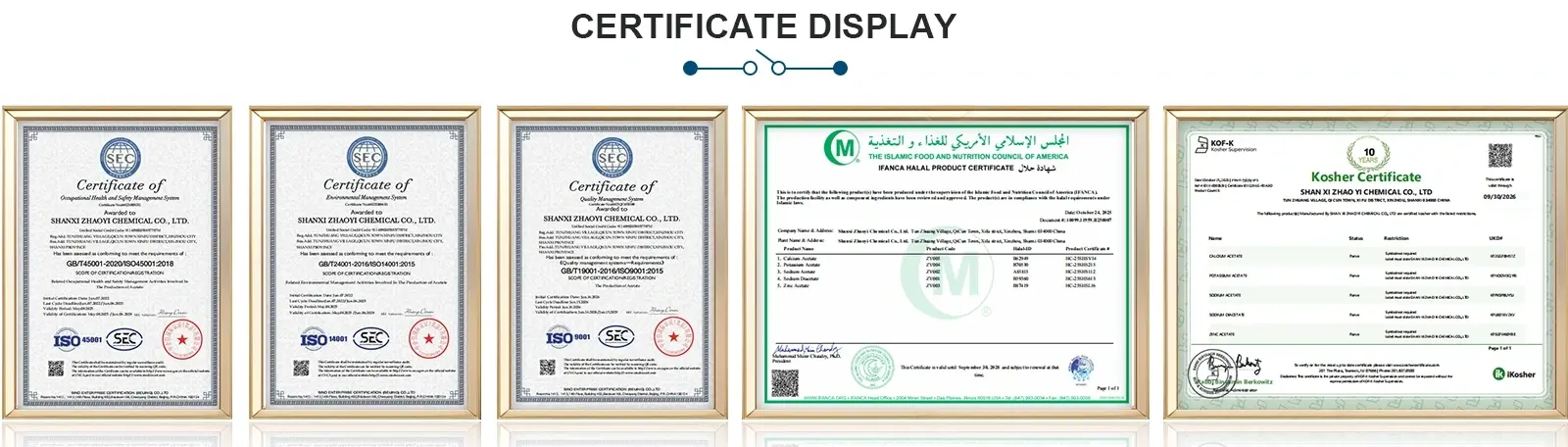
Certifications & Compliance
Shanxi Zhaoyi Chemical Co., Ltd. operates under internationally recognized management systems, supporting your supply chain compliance requirements:
- ISO 9001 — Quality Management System
- ISO 14001 — Environmental Management System
- ISO 45001 — Occupational Health and Safety Management System
- Kosher & Halal Certifications — for applicable product grades
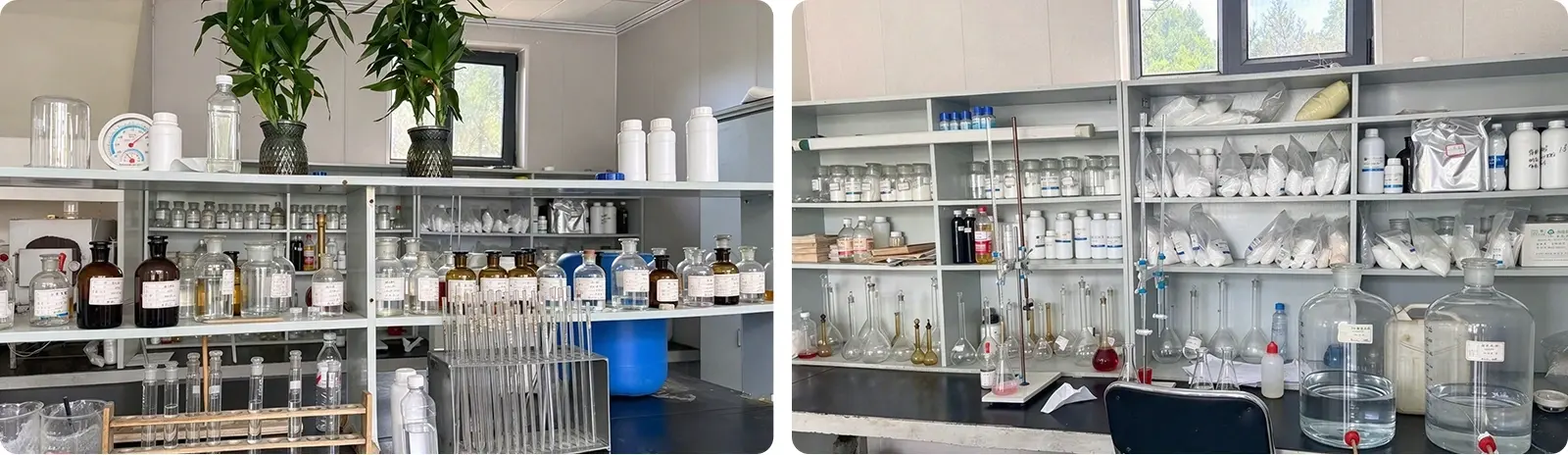
Full paperwork including MSDS, COA and multilingual compliance papers are supplied with each shipment. We encourage and assist foreign customers’ on-site plant audits.
Recommended Dosage and Formulation Guidance
Addition rates should be adjusted based on dye type, fabric substrate, and bath temperature. A conventional dosage range is 0.2%–0.5% of total dye liquor weight.
In practical terms, it has been shown that 0.3% of anhydrous sodium acetate added to dyeing of synthetic materials at 130°C with dispersion colors improves the consistency of dyeing by around 18%. This shows that accurate pH buffering at high temperatures leads to real increases in process performance.
It is always recommended to run small-scale trials before scaling to full production. Our technical team can provide process guidance and assist with test parameter setup for Printing & Dyeing Sodium Acetate Anhydrous at no additional charge.
FAQ
Q: Why use anhydrous grade instead of trihydrate for textile dyeing?
A:Trihydrate sodium acetate contains approximately 60% active content, while the anhydrous grade reaches ~99% purity. For the same buffering effect, you need significantly less volume — reducing logistics costs, storage space, and dosing complexity in high-volume operations.
Q: How does iron contamination affect dyeing results?
A:Iron levels above 50 ppm can react with certain dyestuffs to form dull metal complexes. This shifts the intended color shade or causes microscopic rust-like spotting on the fabric surface — a serious quality defect in finished textiles.
Q: Can this product be used in dyehouse wastewater treatment?
A:Yes. It is a good carbon source for denitrification in equalisation and aeration tank. It provides a quicker conversion of nitrate to nitrogen than methanol and is safer to handle on site.
Q: What is the appropriate dose for high temperature dyeing?
A: 0.2%-0.5% of dye liquid weight is a good starting point. For dispersion dye procedures on synthetic materials, a rate of 0.3% at 130°C is often effective. Always do a small-scale test before full-scale manufacturing.
Q: Does this chemical corrode dyeing machinery?
A:The product itself is non-corrosive. However, chloride ion content is an important control point — excess chloride can cause pitting corrosion on stainless steel vats over time. Low-chloride variants are available upon request.
Q: What is the shelf life and what do you do with opened bags?
A:Keep in original packaging. Shelf life 24 months. The product collects moisture from the atmosphere shortly after opening and cakes. Reseal and use within 24 hours after opening.
Our Exhibitions
Contact Us
Need samples, technical data sheets, or a custom quote for Printing & Dyeing Sodium Acetate Anhydrous? Reach our team at sxzy@sxzhaoyi.com — response within 2 hours on business days.

USER EVALUATE
Here is the customer's evaluation of us
YOU MAY LIKE
 VIEW MOREIndustrial Sodium Acetate Anhydrous
 VIEW MOREPharmaceutical Excipient Sodium Acetate Anhydrous
 VIEW MOREAcidity Adjustment Sodium Acetate Anhydrous
 VIEW MOREPharmaceutical Sodium Acetate Anhydrous
 VIEW MOREAntibiotic Sodium Acetate Anhydrous
 VIEW MORECatalytic Sodium Acetate Anhydrous
 VIEW MOREFood-Grade Sodium Acetate Anhydrous
 VIEW MOREPharmaceutical Intermediate Sodium Acetate Anhydrous