



Application of Electronic-grade Organic Acid Potassium in Solar Panel Production
In photovoltaic (PV) module production, overall panel performance and service life largely depend on three core indicators: silicon wafer cleanliness, perovskite film quality, and PV glass light transmittance. Key production procedures including wafer wet cleaning, interface optimization and glass surface modification demand ultra-pure raw materials with strict impurity control, complying with SEMI and ISO electronic-grade specifications. Two professional electronic-grade potassium organic acid products serve as critical process auxiliaries for mass PV manufacturing, fully compatible with monocrystalline, polycrystalline and perovskite solar cell production lines. Detailed product information is listed below.
1. Electronic-Grade Potassium Acetate (≥99.5% Purity, SEMI Compliant, Metal Ions ≤1ppb)
Core Functions
This high-purity auxiliary plays two vital roles in solar panel fabrication. First, it supports PV glass modification. By embedding trace alkali metal ions, it adjusts the glass dielectric constant, minimizes surface light reflection, and effectively boosts overall light transmittance. Second, it optimizes the electron transport layer of perovskite solar cells. It passivates inherent defects on SnO₂ interfaces, suppresses non-radiative charge recombination, and optimizes energy level matching, which directly improves photoelectric conversion efficiency. Beyond surface modification, it precisely stabilizes the pH value of silicon wafer cleaning solutions and prevents surface oxidation defects during wet processing.
Product Advantages
Featuring ultra-high electronic-grade purity, the product contains no heavy metals or particulate contaminants, fully satisfying strict PV manufacturing standards. Its superior water solubility ensures complete dissolution without sediment, fitting glass treatment, interface modification and wafer cleaning processes perfectly. Reliable pH buffering capacity stabilizes various process systems and avoids batch-to-batch performance fluctuations. It delivers tangible improvements in glass transmittance and perovskite film quality, steadily lifting module power generation efficiency. Residue-free and eco-friendly, it also meets modern green production standards for the PV industry.
Application Guidelines
PV glass modification: Prepare 50% aqueous solution and spray evenly on glass surfaces at a dosage of 50 mL/m². Apply 30V DC electric field treatment for 3 minutes, followed by standard cleaning and drying.
Perovskite interface modification: Add 0.1%-0.3% by mass into perovskite precursor solution, stir to full homogeneity, then adopt for electron transport layer fabrication.
Operational Notes
The substance has a significant hygroscopicity. Store hermetically in a hygienic setting with a temperature range of 10 to 25°C and a relative humidity of 30 to 50%. To prevent deterioration of purity, never mix directly with strong acid reagents. Adhere strictly to conventional dosing guidelines; adding too much can alter the treated PV glass's dielectric constant and impair optical performance.
2. Electronic-Grade Potassium Formate (≥99.0% Purity, Electronic-Grade, Zero Harmful Impurities)
Core Functions
This product serves as a high-efficiency reducing precursor and was specifically designed for the development of high-performance perovskite solar cells. It efficiently eliminates any remaining iodine contaminants from perovskite films and prevents iodide oxidation to lower the density of internal defects. In the meantime, it increases grain size, passivates grain boundary flaws, and controls the formation of perovskite crystals. This significantly improves cell stability and conversion efficiency, prolongs carrier service life, and mitigates the PV hysteresis effect. It is ideal for producing high-end perovskite photovoltaic modules on a big scale.
Product Advantages
Ultra-high electronic-grade purity eliminates metal ion contamination and trace impurities, ensuring stable and consistent performance of finished PV modules. Its strong reducing capability efficiently eliminates iodine-related defects and significantly improves perovskite film integrity. The material dissolves quickly and disperses uniformly in precursor solutions, offering excellent compatibility with all mainstream PV processing reagents. It achieves obvious efficiency improvement with low dosing volume, making it a cost-effective additive for high-end photovoltaic product manufacturing.
Application Guidelines
During perovskite precursor preparation, add 0.05%-0.2% material by mass into the solution. Stir thoroughly at room temperature for 15 to 20 minutes until fully dissolved and evenly dispersed. Subsequent thin-film coating and annealing can be carried out via standard procedures, ideal for planar n-i-p structured perovskite solar cell production.
Operational Notes
Highly hygroscopic and light-sensitive, the product requires sealed and light-proof storage. Please use up promptly after opening to prevent moisture absorption and caking, which may affect dosing accuracy. Keep separately stored from strong oxidizers to avoid undesired chemical reactions. Overdose will impair perovskite crystallization quality, so precise proportion control is required throughout production.
3. Industry Application Case
A leading PV manufacturer focusing on high-efficiency perovskite cells and high-transmittance photovoltaic glass once faced typical production bottlenecks. Traditional processing reagents contained excessive impurities, resulting in low glass light transmittance, high film defect rates and restricted module conversion efficiency, which limited product competitiveness in the high-end PV market.
The company adopted a combined process solution: electronic-grade potassium acetate for PV glass upgrading and interface passivation, paired with electronic-grade potassium formate for perovskite film defect optimization and crystal structure improvement. After technical upgrading, the light transmittance of photovoltaic glass increased notably, perovskite film defect density dropped by 60%, and the overall module photoelectric conversion efficiency rose from 22.1% to 23.8%. The product qualification rate increased from 93% to 99.2%.
The manufacturer successfully passed authoritative international photovoltaic certification standards, with export orders jumping by 55%. This dual auxiliary material solution has now become a reliable core process support for mass production of high-efficiency solar panels worldwide.

USER EVALUATE
Here is the customer's evaluation of us
YOU MAY LIKE
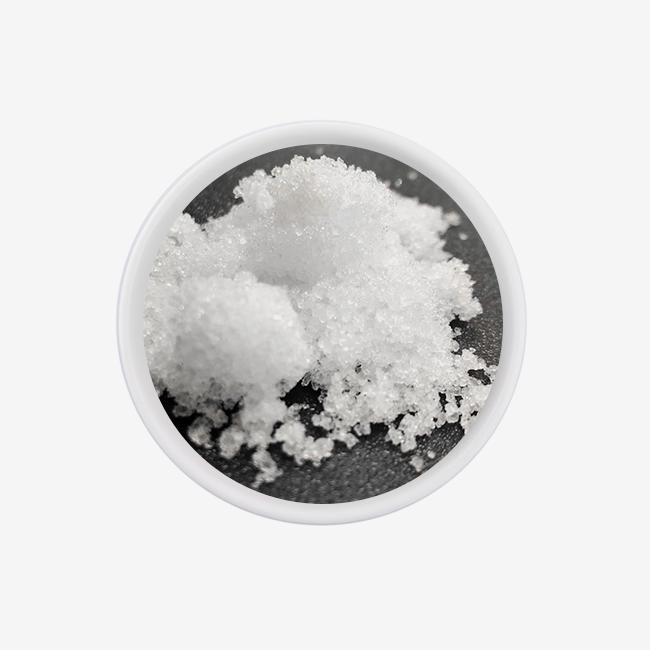 VIEW MOREFresh-Keeping Sodium Acetate Trihydrate
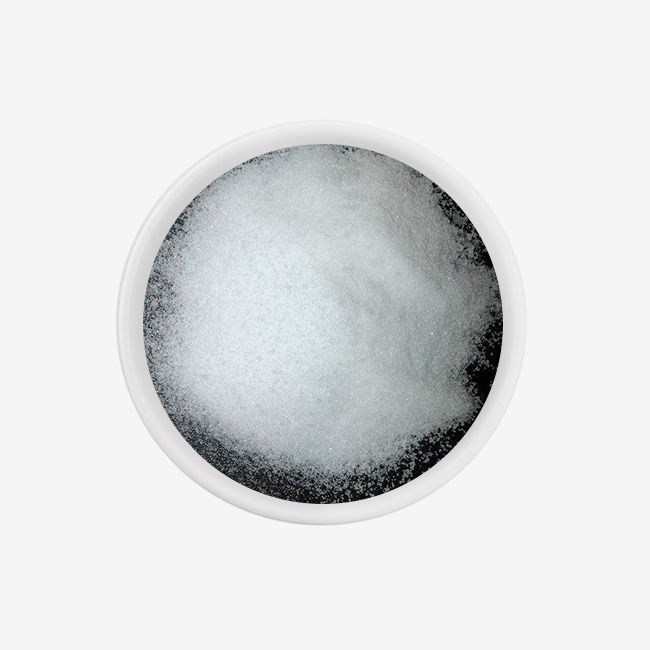 VIEW MOREFeed Fresh-Keeping Sodium Diacetate
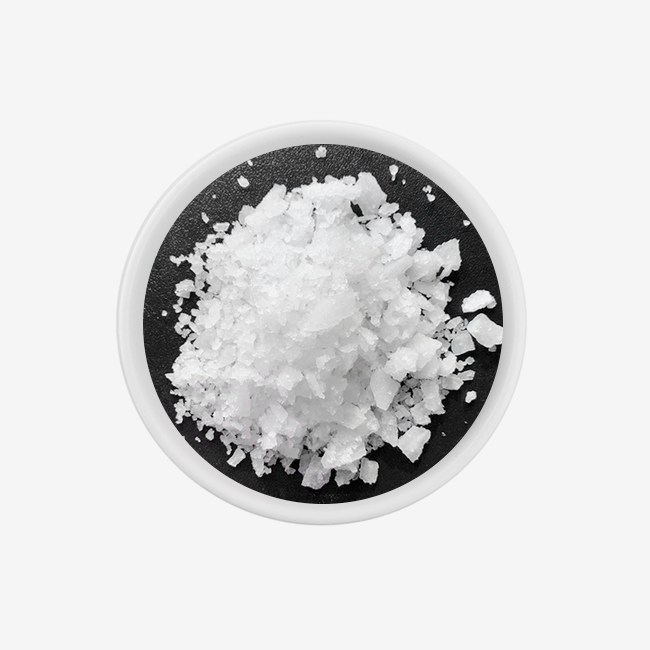 VIEW MORESnow Melting Solid Potassium Formate
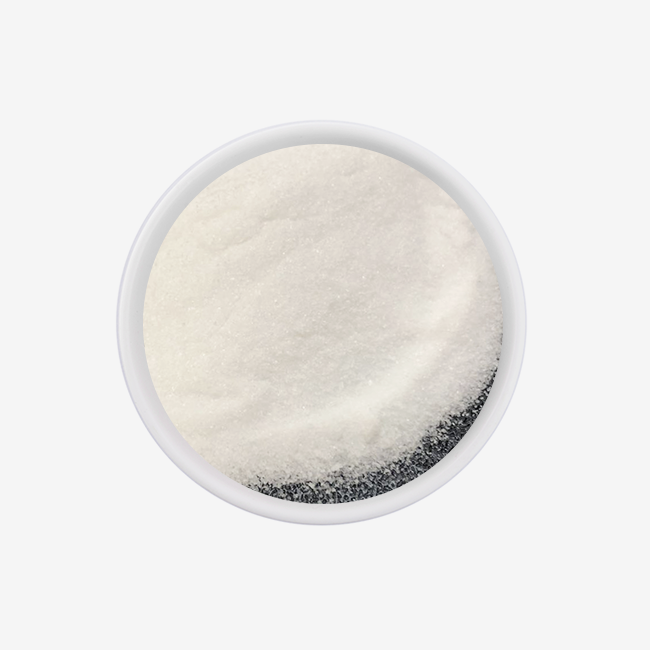 VIEW MOREDrilling Solid Potassium Acetate
 VIEW MOREPharmaceutical Excipient Sodium Acetate Anhydrous
 VIEW MOREAntibiotic Sodium Acetate Anhydrous
 VIEW MOREPharmaceutical Intermediate Sodium Acetate Trihydrate
 VIEW MOREAirport Runway Solid Potassium Acetate