



Application Guide for Formate-Series Products in Oil Drilling Fluid Formulation
Solid and liquid potassium formate and solid sodium formate and potassium acetate are available to drilling fluid makers to develop salt-based systems. Formates may alter drilling fluid density, salinity, and shale inhibition. Formulations must meet well section pressure, temperature, and rheology.
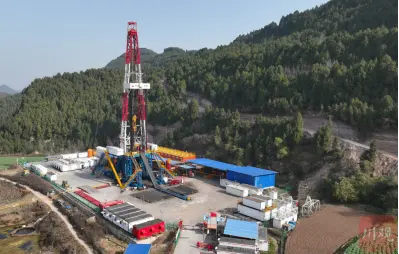
I. Solid Potassium Formate (Industrial Grade ≥97%)
Application Formate based drilling fluid raw material for density adjustment and shales hydration inhibition.
Densification and potassium ion reduction by potassium formate. Well Checks. Rheology of fluid loss and high temperature, shale stability.
Calculate dose based on active ingredient and design density. Test system performance, compatibility and rheology when mixing or dissolving at various temperatures.
Precautions: It is very hygroscopic; keep in a sealed and dry place. Strictly manage compatibility of high concentration systems and prevent combination with incompatible treatment agents.
II. Liquid Potassium Formate (Industrial Grade ≥75%)
Application: To add directly to the mixing equipment to adjust the density of the drilling fluid.
Liquid raw materials may be measured and combined on site. Concentration, density, viscosity and compatibility with other treatment agents should be studied on a batch and formulation basis.
Application rates: According on product design density and active ingredient concentration. Rheology, compatibility and performance test temperature changes after complete dissolution or thorough mixing.
Cold temperatures increase viscosity, therefore storage tanks need insulation. Pack firmly for long-term storage to avoid crystallisation from moisture evaporation.
III. Solid Sodium Formate (Industrial Grade ≥98%)
Application: Used in the preparation of low density salt-based drilling fluids. Can also be formulated with additional additives.
Material Characteristics Sodium formate may be utilised to manufacture low density salt based solutions . Its inhibitory characteristics, needed concentration and total cost should be compared with those of potassium formate based systems.
Usage recommendations: Determine dose according to the design density and the active substance of the product. Assess rheology, compatibility, and system performance following a temperature shift after full dissolution or mixing.
The inhibitory performance is lower than potassium formate, hence it is not suitable for high-pressure shale deposits. A stabiliser is required at high temperatures to prevent performance degradation.
IV. Industrial-grade Potassium Acetate (Solid/Liquid)
Suitable for pH correction in formulations, however applicability relies on other treatment chemicals and downhole circumstances.
Ingredient characteristics: Potassium acetate may help modify pH, however buffering will be a function of the whole formulation. Test pH, scaling tendencies, and compatibility after temperature variations.
Usage recommendations: The dose is calculated from the design density and the active substance of the product. Assess the rheological characteristics, compatibility and system performance on temperature change after complete dissolution or thorough mixing.
The material is very hygroscopic and must be kept in a closed container; over-dosing alters the density of the drilling fluid, therefore the dose should be managed.

Applicable Scenarios for Raw Materials
Potassium formate, sodium formate or potassium acetate may be used by drilling fluid makers, depending on well conditions. Before testing the system at the right temperature and pressure, the concentration of raw materials, density, impurity levels and compatibility are checked.

USER EVALUATE
Here is the customer's evaluation of us