



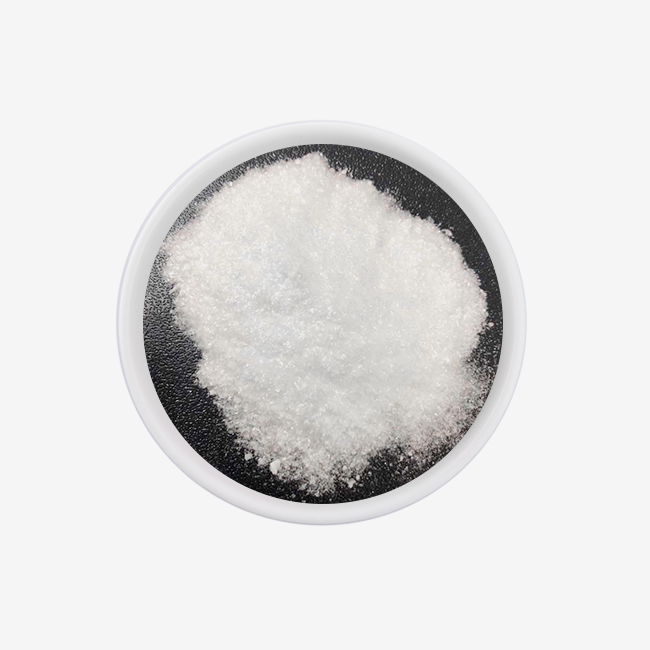
Preservative Sodium Acetate Anhydrous
CAS NO.: 127-09-3
Molecular Formula: CH3COONa
Molecular Weight: 82.03
Character: white crystal powder; specific gravity is 1.528 and melting point is 324℃.
Usage: It is a kind of chemical raw material and is widely used in dye, pharmaceutical, chemical reagent fields, sewagement and etc.
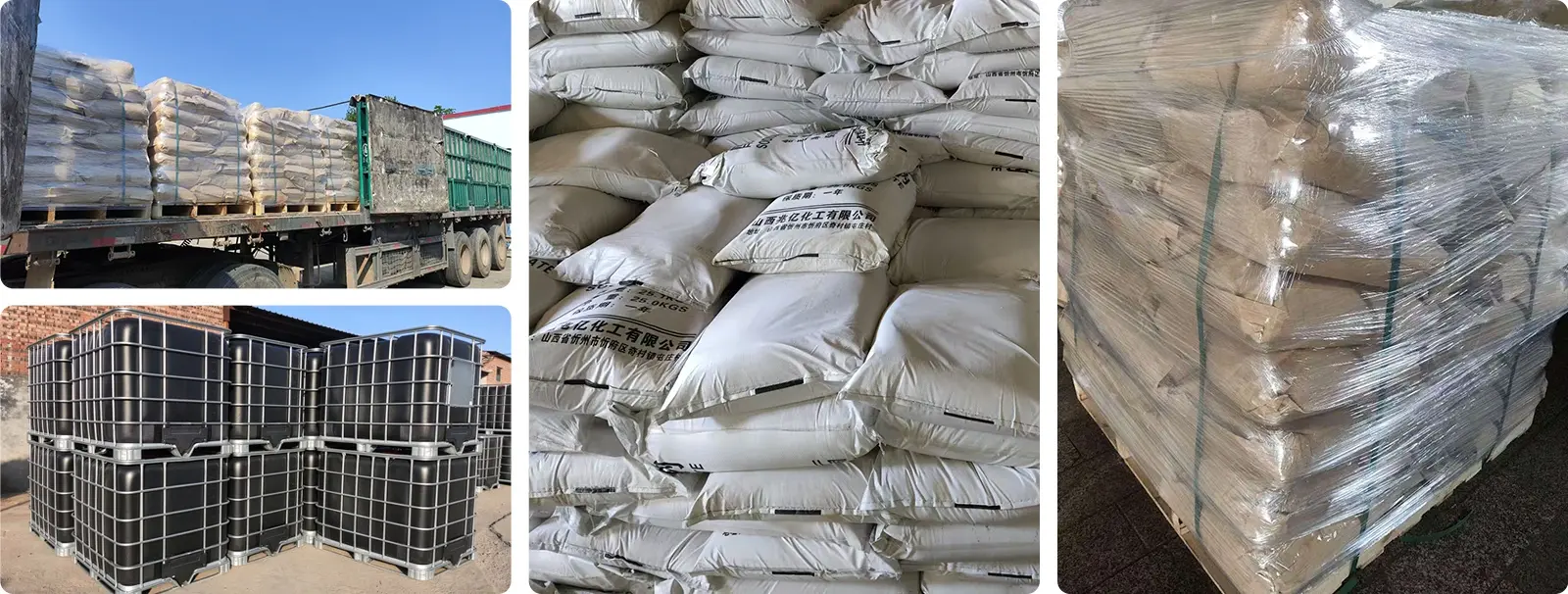
Package: 25kg plastic woven bag or 1000kg Ton-bag
Storage: It should be stored in a dry and ventilative warehouse, kept away from heat and moisture during transportation, unloaded with care so as to avoid damage. Furthermore, it must be stored separately from poisonous substances.
- Product Description
Preservative Sodium Acetate Anhydrous Food-Grade Preservation Solution for High-Performance B2B Formulations
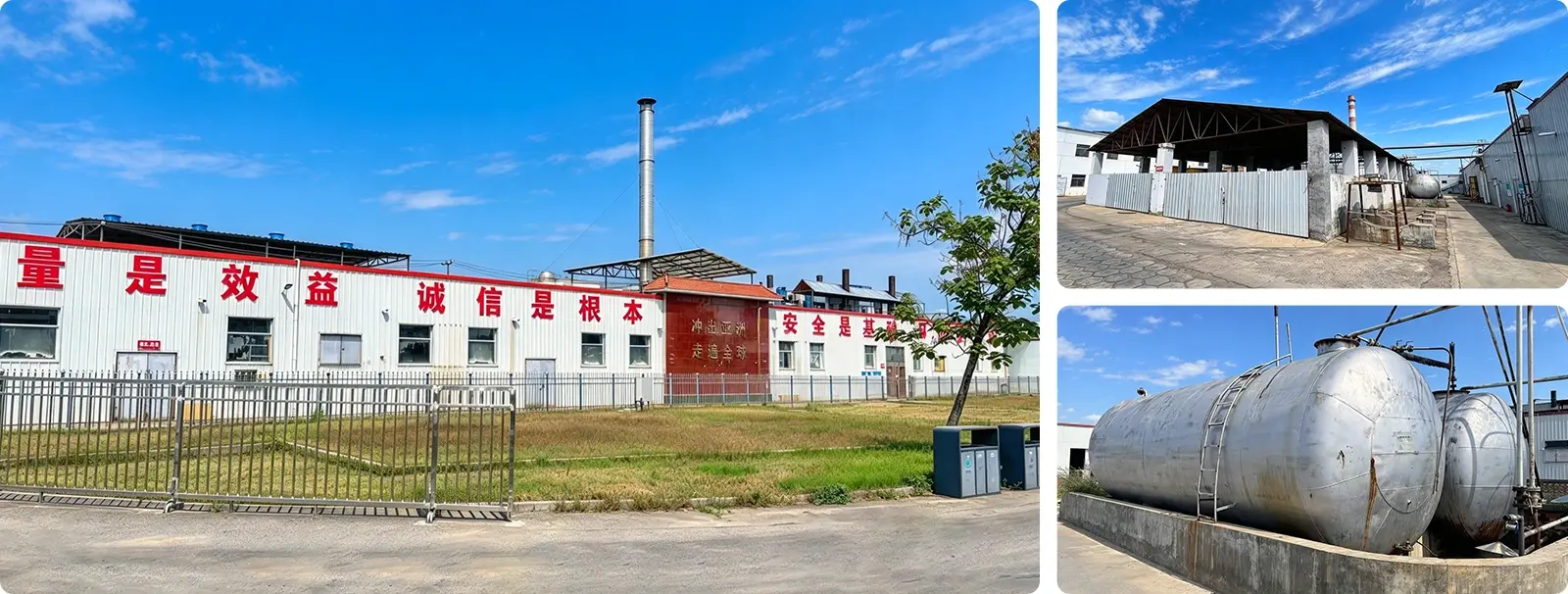
Preservative Sodium Acetate Anhydrous (CAS No. 127-09-3) is a high purity white crystalline powder used widely as a preservative in food processing, feed production, cosmetics and industrial applications. Anhydrous grade with a specific gravity of 1.528, a melting point of 324°C, and a chemical formula of CH3COONa, molecular weight 82.03. Shanxi Zhaoyi Chemical Co., Ltd., produced to a purity of ≥98%, moisture ≤0.5% and chloride ≤0.03%, this product was established in 1988 and offers formulators a dependable option for accurate, consistent performance in water-sensitive and low-moisture systems.
Technical Specifications
Parameter | Specification |
Content (CH3COONa) | 99-101% |
Free Alkali | ≤0.2% |
Potassium (K) | ≤0.025% |
Lead (Pb) | ≤0.001% |
Arsenic (As) | ≤0.0003% |
Loss on Drying | ≤2% |
CAS Number | 127-09-3 |
Molecular Formula | CH3COONa |
Molecular Weight | 82.03 |
Appearance | White Crystal Powder |
Specific Gravity | 1.528 |
Melting Point | 324℃ |
Key Product Advantages
The anhydrous version provides a significant performance advantage over the trihydrate option. The anhydrous grade has around 1.6 times the active acetate functionality per kilogram of the trihydrate form, so you may have the same bacteriostatic protection at a lower inclusion rate – or more powerful antimicrobial coverage at the same weight.
Its high purity (≥98%) and tight rules on impurities make sure that performance is the same from batch to batch. Its very low moisture content (≤0.5%) makes it perfect for dry mixing, food systems with low moisture, and industrial formulations that are sensitive to moisture. The trihydrate would add unwanted water activity to these situations.
The product also shows high flowability and minimal caking propensity under regulated storage circumstances and may be handled efficiently in automated dosing and mixing processes.
Application Scenarios
Food Processing Meat, Bakery and Convenience Foods
Under EU food additive rules this substance is used as a sodium acetate anhydrous preservative E262 and is used in a number of demanding food categories.
In processed foods and poultry it synergizes with lactates using hurdle technology — buffering pH and lowering water activity (Aw) to prevent Clostridium botulinum and Listeria monocytogenes in vacuum-packed hams and sausages. It also helps reduce "warmed-over flavor" in pre-cooked beef products, a major quality issue for retail and foodservice customers.
It avoids spoilage of rope by heat resistant Bacillus spores in industrial baking. It does not interfere with yeast fermentation like propionates, and is therefore preferred for high moisture breads and clean label formulations, where off-flavors are a problem.
As a pH buffer (4.5–5.5) it compensates for acidity and prevents components from separating at different storage temperatures without the unpleasant taste of acetic acid.
Grain Storage and Feed Preservation
It is also excellent in preventing mould formation in animal feed and grain storage applications, extending safe storage windows without impacting nutritional characteristics.
Cosmetics and Industrial Uses
Also, it is used as a light antioxidant and pH adjuster in makeup. It is also used in industrial products like glue and paints to protect against germs and rust in low moisture environments.
Formulation and Usage Guidance
The industry standard inclusion rate for Listeria control in meat products is 0.2% to 0.5% of final product weight. It is often used in a 1:1 ratio with sodium diacetate for synergistic antibacterial properties.
Normal amounts of 0.1% to 0.4% work well in baking and don't change the taste of most sweet doughs. More than 0.5% may give bread a salty or sour taste, especially if it is low in sugar or plain.
In drinks with a pH below 4.5, sodium acetate can't be used instead of sodium benzoate. When the pH level is between 4.5 and 5.5, its balancing effect works best.
Preservative Sodium Acetate Anhydrous vs Other Products
Feature | Sodium Acetate Anhydrous | Sodium Acetate Trihydrate | Sodium Benzoate | Calcium Propionate |
Acetate Functionality | 1.6× Higher per kg | Standard | Not applicable | Not applicable |
Moisture Content | ≤0.5% | ~39% (bound water) | Low | Moderate |
pH Buffering Range | 4.5-5.5 (optimal) | 4.5-5.5 | <4.5 (acidic only) | 5.0-6.0 |
Yeast Compatibility | Excellent | Excellent | Good | Poor (inhibits yeast) |
Hygroscopicity | Moderate (manageable) | High | Low | Moderate |
Clean Label Appeal | Strong | Strong | Moderate | Moderate |
Dosage Efficiency | 0.2-0.5% | 0.3-0.8% | 0.05-0.1% | 0.2-0.4% |
Flavor Impact | Neutral at standard rates | Neutral | Potential metallic note | Chemical off-flavor in sweet goods |
Quality Control and Documentation
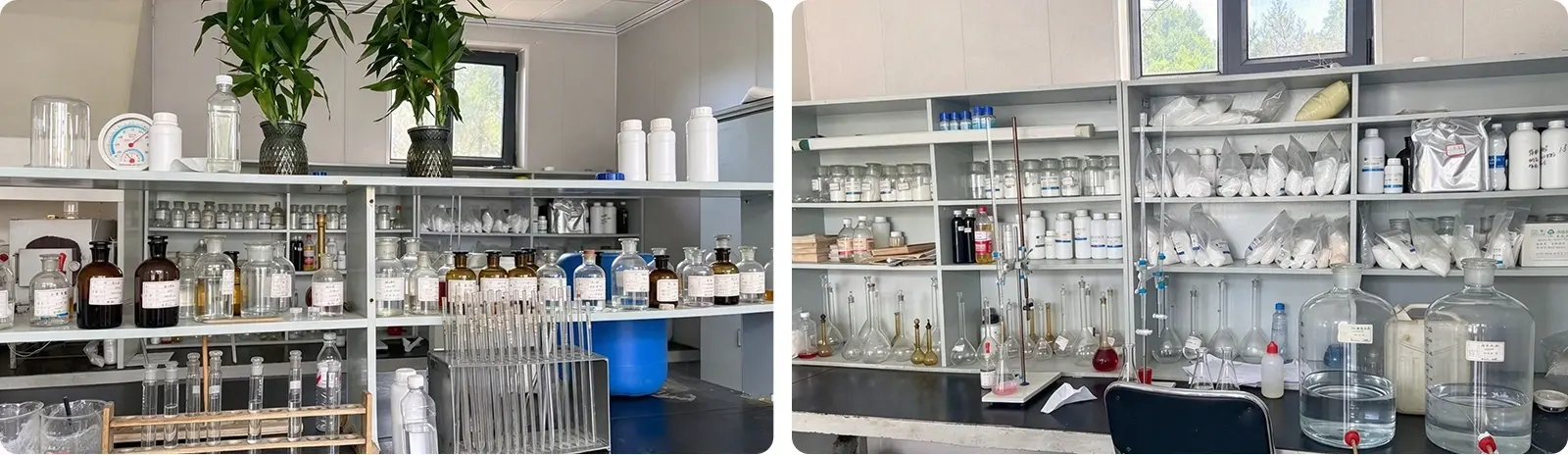
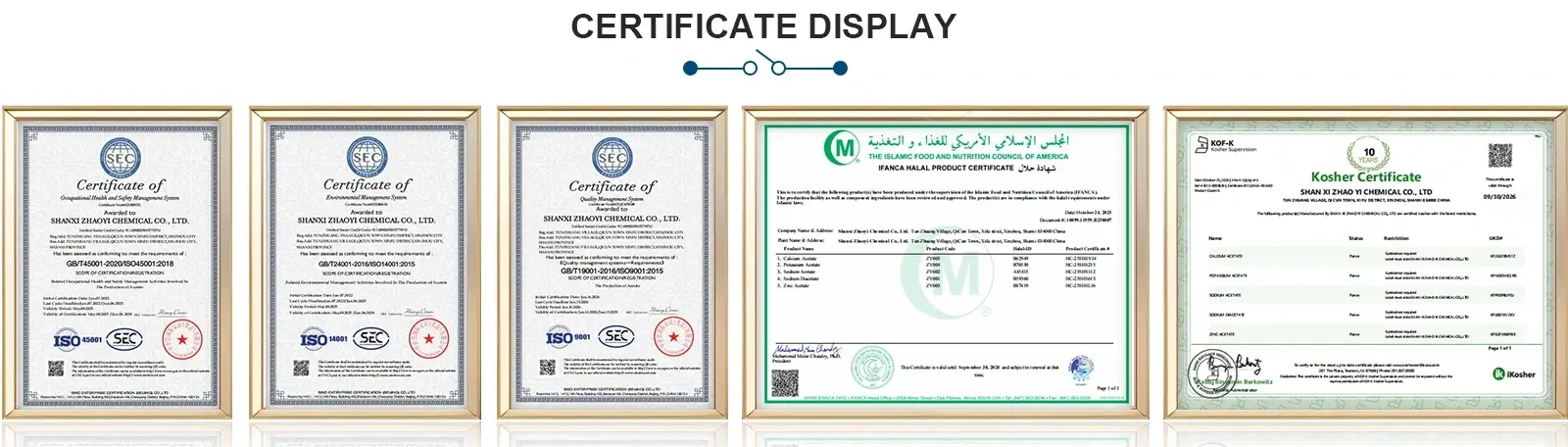
Shanxi Zhaoyi Chemical employs quality assurance techniques in accordance with its ISO 9001 Quality Management System to ensure that every batch fulfills specified contractual standards. Full documentation is available for B2B procurement, including:
Certificate of Analysis (COA)
- Material Safety Data Sheet (MSDS) — available in multiple languages
- Kosher and Halal certification for food-grade products
- ISO 14001 and ISO 45001 management system support
The facility offers local and international customers the ability to conduct on-site factory audits to ease the qualifying and due diligence process for purchasing in regulated markets.
Certifications & Compliance
Shanxi Zhaoyi Chemical holds the following certifications relevant to food-grade and industrial buyers:
- ISO 9001 — Quality Management System
- ISO 14001 — Environmental Management System
- ISO 45001 — Occupational Health and Safety Management System
Kosher Certification
Halal Certification (applicable food-grade products)
These credentials assist your supply chain compliance needs in the EU, North America, Middle East and Asian regions.
Packaging and Storage
Preservative Sodium Acetate Anhydrous is packed in inner PE-lined, outside woven bags (25 kilogram) or sealed 1,000 kg tonne bags to avoid moisture infiltration and caking during transportation and storage.
For best shelf life and performance, follow the following storage conditions:
- Store in cold, dry warehouse with relative humidity not exceeding 65%
- Keep out of heat and moisture
- Store away from strong oxidants, acidic compounds, and poisonous materials
- Open and close immediately Use within 48 hours
- Shelf life: 12 months (sealed, unopened) Re-inspect if expired
Why Source From Shanxi Zhaoyi Chemical
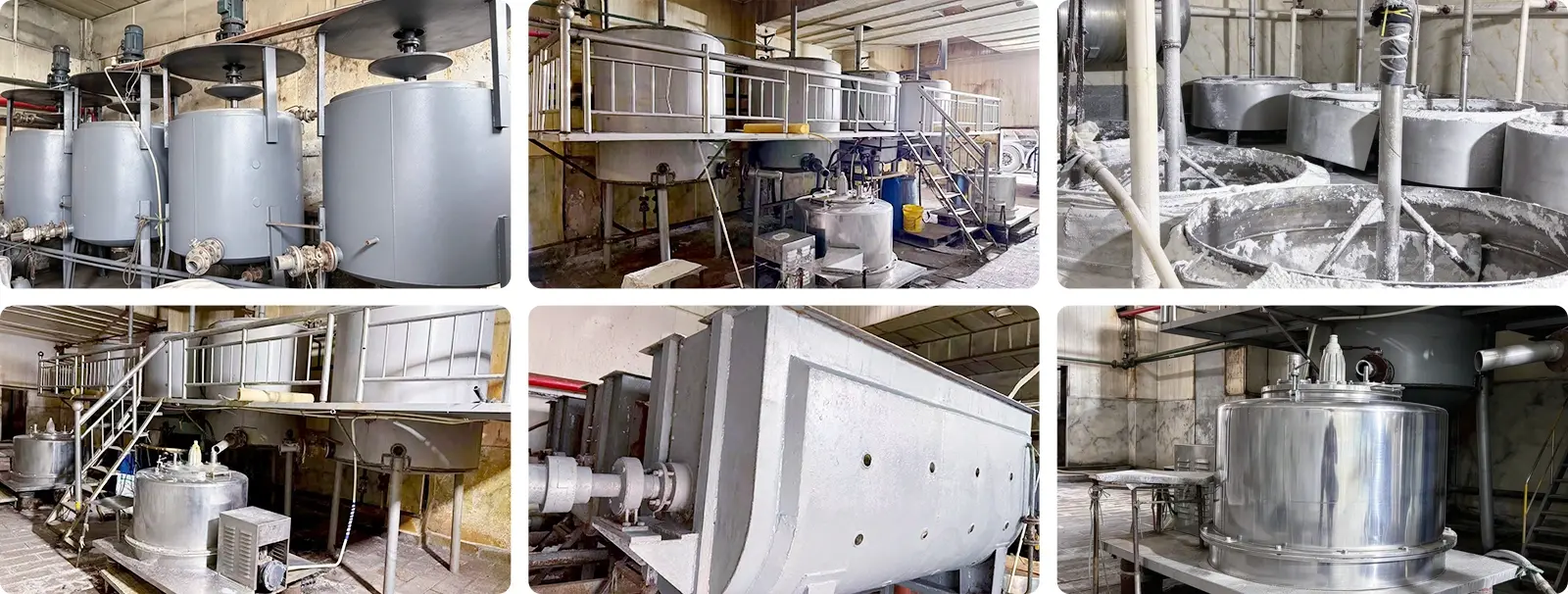
As a dedicated food preservative sodium acetate supplier with over 30 years of production experience, Shanxi Zhaoyi Chemical brings scale, reliability, and flexibility to your procurement process.
- 150,000 tons annual capacity across acetate product lines
- 5–7 working day standard lead time; stock orders dispatched within 24 hours
- Flexible order sizes supporting both regular and bulk volume requirements
- OEM labeling, custom packaging formats, and multilingual documentation
- 24/7 technical consultation and application support
- Competitive pricing enabled by large-scale manufacturing and supply chain optimization
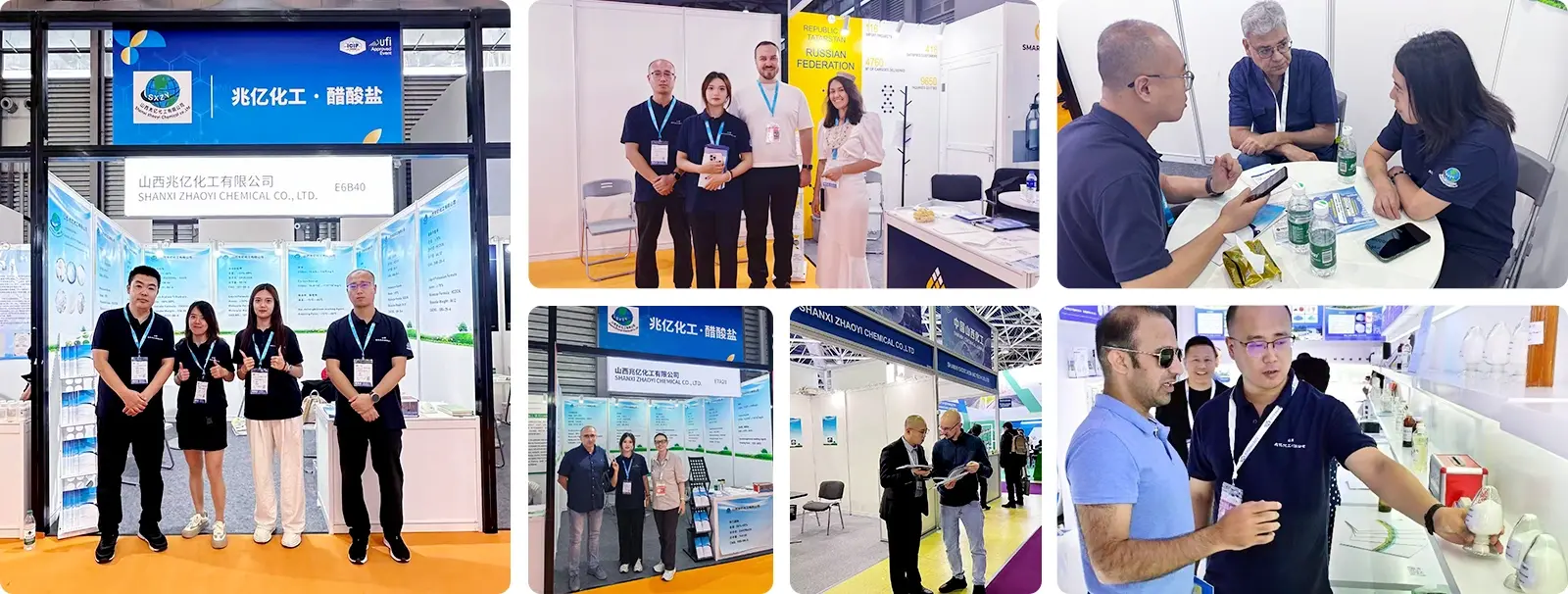
Our Exhibitions
FAQ
Q: What is it about the anhydrous form that makes it superior to the trihydrate for preservation?
A: The anhydrous version has about 1.6 times the acetate functionality per kilogram as does the trihydrate. This allows for equivalent or better bacteriostatic effects at lower or equal inclusion rates, thereby leading in increased cost efficiency and formulation accuracy.
Q: What is the level of Listeria control required in meat products?
A: Industry typical rates are 0.2% to 0.5% on final product weight. A common synergistic control approach for Listeria monocytogenes is sodium acetate anhydrous and sodium diacetate in a 1:1 ratio.
Q: Is it an alternative to sodium benzoate in acidified drinks?
A: These two preservatives have distinct roles. Sodium benzoate is effective at less than pH 4.5, but sodium acetate anhydrous preservative E262 works best as a buffer in the pH 4.5–5.5 range. It is better for pH stabilization and retention of taste and color integrity than as a major antibacterial in high-acid soft drinks.
Q: Does it leave a vinegar aftertaste in bakery products?
A:At standard usage rates (0.1–0.4%), the buffering action neutralizes the acetic character, and the product is essentially undetectable in most sweet doughs. Using more than 0.5% may introduce a faint saline or acidic note in plain formulations.
Q: My warehouse shows signs of caking — is the product defective?
A:This is typically a storage issue rather than a product defect. Anhydrous sodium acetate is hygroscopically active and will readily absorb moisture if the ambient humidity is over 60% or if the seal of the package is broken. Store in a temperature controlled environment and reseal bags immediately after use.
Q: What documentation is available for regulatory compliance and import?
A:Shanxi Zhaoyi Chemical provides COA, multilingual MSDS, Kosher and Halal certificates, and ISO management system documentation. We also support on-site factory audits to facilitate your supplier qualification process.
Contact Us
Ready to request a sample or discuss your supply requirements for Preservative Sodium Acetate Anhydrous? Email us at sxzy@sxzhaoyi.com — our team responds within 2 hours.

USER EVALUATE
Here is the customer's evaluation of us