



Why Use Snow Melting Liquid Potassium Acetate at Ports and Terminals?
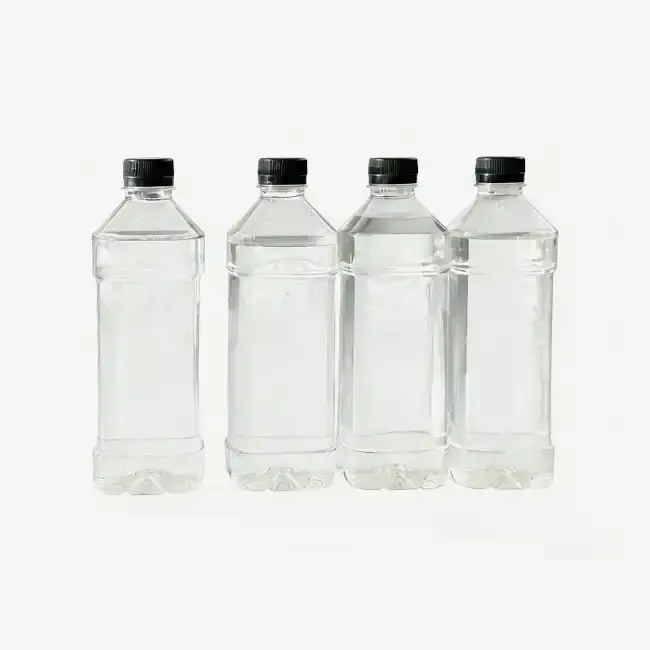
Ports and terminals operate under relentless pressure — cargo must move, workers must stay safe, and critical infrastructure must remain intact, regardless of winter conditions. Snow melting liquid potassium acetate(CAS NO.: 127-08-2) addresses exactly these demands. As a non-chloride, biodegradable liquid deicer with a freezing point suppression down to -35°C and a snow-melting rate exceeding 85% within one hour at -25°C, it delivers rapid, reliable ice control without the structural and environmental liabilities that plague traditional salt-based solutions. For procurement managers and operations teams at ports, it represents a measurable upgrade in both safety and long-term asset protection.

Understanding Liquid Potassium Acetate in Snow Melting Applications
What Makes This Compound Chemically Distinct?
Snow melting liquid potassium acetate (CH₃COOK, CAS No. 127-08-2, molecular weight 98.14) is a clear, colorless, slightly acidic solution that is sold at a concentration of 50 to 60%. Its eutectic point is around -60°C, which is much lower than the performance limit of road salt, which is below -9°C. Unlike calcium chloride or sodium chloride, it doesn't carry chloride ions, which are what cause rebar corrosion in concrete and oxidative damage to steel structures.
Biodegradability as a Measurable Advantage
This acetate-based deicer breaks down in ≥95% of the time and has low levels of biological oxygen demand (BOD) and chemical oxygen demand (COD). This means that runoff from treated port surfaces doesn't pose much of a threat to marine ecosystems, which is something that has to be taken into account in coastal and harbor areas that are controlled by NPDES discharge permits and EPA stormwater rules.
Challenges of Snow and Ice Management at Ports and Terminals
Ports and terminals have a special set of risks that come together in the winter. Crane rails, loading dock surfaces, container yards, and vehicle access roads all need to be able to grip the ground securely, but they are all located in areas that can't handle harsh chemical poisoning. In this situation, traditional deicing products make things worse.
Solid rock salt, which is sodium chloride, breaks down quickly below -9°C, leaving behind chloride that speeds up corrosion on steel buildings, gantry cranes, and equipment used to move cargo, unlike snow melting liquid potassium acetate. Calcium chloride works at lower temperatures, but it creates a lot of heat when it dissolves, can damage surfaces, and is dangerous to the environment. Urea is sometimes used at airports, and it causes runoff with a lot of ammonia that doesn't follow the rules for waterway discharge.
Besides chemistry, practical details make things even harder. Ports need automatic spray systems and equipment that can apply a lot of paint at once. Solid deicers need to be broken down first, take longer to work, and leave behind particles that can damage sensitive mechanical parts. Regulatory bodies also keep a close eye on procurement teams. For example, many U.S. port authorities now demand proof of environmental compliance for any snow melting liquid potassium acetate used near waterways that people can navigate.
Why Liquid Potassium Acetate Is the Ideal Choice for Ports and Terminals?
Comparing different types of deicers in real port settings makes the benefits of a snow melting liquid potassium acetate solution stand out in a number of ways. These are the main performance factors that set it apart from other options:
- Immediate activation upon contact: As a ready-to-use liquid, it starts lowering the freezing point as soon as it touches the surface. There is no need to wait for solid granules to dissolve when it comes in contact with water. This is very important at busy shipping ports when winter weather changes quickly.
- Compatibility with automated spray infrastructure: The answer works with Fixed Automated Spray Technology (FAST) systems and spray units that are placed on trucks. Its low viscosity at temperatures below zero keeps the nozzle from getting clogged, so it covers large areas evenly and consistently with little help from the operator.
- Corrosion rate ≤0.03 g/m²·h on carbon steel: This number meets or comes close to the requirements of Aerospace Material Specification (AMS) 1435. This level of material consistency means that upkeep costs go down significantly in ports that have steel cranes, racking systems, and ship-to-shore equipment that are worth millions of dollars.
- No residue or particulate generation: The liquid formula doesn't leave behind any solid waste like grainy salts or grit do. This keeps gritty dirt and dust from getting into conveyor systems, fork machinery, and precision port equipment.
These practical benefits of snow melting liquid potassium acetate help port building managers reach their goal of cutting costs. When you consider that you won't have to pay for repairs for corrosion, equipment downtime, or fines for not following environmental rules, the total cost of ownership is lower than alternatives that cost less up front.
Procurement and Supply Considerations for Liquid Potassium Acetate
Sourcing Certified Industrial-Grade Product
When buying port-scale deicers, it's best to go with sellers who have ISO 9001, ISO 14001, and ISO 45001 certifications. These certificates show that the company consistently meets quality standards for manufacturing, rules for environmental management, and safety standards for workers. Many U.S. port officials now include these requirements as part of their process for qualifying vendors. People who want to buy something should ask for batch test reports that show the CH₃COOK content (≥50–60%), the pH stability (7.5–9.2), the heavy metal limits (Pb ≤0.01%), and the chloride content (≤0.01%).
Packaging and Logistics Compatibility
Bulk supplies come in 1,000L IBC tanks or flexitanks, which can be used for both shipping in containers and storing at port facilities. The simple rules for storage are: keep it dry, ventilate it, and keep it away from heat sources and things that don't go with it. With lead times of 5–7 working days and security stock on hand, seasonal demand spikes can be met without disrupting the supply chain.
Environmental and Operational Advantages for Long-Term Use
Alignment With Green Port Initiatives
Many U.S. and international port authorities have put in place "green port frameworks," which are programs that aim to cut down on pollution from chemicals, waste, and emissions. These can be either voluntary or required by law. Snow melting liquid potassium acetate easily fits into these structures. Because it is ≥95% biodegradable, doesn't contain any heavy metals or chlorides, ports can show that it has a lower chemical impact in their annual environmental compliance reports.
Extended use also extends the service life of concrete platforms, dock floors, and steel support structures. Chloride-free deicing gets rid of the osmotic pressure that causes concrete to break and rebar to expand. According to NACE International corrosion data, this type of failure costs U.S. infrastructure between $8 and $14 billion every year. Switching from chloride-based chemicals is necessary to protect port facilities from this threat.
Worker safety gets better as well. The solution is not considered dangerous, which means that less PPE is needed and there is less chance of an accident happening during application. Ports are less likely to be sued, and following OSHA rules for handling chemicals is easier.
Conclusion
Ports and terminals need deicer options that work well even when they're busy without hurting the environment or infrastructure they depend on. That standard is met by snow melting liquid potassium acetate(CAS No.: 127-08-2) because it works well at low temperatures, doesn't corrode, and has an environmental profile that is ready for compliance. The substance can be used directly with automatic application systems, and it is also biodegradable and compatible with other materials. This makes it a smart purchase choice for any port facility manager looking at long-term costs.
FAQ
How does liquid potassium acetate compare to road salt at low temperatures?
Below -9°C (15°F), road salt is no longer useful. At standard supply concentrations, snow melting liquid potassium acetate can still be used at -35°C, and its eutectic point is close to -60°C. It also starts working right away as a liquid, while salt needs water and traffic to turn into brine. This is a very important difference during sudden storms at working ports.
Is this product safe for steel cranes and marine infrastructure?
Yes. Carbon steel has a weathering rate of ≤0.03 g/m²·h, and there are no chloride ions in the formula. Using chemicals that don't contain chlorine gets rid of the electrochemical corrosion process that breaks down rebar and oxidizes steel in marine environments.
Can it integrate with existing port spray equipment?
At temperatures below zero, the solution has a low viscosity, which means it can be pumped and sprayed through normal FAST systems and truck-mounted tip arrays without getting clogged or slowing down the flow.
What certifications should buyers verify?
Buyers should check that each production batch meets the requirements for ISO 9001 (quality management) and ISO 14001 (environmental management). They should also look at compliance paperwork like MSDS sheets, heavy metal analysis, and chloride content test reports.
Partner With SHANXI ZHAOYI CHEMICAL for Reliable Supply
Since 1988, SHANXI ZHAOYI CHEMICAL has been making acetate-series goods. They can make up to 150,000 tons of them every year and are fully certified by ISO, KOSHER, and HALAL. We are a reliable source of snow melting liquid potassium acetate(CAS NO.: 127-08-2), and we send our products all over the world. Our bulk prices are low, and we offer technical help 24 hours a day, 7 days a week. To get product specs and a price quote, email our team at sxzy@sxzhaoyi.com or visit sxzhaoyi.com right now.
References
1. NACE International — Corrosion Costs and Preventive Strategies in the United States, 2002.
2. Federal Highway Administration (FHWA) — Manual of Practice for an Effective Anti-Icing Program, 1996.
3. Transportation Research Board — Snow and Ice Control: Materials, Equipment, and Operations, NCHRP Report 577, 2007.
4. Society of Automotive Engineers — Aerospace Material Specification AMS 1435: Fluid, Generic, Deicing/Anti-Icing Runways and Taxiways, Revised 2012.
5. U.S. Environmental Protection Agency (EPA) — National Pollutant Discharge Elimination System (NPDES) Stormwater Program, 2022.
6. Port of Seattle Environmental Management Division — Green Gateway Environmental Program Annual Report, 2021.

USER EVALUATE
Here is the customer's evaluation of us
YOU MAY LIKE
 VIEW MOREBeverage Sodium Acetate Trihydrate
 VIEW MOREPharmaceutical Intermediate Liquid Potassium Formate
 VIEW MOREOilfield Liquid Potassium Formate
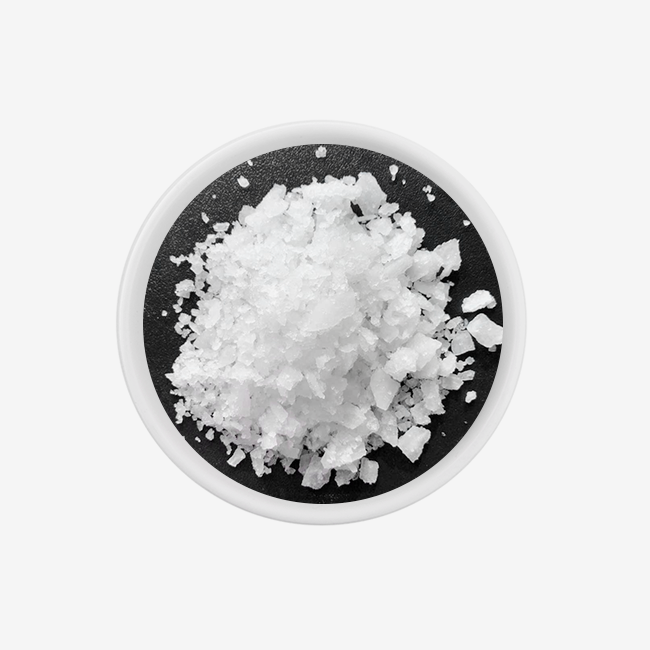 VIEW MOREAgricultural Solid Potassium Formate
 VIEW MOREDeicing Solid Sodium Formate
 VIEW MOREPrinting & Dyeing Sodium Acetate Trihydrate
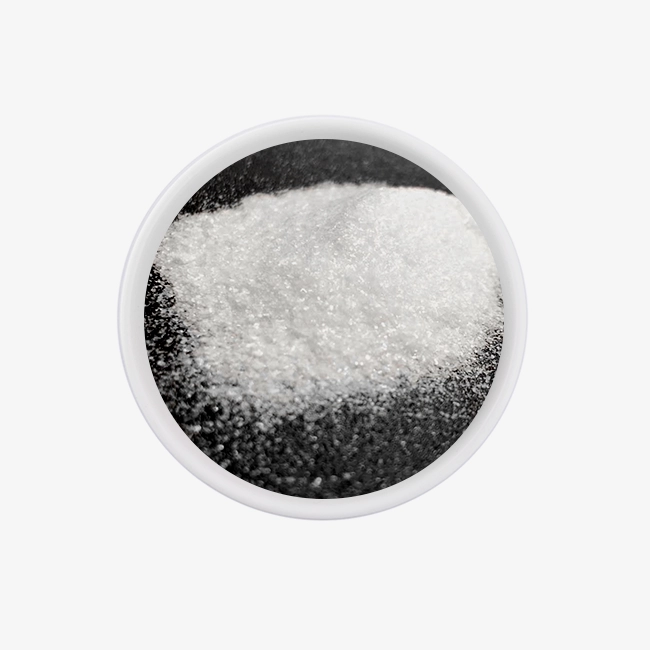 VIEW MOREPharmaceutical Intermediate Sodium Acetate Anhydrous
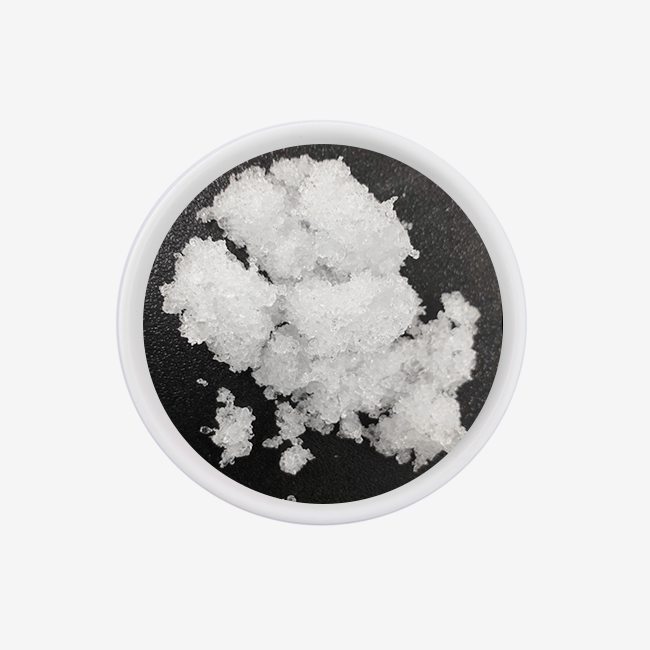 VIEW MORESewage Sodium Acetate Trihydrate