



Why Choose Snow Melting Solid Potassium Acetate for Logistics Facilities?
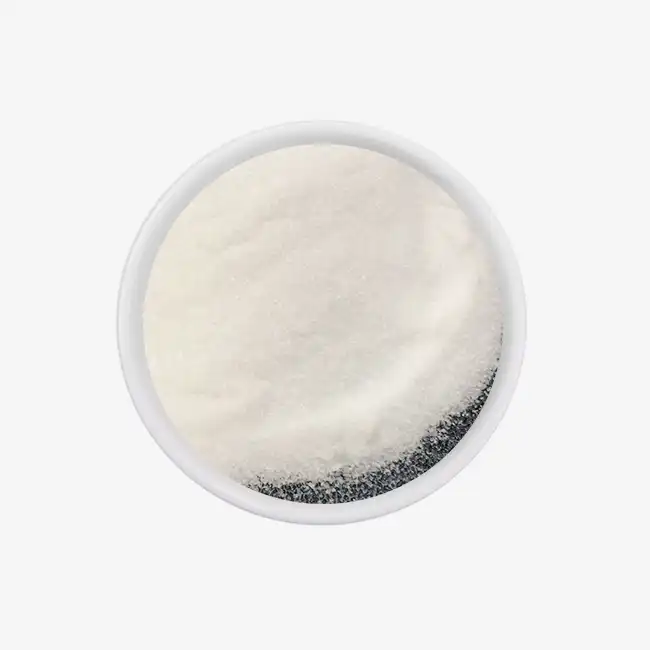
When winter arrives, logistics facilities face a genuine operational threat. Ice-covered loading docks, frozen access roads, and slippery warehouse aprons can halt shipments, injure workers, and damage infrastructure. Snow Melting Solid Potassium Acetate(CAS NO.: 127-08-2) (CAS No. 127-08-2, CH₃COOK) delivers a proven answer to these challenges. With a purity of ≥99.0% and effective performance down to -35°C, this white crystalline deicer outperforms traditional chloride-based salts while protecting concrete, steel, and sensitive equipment from corrosion—making it an operationally sound and environmentally responsible choice for high-traffic logistics environments.
Understanding Solid Potassium Acetate as a Snow Melting Solution
How Does the Chemistry Work in Your Favor?
Potassium Acetate melts ice by lowering the temperature at which it freezes. When the white crystal flakes hit ice or packed snow, they break down quickly, making a brine solution that drops the freezing point well below room temperature. In real life, this Snow Melting Solid Potassium Acetate works down to -35°C, while rock salt stops working at about -7°C. Its theoretical eutectic point is close to -60°C.
Because of the way its molecules are structured (molecular weight: 98.14 g/mol), it breaks down quickly in water, acids, and alcohol. This quick breakdown makes cleaning the surface go faster, which is great in a busy distribution center where every minute of downtime costs money.
Environmental and Worker Safety Profile
Being aware of how logistics companies damage the earth is becoming more and more important. It is against the law for chloride salts to go into stormwater runoff and make the soil more salty. Potassium Acetate, on the other hand, breaks down naturally. The acetate ion naturally breaks down into carbon dioxide and water in the soil and sewage systems. It doesn't do any long-term damage. It's now much safer for the people who work with it every day and the plants and animals that live nearby.
Comparing Solid Potassium Acetate with Other Deicing Chemicals
Choosing the right deicer is a buying decision that will cost you money in the long run. The simple table below shows how Snow Melting Solid Potassium Acetate stacks up against some other common choices:
- Sodium chloride (rock salt): cheap at first, but when it flakes off, it hurts plants, rebar, and concrete. It won't work below -7°C, which makes it insecure when it freezes hard at northern transportation points.
- Calcium chloride: works well when it's cold, but it's terrible for metals like the wheels of fleet vehicles and dock levelers. Fixing expensive lifting equipment takes less time when it is exposed over and over again.
- Magnesium chloride: isn't as dangerous as calcium chloride, but it still gives off chloride ions that weaken reinforced concrete over time. This is a big problem for warehouses with more than one floor.
- Calcium Magnesium Acetate (CMA): a softer acetate than Potassium Acetate. It works more slowly and keeps more water in the body. Not as good when you need to melt something quickly.
Chloride rusting can't happen at all when Potassium Acetate is present. It doesn't harden while it's being kept because it's in the form of free-flowing grains. This is helpful for buying managers who stock deicers based on the seasons. If you use motorized spreaders, it's easier to keep track of your supplies and more accurate to set application rates with solid choices than with liquid ones, which need special storage tanks and pumping equipment.
There are big changes in these skills. Over the years, the cost of surface repairs and the number of times they need to be serviced have gone down at facilities that switched from chloride salts to acetate-based deicers.
Optimal Usage and Application in Logistics Facilities
Application Guidelines for High-Traffic Areas
When this solution is given in the right amount and way, it changes things. Light that is spread out across loading dock areas, access roads, and walkways for people creates a brine layer that keeps ice from sticking together before it snows. If you use it after a storm, you need to cover a little more snow that has been packed down so it can get through and lift the layer of ice off the ground.
It is easy and quick to cover big areas with motorized spreaders that are set for granular materials. Hands-on distribution works well in places where accuracy is more important than speed, such as stairwells, emergency exits, and equipment doors.
Compatibility and Cold Storage Environments
Most popular deicing mixes can be used with Snow Melting Solid Potassium Acetate as long as they are mixed carefully. The extra layer of brine stops the ice from building after the first coating is gone. This works especially well in cold storage areas that go through a lot of freeze-thaw cycles. It doesn't rust, which is good for airports and transportation parks with composite floors or coated surfaces that are easy to damage. This protects investments in infrastructure that would need expensive repairs every year otherwise.
Procurement and Supply Chain Considerations
Evaluating a Reliable Supplier
A business looks at more than just the price per ton when it buys deicing agents in bulk. It's very important to get quality approvals, make sure production stays consistent, and deliver on time. Here are some important things you should think about before agreeing to buy from someone:
- Purity verification: To make sure that the freezing point drop is fully reached, an assay of at least 99.0% (CH₃COOK content) is needed. If the clarity isn't right, the melting performance goes down, and the amount of coating goes up.
- Moisture and insoluble controls: making sure that the water-insoluble content is less than 0.05% and the moisture level stays below 1.0% stops the mixture from caking and the spreader from getting clogged up while it's being used.
- Certifications: A method with ISO 9001, ISO 14001, or ISO 45001 certifications has clear rules for controlling quality, taking care of the environment, and keeping workers safe. There is even more control over the process now that it is KOSHER and HALAL certified.
- Trace contaminant limits: There should be less than 0.2% chlorine and less than 0.05% iron in the Snow Melting Solid Potassium Acetate for it to meet standards for not corroding in sensitive infrastructure uses.
For shipping and buying Snow Melting Solid Potassium Acetate, it's also important to pick the right packaging. The goods are sent out in either 25 kg knitted plastic bags that are easy to handle or 1,000 kg ton-bags that are better for storing in large warehouses. There is also custom packing that customers can ask for. The best way to keep things in good shape all winter is to store them in dry, well-ventilated warehouses that are away from heat and moisture.

Why Logistics Facilities Should Prefer Solid Potassium Acetate?
Distribution and logistics hubs are having a tough time. Shipping that is late, the risk of slipping and falling, damage to infrastructure, and the need to report on sustainability all come together in the winter. Snow Melting Solid Potassium Acetate meets all of these pressure points at the same time.
It can be turned on quickly, which cuts down on surface danger windows. This lowers the chance of worker accidents and the claims that come with them. Because it doesn't rust, it keeps loading dock equipment, concrete steps, and steel frames from getting damaged over time, which is what chloride salts do. This means that repairs to the structure will cost a lot less over the next 5 to 10 years. The fact that it breaks down naturally helps with ESG reports and makes sure that places follow the tighter rules for rainwater runoff in some U.S. states.
It's just as strong for military reasons. You don't have to buy as much new equipment for solid grain deicers because they work with the equipment you already have. This is helpful because liquid deicers need tank structures and pump systems. When you buy in bulk, the price of each unit stays the same all winter, which helps teams that are budgeting to keep their money stable.
Conclusion
Once it gets really cold, logistics centers need a deicer that works well, lasts a long time, and meets the ever-rising environmental standards. There is Snow Melting Solid Potassium Acetate(CAS NO.: 127-08-2) that meets all three requirements: it has been used successfully in airports, industrial parks, and transportation centers in the past, and its chemistry is well known. It's not just winter upkeep that needs to be done with a chloride-free, biodegradable acetate deicer. It's an investment in the company's operations, the life of its infrastructure, and its employees' happiness.
FAQ
What temperature range does solid potassium acetate cover?
You can use Snow Melting Solid Potassium Acetate in real life at -35°C, and its eutectic point is thought to be close to -60°C. While it's very cold, Potassium Acetate is a much better choice than rock salt around -7°C.
Will it damage concrete or metal surfaces at logistics facilities?
No, it doesn't have any chloride ions in it, and it doesn't rust rebar or break down concrete paste chemically. Any chloride in high-grade goods is kept at or below 0.2%, which is a very low level that doesn't break down structures.
How should it be stored on-site?
Keep in a building that is dry, has good airflow, and is away from heat and wetness sources. Because Potassium Acetate soaks up water, it needs to be stored in containers that are sealed or have two layers of paper inside them. When moving and storing, stay away from things that don't go together.
Is it safe for vegetation and drainage systems near logistics parks?
Yes. The acetate ion is easily broken down by bacteria in the soil into carbon dioxide and water. This means that it doesn't hurt nearby grass, plants, or stormwater drainage systems as much as chloride does.
What packaging options are available for bulk procurement?
Woven plastic bags that can hold 25 kg and ton bags that can hold 1,000 kg are common options. Custom packaging forms come in different styles that can be used for different tasks or storage needs.
Partner with SHANXI ZHAOYI CHEMICAL for Your Winter Deicing Supply
SHANXI ZHAOYI CHEMICAL has been making chemicals in the acetate series since 1988. Every year, they can make up to 150,000 tons of them, and all of their exports are ISO, KOSHER, and HALAL-certified. We are a reputable company that sells Snow Melting Solid Potassium Acetate(CAS NO.: 127-08-2). We have low bulk prices, quick wait times of 5–7 business days, and all the paperwork you need, like a COA and an MSDS. Contact our team at sxzy@sxzhaoyi.com or visit sxzhaoyi.com to get a sample or talk about a deal for a bigger order.
References
1. Transportation Research Board, National Academies of Sciences — Environmental Impact of Road Salting and Alternative Deicers, 2014.
2. Federal Aviation Administration (FAA) — Airport Winter Operations: Friction and Deicing Chemical Guidelines, 2019.
3. American Concrete Institute (ACI) — ACI 318: Building Code Requirements for Structural Concrete and Commentary, 2019.
4. SAE International — AMS 1435: Fluid, Generic, Deicing/Anti-Icing Runways and Taxiways, 2017.
5. U.S. Environmental Protection Agency (EPA) — Stormwater Best Management Practice: Parking Lot and Road Deicing Management, 2021.
6. Clear Roads Program (U.S. State DOTs Pooled Fund Study) — Traction Sand and Deicer Evaluation Report, 2020.

USER EVALUATE
Here is the customer's evaluation of us