



Snow Melting Solid Potassium Acetate for Logistics Center Ice Control
When winter strikes hard, logistics centers cannot afford to slow down. Loading docks freeze over, forklift lanes become hazardous, and delivery schedules collapse under a layer of ice. Snow Melting Solid Potassium Acetate(CAS NO.: 127-08-2) offers a proven, non-chloride deicing solution engineered for exactly these high-stakes environments. With a molecular formula of CH₃COOK (CAS No. 127-08-2) and a purity of ≥99.0%, this white crystalline compound activates rapidly upon contact with ice, maintaining safe surfaces down to -35°C — making it the reliable choice for year-round logistics center operations.
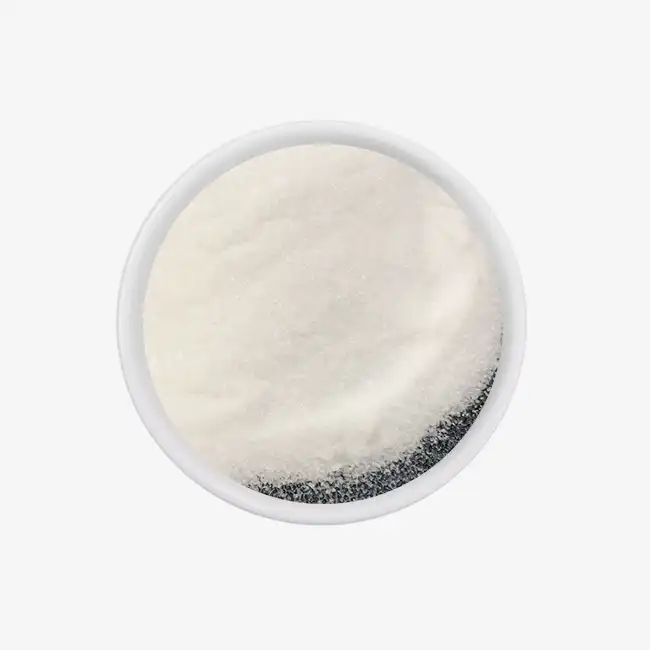
Understanding Solid Potassium Acetate for Snow Melting
The way that potassium acetate deicing agent works is based on well-known thermodynamics. When the white crystal pieces hit ice or packed snow, they take in water from the air and start a process called exothermic breakdown. This quickly drops the freezing point of surface water, which breaks the link between ice and pavement much more quickly than rock salt at the same temperatures.
Chemical Profile and Working Range
Being very soluble in water, acid, and alcohol, CH₃COOK has a molecular weight of 98.14 g/mol. It can be activated up to -35°C in real life, and its theoretical eutectic point is around -60°C. Rock salt, on the other hand, stops working really well around -7°C. That difference in performance is very important for logistics sites in northern U.S. states where temperatures can drop below -20°C at night.
Why Solid Form Suits Logistics Environments?
The solid granular format doesn't harden when stored in a warehouse, runs smoothly through motorized spreaders, and lets you precisely control the dosage across large loading areas. It can be put into use quickly by procurement teams without the need for dilution equipment. This saves time and makes operations simpler during the busiest winter months.
Comparing Solid Potassium Acetate with Other Snow Melting Solids
When the stakes are high, not every deicer works the same way, and Snow Melting Solid Potassium Acetate stands out. Procurement managers can avoid making mistakes that cost a lot of money by knowing how potassium acetate compares to other popular options.
Here is a straight comparison of success in the areas that matter the most:
- Calcium chloride works at temperatures close to -25°C and melts ice quickly, but it leaves a sticky film behind and speeds up the rusting of steel rebar, concrete, and metal loading dock equipment. This is a big problem in places where the longevity of the infrastructure is important.
- Sodium chloride (rock salt) is still the cheapest option, but it is not good for harsh winter conditions because it is corrosive and doesn't work well below -7°C. It also makes the earth around the building saltier, which makes environmental compliance harder.
- Magnesium chloride works pretty well at room temperature, but it can corrode like other chloride-based chemicals and leave a sticky film on the surface that particles can stick to.
- Urea doesn't rust and is often used in areas where airplanes land. However, it adds nitrogen to stormwater systems, which raises worries about biological oxygen demand (BOD) under EPA stormwater permits. Also, it doesn't work well below -10°C.
Potassium acetate fills in these gaps nicely. The acetate ion naturally breaks down into carbon dioxide and water through microbial activity, so it doesn't corrode and breaks down naturally over a wide temperature range. That means that businesses that are close to sensitive water bodies or storm drain systems will have less environmental liability.
How to Select and Use Solid Potassium Acetate for Effective Ice Control?
Checking the quality of the product for Snow Melting Solid Potassium Acetate is the first step in choosing the right deicer. Before committing to a seller, buying teams should make sure that the following basic requirements are met:
- Purity (CH₃COOK content): The CH₃COOK percentage must be at least 99.0% to ensure full freezing-point depression behavior. Lower purity grades might still have chlorides in them, which raises the risk of corrosion again.
- Water-insoluble content: The lack of water-insoluble material (≤0.05%) keeps draining systems and spreader nozzles from getting clogged.
- Chloride (Cl) content: Less than 0.2% is the minimum level for non-corrosive classification.
- Iron (Fe) content: ≤0.05% keeps the look of the product and keeps concrete surfaces from getting stained.
- Moisture control: Potassium acetate absorbs water. Moisture levels must be closely monitored during production and packing to keep the product from sticking or dissolving too soon while it's being stored.
You should get a Certificate of Analysis (COA) and Material Safety Data Sheet (MSDS) from your supplier to make sure these standards are met. For shipments going to the U.S., it is standard to have compliance paperwork in English.
Spread pellets widely across areas that are likely to freeze before a freeze event if you can. Compared to reactive treatment, pre-treatment makes it much harder for ice to stick to the pavement, which means less product is used overall.
Leading Suppliers of Solid Potassium Acetate Snow Melt
When sourcing on a large scale, the qualifications of the supplier are just as important as the product specs. Shanxi Zhaoyi Chemical Co., Ltd. has been in business since 1988 and has a 27,000 m² plant in Shanxi, China. It makes acetate-series goods and can make 150,000 tons of them every year. With wait times of 5–7 business days, this scale makes it possible to consistently fulfill large orders.
The business has ISO 9001, ISO 14001, and ISO 45001 certifications, as well as KOSHER and HALAL approvals for certain types. These qualifications show that the company is responsible for both making good products and taking care of the environment, which are two things that U.S. logistics procurement teams want more and more from foreign sellers.
You can choose from 25 kg plastic woven bags and 1,000 kg ton-bags as packaging options. If you need custom packaging, you can ask for it. Shipping can be done on FOB, CIF, or DAP terms, and relationships with foreign logistics providers make customs processing go smoothly.
Case Studies and Future Outlook for Potassium Acetate Ice Control
Large delivery hubs and cold-chain logistics providers in the Midwest of the United States have seen big drops in the costs of maintaining their equipment since they switched from chloride-based deicers to acetate-based alternatives. Corrosion fixes to loading dock steel structures, which are a regular winter upkeep cost, went down significantly when chloride exposure was taken out of regular deicing processes.
In terms of the future, potassium acetate is likely to be used more in operations. The U.S. Green Building Council and several EPA stormwater guidelines are making it harder for business buildings to release chloride into the water. Potassium acetate and other non-chloride deicers are in line with these new standards. Sustainability reporting is becoming a normal way for business shipping operators to buy things. This makes the lifetime cost benefit of acetate-based deicers even more appealing: lower infrastructure repair costs and less regulatory exposure.
Conclusion
Keeping a transportation center safe from winter ice requires a solution like Snow Melting Solid Potassium Acetate(CAS No.: 127-08-2) that always works, doesn't damage equipment, and follows environmental rules. Solid potassium acetate works better than chloride-based deicers in all three areas: it works better in a wider temperature range, it is safer for rust, and it breaks down naturally. It is a good long-term investment for any facility that cares about safety and keeping operations running smoothly because it meets strict purity standards, comes in compliant packaging, and can be supplied in larger amounts as needed. If procurement teams compare this product to the climate and compliance needs of their building, they will find that it works well.
FAQ
Is solid potassium acetate safe for use in food logistics centers?
Yes. At normal application amounts, the chemical breaks down naturally and is not harmful. It doesn't put chloride contamination risks on the areas around it, so it can be used in places that handle food and are worried about accidental contact with pavement runoff. Always look at your COA and MSDS to find out the safety rules for your grade.
How does it compare environmentally to traditional rock salt?
Rock salt makes the soil more salty and hurts plants around the edges of facilities. Soil bacteria break down potassium acetate's acetate ion into CO₂ and water, so it doesn't leave behind any long-lasting chemicals. This makes it much more in line with the requirements for an EPA stormwater permit.
What are typical bulk order delivery timelines?
Shanxi Zhaoyi Chemical usually needs 5–7 business days to make something. Shipping times from other countries to U.S. ports depend on the route, but are usually between 20 and 35 days. Safety stock procedures help make it easier to fill repeat orders that are the same in every way.
Can it be stored outdoors?
Not at all. Since solid potassium acetate absorbs water, it needs to be kept in sealed containers in a dry, well-ventilated warehouse, away from sources of heat and water. Humidity in the air can speed up the dissolution and degradation of products.
Does it damage cured concrete surfaces?
No, potassium acetate does not damage hardened concrete or rust steel reinforcements like sodium chloride does. Sodium chloride causes freeze-thaw spalling and, over time, weakens concrete paste chemically.
Partner with SHANXI ZHAOYI CHEMICAL for Reliable Deicing Supply
Getting ready for winter starts with finding the right source. Since 1988, SHANXI ZHAOYI CHEMICAL has been a reliable manufacturer of Snow Melting Solid Potassium Acetate(CAS NO.: 127-08-2). They offer ≥99.0% pure products that are backed by ISO, KOSHER, and HALAL certifications, and they can make 150,000 tons of them every year. Today, you can ask for a sample, talk about your needs for big purchases, or look into your options for custom packing. To begin, email our team at sxzy@sxzhaoyi.com or go to sxzhaoyi.com.

References
1. Levelton Consultants Ltd. Guidelines for the Selection of Snow and Ice Control Materials to Mitigate Environmental Impacts. Transportation Association of Canada, 2007.
2. Fischel, M. Evaluation of Selected Deicers Based on a Review of the Literature. Colorado Department of Transportation Research Branch, 2001.
3. SAE International. AMS 1435: Fluid, Generic, Deicing/Anti-Icing Runways and Taxiways. SAE International, 2012.
4. Shi, X., Fay, L., Peterson, M. M., & Yang, Z. "Freeze-thaw damage and chemical change of a Portland cement concrete in the presence of diluted deicers." Materials and Structures, 2010.
5. U.S. Environmental Protection Agency. Stormwater Best Management Practice: Ice and Snow Removal. EPA Office of Water, 2009.
6. Ramakrishna, D. M., & Viraraghavan, T. "Environmental impact of chemical deicers — A review." Water, Air, and Soil Pollution, 2005.

USER EVALUATE
Here is the customer's evaluation of us