



Potassium Acetate Deicer for Highway and Bridge Ice Prevention
When winter storms hit U.S. highways and bridges, the right deicing agent makes all the difference between a safe commute and a dangerous freeze. Deicing liquid potassium acetate(CAS NO.: 127-08-2) is a non-chloride, liquid anti-icing solution that lowers the freezing point of water to -60°C (-76°F), preventing ice from bonding to pavement surfaces. Unlike road salt, it protects concrete and steel from corrosion while biodegrading rapidly without releasing toxic compounds. For municipal contractors, highway maintenance teams, and bridge operators, it represents a technically sound, environmentally responsible choice for winter road safety management.
Understanding Potassium Acetate Deicing Liquid
Chemical Identity and Physical Properties
Potassium acetate (CH₃COOK) has a molar mass of approximately 98.14 g/mol. The liquid is clear and colorless, and it smells slightly sour. It has a specific gravity of 1.25 to 1.30 at 20°C, which means it is 50 to 60% water by weight. It is slightly alkaline and has a pH range of 7.5 to 9.2. This keeps concrete surfaces from being too acidic and makes metal less likely to rust than chloride-based products.
How the Ice-Melting Mechanism Works
Potassium acetate works by freezing-point depression, lowering the temperature at which an aqueous solution freezes. It makes water less likely to freeze than chloride salts. It can go through snow and ice, and when it hits the road, it breaks the ice's connection to the road. This keeps the ice from melting again, which is a good way to get ready for a storm.
Handling and Storage Guidelines
Potassium acetate liquid should be stored in a suitable, well-ventilated area in accordance with the supplier's storage recommendations. To keep it for a long time, use containers made of high-density polyethylene (HDPE) or stainless steel (304/316). Keep it away from things that could hurt it or not work with it. Pay attention not to damage or open packages when you move them. The item will stay stable on the shelf forever if you store it in the right way and in sealed cases.
Benefits of Using Potassium Acetate for Highway and Bridge Ice Prevention
Managers who buy chemicals always ask the same question: does the product do its job well in terms of safety, cost, and being good for the environment? The answer is definitely potassium acetate. Why is it the best choice for building things? This is the main reason:
- Low-temperature effectiveness: The eutectic freezing point reaches -60°C (-76°F), providing reliable anti-icing performance even during extreme freeze events in northern U.S. states. Traditional rock salt loses effectiveness below -9°C (15°F), making potassium acetate far more capable in severe winter conditions.
- Low-chloride formulation: Unlike chloride-based deicers, potassium acetate can be supplied with a low chloride content (≤0.01%), subject to confirmation by the product specification or Certificate of Analysis (CoA). It protects steel rebar, bridge decks, and structural joints from corrosion-related degradation, directly reducing long-term repair costs.
- Biodegradability and oxygen demand: Potassium acetate can biodegrade under suitable environmental conditions. Because acetate biodegradation consumes dissolved oxygen, its biochemical oxygen demand (BOD) should be evaluated using product-specific test data before comparing it with urea-based deicers.
- Residual anti-icing effect: A single application before a storm event can delay or prevent ice bonding for an extended period, lowering the total volume of product needed per season and reducing labor costs.
Biodegradable and low in BOD: deicing liquid potassium acetate(CAS NO.: 127-08-2) breaks down quickly and doesn't give off any harmful nitrogen fumes. The Biological Oxygen Demand (BOD) is not nearly as high as it is with urea-based deicers. This is better for the nearby plants, water, and environment.
It keeps things from freezing for a long time. If you use it just once before a storm, you can slow down or stop ice melting for a long time. This means that each season there is less work to do and less product to make.
Comparing Potassium Acetate to Other Deicing Solutions
Buying teams can make better decisions when they know how potassium acetate stacks up against other goods. CMA (calcium magnesium acetate) breaks down on its own, but it takes longer and doesn't work well below -9°C. Sodium acetate is another chemical that is good for the earth. It is, however, used on roads more often as a solid granule than as a liquid first treatment. Urea is good at lowering the freezing point, but when it breaks down, it makes ammonia, which is bad for water and means that drainage systems need a lot of air. If you want to get rid of glycol-based deicers, which are often used at airports, you have to go through more trouble.
In real-world applications, potassium acetate offers a balance of performance and environmental considerations. It is biodegradable and can provide deicing performance at low temperatures, depending on the product concentration and application conditions. All three- performance, infrastructure security, and legal compliance are very good. It's not easy to find a new product that has all three. It works great for programs that clean up roadways and bridge decks before they are treated.
Application Methods and Best Practices for Procurement Professionals
Spray System Application for Highways
A spray boom on a truck should be used to apply deicing liquid potassium acetate to the road surface before a storm. As part of pre-treatment, the liquid is sprayed onto the pavement to prevent ice from bonding to the surface. The dilution ratio should be determined by the expected temperature and precipitation conditions. For colder temperatures, the solution may need a higher concentration, while milder conditions may allow for dilution according to the product specifications.
Fixed Automated Spray Technology (FAST) on Bridges
The deck of a bridge can get cold air from all sides, so it freezes more quickly than the road. It works well with FAST systems, which are needle grids that turn on automatically when sensors detect certain levels of temperature and humidity. It doesn't have any chlorine in it, so it protects the wood and steel deck from the inside out. Its low viscosity keeps the nozzle clear.
Supplier Evaluation and Bulk Procurement Criteria
When purchasing potassium acetate in bulk, request a Certificate of Analysis (CoA) confirming that the potassium acetate (CH₃COOK) concentration is at least 50%, along with the pH and trace-metal levels specified for the product. Getting ISO 9001, ISO 14001, or ISO 45001 certifications shows that your safety, quality, and environmental practices meet international standards. Make sure you know how long the wait times are and what kinds of containers you can use (flexitanks or 1000L IBC tanks) before you sign a yearly contract.
How to Procure Potassium Acetate Deicing Liquid: A Buyer's Guide
Verify Product Specifications and Certifications
Make sure you have a product record with the chemical formula (CH₃COOK), CAS No. 127-08-2, concentration range (50–60%), and freezing point (-60°C) before you buy a lot of it. Make sure the seller is ISO qualified and can give you a CoA with information that is specific to your batch. There are rules called SAE AMS 1435 that must be followed for any material that will be used at an airport or on a bridge.
Understand Pricing Structures and Volume Terms
Most of the time, potassium acetate is priced by the volume, which works out well for IBC tanks or flexitanks that can hold a lot of it. U.S. importers who accept FOB, CIF, or DAP trade terms have more options when it comes to setting up shipping operations. Before you decide to place a full yearly order, ask for small amounts to try. This lets your quality team check the pH and concentration on their own.
Build a Reliable Supply Relationship
Things must always be on hand for winter repair contracts to work. They should have extra stock on hand and be able to confirm that it takes five to seven business days to get an order. Buyers and builders in the area can get the supplies they need all winter long from a seller who can make 150,000 tons of goods a year and has direct shipping links.
Conclusion
Water-melter potassium acetate does a good job, and deicing liquid potassium acetate(CAS NO.: 127-08-2) doesn't harm the environment. So that U.S. roads and bridges don't freeze over, it's often used. In the wild, it breaks down quickly and doesn't rust. At -60°C, it can freeze. These properties meet the needs of public and private infrastructure managers every winter in terms of how they are used, how they are built, and the law. If the buying team wants to protect infrastructure over the long run and make sure everyone is safe every year, bulk winter repair contracts are a good choice.
FAQ
Is potassium acetate safe for the environment near waterways?
Yes. Potassium acetate biodegrades rapidly and carries a significantly lower Biological Oxygen Demand than urea-based deicers. It does not release toxic nitrogen compounds, making it far less harmful to aquatic ecosystems when runoff enters drainage systems or nearby water bodies.
What is the minimum effective operating temperature?
The eutectic freezing point is -60°C (-76°F). In practical deicing field conditions, effective performance typically ranges from -29°C to -35°C (-20°F to -30°F), depending on dilution caused by precipitation and ambient conditions.
Can it be stored long-term on-site?
Yes, when stored in sealed HDPE or stainless steel containers in a dry, ventilated area away from heat and moisture, the product maintains stable shelf life. Annual re-certification of pH and concentration is advisable after two years of storage.
Is it compatible with automated bridge spray systems?
Potassium acetate's low viscosity and stable liquid form make it well-suited for FAST automated spray systems on bridge decks without clogging or precipitation issues.
Does it damage concrete or steel infrastructure?
Low chloride content may reduce the risk of chloride-induced corrosion compared with conventional chloride-based deicers. However, the effects on steel reinforcement and concrete should be assessed using product-specific corrosion and compatibility test data.
Partner With SHANXI ZHAOYI CHEMICAL for Bulk Deicing Supply
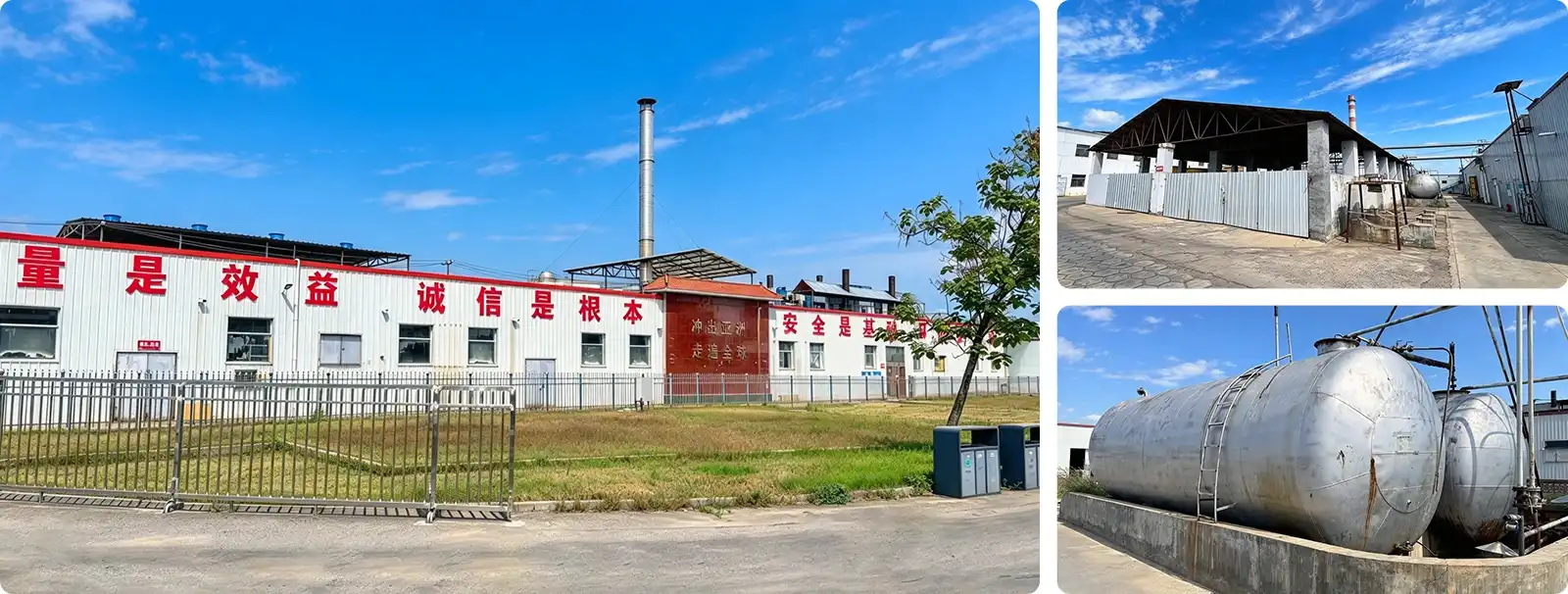
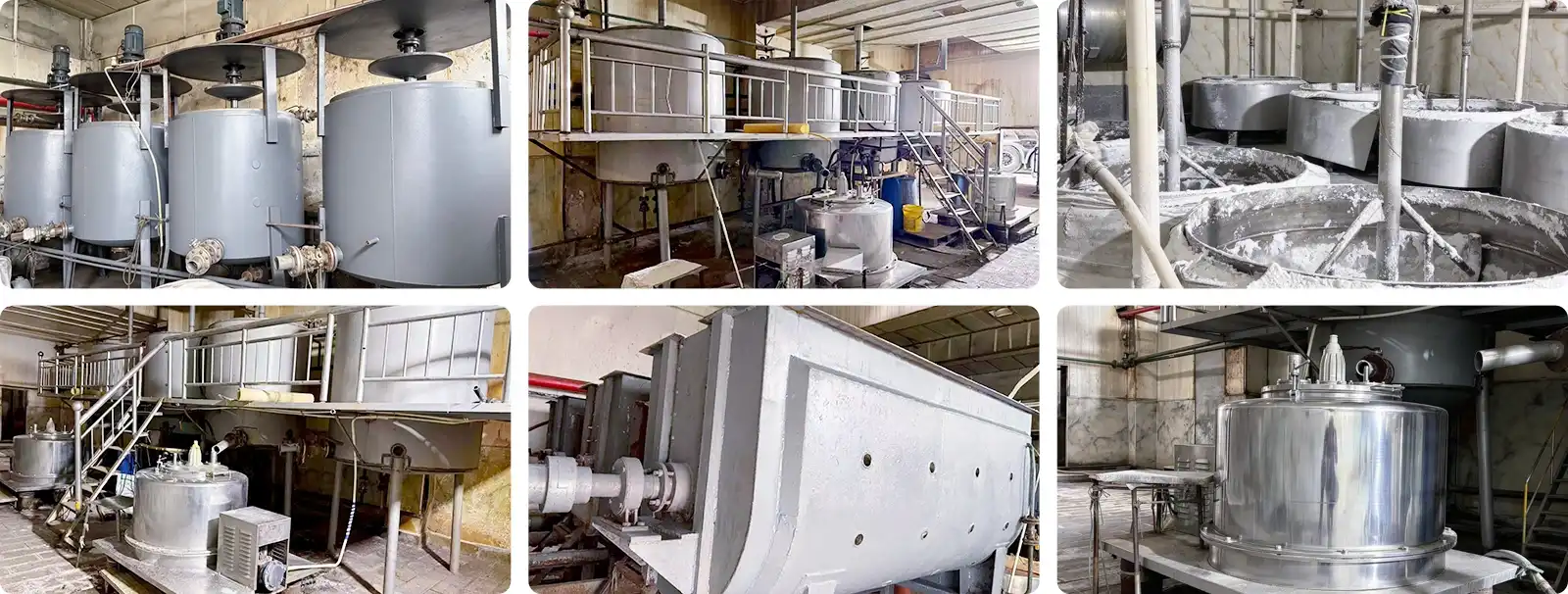
Over 35 years have passed since SHANXI ZHAOYI CHEMICAL first opened its doors in 1988. Deicing liquid potassium acetate is sold to cities, highway contractors, and people who own infrastructure all over the United States. ISO 9001, ISO 14001, and ISO 45001 all list our factory. It can hold 150,000 tons of goods every year. This means that during the busy winter months, you will always have what you need. Our company is reliable, and the potassium acetate we make is used to melt ice. It's easy to pay; we offer 1000L IBC and flexitank shipping, and you can talk to our experts directly for help. Get a sample or group price right away by emailing sxzy@sxzhaoyi.com or going to sxzhaoyi.com.
References
1. Transportation Research Board, NCHRP Report 577: Guidelines for the Selection of Snow and Ice Control Materials, 2007.
2. Federal Highway Administration, Manual of Practice for an Effective Anti-Icing Program, 1996.
3. SAE International, AMS 1435: Fluid, Generic, Deicing/Anti-Icing Runways and Taxiways, 2012.
4. American Concrete Institute, ACI 201.2R: Guide to Durable Concrete, 2016.
5. Clear Roads, Clear Roads Final Report: Pooled Fund Study of Winter Highway Maintenance Practices, 2014.
6. Fischel, M., Evaluation of Products for Roadway Deicing, Colorado Department of Transportation Research Branch, 2001.

USER EVALUATE
Here is the customer's evaluation of us