



How to Evaluate Solid Potassium Acetate Deicing Performance for Large-Scale Projects?
One of the best ways to test deicing solid potassium acetate(CAS NO.: 127-08-2) for a big project is in a controlled field trial. You should start by going to the site. After that, you should look at the outcome and see how it compares to your goals. Check out how fast it melts, how well it breaks the ice, and how long the top stays clear. You shouldn't use price per ton to judge it against other deicers. Instead, learn more about corrosion, runoff, and how much it costs to treat each area. Last but not least, make sure the seller can ship on time and has proof of what they say with a Certificate of Analysis, Safety Data Sheet, and Technical Data Sheet.
Builders, road workers, and airport teams are just a few of the groups that will find this book useful. After reading what the site asks for and what the seller says is okay, I check the item.
Define the Project and Learn the Product
Step 1: Define the Deicing Requirements for the Project
When people look at price first, their big winter plans go wrong. First, I look at the site. It could be a business park, a bridge deck, an airport field, or a highway. Note down what kind of surface it is. A lot of cars are on the road. It'll get cold. Storms are going to happen. The road gets ploughed or swept a lot. You should make goals for how fast the material burns, how well it keeps things from freezing, how long it lasts, how well it stops rust, how safe it is for workers, and how well it protects the environment. In 1996, the Federal Highway Administration put together a guide on how to clear roads of ice. Some things work better when they are done at the right time. Before or during a storm, chemists can make the ice not stick together. Make sure you ask each provider for a list of the temperature ranges, test settings, use rates, and ways they measure things. Without them, it's hard to tell the difference between test scores.
Step 2: How Solid Potassium Acetate Deicing Works
Solid potassium acetate (CH₃COOK, CAS No. 127-08-2) has a molar mass of approximately 98.14 g/mol and breaks down in water on the road. The water doesn't freeze as fast in salt, and the ice on top melts faster. The heat effect during dissolution should be verified under the specified test conditions. You will know for sure if you do it yourself. What kind of particles were used, how clean they are, how hot and wet the surface is, and how the particles spread out. Write down on paper the melting point of the chemical, the freezing point of the brine, the coldest temperature at which the chemical can be used, and the real-life temperature at which ice melts. The reported melting point of solid potassium acetate is approximately 292°C; this value is not the melting point of ice. A 50% aqueous potassium acetate solution is reported to have a freezing point of -59.4°C (-75°F). This value applies to the solution, not to solid potassium acetate. According to the product specifications, the grade is intended for use at temperatures as low as -30°C (-22°F). That sounds like something you should do in a pilot.
Product Data You Can Check
In our study, we cover everything you need to know about deicing solid potassium acetate. Get a batch of COAs that show all the values and include them in your bids.
| Parameter | Standard |
|---|---|
| Content (CH₃COOK) | ≥99.0% |
| Water insoluble | ≤0.05% |
| Chloride (Cl) | ≤0.2% |
| Ferrum (Fe) | ≤0.05% |
| Appearance | White crystal |
I wouldn't say this grade of deicing solid potassium acetate is chloride-free because it can't have more than 0.2 percent chloride. The COA tells you the exact amount for each batch. Potassium acetate crystals dissolve readily in water. They were put in either ton bags, which can hold 1,000 kg, or weave bags, which can hold 25 kg. Let us know if we can help you pack. Your team can then make a clear list of what they need to buy and make sure that each shipment matches the list.
Measure Performance and Compare Alternatives
Step 3: Measure Deicing Performance With Practical Metrics
This test can only be done in a beaker. In the field, it won't work. When I'm working on a big job, I keep track of how long it takes to melt, how much ice melts, how much work is left over, how well it doesn't freeze again, and how spread out the area is at different temperatures. It's important to test your car on black ice, dry snow, wet snow, heavy snow, and snow that freezes and thaws more than once. Every time, write down the date, the weather, the amount of seed, how well the cover worked, and the state of the crop. You will need photos with timestamps, surface temperature readings, control sections, and information on how long it takes for the data to clear in order to make the pilot. Use the same teams and tools for every part of the job. Only the thing needs to be changed. With this record, you can show your board or the airport office that you can trust the seller.
Step 4: Compare With Sodium Chloride, Calcium Chloride, and Potassium Formate
After that, the same tests can be used to see how solid potassium acetate stacks up against sodium chloride, calcium chloride, potassium formate, and any other substance that you can think of. What do salt, metal, and concrete do when it's cold? What does it do to runoff? How do you keep it? What does it do? It's not stable, right? Potassium acetate (CH₃COOK, CAS No. 127-08-2) is chemically different from potassium formate (HCOOK, CAS No. 590-29-4). It has different things on each one. Road salt costs less most of the time. How much does it cost to clean an area that's one square metre? This is important to know because greater doses, reapplication, fixing infrastructure, and following the rules for discharge can make everything different. All quotes should have the same prices, types of packaging, shipping times, and standards for how well they work.
Tie Every Temperature Claim to Its Test Conditions
This number doesn't mean much if you don't know how it was found. This ice is thick. Find out what kind it is, how long it was outside, and how it was made. There are a lot of rules. Airports should ask for SAE AMS 1431F test results for concrete products that keep runways from freezing over. The solid grade is -30°C, according to our sheet. Get a copy of our de-icing performance test report by getting in touch with us. Your experts can use it to check the process. After that, send all of the bidders the same report. Find out how many times you can fail or pass before you begin. Find out how long it can take to clean up and how much dust it can leave behind. When the rules are clear, it's fair to score.
Check Safety, Corrosion, Environment, and Supplier Capacity
Step 5: Evaluate Safety, Corrosion, and Environmental Compatibility
If you do decide to go through with it, make sure it works with coatings, ground support equipment, drainage, speciality pavements, reinforced concrete, and parts that are galvanised. For each report of rust, you should find out how the test was done, how long the area was exposed to the material, how much was used, and what the concentration was. Shi and others (2009) talk about the different ways to check for corrosion in deicers. See how the concrete did on the ASTM C672 scale. When you do the environmental review, you should talk about how much salt there is, how fast it breaks down, how it changes the flow of water, how it kills plants and soil, how much air it needs, and the rules for local release. Read NCHRP Report 577 (2007) and Fay and Shi (2012) to learn more. Just because something is "non-corrosive" or "environmentally friendly" doesn't mean it's true; those are claims I need to check. Make sure you have the right safety gear and know how to put dust back where it came from and clean up any spills. What's more, the SDS and TDS should say how long the item will last.
Storage, Handling, and Moisture Control
The worst thing that could happen to solid potassium acetate is that it will soak up water. It gets stuck in spreaders and cakes up when it's too wet. It needs to be kept in a warehouse that is dry and has good airflow to keep it safe. Put it somewhere cool, dry, and away from anything dangerous while it's being shipped. If you drop the bags, be careful not to tear them. When they get there, the bags should be put on shelves, and any that have been opened should be closed again. Also, you should cover the tote bags with something. How do they know that the things that are sent by sea are safe? How long do they say the goods will last? If the bag is wet when it gets there, it can mess up a good amount of time.
Step 6: Qualify the Product and Supplier for Large-Scale Procurement
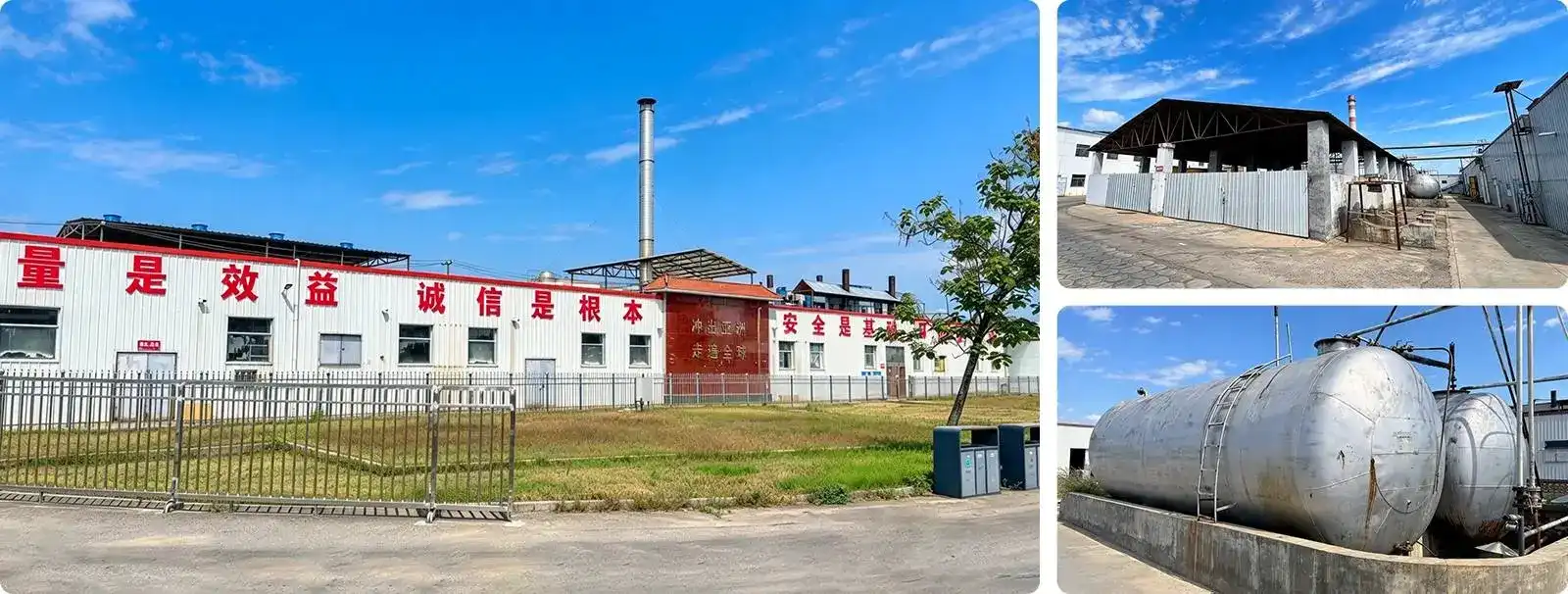
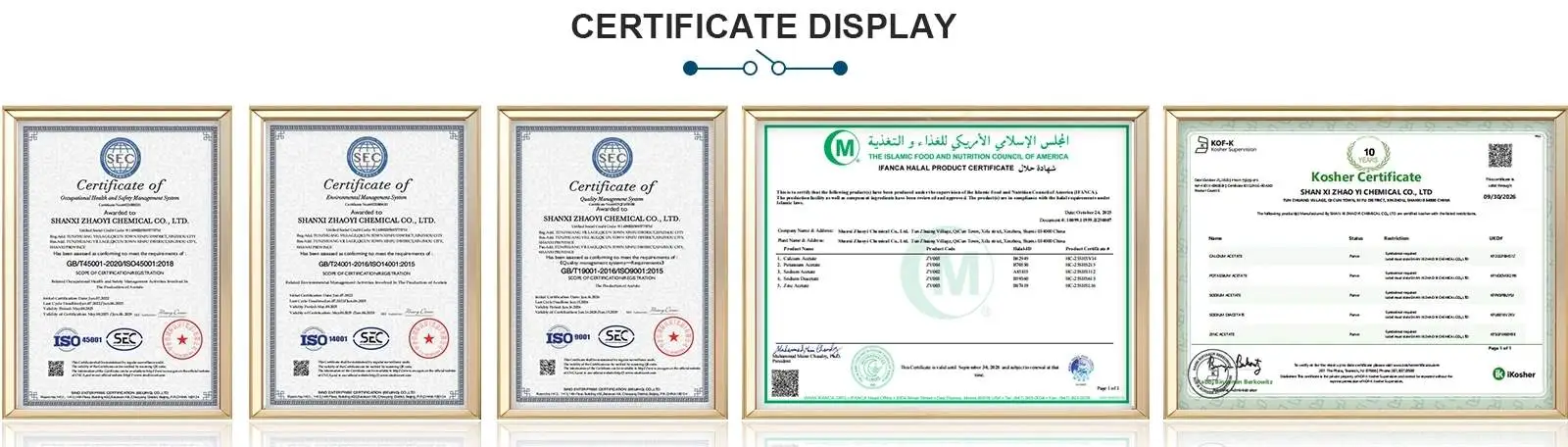
It won't work for deicing solid potassium acetate, so no one can make sure we get the thing on time. You should ask for these things along with a TDS, SDS, COA, item description, batch tracking, dosage advice, storage instructions, and any reports on rust or the environment. You should think about how much can be made, where to get the raw materials, lab checks, goods that have been exported before, how to handle complaints, and when the supply will be ready. This company has been in Shanxi, China, since 1988. There are 60 people working in the 27,000 m² building. Every year, this business makes 150,000 tons of acetate goods. These tags say ISO 9001 and ISO 14001 on them. We can ship from Shanghai, Lianyungang, or Qingdao. It's not enough to just say FOB and CIF. Write down the terms of your price, how much you want to buy, the wait time, the MOQ, and how the container will be placed there. Before giving the all-clear, you should test and try some things.
Apply the Evaluation to Real Sites and Avoid Errors
Step 7: Match the Criteria to Your Scenario
Each measure is given a different amount of weight in each place. You can start with the FAA's winter operations circular. It tells you how to make ramps and airports better places to land and take off quickly, correctly, and when it's cold. The circular can also be used to keep track of things, follow aviation rules, and make sure that gear works with other things. When they plan road and bridge projects, they think about how many routes there will be, how much storage space they will need, how often the project will be used, how the temperature will change, and how easy it will be for corrosion to happen. When working in business parking spots, people think about how well the concrete mixes with other surfaces, how safe it is for people to walk on, how much waste there is, and how quickly the things can be moved. As they de-ice, industrial sites should check their loading docks, car yards, drains, steel buildings, sensitive equipment, worker safety, and how long their supplies will last. Pick out the three or four most important things about your site.
Common Evaluation Mistakes and How to Avoid Them
Most of the time, people make these mistakes: they buy the cheapest material, trust a temperature claim that isn't backed up by proof, don't think about how the product will react with water, don't test it in the field, and accept a product that doesn't have all of its paperwork in order. It's not clear from the price how much, how often, how well, how to store, or how bad it is for the environment. For every temperature report, there should be a link to the depth, surface conditions, and test method of the ice. Pick containers that won't soak up water, and keep the bags dry, so they don't bunch up or stop moving. But before going live, you should test the SDS, TDS, COA, batch traceability, application guidance, and test reports in a safe place. It takes a lot more to not be ready for a storm than to fix something.
Final Decision Model for Selecting a Solid Potassium Acetate Deicer
With the help of a weighted score, teams can find the best balance of cost, speed, risk, and rules. How well it melts ice should be worth about 25% to 30% of the weight. How well it works in cold weather should be worth 15 to 20 percent of the weight. 15–20% of the weight should be given to how well it doesn't rust and how well it works with other things. About 10% to 15% of the weight should be given to how well it works in the environment. The supplier's dependability and how easy it is to work with them should be given 10-15% of the weight. It's possible for an airport to set 25, 20, 20, 10, 15, and 10, which adds up to 100. Changes need to be made to the weights of company sites, industry sites, and public roads. Before you sell something, make sure you have all the paperwork you agreed to, good test results, good packaging, the ability to deliver, and clear business terms.
Conclusion
Do big projects one step at a time and take it easy to make sure the deicing solid potassium acetate(CAS NO.: 127-08-2) works right. First, make a plan for where the storm will happen and how it will move. The grade for solids is marked with -30°C, and the grade for 50% liquid is marked with -59.4°C. If you want to know how to make brine, don't mix up weather terms. Using standard parts and goods in a controlled sample plan is one way to find out how well the different options work. Also, don't look at all of the prices at once. Instead, find out how much each option costs per square metre that is treated. To compare rust, concrete, and flow signs, you can use information about the item. Don't let the solid soak up water while it's being stored. Check the papers from the seller to see how they handle orders and how much they can bring. Weighed scores tell each type of site what to do after these checks, and each can explain why it made the choice it did.
FAQ
Does one application rate work for every site?
You need to know about the depth, type of surface, temperature, and humidity of the ice to get the right rate. Get help from the service provider to find the TDS. After that, talk to your own pilot to make sure the rate is right.
Does solid potassium acetate protect concrete and metal?
It has to be real for the proof to work. To find the best ones, look at the ASTM C672 data on corrosion and concrete scaling for each candidate. We need to know how the tests you gave us went.
What documents and terms should I request?
How pure is it, and what is the recipe? Who can I talk to about tech problems? What are the wait time, TDS, SDS, COA, test results, and minimum order quantity (MOQ)? For every sale, we tell you the MOQ and when the goods will be sent. You are also given the COA, SDS, and TDS.
Request a Deicing Solid Potassium Acetate Evaluation or Bulk Quotation from SHANXI ZHAOYI CHEMICAL
We can help you find a company that makes deicing solid potassium acetate(CAS NO.: 127-08-2) for a winter project. There are 25 kg bags and 1,000 kg ton bags with COA, SDS, and TDS on them. Our ISO 9001 and ISO 14001 reviews show that we can make up to 150,000 tons of acetate each year. Please email sxzy@sxzhaoyi.com with your surface type, volume, and delivery window. You can find out more at sxzhaoyi.com as well.
References
1. Transportation Research Board, NCHRP Report 577: Guidelines for the Selection of Snow and Ice Control Materials to Mitigate Environmental Impacts, 2007
2. Fay, L. and Shi, X., Environmental Impacts of Chemicals for Snow and Ice Control: State of the Knowledge, Water, Air, & Soil Pollution, 2012
3. Shi, X. et al., Corrosion of Deicers to Metals in Transportation Infrastructure: Introduction and Recent Developments, Corrosion Reviews, 2009
4. Federal Aviation Administration, Advisory Circular 150/5200-30D: Airport Field Condition Assessments and Winter Operations Safety, 2014
5. ASTM International, ASTM C672/C672M: Standard Test Method for Scaling Resistance of Concrete Surfaces Exposed to Deicing Chemicals, 2012
6. Federal Highway Administration, Manual of Practice for an Effective Anti-icing Program: A Guide for Highway Winter Maintenance Personnel, 1996

USER EVALUATE
Here is the customer's evaluation of us