



How Does Deicing Solid Potassium Acetate Melt Ice in Winter?
Ice is melted by the well-known chemical process known as freezing point lowering when using deicing solid potassium acetate (CH3COOK, CAS 127-08-2). Its white crystal granules quickly dissolve when they come in contact with water on the surface, releasing potassium and acetate ions into the water layer between the pavement and the ice. The hydrogen bonds that hold ice crystals together are broken by this ionic action. This makes the solution freeze at as low as -30°C (-22°F). The breakdown is exothermic, which means it gives off heat that speeds up the melting process. This is very helpful in very cold winters when passive agents stop working.

Understanding Solid Potassium Acetate and Its Deicing Mechanism
Organic acetate salts are what potassium acetate is a part of. Having a molecular weight of 98.14 g/mol and being very soluble in water, acid, and alcohol, it is made to work quickly and well once it freezes. Acetate-based deicers are very stable at temperatures below zero because they work by both dissolving ions and making heat. But this is not the same as solid chloride salts, which only work by changing the osmotic pressure.
How Freezing Point Depression Works in Practice
When it melts, it turns into K⁺ and CH3COO⁻ ions. When water molecules try to make ice crystal structures, these ions get in the way. In other words, it needs to get very cold before the ice can freeze again. The freezing point can be lowered better with organic acetate solutions than with sodium chloride solutions of the same amount, according to a study published in Cold Regions Science and Technology (2018). This is especially true below -10°C.
Solid vs. Liquid Potassium Acetate for Winter Maintenance
When it comes to logistics, solid formulas are clearly better than liquid ones. It is easier to store, move, and use standard mechanical spreaders on granular potassium acetate. It also works better through thick ice crusts because it works its way into surface cracks before melting. However, liquid potassium acetate is better for pre-wetting or anti-icing tasks. A lot of airports use both pre-treatment with liquid and solid granules during active snowfall to protect the runways in more than one way.
Advantages and Environmental Impact of Using Solid Potassium Acetate
Purchasing managers often wonder why deicing solid potassium acetate is more important than cheaper, more common options. The answer lies in what it protects—both infrastructure and the environment around it—while keeping operations moving efficiently.
Here are the main reasons why acetate-based deicing is better than standard chlorine methods:
- Non-corrosive chemistry: Aluminium alloys, steel rebar, and airplane landing gear rust faster when chloride-based deicers are used. If potassium acetate is made to be ≥99.0% pure and has a chloride level of ≤0.2%, it doesn't cause metal and concrete to rust very much. This makes it cheaper in the long run to keep the airside bridges, parking decks, and tools in good shape.
- Low impact on the environment: The acetate ion breaks down naturally through aerobic microbe activity, so it doesn't do a lot of damage to the environment. Studies cited by the Transportation Research Board show that potassium acetate has a much smaller effect on biological oxygen demand (BOD) in nearby waters than glycol or urea-based deicers [3].
- Works up to -22°F (-30°C): At about -9°C, regular rock salt stops being useful. You can still use potassium acetate after that time, which is why it is the best deicer for airport runways in cold places like Northern Europe and North America.
These benefits directly lead to shorter periods of time between replacing infrastructure, lower costs for environmental compliance, and fewer problems with operations during the winter. Not only is it possible to switch to an acetate-based agent near waterways or LEED-certified buildings, but it is also the law.
Comparing Solid Potassium Acetate with Other Deicing Agents
When buying teams know how potassium acetate stacks up against other goods, they can better plan their spending and pick the best agent for each surface.
Rock salt, which is sodium chloride, is still used by many as a deicer because it is cheap, but it can damage important infrastructure because it doesn't work well in very cold or very hot weather. Calcium chloride works well at low temperatures and gives off heat when it breaks down. However, it leaves behind a substance that can attract water and make the concrete surface scale faster over time. It's not as harsh as calcium chloride, but magnesium chloride can still do damage to metal. Deicing solid potassium acetate (CAS NO.: 127-08-2) is an option that can be used in situations where less rust and better interaction with other materials are important.
In the past, products based on urea were used on airport runways instead of salts because they didn't rust. Urea, on the other hand, adds nitrogen to groundwater and stops working mostly below -7°C, which is a big problem during harsh winters. The FAA Advisory Circular AC 150/5370-10 [4] says that potassium acetate that meets SAE AMS 1431 is now the standard for deicing runways where both corrosion protection and environmental performance are required.
Both sodium acetate and potassium acetate can melt ice, and sodium acetate is also often used as a carbon source in water cleaning processes. In deicing situations, potassium acetate usually works a little better at low temperatures and is the best substance for use in aviation-grade situations.
Procurement Guide for Solid Potassium Acetate Deicing Agents
There's more to finding a bulk deicing agent than just comparing prices per metric tonne. Consistency in quality, following certification rules, and supply reliability are all equally important factors. This is especially true for airport operators and municipal highway contractors who can't stand supply gaps.
When evaluating a solid potassium acetate manufacturer, procurement teams should verify the following:
- Purity certification: The CH3COOK content must be at least 99.0%, with less than 0.05% water-insoluble matter and less than 0.05% iron. These factors have a direct effect on how well melting works for each application weight.
- SAE AMS 1431 compliance: This aircraft material standard controls how well the particles are distributed and how much they can resist scaling in concrete. It is required for all purchases in the flight industry.
- ISO quality management certification: ISO quality management certifications, such as ISO 9001, ISO 14001, and ISO 45001, cover things like making sure products are consistent, taking care of the environment, and making sure workers are safe. Suppliers who have all three provide a quality standard that can be checked.
- Packaging options: Reliable sources offer 25 kg plastic woven bags for handling at the site level and 1,000 kg ton-bags for bulk store storage. Custom options are also available upon request.
Because deicing solid potassium acetate absorbs water, it is very important to store it properly. To prevent caking, warehouses should be kept dry and well-ventilated, with humidity levels carefully controlled. Bags should remain sealed until use and be kept away from heat sources and incompatible materials.

Application Methods and Best Practices for Optimal Deicing Results
Dosing Rates and Spreading Equipment
Rates of application are usually between 10 and 30 grams per square metre, but they depend on the temperature of the surface, the thickness of the ice, and the amount of rain or snow. Calibrated mechanical spreaders with aperture settings that can be changed make sure that the material is spread evenly and there is no waste. Adding liquid potassium acetate to granules before spreading them lowers scatter and speeds up the melting reaction. This method is widely used at business airports.
Managing Residue and Long-Term Surface Protection
As temperatures rise after a storm, leftover granules should be swept off of surfaces to keep them from building up and making draining worse. Potassium acetate waste does not leave behind mineral layers that wear down concrete surfaces like chloride salts do. Environmental compliance reporting is easier when application amounts are regularly recorded. This is especially true for sites that need stormwater release permits under the EPA's Clean Water Act framework.
Conclusion
Two ways that deicing solid potassium acetate melts ice are by lowering the freezing point of ions and dissolving them using heat. This mix makes deicing work reliably at temperatures as low as -22°F (-30°C) and helps protect infrastructure and sensitive areas from rust. Because it is good for the environment and works well in tough deicing jobs, this acetate-based deicer could be used at airports, bridges, and other places where protecting the environment and infrastructure is important. Acetate-based deicing solutions can be worth more than the cost of purchase because they decrease the need for corrosion-related upkeep and operations. This is especially true for buying teams that care about the long-term health of infrastructure and the environment.
FAQ
Is solid potassium acetate safe near vegetation and water bodies?
Potassium acetate is not nearly as bad for plants and animals in water as ethylene glycol or chloride salts. With the help of bacteria, the acetate ion breaks down on its own. Runoff doesn't really hurt nearby plants or water when it's used at the right rates. In other words, it can be used near lakes, wetlands, or green spaces that are protected.
How does it compare to rock salt in performance?
Below -9°C, rock salt stops working and speeds up the corrosion of steel and concrete. Potassium acetate works at -30°C and has a formula that is approved to meet aircraft standards for not corroding. It provides much higher working reliability and cheaper lifecycle upkeep costs for important structures like runways, bridges, and parking decks.
What certifications should I verify before purchasing?
Make sure that the product meets SAE AMS 1431 standards for use in aircraft, ISO 9001, 14001, and 45001 standards for quality and environmental management, and that the pure paperwork shows that the CH3COOK content is at least 99.0%. Some sellers also have Kosher and Halal certifications so their products can be used in more than one business.
Can solid and liquid potassium acetate be used together?
Yes. Adding liquid potassium acetate to solid granules before spreading them lowers their bounce and speeds up the first melting reaction. During heavy snowfall, this joint method is used by many airport operations.
Partner with SHANXI ZHAOYI CHEMICAL for Reliable Deicing Solutions
Since 1988, SHANXI ZHAOYI CHEMICAL has been making certified acetate products. They can make up to 150,000 tonnes of them every year and have ISO 9001, ISO 14001, and ISO 45001 certifications. We are a reliable supplier of deicing solid potassium acetate(CAS NO.: 127-08-2). We offer verified purity (≥99.0%), compliant packaging, and reliable bulk logistics to customers in North America and around the world. To get a price for your winter repair needs, email our technical team at sxzy@sxzhaoyi.com or go to sxzhaoyi.com right now.
References
1. Shi, X., Fay, L., & Peterson, M. M. (2010). Corrosion effects of magnesium chloride and sodium chloride on powder-coated steel. Cold Regions Science and Technology, 65(3), 371–381. https://www.sciencedirect.com/science/article/pii/S0165232X10001576
2. Federal Aviation Administration. (2021). Airport Winter Safety and Operations (Advisory Circular AC 150/5200-30E). U.S. Department of Transportation. https://www.faa.gov/documentLibrary/media/Advisory_Circular/150-5200-30E.pdf
3. Transportation Research Board. (2007). Deicing, Anti-icing, and Traction Enhancement Materials: Review of the Environmental Impact and Related Practices (NCHRP Report 577). National Academies Press. https://nap.nationalacademies.org/catalog/14127
4. SAE International. (2020). AMS 1431E: Compound, Solid Runway and Taxiway Deicing/Anti-icing. SAE International. https://www.sae.org/standards/content/ams1431e/
5. Fischel, M. (2001). Evaluation of Selected Deicers Based on a Review of the Literature. Colorado Department of Transportation. https://www.codot.gov/programs/environmental/waterquality/docs/deicer-evaluation.pdf
6. U.S. Environmental Protection Agency. (2022). NPDES Stormwater Program: Industrial Stormwater Permit Fact Sheet. EPA Office of Water. https://www.epa.gov/npdes/npdes-stormwater-program

USER EVALUATE
Here is the customer's evaluation of us
YOU MAY LIKE
 VIEW MOREIndustrial Sodium Acetate Trihydrate
 VIEW MOREIndustrial Solid Sodium Formate
 VIEW MOREAirport Runway Liquid Potassium Formate
 VIEW MOREPharmaceutical Solid Potassium Acetate
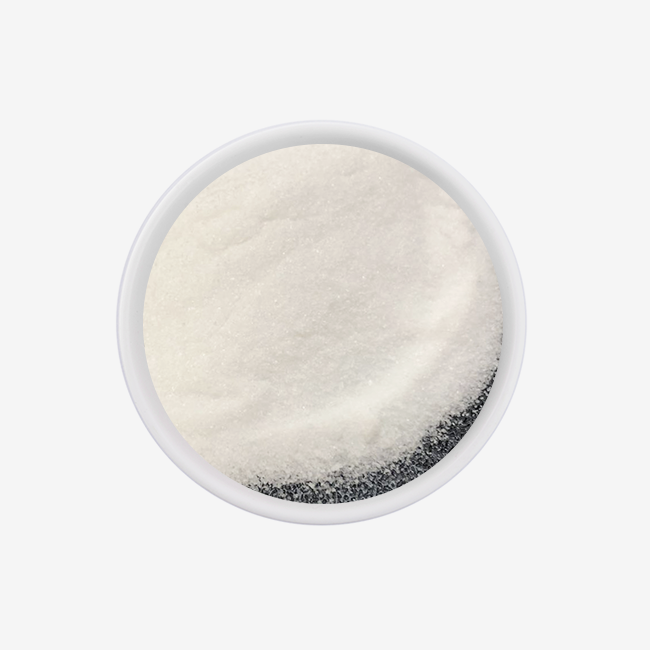 VIEW MOREDisinfection Preparation Solid Potassium Acetate
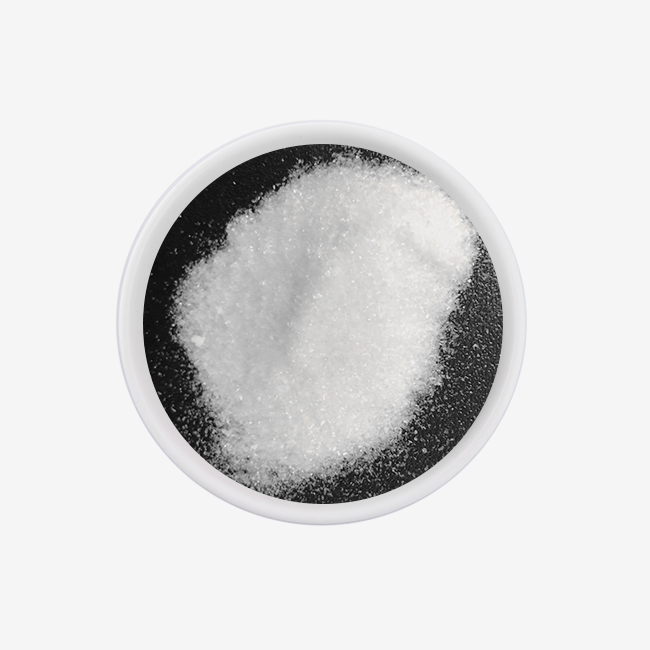 VIEW MOREpH Adjustment Sodium Acetate Anhydrous
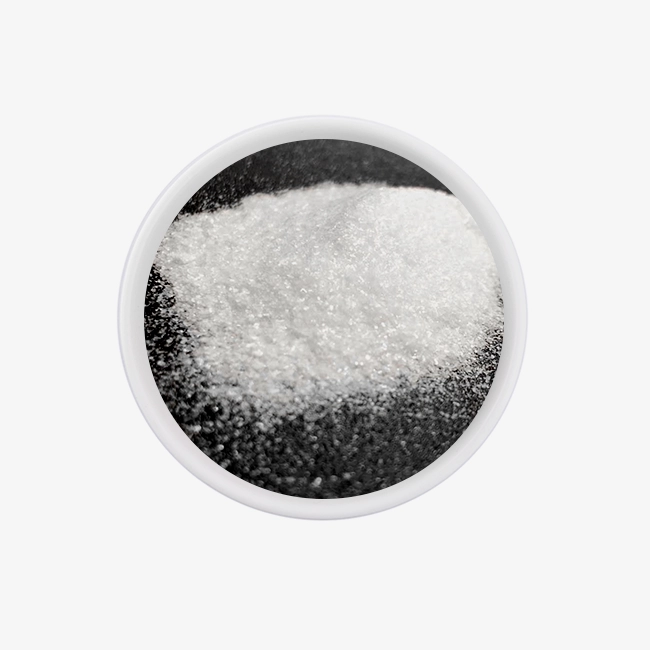 VIEW MOREAntibiotic Sodium Acetate Anhydrous