



How Airports Source Solid Potassium Acetate for Runway Deicing
Airports across the United States source Airport Runway Solid Potassium Acetate(CAS NO.: 127-08-2) by working directly with certified chemical manufacturers who meet SAE AMS 1431 standards. Procurement teams typically evaluate suppliers based on product purity (≥99.0% CH₃COOK), bulk supply capacity, cold-weather performance down to -60°C, and environmental compliance. Given the strict FAA and EPA requirements governing airfield chemical use, most airport operators partner with established producers who provide traceable quality documentation, flexible packaging options, and consistent delivery schedules throughout the winter season.
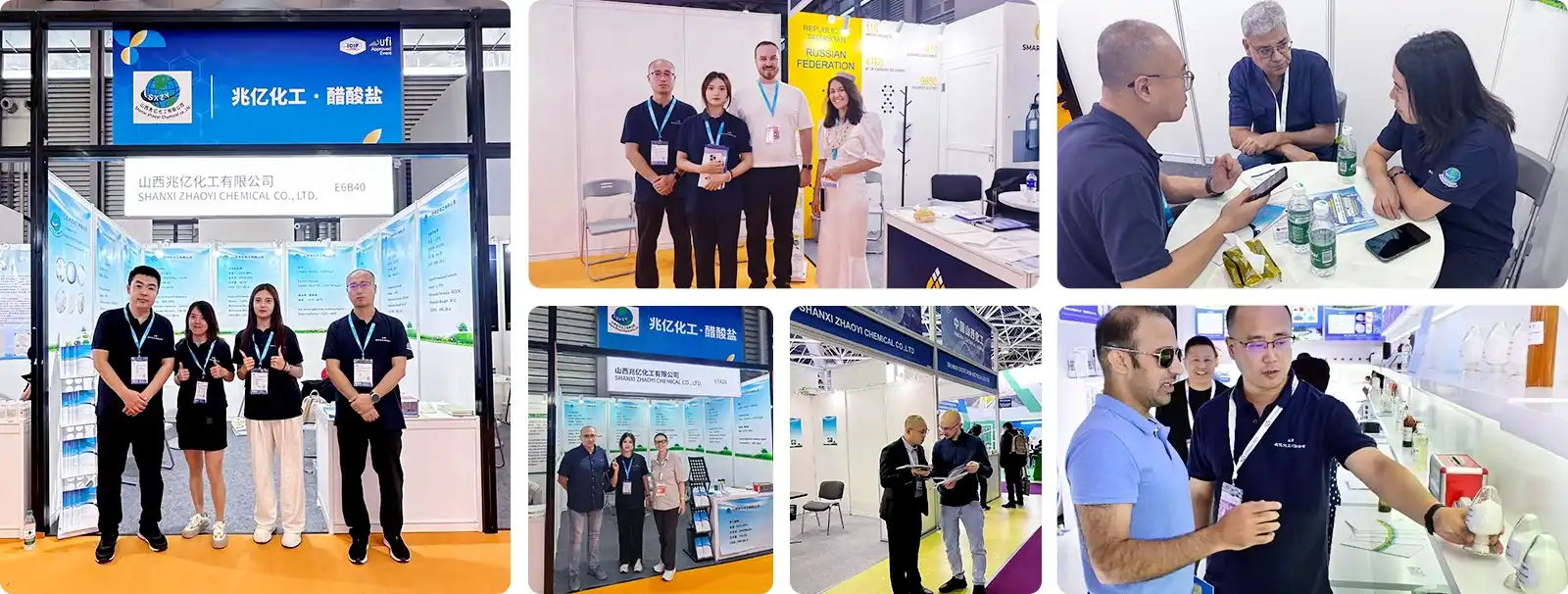
Understanding Solid Potassium Acetate in Runway Deicing
What It Is and How It Works
There is a white, crystalline granule called potassium acetate that has the CAS number 127-08-2 and the molecular formula CH₃COOK. This thing weighs 98.14 grams per mole. When it hits something cold, it starts an exothermic reaction that generates heat that melts the ice. Without this system, it would take longer and be more dangerous for ground teams to clear runways.
Why Airports Choose It Over Chloride Salts?
Some airplane parts made of aluminum, magnesium, and cadmium rust when they come in contact with things that are based on chloride. When it comes to potassium acetate, there is no such risk. SAE AMS 1431E says it doesn't rust, and it breaks down naturally without giving off any ammonia, which is dangerous. It's what U.S. airports that have to follow FAA Advisory Circular 150/5200-30 choose because it keeps planes safe and is good for the environment.
Regulatory and Safety Standards It Must Meet
When used in the US, airport deicing agents must follow the rules set by the EPA for stormwater release and SAE AMS 1431 for particles. It works well for both of these reasons. Its biochemical oxygen demand (BOD) may differ from that of glycol-based fluids, so the environmental impact should be evaluated using product-specific test data. When an airport is close to a marsh or a protected watershed, this is a big problem.
Comparing Solid Potassium Acetate with Other Runway Deicing Chemicals
To choose the best airport deicing agent, you should think about how well it works in cold weather, how environmentally friendly it is, and how easy it is to store. Here is a clear look at the main options you have right now.
Most of the time, airports look at these key choices:
- Urea: Effective only to approximately -7°C and releases ammonia, which is toxic to aquatic organisms. Most major U.S. airports have phased it out under updated stormwater permits. By contrast, solid potassium acetate remains effective down to -60°C without ammonia byproducts, making it suitable for airports in northern states like Minnesota, Michigan, and Alaska.
- Calcium chloride (CaCl₂): Delivers fast melting at moderate cold but may cause corrosion in susceptible metal structures and aircraft components. Airports with significant aircraft traffic avoid it entirely on active movement areas.
- Liquid potassium acetate (SAE AMS 1435): Excellent for anti-icing preventive applications but can run off quickly in wind or rain. Solid granules bond better to pavement surfaces during high-wind events and penetrate thicker ice layers—up to 6 mm—more effectively.
- Propylene glycol fluids: Primarily used for aircraft deicing, not pavement. High BOD loads require costly wastewater treatment infrastructure when used in large volumes on runways.
Airport Runway Solid Potassium Acetate(CAS NO.: 127-08-2) and propylene glycol-based fluids are mostly used to de-ice planes, not roads. High BOD loads mean that expensive equipment is needed to clean wastewater when it is used in large amounts on runways.
How Airports Procure Solid Potassium Acetate for Runway Deicing?
Identifying Qualified Suppliers
It is the job of teams that buy things to find companies that have ISO 9001 quality management approval and proof that they follow SAE AMS 1431E. Suppliers should show test results from a different lab that show the product is clean (>99.0%), has no salt or Ferrum(Fe) (<0.05%), and doesn't dissolve in water (≤0.05%). People who sell things can handle high demand without any problems if they can make at least 100,000 tons of goods every year.
Bulk Purchasing and Packaging Considerations
Most contracts with airports say that goods must be sent in 1,000 kg ton-bags or 25 kg moisture-proof woven bags. It is very important that the bags used are completely sealed because potassium acetate soaks up water. If they aren't, the product will start to crystallize and spread out very quickly. As a general rule, procurement officers should ask for an inner lining made of two layers of PE and PP. The best way to make sure you have enough goods is to reserve stock space and sign seasonal contracts before October. These contracts will lock in prices.
Managing Logistics and Lead Times
You can trust suppliers of Airport Runway Solid Potassium Acetate to keep extra on hand and confirm that normal orders will be made in 5–7 business days. When people in the U.S. buy something from China, shipping through ports on the West Coast often speeds up the process. Checked freight contracts and proof of customs compliance make it less likely that there will be supply gaps before winter, which can be very bad for airport operations.
Practical Guidance on Applying Solid Potassium Acetate on Airport Runways
Application Methods and Equipment
Granules are spread by measured spreading trucks at the rate recommended by the manufacturer. This rate is usually 20–40 g/m², but it depends on how thick the ice is and how cold the air is. Adding liquid potassium acetate to the pellets before you use them will keep them from moving around when they are jet-blasted. This makes sure that the stuff on the road stays where it should be. For the best results, workers on the ground should start putting it down before 3 mm of ice forms.
Worker Safety and Environmental Protocols
PPE includes gloves that can handle chemicals and eye protection. This is important to do even though Airport Runway Solid Potassium Acetate is not very dangerous in the short term. Under the terms of their NPDES permit, airports must send meltwater to systems that collect it in a certain way. The substance breaks down in water, making it easy to clean up. First
Real-World Performance Data
The winter operations team at Chicago O'Hare International Airport did tests in the field and found that acetate-based grainy deicers could melt the ice in 30 minutes at -20°C, while urea took over 60 minutes at the same temperature. This difference in speed directly cuts down on the time runways need to be closed and increases the number of flights that leave on time during winter storms.
Future Trends and Innovations in Runway Deicing Chemicals
Advances in Potassium Acetate Formulations
Companies are working to make the sizes of the granules more evenly spread out so that fewer of them need to be applied without affecting coverage. Spreaders can be set to within ±5% of the true number when the particles are more uniform. This can lower the amount of chemicals used by up to 15% each season. By making these changes to the mixture, the landing surfaces will not get sticky.
Smart Airport Integration
In the United States, several airports are trying Internet of Things (IoT)-based sidewalk sensor networks that set off automatic spreaders when the ground temperature drops below a certain level. For these systems to work with supply lines for potassium acetate, they need suppliers who can get the goods to them quickly, sometimes within 24 hours of a weather report. In this model, suppliers who can help with transportation when needed become important business partners.
Regulatory Changes on the Horizon
The EPA is currently changing the rules for how much stormwater an airport can discharge. Because of these changes, BOD levels are likely to become even stricter. This will put extra stress on airports that still use glycol-heavy programs. Potassium acetate is better for long-term regulatory compliance because it has a lower BOD profile. If an airport has already moved to it, they will be better prepared when their permits need to be updated.
Conclusion
As of now, Airport Runway Solid Potassium Acetate(CAS NO.: 127-08-2) is the only way to de-ice airport walkways in the US. It works well in cold weather, keeps planes safe, and doesn't hurt the environment. There is less danger for airports when they buy it from approved, high-capacity makers. At the same time, they have to follow tougher government rules. As formulas get better and smarter airport gear gets made, potassium acetate will be used more to keep winter runways in good shape. You can protect both your business and your legal standing in the long run by choosing the right provider now.
FAQ
Is solid potassium acetate safer than urea for airport use?
If you break down urea, you get ammonia. Ammonia is bad for sea life and often against state stormwater permits. The FAA and EPA say that solid potassium acetate is the best choice because it breaks down naturally and has less of an effect on the environment.
What is the shelf life of solid potassium acetate?
The food will last about two years if it is kept in a dry, well-ventilated place with lids on containers that won't let water in. The item is hygroscopic, which means it absorbs water quickly. Any damage to the package should be seen as a quality issue.
Can solid and liquid potassium acetate be used together?
Yes. To make deicing work better overall, wet solid granules with liquid potassium acetate (SAE AMS 1435) before spreading them out. This keeps them from flying around in strong winds and speeds up the first melting reaction.
Does potassium acetate damage runway pavement or lighting?
In contrast to chloride salts, potassium acetate that meets SAE AMS 1431E standards does not harm pavement, concrete, or light fixtures. The chloride salts break down pavement and short out the electricity in runway lighting lines.
What packaging formats are available for bulk orders?
Weaving plastic bags that can hold 25 kg and ton-bags that can hold 1,000 kg are common options. A double-layer PE/PP inner lining is recommended to keep water out during shipping and storage.
Partner with SHANXI ZHAOYI CHEMICAL for Your Runway Deicing Supply
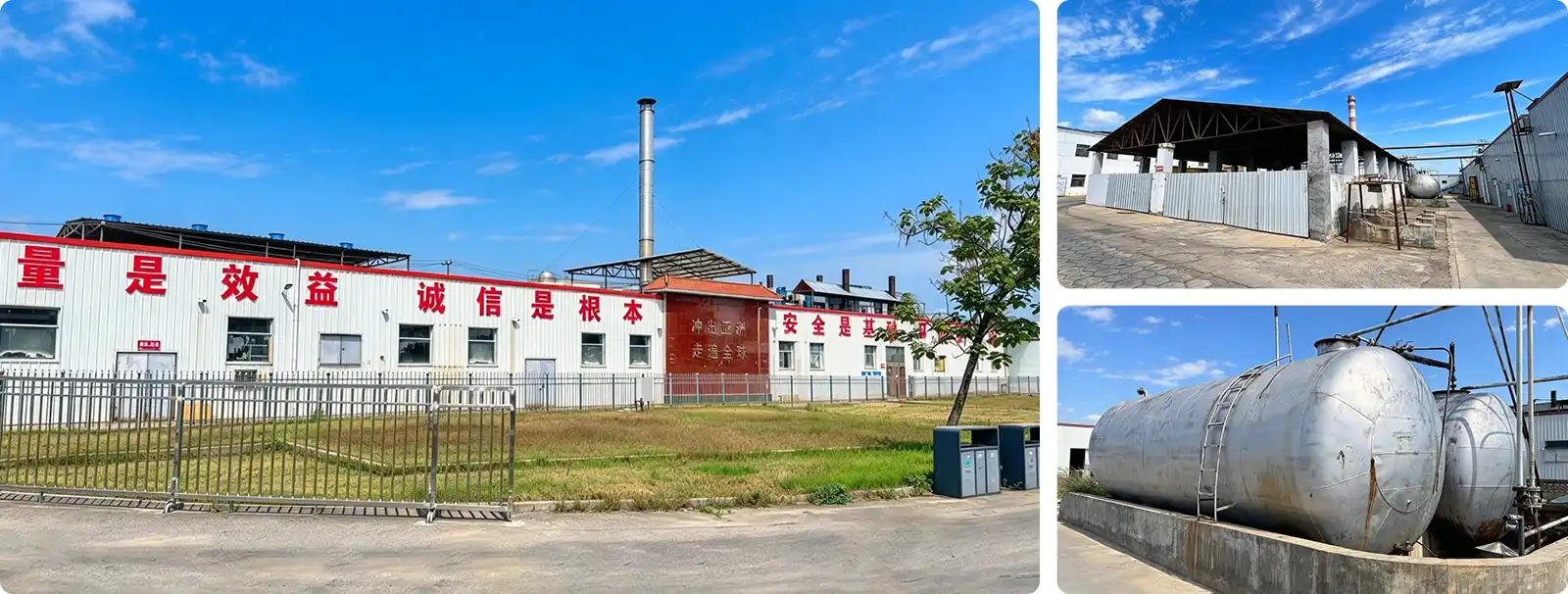
It has been around since 1988 and can make up to 150,000 tons of Airport Runway Solid Potassium Acetate every year. It is safe to buy from them because they have ISO 9001, ISO 14001, ISO 45001, KOSHER, and HALAL certifications. Our item meets SAE AMS 1431 standards and ships in 5–7 business days. Get in touch with us to get better deals on large orders and unique packaging. Send us an email at sxzy@sxzhaoyi.com or visit sxzhaoyi.com right away to get a price.
References
1. SAE International. SAE AMS 1431E: Compound, Solid Runway and Taxiway Deicing/Anti-Icing. SAE International, 2018.
2. Federal Aviation Administration. Airport Winter Safety and Operations, Advisory Circular 150/5200-30D. FAA, 2016.
3. U.S. Environmental Protection Agency. Effluent Limitations Guidelines and New Source Performance Standards for the Airport Deicing Category. EPA, 2012.
4. Transportation Research Board. Airport Pavement Deicing Chemicals: Environmental Impacts and Mitigation. National Academies Press, 2014.
5. Levelton Consultants Ltd. Guidelines for the Selection of Snow and Ice Control Materials to Mitigate Environmental Impacts. Transportation Association of Canada, 2008.
6. Fischel, M. Evaluation of Selected Deicers Based on a Review of the Literature. Colorado Department of Transportation Research Branch, 2001.

USER EVALUATE
Here is the customer's evaluation of us