



Oilfield Drilling Grade Sodium Formate
CAS NO.: 141-53-7
Molecular Formula: HCOONa
Molecular Weight: 68.01 g/mol
Grade: Oilfield Drilling Grade
Character: White crystalline powder with high water solubility and controlled impurity levels. It can be formulated into clear formate-based brines.
Usage: Used in drilling fluids, completion fluids, workover fluids, and solids-free brine systems. It helps provide adjustable density, low viscosity, shale stabilization, reduced formation damage, and improved compatibility with oilfield additives.
Package: 25 kg moisture-resistant bag or 1000 kg bulk bag.
Storage: Store in a sealed package in a dry and ventilated warehouse. Protect from moisture, contamination, acids, and oxidizing agents.
- Product Description
Oilfield Drilling Grade Sodium Formate – High-Performance Solids-Free Weighting Agent for Advanced Well Completion
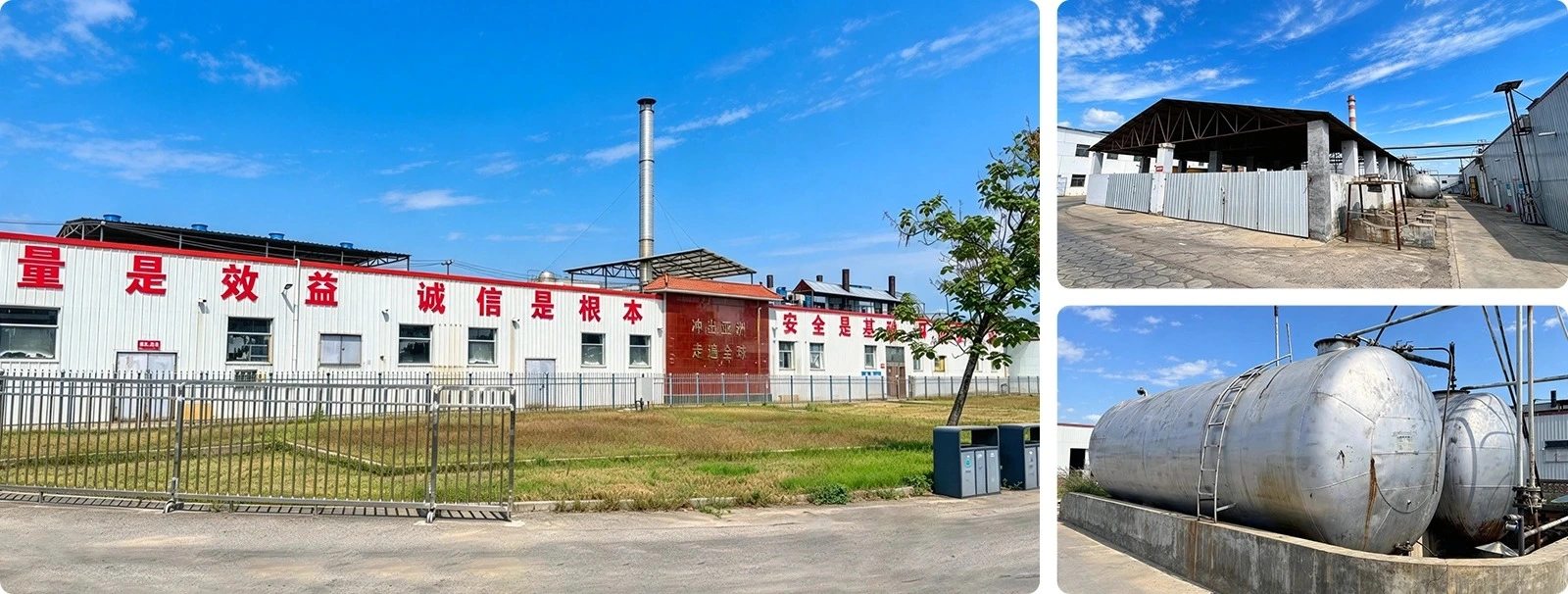
Shanxi Zhaoyi Chemical Co., Ltd. started up in 1988. Since then the firm has turned out Oilfield Drilling Grade Sodium Formate for tough drilling and completion jobs. Our sodium formate (CAS 141-53-7, ≥98% purity) is made for solids-free brine systems. Output reaches 150,000 tons a year, and the plant covers 27,000 m². This white crystalline powder holds thermal stability past 200°C. Fluid densities climb as high as 1.33 SG. It stabilizes shale and guards the formation, as tests show. ISO approval is on hand, and the product also carries KOSHER and HALAL certificates. Oilfield projects across Europe, America, and Asia rely on it.
Key Features & Benefits
Old-style solid weighting agents often damage the formation. This product does not. It dissolves fully in water, so the drilling fluid stays truly solids-free. Pores no longer get plugged, and reservoir permeability holds up.
Osmotic pressure control gives the product strong shale inhibition. Chloride salts tend to corrode things. With this product, tubulars and downhole equipment face less corrosion risk. Clay inhibition also tops 90%.
For HPHT jobs, it holds up well. Credit the heat resistance, which reaches 200°C. Polymer-based systems fall apart once temperatures climb. Even there, drilling keeps density under control and rheology steady.
Environmental rules get met as standard. Your green goals get backing from the biodegradable formula. Technical performance stays the same. Reason being, it meets the PLONOR classification criteria for offshore operations.
Technical Specifications
| Parameter | Specification | Testing Method |
|---|---|---|
| Chemical Formula | HCOONa | - |
| Molecular Weight | 68.01 g/mol | - |
| Purity (Dry Basis) | ≥ 98.0% | Titration |
| Appearance | White crystalline powder | Visual |
| Moisture Content | ≤ 0.5% | Karl Fischer |
| Chloride (Cl) | ≤ 0.03% | Ion chromatography |
| Iron (Fe) | ≤ 0.006% | ICP-OES |
| Heavy Metals (as Pb) | ≤ 0.001% | ICP-OES |
| Water Insoluble Matter | ≤ 0.04% | Filtration |
| pH (10% Solution) | 7.0 - 9.0 | pH meter |
| Maximum Brine Density | 1.33 SG (11.1 ppg) | Densitometer |
| Corrosion Rate (Carbon Steel) | ≤ 0.03 g/m²·h | Coupon test |
| Clay Inhibition Rate | ≥ 90% | Linear swell test |
How It Works
Oilfield Drilling Grade Sodium Formate dissolves all the way in water-based systems. Just mix the crystalline powder into drilling fluid. What you get is a uniform brine, with nothing left floating in it.
Inside your mud system, formate ions bring water activity down. Water then has no way into reactive shale. That is what the osmotic gradient does. Clay soaks up less water. The wellbore holds together. Trouble gets shut down early, before it can start.
At the molecular level, density is set by you. Specific gravity can reach 1.33 once the concentration changes. Hydrostatic pressure then stays firmly in your hands. Solids will not settle out. Sag never turns into a problem.
The chemical structure itself is what guards against corrosion. Set against chloride-based options, your tubulars and equipment corrode far more slowly. Gear lasts longer. Money spent on repairs and upkeep goes down.
Applications
Reservoir Drill-In Fluids (RDF): There are no solids in formate brines, so your production zones stay safe while you drill. Filter cake does not build up much. Formation permeability comes out of it intact, and that means high-value reservoirs produce more after completion.
Shale Stabilization Systems: KCl is out. Use this shale inhibitor in its place. Inside reactive clay sections, your water-based muds hold the wellbore steady. Stuck pipe happens less often, and non-productive time drops.
Completion and Workover Fluids: Well control stays safe through completion work. Formation pressure is held by the clear brine. Solids are gone too, so they cannot plug production equipment or interfere with packer settings.
HPHT Drilling Operations: Use it in deep gas wells. Geothermal projects are another fit. At extreme temperatures, your fluid stays stable and keeps its rheological properties. Ordinary additives give out in that heat.
Oilfield Drilling Grade Sodium Formate vs Other Products
| Feature | Sodium Formate | Potassium Formate | Calcium Chloride | Barite |
|---|---|---|---|---|
| Maximum Density | 1.33 SG | 1.57 SG | 1.39 SG | 2.0+ SG (suspended) |
| Solids-Free | Yes | Yes | Yes | No |
| Thermal Stability | >200°C | >200°C | <150°C | Excellent |
| Corrosion Risk | Very Low | Very Low | High | Low |
| Shale Inhibition | Excellent | Excellent | Moderate | None |
| Environmental Impact | PLONOR | PLONOR | Moderate | Low |
| Cost Efficiency | High | Moderate | High | Very High |
| Formation Damage Risk | Minimal | Minimal | Moderate | High |
Certifications & Compliance
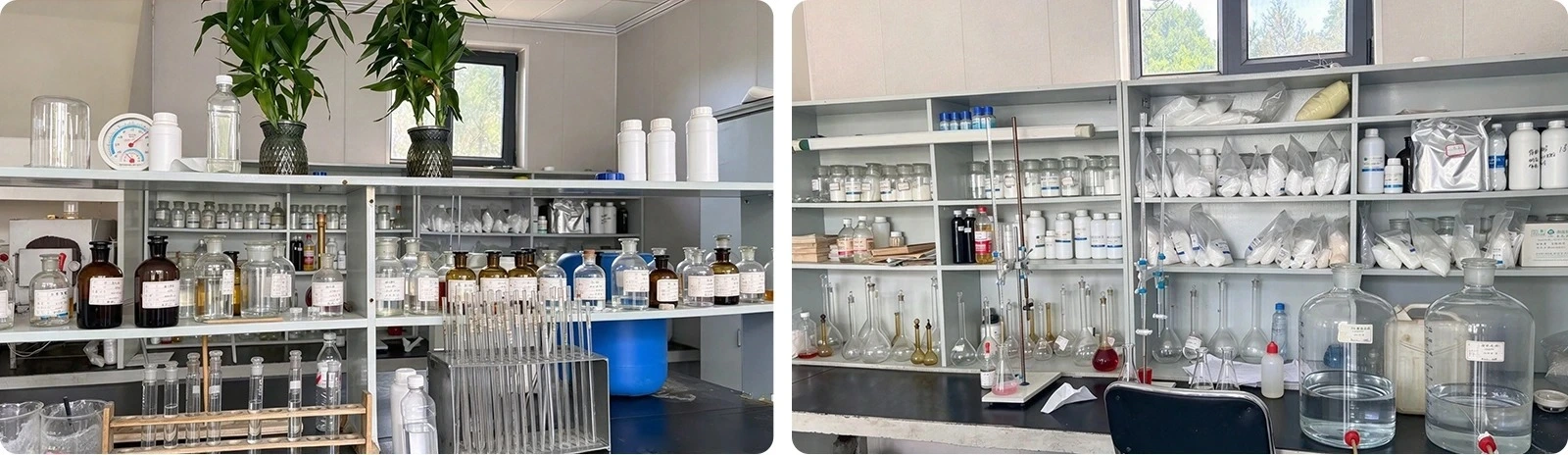
Our plant holds ISO quality management certification. Every batch we make goes through strict testing. Those tests follow international standards. Performance stays consistent that way.
KOSHER and HALAL certifications open up many markets worldwide. These religious approvals work next to our technical specs. Multinational drilling contractors count on both.
Environmental testing backs the PLONOR rating for offshore work. In the North Sea, the Gulf of Mexico, and other drilling areas with sensitive nature, the rules are met.

Packaging Options
25 kg Moisture-Resistant Bags: A PE liner sits inside multi-layer kraft paper. Damp air stays outside, even when bags sit in storage or get moved around. This standard pack was made for container loads and rig storage rooms.
1000 kg Bulk Bags: These are FIBC bags made for industrial use. With lift loops and UV protection, a crew can shift them quickly using a forklift or a crane. Large plants and automatic mixing lines get the most out of them.
Need packaging built your own way? Just ask. Labels have to follow your rules, and pallets can be set up however your logistics team prefers.

Manufacturing Process
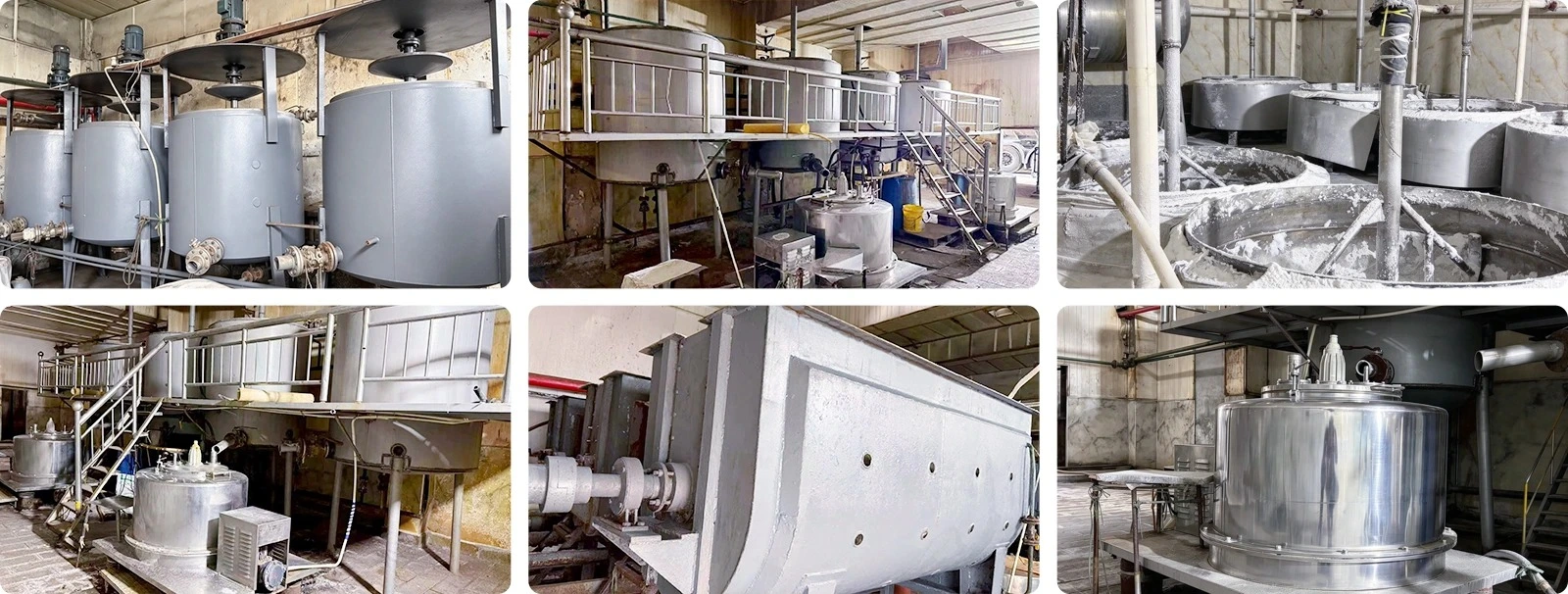
Sourcing raw materials begins with formic acid and caustic soda, and both are pharmaceutical grade. Certified suppliers only. Every batch has to meet strict purity limits, since steady quality in the final product depends on it.
Neutralization takes place inside reactors. Temperature holds steady in there. pH gets tracked the whole run, and cooling is managed too, which keeps crystals even and impurities low.
Filtration runs in more than one stage and pulls out the particles that will not dissolve. That step gets your product to the ≤0.04% insoluble matter spec. Everything behind our solids-free performance guarantees rests on it.
Centrifugal drying and milling turn the material into a powder that flows freely. Our process stops caking. Moisture also stays at <0.5%, which helps with accurate dosing and a long shelf life.
Why Choose Us
Acetate chemistry expertise has been with us for decades, starting in 1988. Product consistency is the result. You work with a manufacturer that understands what oilfield applications need Oilfield Drilling Grade Sodium Formate at the molecular level.
Our plants put out 150,000 tons a year. That volume feeds big projects with no gaps. So you don't lose days to drilling delays when stock runs short. And uneven quality from smaller suppliers won't hold you up either.
Your order comes straight from the maker. No middleman markup shows up on the invoice. That leaves more room in the procurement budget. Specs needed for safe drilling stay as they are.
Technical support teams give you guidance on how to apply the product. We help with brine formulation calculations too. Compatibility testing is part of it, and so is troubleshooting. All of that aims at better fluid system performance.
FAQ
Q: What density can sodium formate brines reach?
A: Saturate it and the density tops out at 1.33 SG (11.1 ppg). Want something heavier? Blend it with potassium formate. It also works in combination systems.
Q: How does this compare to potassium chloride for shale inhibition?
A: Inhibition holds above >90%. With KCl you only get 60-70%. It also clears out chloride-related corrosion on your tubulars and equipment.
Q: Do you need special equipment to mix it?
A: You do not need special gear for this. Common mud mixing equipment works well. Pour the powder into freshwater or seawater, stir at a moderate speed, and it dissolves in 15-30 minutes.
Q: Stored the right way, how long does it last?
A: Keep the container sealed and store it dry. It still works after 24 months or more. Nothing breaks down, and it does not cake.
Q: Can I use this in cement spacer fluids?
A: Yes. Formate brines work very well as cement spacers. You get density control and a clean wellbore, and no polymer residue is left behind to get in the way of cement bonding.
Request a Quote
Get in touch with our technical sales team. Pricing and delivery for this product can be worked out around your order.
Write an email to sxzy@sxzhaoyi.com. Tell us the amount of Oilfield Drilling Grade Sodium Formate you need. Let us know where it should be delivered.

USER EVALUATE
Here is the customer's evaluation of us