



Molecular Biology Grade Potassium Acetate
CAS NO.: 127-08-2
Molecular Formula: CH3COOK
Molecular Weight: 98.14
Character: White high-purity crystalline powder with controlled biological contaminants.
Usage:
1. It is used in molecular biology buffers and nucleic acid purification;
2. It is used in DNA and RNA precipitation and laboratory reagent preparation;
3. It is suitable for research applications requiring high purity and consistent performance.
Package: 100g, 500g, 1kg or customized laboratory packaging.
Storage: It should be stored in a dry and ventilative warehouse, kept away from heat and moisture during transportation, and unloaded with care so as to avoid damage. Furthermore, it must be stored separately from poisonous substances.
- Product Description
Molecular Biology Grade Potassium Acetate – Ultra-Pure Laboratory Reagent for DNA/RNA Applications
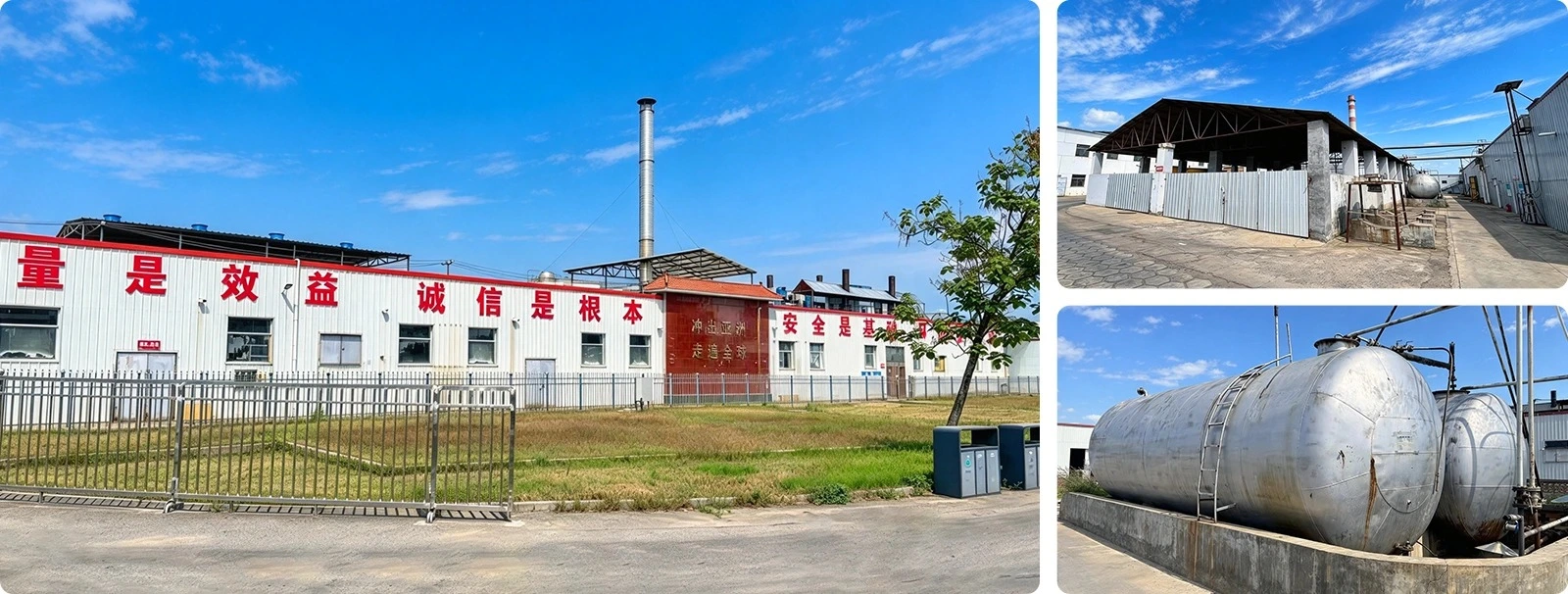
SHANXI ZHAOYI CHEMICAL CO., LTD. is a professional acetate chemical manufacturer with more than 36 years of mature production experience. Founded in 1988, our factory covers an area of 27,000 square meters with a stable annual acetate product output of 150,000 tons, delivering reliable and consistent reagent supply for global scientific research institutions and laboratory users. Our Molecular Biology Grade Potassium Acetate (CAS 127-08-2) is high-purity white crystalline powder with a chemical formula of CH3COOK and a molecular weight of 98.14 g/mol. Strictly manufactured for nucleic acid research scenarios, this product features ultra-low biological contaminants and trace heavy metals. Certified by ISO, KOSHER and HALAL standards, it fully meets the strict purity and stability requirements of sensitive molecular biology experiments.
Key Features & Benefits
Our this product adopts exclusive purification technology tailored for nucleic acid experiments, effectively solving common problems such as sample degradation and unstable experimental data caused by low-purity reagents:
Zero Nucleic Acid Degradation Risk: With strict multi-process impurity removal control, this reagent completely avoids nucleic acid degradation issues. It delivers purer DNA and RNA precipitation results with higher recovery rates compared with industrial-grade and ordinary analytical-grade potassium acetate.
No Nuclease Activity, Dissolves Fast: A standard test picks up both RNase and DNase activity. A single one of the two ruins a repeat run. Here, you will find neither. Crystal purity is high. In the usual kind of buffer solutions, they break down fast. Plasmid extraction prep time drops a lot. Molecular biology testing workflows gain just as much.
Low Heavy Metal, So the Enzymatic Reaction Stays Steady: Heavy metal levels here stay very low. Nothing ends up blocking the enzyme activity because of that. PCR amplification then runs at a steady efficiency, and gene sequencing does the same. Precision experiments of other kinds also stay free of strange signal interference and failed reactions.
Nucleic Acids Hold Their Stability Well: The pH of this acetate salt is neutral. That pH also holds steady. Nothing acidic is left behind as residue. Over the long term, nucleic acid samples keep their stability. Libraries kept in frozen storage break down far less. Samples set aside for later experiments do too.

Technical Specifications
Parameter | Specification |
Chemical Formula | CH3COOK |
CAS Number | 127-08-2 |
Molecular Weight | 98.14 g/mol |
Appearance | White crystalline powder |
Purity | ≥99.5% |
DNase/RNase Activity | Not detected |
Heavy Metals (Pb) | <5 ppm |
Chloride (Cl⁻) | <50 ppm |
pH (5% solution) | 7.5: 9.0 |
Water Content | <1.0% |

How It Works
Nucleic acid separation and purification is what this Molecular Biology Grade Potassium Acetate is made for. The chemistry does the job. It strips out impurities and it shields your samples. Plenty of molecular biology protocols can use it:
Selective Precipitation Mechanism: Acetate ions work as a strong chaotropic agent. Hydrogen bonds keep nucleic acids and hybrid proteins joined. The ions break those bonds apart. For plasmid purification, chilled potassium acetate solution goes into the alkaline lysates. Impurities and target samples then split into layers of their own.
Effective Impurity Removal: Potassium ions start working once they are inside the lysate. The SDS detergent parts get cancelled out by them. What forms next are potassium dodecyl sulfate complexes. These complexes will not dissolve. Spin the tube in a centrifuge. Protein and genomic DNA impurities come out of the solution in full. High-purity plasmid DNA is what stays dissolved.
Graded Nucleic Acid Precipitation: Ethanol goes in while you pull the RNA out. Size is what separates the nucleic acid molecules after that. Large RNA pieces come out of the mixture. In the liquid, the small oligonucleotides remain. A step by step cleanup like this is what many RNA research projects need.
Applications
Labs put this ultra-pure molecular biology reagent to work in key experiments. One job it does is nucleic acid purification. Molecular detection and buffer prep are others. Genomics labs and bioresearch institutions all over the world depend on it:
Plasmid DNA Purification: This reagent is used for E. coli plasmid miniprep and maxiprep work that relies on alkaline lysis. Each run recovers more than 95% of the plasmid. The plasmid samples you end up with are very pure.
RNA Extraction: This product uses TRIzol to pull total RNA from mammalian tissues or from cultured cells. No breakdown happens to the RNA. Impurities stay behind. Whole and intact samples are what you get.
General DNA Precipitation: After restriction enzyme digestion finishes, this is a usual way to get nucleic acids back. Labs turn to it again once PCR amplification is complete. Samples being readied for gene sequencing need it as well. Yields rise. Purity in those experimental samples also improves.
Professional Buffer Preparation: Nucleic acid electrophoresis buffer relies on it. Enzyme storage solution does too. In both, it is the main ingredient. pH drift gets stopped by the acetate. Enzyme activity stays high. The test system holds steady.
Molecular Biology Grade Potassium Acetate vs Other Products
Feature | Our Molecular Biology Grade | Industrial Grade | Analytical Grade |
Purity Level | ≥99.5% | 98.0% | 99.0% |
Nuclease Activity | Not detected | Not tested | Not guaranteed |
Heavy Metal Content | <5 ppm | <20 ppm | <10 ppm |
Batch Consistency | ±0.1% variance | ±0.5% variance | ±0.3% variance |
Certification | ISO/HALAL/KOSHER | Industrial only | ISO only |
Packaging Options | 100g–1kg lab packs | 25kg bulk | 500g bottles |
Certifications & Compliance
Our production base follows the ISO 9001 quality management system. Reagent production runs under standardized control at every step. Every product holds KOSHER and HALAL certification. That meets the cleanliness needs of sensitive molecular biology experiments. Every batch gets its own nuclease activity test. We run it by gel electrophoresis. A full Certificate of Analysis (CoA) ships with the goods. It lists detailed purity test data and heavy metal screening reports. Customers can use these for experiment traceability and quality checks.

Packaging Options
We provide laboratory-grade sealed packaging solutions tailored to different experimental frequencies and consumption volumes. All packages are added with moisture-proof desiccants and sealed with waterproof layers to strictly control the water content below 1% and avoid reagent deterioration:
100g Bottles: Compact and portable packaging, ideal for small research teams and occasional nucleic acid extraction experiments with low consumption.
500g Containers: Suitable for conventional laboratories with weekly purification experiments, balancing cost performance and daily usage demands.
1kg Packages: High-cost-performance bulk packaging, perfectly matching the long-term use of high-throughput genomics laboratories and large-scale experimental projects.
Custom Sizes: We support customized packaging specifications for institutional laboratories and special experimental scenarios to meet personalized procurement needs.

Manufacturing Process
We adopt independent dedicated production lines for molecular biology-grade reagents, completely isolated from industrial-grade production lines to avoid cross-contamination. Raw materials are selected from pharmaceutical-grade acetic acid and potassium carbonate provided by certified and qualified suppliers to ensure ultra-high raw material purity at the source.
The crystallization process is completed in a controlled atmosphere closed chamber to prevent airborne biological pollution. Multiple recrystallization processes are adopted to thoroughly remove trace ionic impurities that affect nucleic acid solubility and experimental stability.
Filters that work at micron precision screen the finished Molecular Biology Grade Potassium Acetate powder. Packing happens aseptically, inside a Class 10,000 clean workshop. No batch leaves until it passes a strict nuclease activity test (lambda DNA substrate, 37°C incubation for 16 hours). So molecular experiments see zero interference.
Why Choose Us
With 36 years of professional acetate R&D and manufacturing experience, we fully understand the high repeatability and high precision requirements of molecular biology research. Supported by 150,000 tons of stable annual production capacity, we can provide continuous and stable reagent supply to avoid experimental delays caused by reagent replacement or stock shortage.
As a direct manufacturer, we offer transparent factory prices without intermediate distributor markups. All delivered products are newly produced batches, effectively avoiding the quality instability of long-term stocked expired reagents.
Advice on experiments costs you nothing. Our technical staff answer questions and help sort out trouble with precipitation protocol optimization. Shipping runs on a global logistics system we have built up over the years. Labs in Europe, America, Asia and other regions get their goods fast, and everything shows up in good shape.
FAQ
Q: What sets your this product apart from the food grade one?
A: A1: Our molecular biology grade material runs through a longer purification process. Nuclease contamination is fully removed. Levels of heavy metals stay within tight limits as well. Working with molecular cloning and nucleic acids is demanding, and this product handles it. Food grade is a different story, the purity standard there is lower, and ours sits well above it.
Q: What is the shelf life, and how do I store it?
A: A2: Keep the container shut. It should stay at room temperature. There it keeps for 3 years. Do not put it in the fridge. Condensed water becomes moisture. That moisture is what breaks the reagent down.
Q: Could this reagent be used to prepare buffers for protein crystallography?
A: A3: Yes. Purity is very high. Heavy metal interference is kept very low. Protein crystallization is one use that fits. It also works for protein chemistry experiments that need stable acetate buffer systems.
Q: Does the powder contain any anti-caking additives?
A: A4: Nothing is added at any stage of the mixing process. We hold crystallization under tight control, and that is what lets the powder flow freely. Purity of the reagent does not change.
Q: Is a CoA certificate provided for each batch?
A: A5: Yes. Official CoA documents come with each batch we ship. Purity indicators appear on them, and so do the heavy metal detection and nuclease test reports. Keep them for lab filing and quality inspection.

Request a Quote
If you are looking for high-purity, stable Molecular Biology Grade Potassium Acetate sxzy@sxzhaoyi.com.

USER EVALUATE
Here is the customer's evaluation of us