



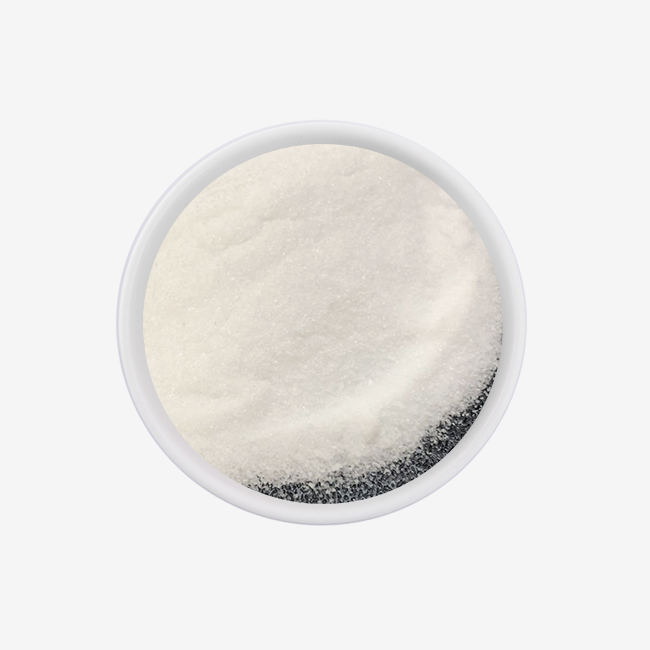
Catalytic Solid Potassium Acetate
CAS NO.: 127-08-2
Molecular Formula: CH3COOK
Molecular Weight: 98.14
Character: white crystal and it is easily soluble in water, acid and alcohol.
Usage: It is used as buffer agent, diuretic of Benzylpenicillin potassium, chemical reagent, industrial catalyst, auxiliaries, and also used in snow & ice melting agent, fertilizer and oilfield drilling.
Package: 25kg plastic woven bag or 1000kg Ton-bag
Storage: It should be stored in a dry and ventilative warehouse, kept away from heat and moisture during transportation, unloaded with care so as to avoid damage. Furthermore, it must be stored separately from poisonous substances.
- Product Description
Catalytic Solid Potassium Acetate for Chemical Synthesis | High-Purity Industrial Catalyst Solution
Catalytic Solid Potassium Acetate (CAS No. 127-08-2, CH₃COOK) is a very pure, white, crystalline compound that was made for precise catalysis in chemical synthesis and polymer engineering. Produced by Shanxi Zhaoyi Chemical Co., Ltd. — a manufacturer with over 30 years of acetate industry experience — the product is characterized by high purity above 99% and strict control of moisture content. It is aimed for formulators and industrial chemists that want constant catalytic performance, clean reaction control and dependable batch-to-batch quality. We have an annual manufacturing capacity of 150,000 tons and solid upstream supply chains to meet the demands of standard and large-volume procurement.

Technical Specifications
Parameter | Specification |
Chemical Formula | CH₃COOK |
CAS Number | 127-08-2 |
Molecular Weight | 98.14 g/mol |
Appearance | White crystalline powder |
Purity (CH₃COOK) | ≥99.0% |
Water Insoluble Matter | ≤0.05% |
Chloride (Cl) | ≤0.2% |
Iron (Fe) | ≤0.05% |
Solubility | Readily soluble in water, alcohol, and acids |
pH (5% solution) | 8.0-9.5 |

What Makes This Grade Different from Standard Potassium Acetate
Not all potassium acetate products are equal. Industrial grades are typically designed for de-icing and fertilizer applications where the purity requirements are lower. Catalytic grade is particularly formulated for reactive applications where impurities might directly affect the quality of the result.
The main difference is that it is very pure (>99%), has very little moisture, and has strict limits on iron and other minor elements. Polyurethane and polyisocyanurate foam systems may break down and turn yellow if they have a lot of iron in them, even if it's only a small amount. For your downstream product's safety, our catalytic grade has less than 10 parts per million (ppm) iron.
Because of this, it is the best choice for people who need potassium acetate 99% for chemical synthesis, where the reaction must be regular and the structure must be intact.

Core Application Scenarios
In many scientific and industrial processes, this item works as both a catalyst and an acid-binding agent. Due to its low acidity and great solubility, it works very well in the following situations.
It speeds up the reactions of acetylation, Claisen condensation, esterification, and halohydrocarbon hydrolysis in organic synthesis. The acetate anion works as a selected base, and the potassium ion keeps the balance of the ions.
Esterification reactions: It turns on carboxyl groups and neutralises the acid and water that are made during the reaction at the same time.This shifts the equilibrium toward the product side. Compared with sulfuric acid catalysts, using potassium acetate reduces side reactions by up to 20% and can improve ester yield by 15–20%.
Polyurethane and PIR foam manufacturing — It serves as a trimerization catalyst (equivalent to Cat. K-15) for rigid PU and PIR foams. It gives formulators exact control over cross-linking density and foam cell structure by getting rid of the water that other liquid catalysts add.
In the chemistry, pharmaceutical, and dye industries, it works as a buffer and reaction regulator in catalytic systems that need a stable, slightly alkaline environment.
Catalytic Solid Potassium Acetate vs Other Products
Feature | Our Catalytic Solid Potassium Acetate | Liquid Potassium Acetate Solutions | Sulfuric Acid Catalysts | Sodium Acetate Catalysts |
Purity Level | ≥99.0% | 50-60% (aqueous) | 95-98% | 98-99% |
Moisture Control | Ultra-low, customizable | High water content | None | Moderate |
Yield Improvement | 10-40% increase | Standard | Variable | 5-15% increase |
Side Reaction Reduction | 20% fewer | Moderate | High side reactions | 10% fewer |
Equipment Corrosion | Minimal | Low | High corrosivity | Low |
pH Buffering Stability | Excellent | Good | Poor | Good |
Foam Quality Control | Precise | Limited | Not applicable | Limited |
Carrier Customization | Full flexibility | Pre-diluted | Not applicable | Limited |
Certifications & Compliance
Shanxi Zhaoyi Chemical Co., Ltd. maintains the following management system certifications:
- ISO 9001 — Quality Management System
- ISO 14001 — Environmental Management System
- ISO 45001 — Occupational Health and Safety Management System
Kosher Certification
Halal Certification (applicable product grades)
There are full documentation packages that come with MSDS, COA, and conformity certificates that are written in more than one language. Customers from all over the world are welcome and encouraged to do on-site factory audits.

Formulation and Handling Guidance
To keep a product working well, it must be handled correctly. Potassium acetate is hygroscopic, which means it can absorb moisture from the air if it is left out in the open. This can change the assay and mess up the structure of foam cells or the stoichiometry of reactions.
The best way to dissolve something is to add it slowly to the carrier solvent while stirring it up quickly. Heating the solvent to 40–50°C speeds up the dissolution process and stops clumps from forming. Do not dump the whole amount at once; doing so will make hard clumps that are hard to break up and could block process filters.
Needs to be stored in a cool, dry place with a relative humidity of 65% or less. Use sealed PE/Kraft packaging with more than one layer. Once it's been opened, put the lid back on right away with a desiccant and use within 24 hours. Stay away from strong oxidants, acidic substances, and sources of heat.
Evaluation of clumping—Slight clumping on the surface caused by stacked pressure doesn't affect the catalytic process. But if the Catalytic Solid Potassium Acetate batch has hard lumps in it, you should check the water content again using the Karl Fischer titration method before using it and make the necessary changes to your recipe.
Supply and Customization Advantages
With a 27,000 m² production facility and 150,000 tons of annual acetate capacity, we maintain safety stock for standard orders and can respond to urgent requirements within 24 hours.
Five to seven working days are usually needed to make something. Our technical team is available 24 hours a day, seven days a week for custom formulations or special purity needs. We also do OEM labelling, custom package forms, and shared creation for uses that need certain impurity or breakdown rates.

Why Solid Form Matters for Catalytic Applications
Most liquid potassium acetate solutions are made up of 30–50% water by weight. When water mixes with isocyanates in isocyanate-based foam systems, it creates CO₂ and urea bonds. This can cause differences in density, unstable foam structures, or uneven insulation performance.
The solid form eliminates this variable entirely. You dissolve the substance into your preferred carrier solvent -- monoethylene glycol (MEG) or diethylene glycol (DEG)-- at the precise concentration your formulation needs. It gives you the ability to individually adjust viscosity and reactivity, something you just can’t do with liquid alternatives.
As a trusted potassium acetate catalyst manufacturer, we support customers with technical guidance on dissolution procedures, carrier selection, and concentration optimization for their specific process conditions.

Our Exhibitions

FAQ
Q: How should I handle hygroscopicity during storage?
A: Keep in packaging that is tightly sealed and has a moisture shield in places where the relative humidity is less than 50%. After opening, put the lid back on right away with desiccant and use within 24 hours. Moisture that is absorbed changes the test and makes the catalyst less effective.
Q: Can I substitute this solid grade directly for liquid potassium acetate solutions?
A:Not by direct weight substitution. Commercial solutions are typically 30–50% solids. Calculate the dry-basis equivalent and select your carrier solvent — MEG or DEG — to tune the viscosity and reactivity of your masterbatch.
Q: Does iron content affect foam quality?
A Yes. High iron levels speed up oxidation breakdown and over time turn PIR and PU foam panels yellow. Our catalytic grade keeps the iron content below 10 parts per million (ppm) to protect performance over time.
Q: How do I dissolve it without clump formation?
A:Add the solid slowly to preheated solvent (40–50°C) under high-shear agitation. Adding the full quantity at once causes agglomerates that are difficult to break down and can clog filters.
Q: What is the shelf life?
A:The sealed shelf life is 24 months under proper storage conditions. Slight caking from stacking pressure does not compromise catalytic activity. Severe caking indicates moisture ingress — retest water content via Karl Fischer before use.
Q: What documentation is available for regulatory or purchasing compliance?
A:We provide MSDS, COA, ISO certificates, Kosher and Halal certifications, and can prepare multilingual documentation sets. Factory audit visits are also supported.
Contact Us
Ready to source high-purity Catalytic Solid Potassium Acetate for your application? Contact our team at sxzy@sxzhaoyi.com — we respond within 2 hours.

USER EVALUATE
Here is the customer's evaluation of us