



sodium hydrogen diacetate
CAS NO.: 126-96-5
Molecular Formula: C4H7NaO4
Molecular Weight: 142.09
Character: White crystalline powder with a mild acetic acid odor, good water solubility, and stable acidity.
Usage:
It is widely used as a food preservative, acidity regulator, and flavoring agent;
It can help inhibit mold and bacterial growth in bakery products, meat products, sauces, seasonings, and pickled foods;
It is also used in animal feed, grain preservation, and other applications requiring controlled acidity and antimicrobial performance.
Package: 25kg paper bag or plastic woven bag with inner polyethylene liner.
Storage: It should be stored in a dry and ventilative warehouse, kept away from heat and moisture during transportation, and unloaded with care so as to avoid damage. Furthermore, it must be stored separately from poisonous substances.
- Product Description
Sodium Hydrogen Diacetate Food & Feed Preservative - High-Purity Antimicrobial Solution with pH Control
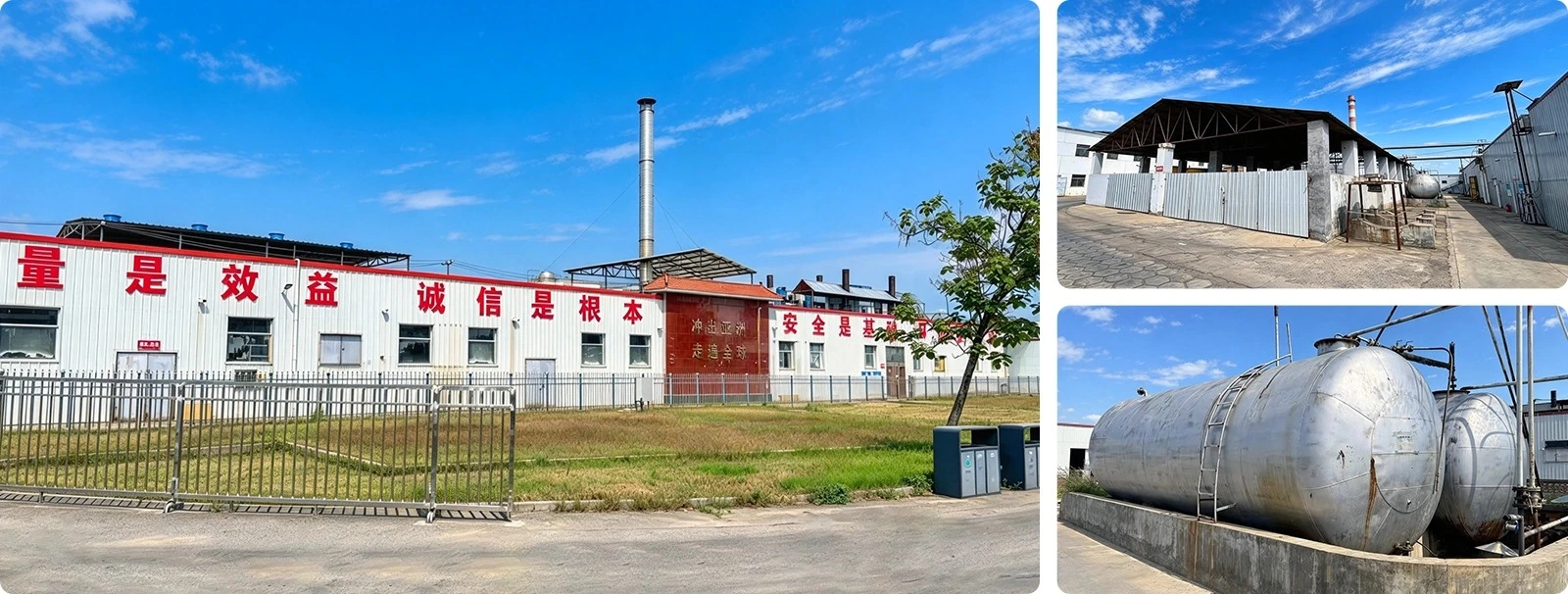
Shanxi Zhaoyi Chemical Co., Ltd. opened its doors in 1988. Acetate chemicals are what we make. Our production technology has had plenty of time to mature. Output stays steady as well. Every year, our 27,000 ㎡ standardized production base puts out 150,000 tons of acetate series products. From there we ship Sodium Hydrogen Diacetate to food and feed makers around the world. The product comes as a white crystalline powder. C4H7NaO4 is its chemical formula, and the CAS number is 126-96-5. Heavy metals stay below 0.001%. Purity is 98.0% at the lowest. ISO, KOSHER, and HALAL certificates are all officially in place. You can use it as a food additive or as a feed additive. It fights microbes and keeps pH steady, so finished goods last longer on the shelf. Inside its molecular structure, sodium acetate and acetic acid are blended in exact proportions.
Key Features & Benefits
In food processing and feed production, this product takes care of the usual preservation and quality stability problems. Moisture is the trigger. Once it reaches the special crystal structure, acetic acid is slowly released. That release keeps working for a long time and reaches a wide range of microbes. Mold cannot survive it either. Harmful pathogens like Salmonella bacteria and Aspergillus mold get held back in a big way.
The smell is a mild, natural vinegar note. Because of that, the original flavor and palatability of food and feed products stay intact. Ordinary acidifiers taste strong and bitter. This one does not. The formula is not corrosive, so equipment used in production and processing takes no damage. In a 10% solution, the pH level holds between 4.5 and 5.0 the whole time. Water solubility reaches 1g/ml, which lets it spread fast and evenly through liquid and solid formulations. Nothing clumps.
Despite being somewhat hygroscopic and needing typical dry storage, it offers very affordable preservation performance with a wide range of application flexibility. It may greatly reduce mycotoxin reproduction, enhance feed quality, and successfully increase livestock and poultry feed consumption in feed production and livestock breeding scenarios, providing manufacturers with real financial gains.

Technical Specifications
Parameter | Specification |
CAS Number | 126-96-5 |
Molecular Formula | C4H7NaO4 |
Molecular Weight | 142.09 g/mol |
Appearance | White crystalline powder |
Purity | ≥98.0% |
Free Acetic Acid | 39.0-41.0% |
Sodium Acetate | 58.0-60.0% |
pH (10% solution) | 4.5-5.0 |
Water Solubility | 1g/ml |
Heavy Metals | ≤0.001% |
Thermal Stability | Stable up to 150°C |

How It Works
This product is built as a single compound, and its molecular structure holds together well. Moisture where the product sits makes it release undissociated acetic acid, a bit at a time. Free dissociated acid ions do not act that way. The active form slips through the cell membranes of microbes without trouble. Once it is inside, normal material transport stops, and so does the metabolic machinery of bacteria and molds. That is why the preservative and bacteria-fighting effect lasts a long time and stays steady.
In livestock and poultry feeding, the pH value of gastric juice in monogastric animals comes down, and it comes down in a careful, measured way. Pepsin gets woken up as well, and its activity rises. Digestion and absorption improve because of this. Acetate ions then pass through metabolism in the body and take part in the Krebs cycle, which supplies the animals with useful bioenergy. Preservation and better growth both come out of it. Physical acid mixtures on their own cannot match that.
Buffering against pH change is one of its strong points. The acidity then holds steady, both in the product and in the feeding environment, with no harsh corrosion or irritation. Microbe protection runs the whole way through the storage period of the product and the digestion process of the animal. It stays steady and dependable, so quality does not break down.
Applications
Food Industry: Bakery items and meat products are two of the usual uses. Sauces and condiments take it in as well. Pickled foods do too. What it does is preserve the product and shift the flavor, and using it is safe. Mold and bacteria get held back. Acidity inside the product stays level too. Shelf life ends up longer because of that.
Feed Manufacturing: Feed for livestock and poultry works well with it. Pet food recipes and aquatic feed are other places it fits. Grains and silage that hold a lot of moisture get protected, since mycotoxins cannot form. Feed quality holds steady. Results from feeding improve as well.
Agricultural Storage: Grain and crops can be stored and moved with its help. Bacteria and mold find it hard to multiply, so spoilage drops and less grain goes to waste. Farm products also keep for far longer in storage.
Sodium Hydrogen Diacetate vs Other Products
Feature | Sodium Hydrogen Diacetate | Calcium Propionate | Liquid Acetic Acid |
Antimicrobial Efficacy | At equal dosages | Moderate | High but corrosive |
pH Buffering | Excellent (4.5-5.0) | Limited | Poor control |
Equipment Corrosion | Non-corrosive | Non-corrosive | Highly corrosive |
Palatability | Mild vinegar aroma | Neutral | Strong, unpleasant |
Water Solubility | 1g/ml | Lower | Complete |
Energy Contribution | Yes (acetate) | No | Minimal |
Handling Safety | Dry, safe | Dry, safe | Requires special equipment |
Certifications & Compliance
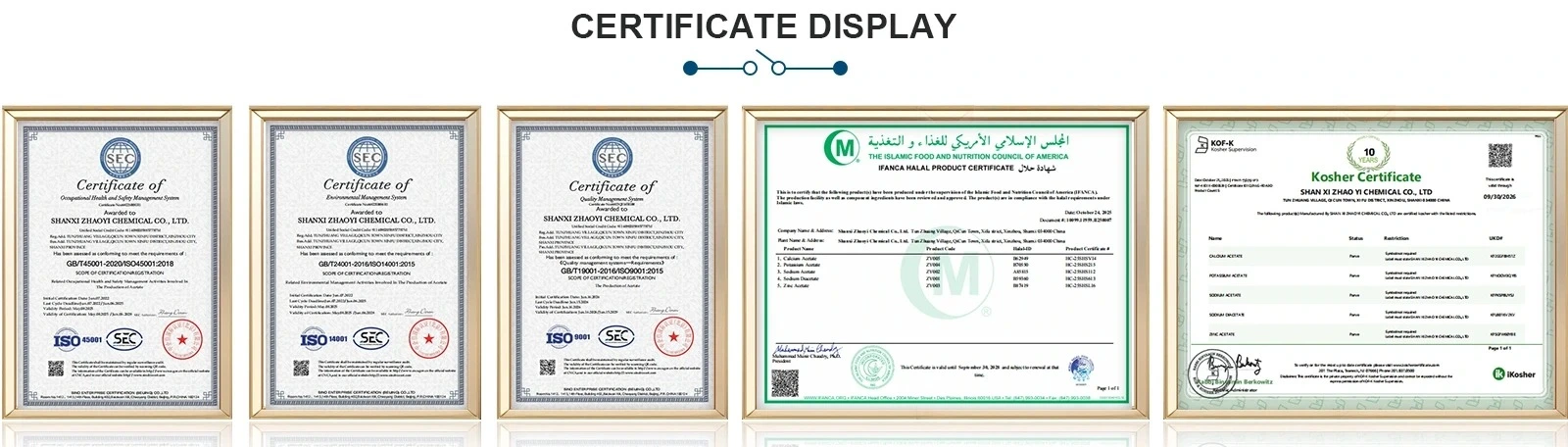
Our factory strictly implements ISO quality management system standards for full-process production control. All products have passed KOSHER and HALAL international certifications and fully comply with GRAS safety standards for food-grade additives.
Our product quality and qualification documents are widely recognized by European, American and Asian markets. Before each batch of delivery, we conduct strict laboratory testing on product purity, heavy metal content and other core indicators to ensure full compliance with export and industry specifications, providing complete compliance guarantee for customer sales and production.
Packaging Options
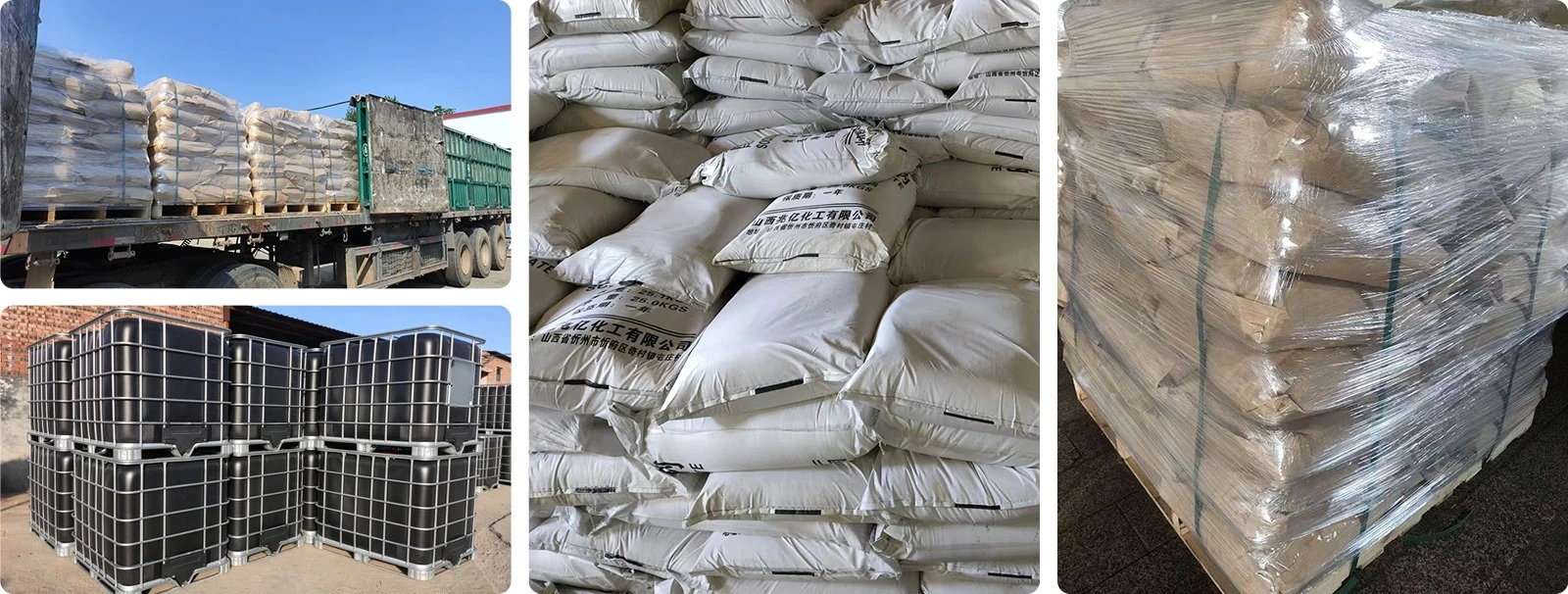
We use packaging that is already proven in the field, so it fits export orders and industrial bulk buying. Our standard pack is a 25kg sodium hydrogen diacetate paper bag, or a plastic woven bag. Both have a polyethylene inner liner that keeps moisture out. That keeps the product dry while it travels and while it sits in storage.
We support personalized customized packaging and bulk packaging solutions. For large-scale industrial customers with silo delivery systems, we can provide matching bulk packaging services to meet your special handling and storage requirements.
Manufacturing Process
Benefiting from 35 years of professional acetate production experience, we adopt mature and stable production technology. acetate raw materials are precisely proportioned and undergo controlled neutralization reaction with acetic acid to form stable composite molecular structures.
Temperature is tracked along a gradient for the whole crystallization run. Drying happens in several low-temperature stages. That lifts the extra moisture off the surface, and the full molecular complex structure of the product stays intact. Screening runs automatically, so the finished particles come out the same size.
All finished products will pass rigorous laboratory performance testing and indicator inspection before packaging and delivery. The whole process from raw material procurement, production processing to finished product delivery has standardized quality procedures and complete traceability system to ensure stable batch quality.
Why Choose Us
We are a professional acetate manufacturer with stable 150,000-ton annual output capacity and decades of industry experience. Our 27,000 ㎡ standardized production base is equipped with a 60-person professional technical team, realizing standardized and large-scale stable production.
We have built a stable global logistics distribution network covering China, Europe, America and Asia, ensuring timely and sufficient product supply for global customers. Adhering to integrity-based and customer-oriented service tenet, we establish long-term stable cooperative partnerships with clients.
We keep optimizing production technology and application solutions through technological innovation. Our professional technical team can provide targeted formula adjustment and application guidance according to customers’ actual preservation and production difficulties, solving personalized production problems for you.

FAQ
Q: What is the recommended dosage for feed applications?
A: A1: The usual dose is 0.1-0.3% of the total feed weight. That ratio can be changed to suit the moisture content of the feed and how long it will really be stored.
Q: Can it replace liquid acetic acid in existing production systems?
A: A2: Yes. It features high water solubility and excellent substitution performance. It can completely replace liquid acid, effectively avoid equipment corrosion risks and improve overall operation safety.
Q: How does storage humidity affect product performance?
A: A3: This product takes in a bit of moisture from the air. Store it in closed containers and keep those containers in dry warehouses. Leave it in damp air for too long and acetic acid may be released ahead of time. The preservative effect then drops.
Q: Is organic production certification possible for this product?
A: A4: The product is an acetate compound. It comes from natural sources, so in most regions it fits the rules for organic production. Before you apply, look up the certification rules that apply where you are.
Q: How is your product quality better than your competitors'?
A: A5: Our product reaches ≥98% high purity with strictly controlled heavy metal content below 0.001%, and holds three international authoritative certifications, with more stable quality than ordinary market products.

Request a Quote
Safe sodium hydrogen diacetate competitive factory prices Feel free to send your detailed procurement demands and technical requirements to sxzy@sxzhaoyi.com,.

USER EVALUATE
Here is the customer's evaluation of us