



sodium diacetate powder
CAS NO.: 126-96-5
Molecular Formula: C4H7NaO4
Molecular Weight: 142.09
Character: White free-flowing crystalline powder with a characteristic acetic acid odor, good dispersibility, and high solubility in water.
Usage:
It is widely used as a food preservative, acidity regulator, and flavor enhancer;
It can be used in bread, cakes, meat products, pickled foods, sauces, and snack seasonings to improve shelf life;
It is also applied in animal feed and agricultural preservation products as an acidifying and mold-control ingredient.
Package: 25kg paper bag or plastic woven bag with inner polyethylene liner.
Storage: It should be stored in a dry and ventilative warehouse, kept away from heat and moisture during transportation, and unloaded with care so as to avoid damage. Furthermore, it must be stored separately from poisonous substances.
- Product Description
Sodium Diacetate Powder | Food & Feed Grade Preservative | Multi-Industry Solution by SHANXI ZHAOYI
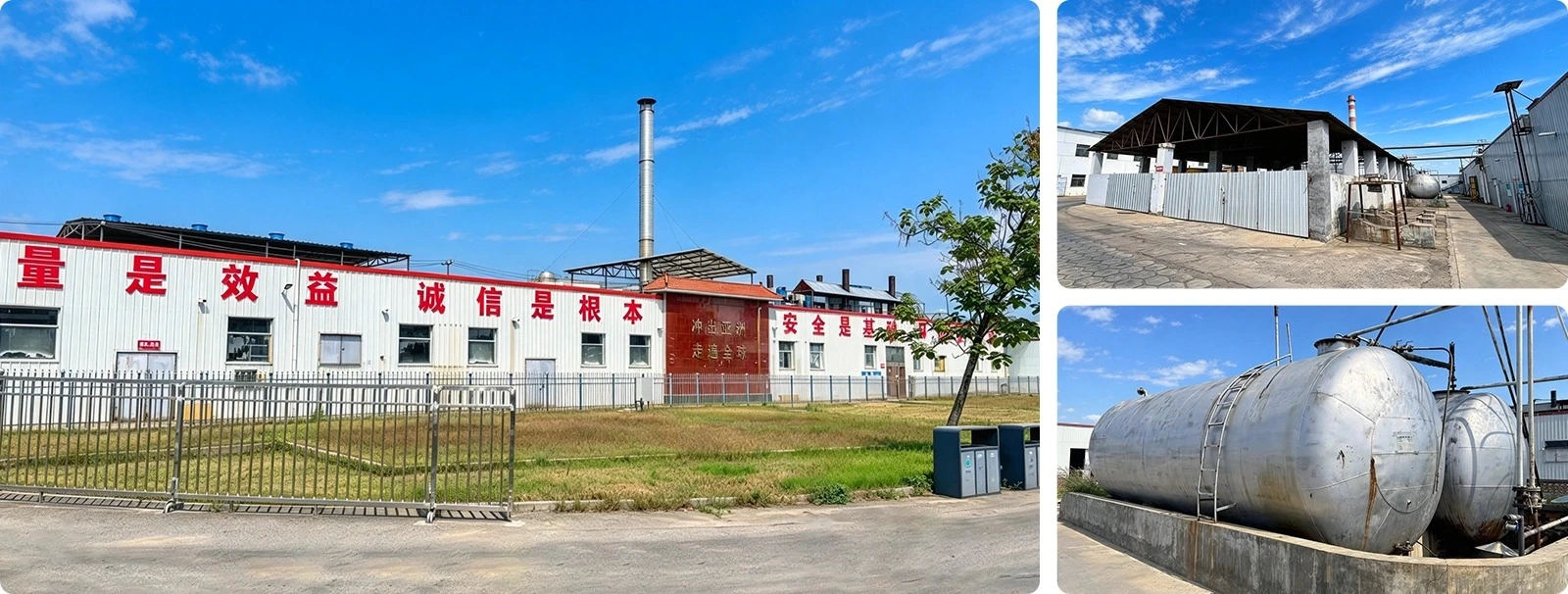
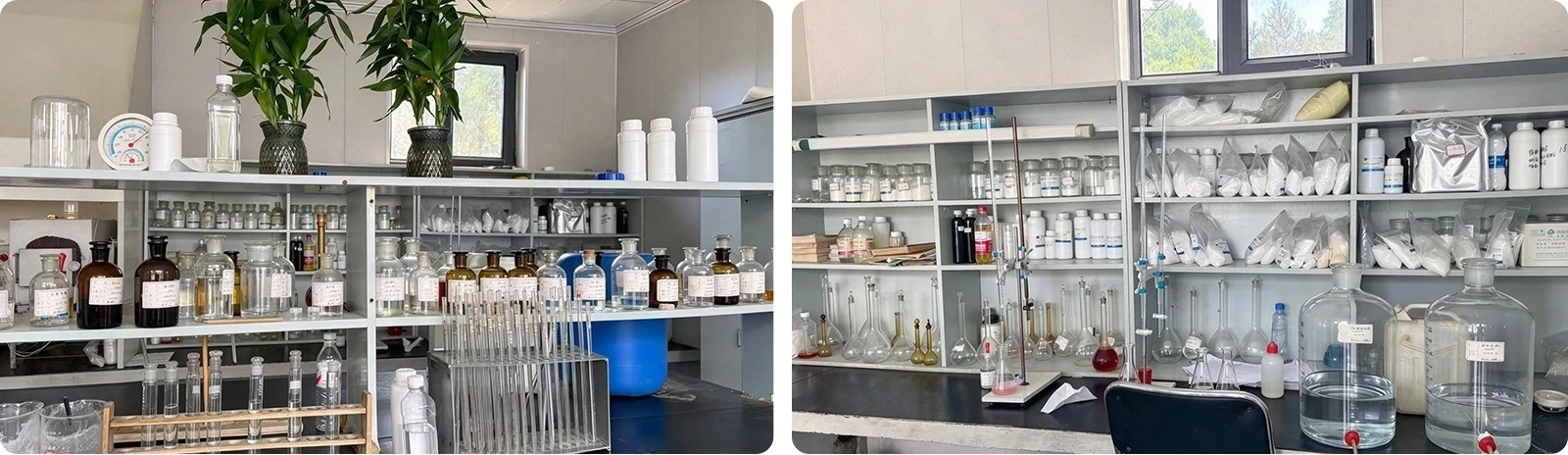
Shanxi Zhaoyi Chemical Co., Ltd. has made acetate products since 1988. Our plant is standardized and covers 27,000 ㎡. Yearly output reaches 150,000 tons and stays stable. Sodium Diacetate Powder is what we mainly produce. This crystalline additive is blended to a fixed recipe. Free acetic acid accounts for 39.0%-41.0%, and sodium acetate accounts for 58.0%-60.0%. It holds ISO, KOSHER and HALAL certificates. The powder is food and feed grade. It fights bacteria across a broad spectrum and keeps goods fresh. You will find it in food preservation work, in feed acidification, and in many industrial settings. Goods of ours ship to Europe, America, Asia and other markets around the world. Decades of mature production technology sit behind us, along with a complete supply chain. So global clients get steady quality from us, plus reliable one-stop supply.
Key Features & Benefits
This product works through a slow release path. Undissociated acetic acid keeps coming out of it. That acid gets through microbial cell walls far better than the dissociated ions found in common products. In real production and storage, it stretches shelf life 2 to 3 times longer than old preservatives that do only one job. Spoilage losses drop as a result.
Moisture balance in food and feed stays steady with this additive. Raw materials avoid drying out, and nutrients avoid loss and breakdown. pH buffering is strong as well. Solution pH can be held at 4.5-5.0. That builds a mild but effective antibacterial environment. The original taste and palatability of the product remain intact.
Acidic additives in liquid form eat away at metal. Not this powder. It pours freely and blends into every kind of dry mix system. That way, production equipment stays clear of corrosion and damage. Two big pluses come with it. Preservation is one. Extra energy is the other. Acetate ions take part in the Krebs cycle, and that supplies organisms with energy they can use. The powder dissolves at 1g/ml. In solid mixes and liquid ones alike it spreads out evenly. Raw material waste drops as a result, and operating costs fall for the companies that use it.

Technical Specifications
Parameter | Specification |
CAS Number | 126-96-5 |
Molecular Formula | C₄H₇NaO₄ |
Molecular Weight | 142.09 g/mol |
Appearance | White crystalline powder |
Free Acetic Acid Content | 39.0%–41.0% |
Sodium Acetate Content | 58.0%–60.0% |
Total Assay | ≥99.0% |
pH (10% Solution) | 4.5–5.0 |
Water Solubility | 1g/1ml (highly soluble) |
Decomposition Temperature | Above 150°C |
Odor | Characteristic acetic acid scent |
How It Works
This product keeps food from spoiling. It fights bacteria too. One steady molecular balance makes both jobs happen. That system is made of sodium acetate and free acetic acid. Drop the powder in water. Then it releases lots of undissociated acetic acid molecules. Those molecules move quickly into the cell membranes of mold. The same goes for bacteria and other harmful microorganisms.
Acetic acid gets inside a microbial cell. There it throws off the enzymatic reaction. The metabolic balance goes off as well. Molds and yeasts lose the ability to grow or reproduce. So do rope bacteria. Listeria and Salmonella cannot reproduce either. The helpful fermentation yeast is left alone at the recommended dosage range. Food products go on fermenting the way they should.
Sodium acetate handles the pH buffering. Acidity stays steady during processing and storage. After metabolism, the acetate ions in feed and edible goods go through the Krebs cycle. They turn into usable energy. Nothing harmful is left behind. That keeps preservation green and safe.
Applications
Bakery Industry: In dough, the dose comes to 0.1%-0.4% of the flour weight. Rope bacteria stop breeding at that level. Mold growth gets blocked as well. Calcium propionate works in a different way. Yeast activity is not held back by this product. Proofing efficiency stays steady. Baked goods end up with double the shelf life.
Meat Processing: Large amounts go into frankfurters, roast beef, deli meats and other cooked meat items. A strong bacteriostatic effect comes from it. Blend it with sodium lactate and a synergistic antibacterial system forms. During cold chain storage, that system holds back the growth of pathogenic bacteria. Meat products also keep longer.
Feed Production: In livestock and poultry feed, the dose is 0.2%-0.5%. At that level, mycotoxin production slows right down. Pathogenic bacteria cannot multiply either. Animals also like the taste better, so they eat more of it. Pellets hold their quality when processing stays below 85°C. The feed also stays stable through long storage.
Snack Seasoning: In this job it acts as a dry vinegar powder, giving snacks that familiar salt and vinegar taste. A bit of moisture is pulled from the air. That mild hygroscopicity is what makes seasonings stick to puffed chips and extruded snacks. Fewer powder crumbs fall away, so waste goes down during packaging and transport.
Preserved Foods: Pickled vegetables and sauces contain it. Condiments and other preserved foods use it too. Acidity gets adjusted in a mild, natural way. Finished goods then stand up far better against microbes, so spoilage and deterioration don't happen.
Product Comparison
Feature | Sodium Diacetate Powder | Calcium Propionate | Liquid Acetic Acid |
Antimicrobial Efficiency | (dual-action) | Moderate | High but corrosive |
Yeast Compatibility | Minimal inhibition | May slow fermentation | Inhibits yeast |
Handling Safety | Non-corrosive powder | Non-corrosive | Corrosive liquid |
Energy Contribution | Metabolizable acetate | Minimal | None |
Application Form | Dry, free-flowing | Dry powder | Requires dilution |
pH Buffering | Excellent (4.5–5.0) | Limited | Requires neutralization |
Certifications & Compliance
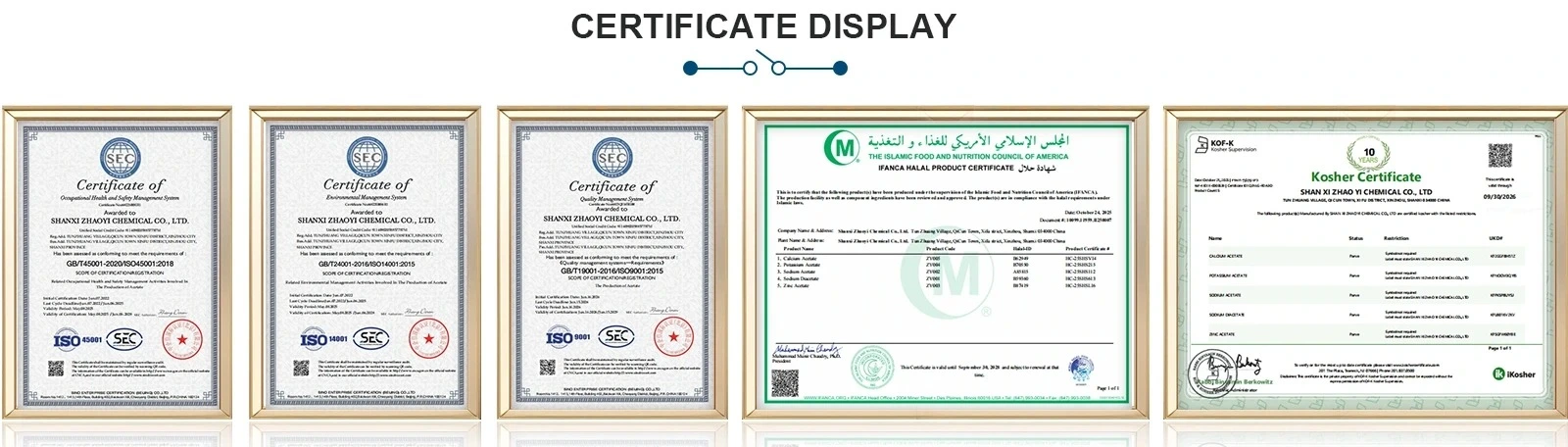
Our factory strictly implements ISO 9001 quality management system to realize full-process standardized production control. All Sodium Diacetate Powder products have passed KOSHER and HALAL international certifications, fully meeting global food and feed safety access standards.
These products meet China GB 2760 food additive rules. They also meet international feed additive regulatory requirements. Before delivery, every batch goes through strict testing. Tests check purity. Heavy metal content is checked too. Microbial indicators and other core parameters are covered as well. Customers receive full compliance test reports.
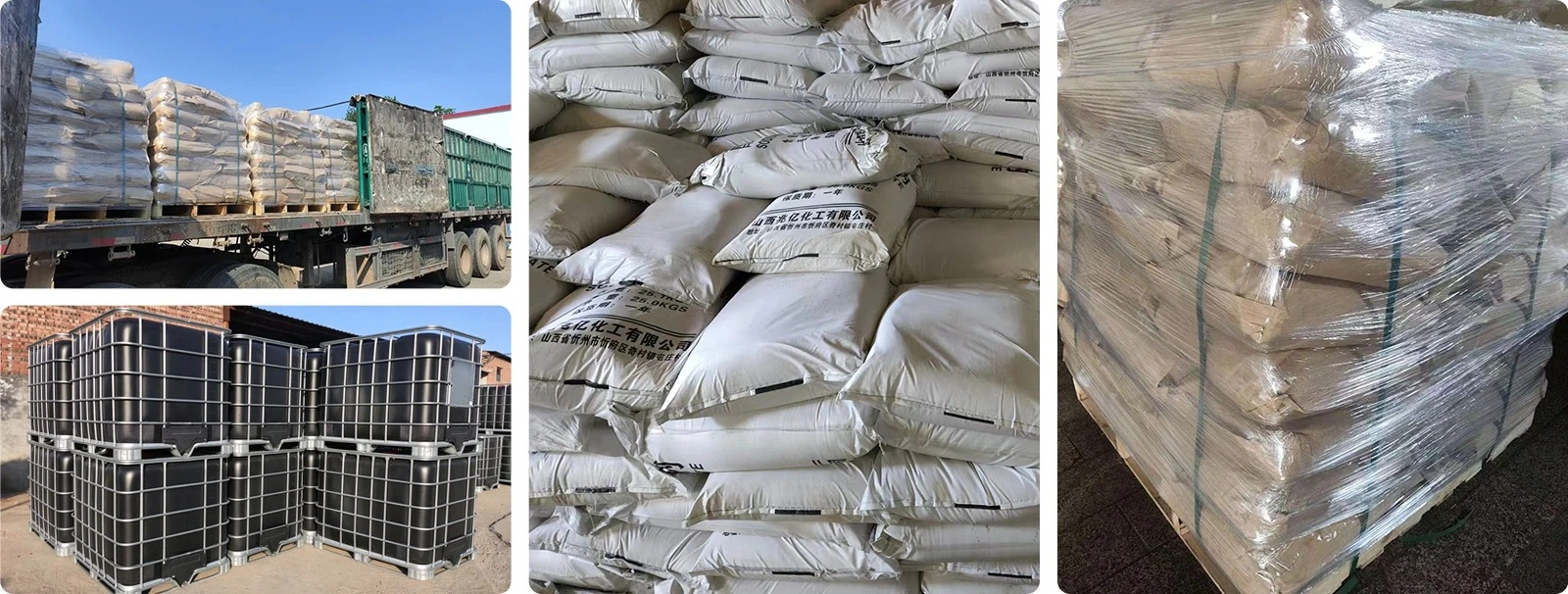
sodium diacetate powder packaging options
We use standard industrial packaging that suits export and bulk buying. Normal packs are 25kg paper bags or plastic woven bags. Each one has an inner polyethylene moisture-proof liner. That liner keeps moisture out. It also stops the product from going bad during transport and storage.
Big orders can be packed to whatever specification you need. Each package carries clear marks. The batch number goes on it, and so does the production date. Product parameters are printed there too. Safe handling steps are listed as well. Every shipment leaves on pallets with shrink wrap. On the road, that keeps the goods safe. Storage and handling at the warehouse get easier too.
Manufacturing Process
Two raw materials sit at the core of the mix. One is certified sodium acetate with high purity. The other is food-grade acetic acid. Nothing goes into the warehouse until it has been checked. Anything that fails is turned away right there. Bad input never reaches the line, and the finished goods start from solid ground.
Temperature stays tightly controlled while mixing and crystallization run. That way the molecular ratio of the product holds steady. Once the crystals form, we wash them again and again. A low-temperature drying step comes next. It leaves the acetic acid activity intact. The crystals are then milled into a fine, even powder.
Quality checks happen online at several stages. They cover the full production process. What we check is product composition, moisture content and particle size uniformity. Finished goods then go into workshops held at constant temperature and moisture. That way they do not take in moisture. Product performance stays stable and consistent all the way through the supply chain.
Why Choose Us
With 36 years of professional acetate manufacturing experience since 1988, we own a 150,000-ton annual production capacity, realizing large-scale industrial production. We can provide stable inventory and competitive factory prices for global customers, effectively avoiding supply shortage risks in peak seasons.
Our mature global logistics distribution network covers China, Europe, America and Asia, providing efficient and responsive logistics and after-sales support. Our professional technical team provides targeted formula optimization and dosage adjustment guidance according to customers’ different application scenarios.
Quality checks here follow tight standards. Behind every batch we ship sits a third-party testing report. Customer needs come first in how we run things, and honesty holds it together. Steady partnerships matter to us, the long kind. We want our clients to grow right along with us.
FAQ
Q: When a bakery bakes bread, how much should go in?
A: A1: In most recipes, the amount lands between 0.1% and 0.4% of the flour weight. Go with 0.2% on your first try. From there, adjust it to fit the shelf life you're after and the conditions inside your plant.
Q: If a formula you already run calls for liquid vinegar, can this take its place?
A: A2: Yes, it can. It acts as a dry stand-in for liquid vinegar, and the acetic acid still does its job. No extra water goes in. Free acetic acid averages 40%, so a formula can be converted and you can figure out the acidity that matches.
Q: Are organic certified goods allowed to use this product?
A: A3: You can use this product with food, and it will not hurt nature. The organic label is a different matter. Every local certifying body goes by its own set of rules. Check it against those standards.
Q: What are the usual storage conditions?
A: A4: Keep unopened packages in a dry warehouse with decent air flow. Heat and damp spots should stay away from them. For a stable product, hold storage under 25°C and relative humidity below 60%.
Q: Could it harm the good probiotics in fermented foods?
A: A5: No real harm shows up. At the dose people normally use as a preservative, 0.1%-0.3%, it only stops spoilage bacteria and molds. Good probiotics that live through acid still ferment without a problem.
Request a Quote
Tell us what you plan to do with the sodium diacetate powder product. Your order size matters to us, Send those details to sxzy@sxzhaoyi.com.

USER EVALUATE
Here is the customer's evaluation of us