



sodium diacetate in food
CAS NO.: 126-96-5
Molecular Formula: C4H7NaO4
Molecular Weight: 142.09
Character: White crystal powder.
Usage: Sodium diacetate has the features of high efficient antiseptic, retain freshness and nutritive value improving function. It is widely used in feed and food industry. In industrial field it is used homogenization agent, mordant and acidulant and PH modifier.
Package: 25kg plastic woven bag or 1000kg Ton-bag
Storage: It should be stored in a dry and ventilative warehouse, kept away from heat and moisture during transportation, unloaded with care so as to avoid damage. Furthermore, it must be stored separately from poisonous substances.
- Product Description
Sodium Diacetate in Food: Premium Food Preservative & pH Regulator Solution
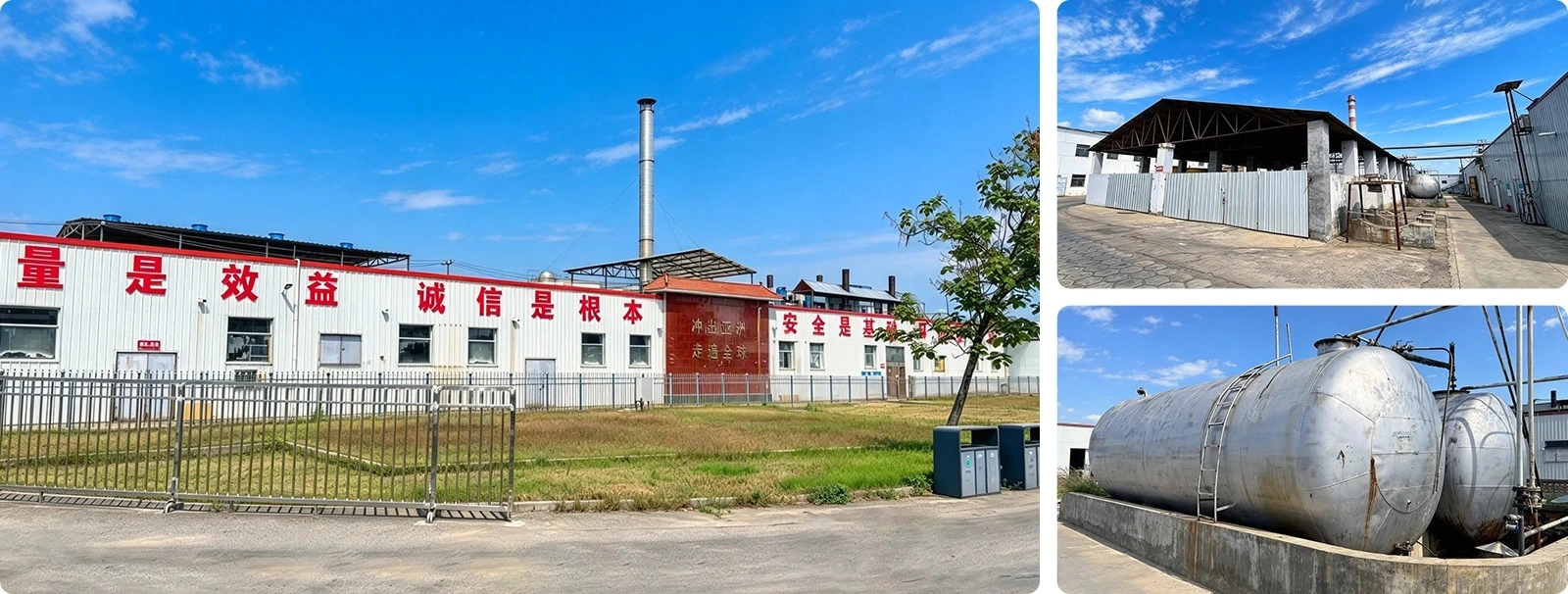
Acetate chemicals are what Shanxi Zhaoyi Chemical Co., Ltd. produces. Production has run without breaks since 1988, which adds up to more than 35 years. The production base covers 27,000 ㎡ and follows standard rules. Each year it can turn out 150,000 tons. What the company supplies most is Sodium Diacetate in Food grade product. CAS 126-96-5 and the formula C4H7NaO4 belong to this white crystalline powder. Purity comes in at ≥98%. Heavy metal content stays under 0.001%. Food safety rules worldwide accept that. Sodium acetate and acetic acid go together in an exact 1:1 molar ratio. The product handles two main jobs. One is broad-spectrum antibacterial preservation. Adjusting food pH is the other. Today food processors treat it as a functional additive.
Key Features & Benefits
Food companies turn to this product for two reasons. Strong preservation is one of them. The other is getting a formula optimized safely. At standard doses it blocks the harmful microbes that show up most. Rope bacteria are among them. Mold is on that list too. Listeria and Salmonella count as well. Food quality stays protected. Spoilage losses drop. Finished foods keep their natural texture. Their quality does not suffer either.
Yeast slows down when traditional food preservatives are used. In bakery work, this product barely affects yeast fermentation. Its pH buffering holds steady. The pH value of the food system sits at around 4.75. Antibacterial and fresh-keeping effects stay stable too. That holds true across different processing environments and technological conditions.
Its crystals take moisture out of the air. Dry seasoning blends then hold together better. Flavor powder that gets packed or shifted is less likely to drop off the goods. Plenty of food items also keep longer on the shelf. The original taste stays as it is, and so do the nutrients in the raw materials. Batch after batch, food makers get quality that stays level.
Technical Specifications
Parameter | Specification |
CAS Number | 126-96-5 |
Molecular Formula | C4H7NaO4 |
Molecular Weight | 142.09 g/mol |
Appearance | White crystalline powder |
Purity | ≥98.0% |
Free Acetic Acid Content | 39.0%–41.0% |
Sodium Acetate Content | 58.0%–60.0% |
Heavy Metals (as Pb) | ≤0.001% |
pH Value (10% solution) | 4.5–5.0 |
Water Solubility | 119g/100ml at 20°C |
Decomposition Temperature | Above 150°C |
How It Works
This product works comes down to its molecular structure. That build is what keeps its preservative and antibacterial action steady. Moisture inside a food matrix sets off a slow release of undissociated acetic acid molecules. Those molecules pass through microbial cell membranes with ease. Once inside the cell, they cut off material transport and metabolic activity. Food pathogens then cannot grow or multiply.
At the same time, meat processors get two benefits from this additive. The intracellular pH value of raw meat goes down, and water activity drops too. Working side by side, those two effects keep the fresh taste of deli meat and ready-to-eat products intact. Smells that are sour or strange from spoilage stay away. What comes through is a flavor that stays neutral and natural.
This formula goes after rope bacteria and mold in bakery production. Neither one can take hold. Yeast fermentation works just like always. Proofing speed stays the same too. That means each batch of finished goods comes out the same. Baked goods also keep much longer on the shelf than they do with traditional recipes.
Applications
Bakery & Baked Goods: Add 0.1%-0.4% of the dough weight. At that dose, rope bacteria cannot form and mold cannot grow. This holds true even if the production area is damp. Damp storage areas don't change that either. Long-distance shipping does not harm bread. Rolls survive it. So do pastries. Several sales cycles also leave them in good shape.
Meat & Poultry Products: It shows up in frankfurters. Roast beef has it too. Sliced deli meat contains it as well. So do other cooked meat products. Listeria gets stopped in those products. Salmonella is blocked too. Other harmful bacteria are halted as well. Used together with sodium lactate, meat holds up far better in cold-chain storage. Nothing sharp or acidic is left behind in the taste.
Savory Snack Seasonings: Potato chips and extruded snacks pick up a true salt and vinegar taste from this dry vinegar powder. It holds moisture well too. That counts on fast industrial lines, where the seasoning lands in an even layer across the snack surface. Waste goes down. The finished item also looks better.
Condiments & Pickled Foods: Sauces and pickled vegetables get pH control from a single step. That same step also guards them against microbes. Salad dressings act the same way. Food formulas can then meet food safety standards. Flavor stays in balance as well, so the finished product tastes the same every batch.
Sodium Diacetate in Food vs Other Preservatives
Feature | Sodium Diacetate | Calcium Propionate | Potassium Sorbate | Sodium Benzoate |
Yeast Inhibition (at working levels) | Minimal | Moderate-High | Low | Low |
pH Buffering Capacity | Excellent | Poor | None | None |
Listeria Efficacy | High | Low | Moderate | Low |
Flavor Impact | Mild vinegar note | Neutral | Slightly bitter | Metallic aftertaste |
Heat Stability | Stable to 150°C | Stable | Degrades >70°C | Stable |
Clean Label Appeal | Moderate | High | High | Low |
Certifications & Compliance
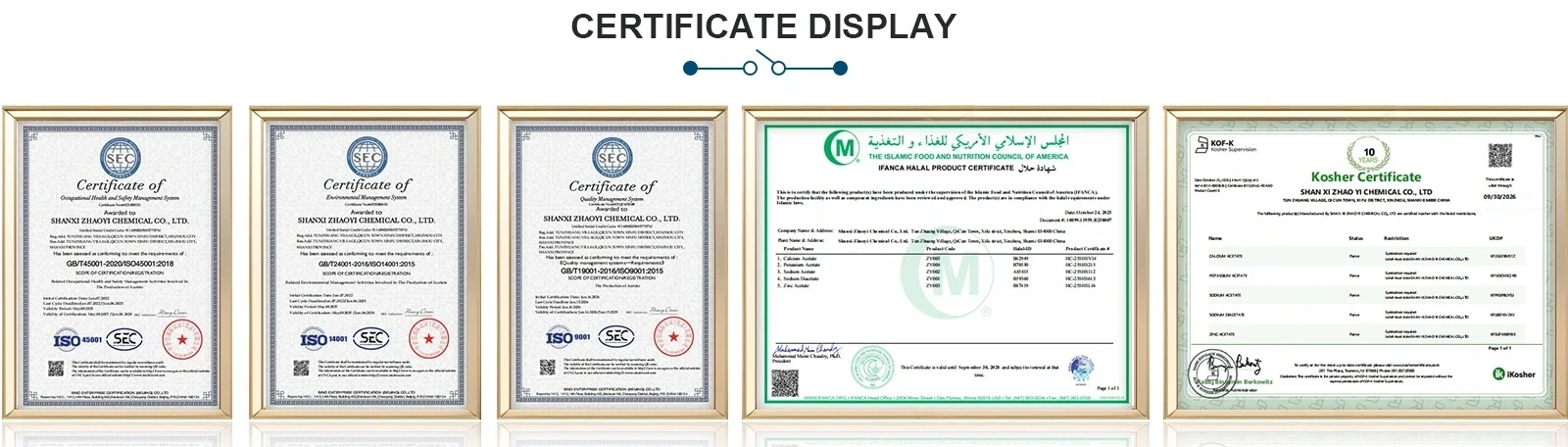
Our production base strictly implements standardized quality management and has obtained authoritative ISO quality system certification, together with valid KOSHER and HALAL food-grade certifications. The whole production process fully complies with FCC VII industry specifications, with real-time online monitoring of heavy metal indicators, ensuring lead content less than 2ppm and arsenic content less than 3ppm.
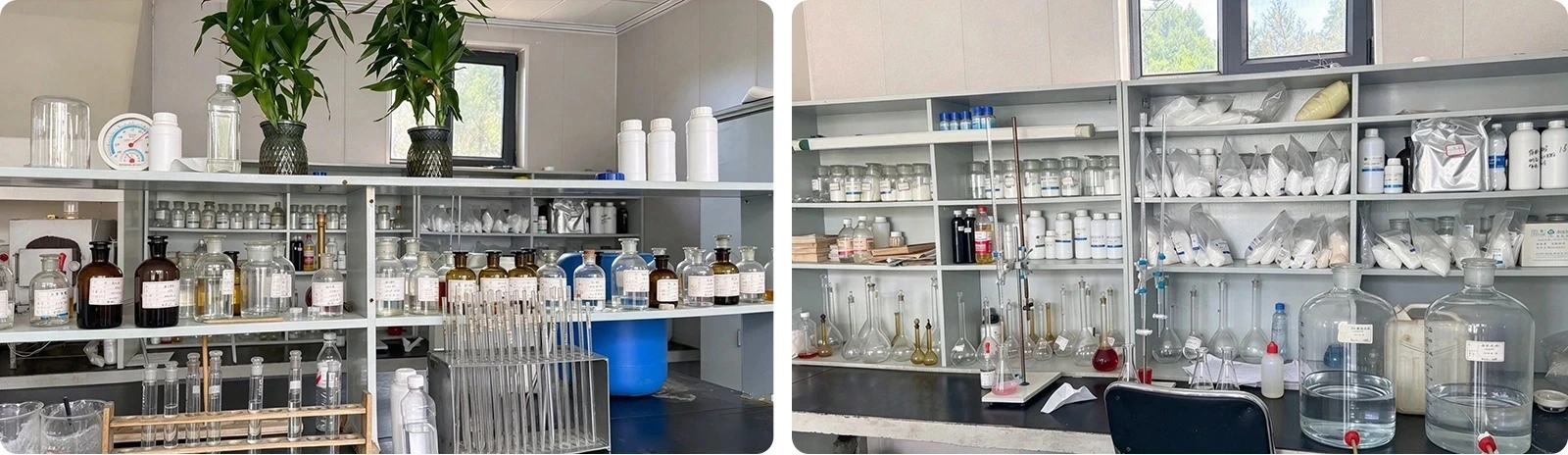
Every batch of Sodium Diacetate in Food will pass strict third-party food-grade compliance testing before delivery. We can provide complete official certification documents and test reports to support customers' market access and regulatory filing in Europe, America, Asia and other global regions.
Packaging Options
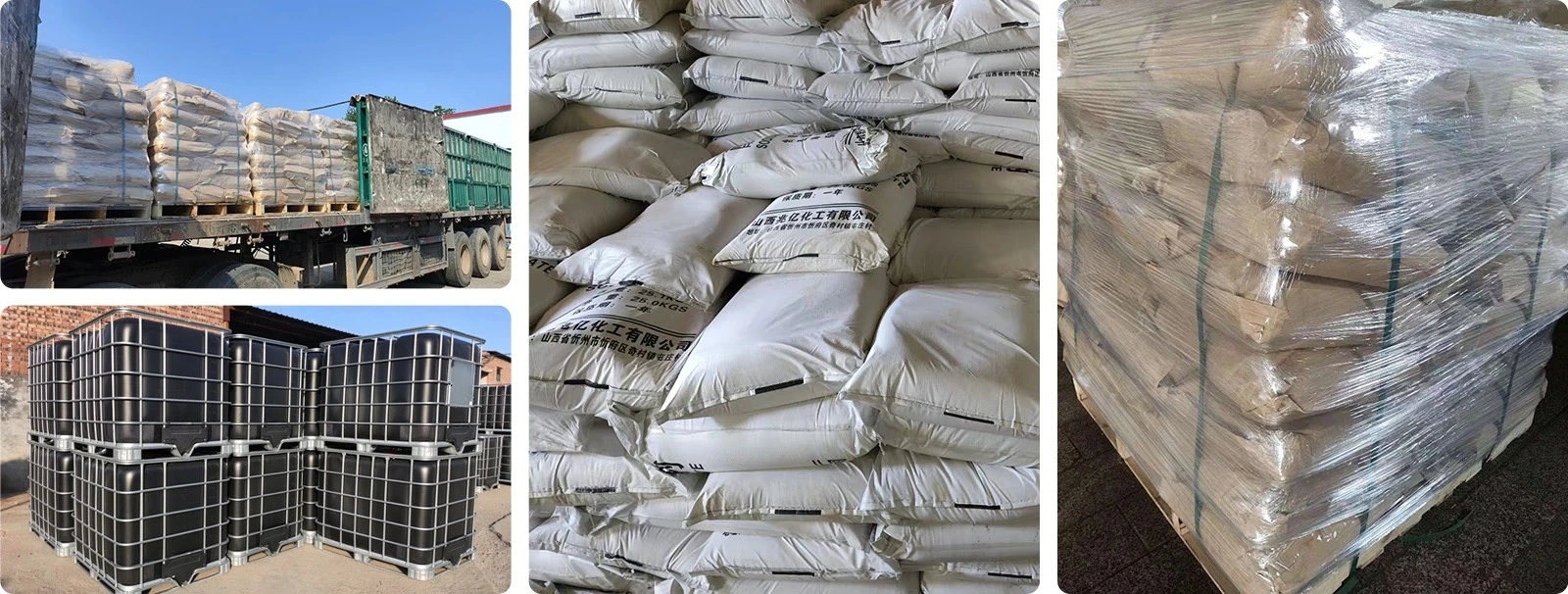
Food makers around the world can buy our standard export-grade packaging. Most orders ship in 25kg plastic woven bags. A food-grade moisture-proof liner goes inside each bag. Moisture stays out that way, and spoilage is held off over long container routes.
Big industrial plants can order 1000kg ton bags built to their own specs. Automated feeding and handling equipment works with these bags. Output goes up. How a customer stores and moves goods differs, so any packaging spec can be changed to fit. All the packaging material we use meets international food contact safety standards.
Manufacturing Process
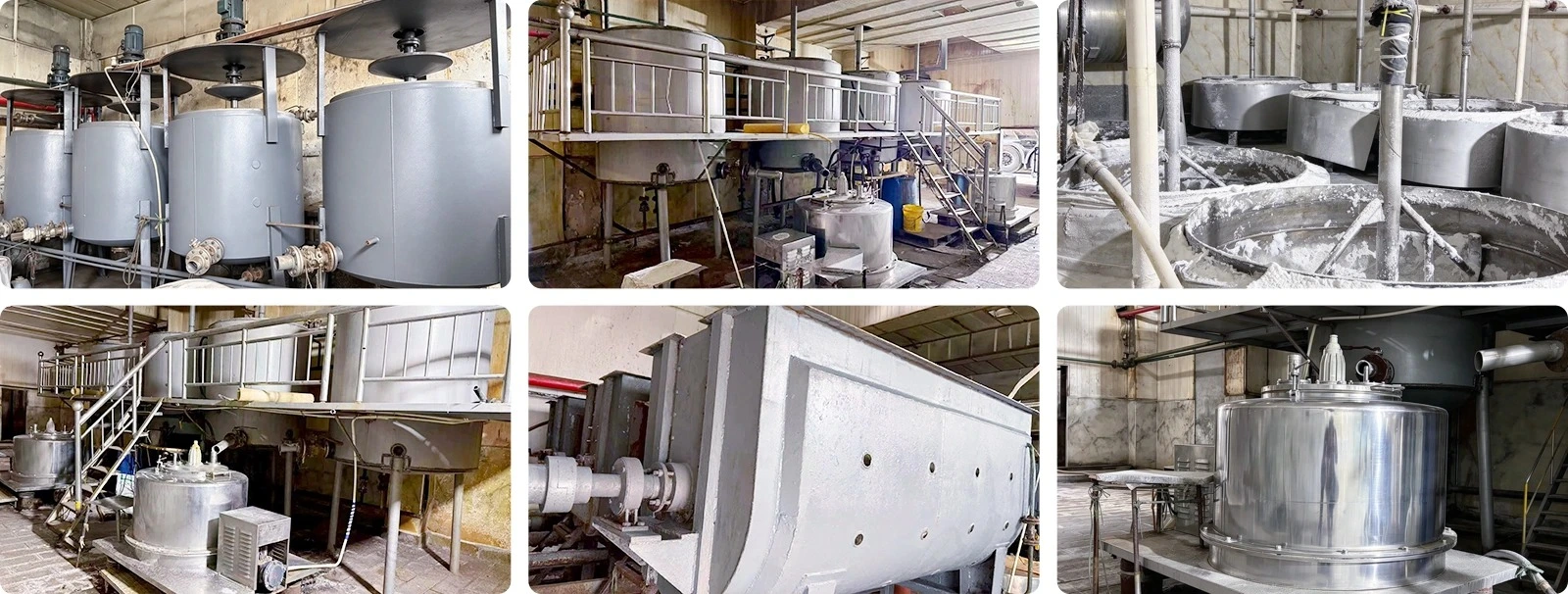
Dosing of the raw materials, sodium acetate and acetic acid, follows strict stoichiometric ratio control. The molecular structure and the proportion stay on spec that way. Then crystallization runs, under a temperature gradient we control. Particles come out even, and the size distribution stays consistent.
Trace impurities get stripped out of the raw materials by deep purification in several stages. The purity hits pharmaceutical grade. Quality checks run in real time all through the yearly production cycle of 150,000 tons. Molecular composition stays steady. The core indicators hold steady too.
Skilled spray drying takes care of the finished products, and moisture stays at the right level. Powder moves more easily. Clumping happens less. Physical properties hold steady too, even when storage humidity shifts.
Why Choose Us
Our acetate work goes back to 1988, and that adds up to 35+ years. Food processing firms in over 40 countries buy from us on a regular basis. We run a production base of 27,000 ㎡. That gives us a lot of stock on hand. Demand can spike, but supply stays steady. Orders do not get stuck.
Our skilled technical team gives formula optimization and dosage adjustment advice. Each customer's food application decides how that advice is shaped. Every batch keeps the same specs. Quality does not drift. This takes away the risk of re-debugging a sodium diacetate in food formula. It keeps finished product quality steady too.
Our factory sells direct. That is why pricing stays at factory level. You can pick the order size you need. Big industrial runs work fine. So do small custom batches of specialty food. We hold plenty of stock too. It keeps just-in-time delivery running. Customers plug into our supply chain and nothing slows down.
FAQ
Q: What dose is normal when the product goes into bakery items?
A: A1: For most people, 0.1% to 0.4% of the dough weight is enough. Does your process call for a different figure? Then change it. Two things decide this. How much moisture sits in your raw materials matters. So does the shelf life you need for the finished product.
Q: Does this product affect how well yeast ferments?
A: A2: So far we have seen no clear negative effect. Stay inside the dose we suggest and yeast activity keeps going. Proofing times do not move. In bread production, fermentation behaves the way it should.
Q: Can it take the place of liquid vinegar in food formulas?
A: A3: Yes. Dry forms do the same job as liquid vinegar. The acetic acid loses none of its strength. You can still tweak the flavor. No extra water enters the mix either, and that makes production control simpler.
Q: How long can you store the product before it spoils?
A: A4: Store the product unopened in a cool, dry place. Let air flow around it. In those conditions, all standard indicators hold steady for at least 24 months. Heat and direct sunlight will cut that time down. Stay away from both.
Q: Will it get along with other common food additives?
A: A5: It plays nice with most food additives. Sodium lactate pairs well with it. You can use them together. The antibacterial power and the fresh-keeping power both get stronger. Nothing strange happens in the blend. Quality risks stay away.

Request a Quote
Let us know how you plan to use the product. Which sodium diacetate in food dose do you need? Send both details in an email to sxzy@sxzhaoyi.com.

USER EVALUATE
Here is the customer's evaluation of us