



natural sodium diacetate
CAS NO.: 126-96-5
Molecular Formula: C4H7NaO4
Molecular Weight: 142.09
Character: White crystalline powder with a mild acetic acid odor, good water solubility, and stable acidity.
Usage:
It is used as a preservative, acidity regulator, and flavoring agent in food processing;
It can help inhibit the growth of mold and certain bacteria in bakery products, meat products, sauces, and seasonings;
It is also used in animal feed, grain preservation, and other applications requiring controlled acidity.
Package: 25kg paper bag or plastic woven bag with inner polyethylene liner.
Storage: It should be stored in a dry and ventilative warehouse, kept away from heat and moisture during transportation, and unloaded with care so as to avoid damage. Furthermore, it must be stored separately from poisonous substances.
- Product Description
Natural Sodium Diacetate | Premium Food & Feed Preservative Solution | High-Purity Antimicrobial Acidity Regulator
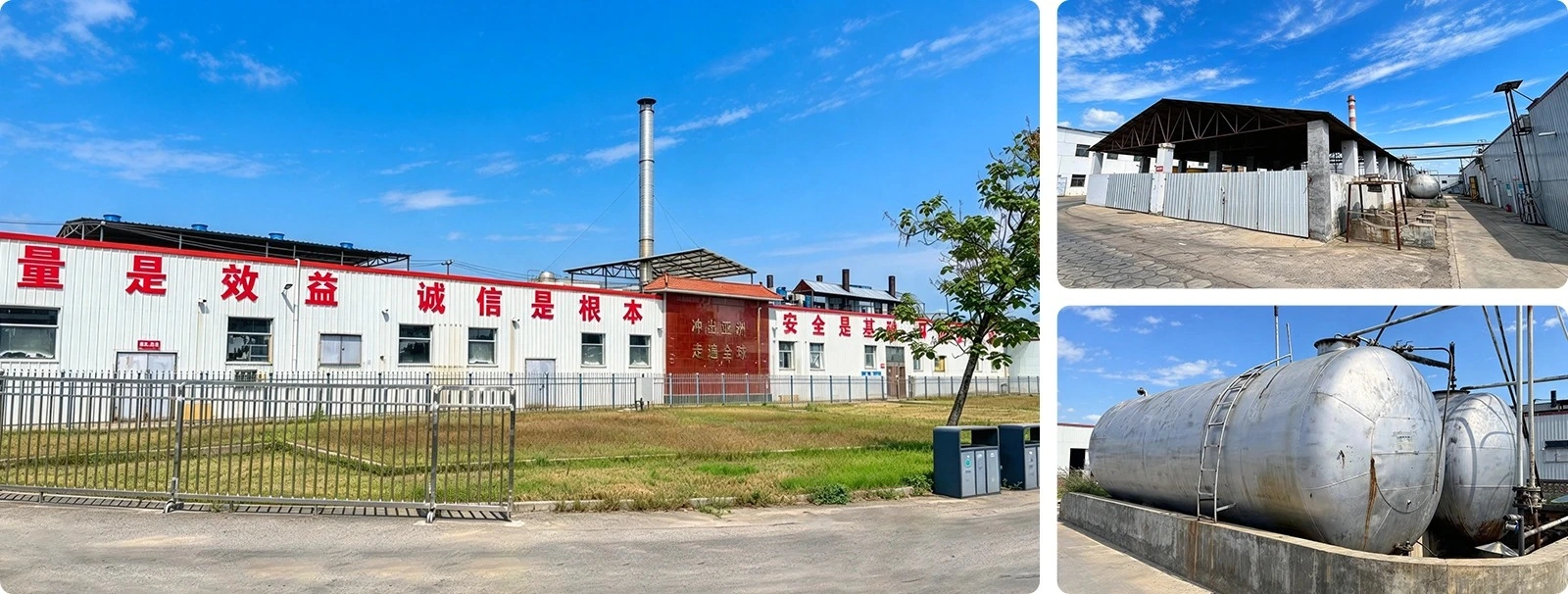
Shanxi Zhaoyi Chemical Co., Ltd. makes acetate chemicals. We began in 1988. That gives us over 35 years in the business. Each year, 150,000 tons of acetate series products leave our plant. Natural Sodium Diacetate is one of our main products. Its CAS number is 126-96-5. This crystal does not break down easily. To make it, sodium acetate and acetic acid join in a 1:1 molar ratio. Every batch follows tight production rules. Purity reaches ≥98%. Heavy metal content stays below 0.001%. The product is a white crystalline powder. It dissolves in water at 1g/ml. When mixed into a solution, the pH sits at 4.5-5.0. Food plants worldwide depend on it. Feed makers use it too. So do grain storage operators. It works as an antimicrobial agent and a metabolic acidifier. With it, preservation and pH control remain steady and reliable.
Key Features & Benefits
This product sits in a crystal lattice. Add moisture to that lattice. Then acetic acid seeps out. It comes out little by little, and it does not stop. Most preservatives handle one task only. Mold strains like Aspergillus and Penicillium show up most often. The slow release from this product works harder on them and keeps working longer. Stored goods avoid mildew and spoilage because of it.
Monogastric livestock get real digestive benefits. The animal's stomach pH shifts into a better range. Pepsin works more. In actual breeding tests, post-weaning diarrhea drops by 30%-40%. So the herd grows better and stays healthier.
Acidic additives in liquid form eat into equipment. This formula is buffered and non-corrosive, so that does not happen. Corrosion and oxidation stay away from production and processing gear, which adds years to the life of your machinery. Repair bills and replacement costs drop too.
A mild acetic smell comes off it, the natural kind. Bitter or sharp off notes never appear. Feed and finished foods are more palatable with it, so animals eat more. The end product tastes better too, and that helps it sell.
Technical Specifications
Parameter | Specification | Test Method |
Appearance | White Crystalline Powder | Visual Inspection |
Molecular Formula | C₄H₇NaO₄ | |
CAS Number | 126-96-5 | |
Purity (Assay) | ≥98.0% | HPLC |
Free Acetic Acid | 39.0-41.0% | Titration |
Sodium Acetate | 58.0-60.0% | Calculation |
pH Value (10% Solution) | 4.5-5.0 | pH Meter |
Water Solubility | 1g/1ml Water | Dissolution Test |
Heavy Metals (as Pb) | ≤0.001% | ICP-MS |
Loss on Drying | ≤2.0% | Gravimetric |
Thermal Stability | Stable to 150°C | TGA Analysis |
How It Works
This product fights bacteria and keeps products fresh in more than one way, so the effect is strong. Undissociated acetic acid molecules pass through microbial cell membranes more easily than plain dissociated ions can. Once inside, they upset the pH balance of the cell. Key enzymes stop working the way they should. Harmful microbes such as Salmonella and E. coli then struggle to multiply.
pH buffering works so well because of the sodium acetate inside the molecule. In water solutions, and in solid product blends as well, acidification stays mild and easy to control. Give it to animals and the gut conditions improve, which helps nutrients get absorbed. Stomachs stay calm. No discomfort for the livestock.
An animal eats the product and digests it. The acetate ions it releases then join the Krebs cycle in the body. Extra metabolic energy comes from that, and livestock growth gets a boost. So two jobs get done at the same time. Feed is preserved, and the animals grow. A preservative or an acidifier that does only one of those jobs cannot match it.
Applications
Bakery Product Preservation: In bread, pastries, tortillas and other baked goods, rope-forming spoilage bacteria get held back, so the product lasts much longer on the shelf. Most of the time the dose is 0.1-0.3% of the flour weight. Results stay steady. You can control them.
Meat Processing Enhancement: Listeria and spoilage bacteria never take over in sausages or deli meats, and cured products are covered too. Color holds where it should. Nothing smells off. The meat also lasts longer on the shelf.
Feed Industry Solutions: Grains with high moisture are no problem at all. The same goes for silage and full-price compound feed. A dose of 0.2-0.5% stops the mold that makes mycotoxins. Feed then stores a long time and does not go moldy.
Sauce & Condiment Stabilization: Ketchup keeps microbes out. Mayonnaise and salad dressing get the same cover. So do other condiments. The pH level stays steady. Taste holds up for the whole shelf life, and nothing turns bad.
Pet Food Formulation: You will find it in plenty of moist pet foods. Its smell is soft. Pets enjoy the taste. Taste tests with dogs and cats both came back positive. So the food stays safe and fit to eat.

Natural Sodium Diacetate vs Other Preservatives
Feature | Natural Sodium Diacetate | Calcium Propionate | Potassium Sorbate | Liquid Acetic Acid |
Antimicrobial Spectrum | Broad (Bacteria & Molds) | Primarily Molds | Primarily Yeasts/Molds | Broad but Corrosive |
pH Range | 4.5-5.0 (Buffered) | 7.5-9.0 | 6.0-7.0 | 2.4 (Highly Acidic) |
Equipment Corrosion | Minimal | None | Minimal | High |
Palatability | Good (Mild Odor) | Neutral | Slightly Bitter | Poor (Pungent) |
Handling Safety | Dry, Easy | Dry, Easy | Dry, Easy | Liquid, Hazardous |
Energy Contribution | Yes (Acetate) | No | No | No |
Certifications & Compliance
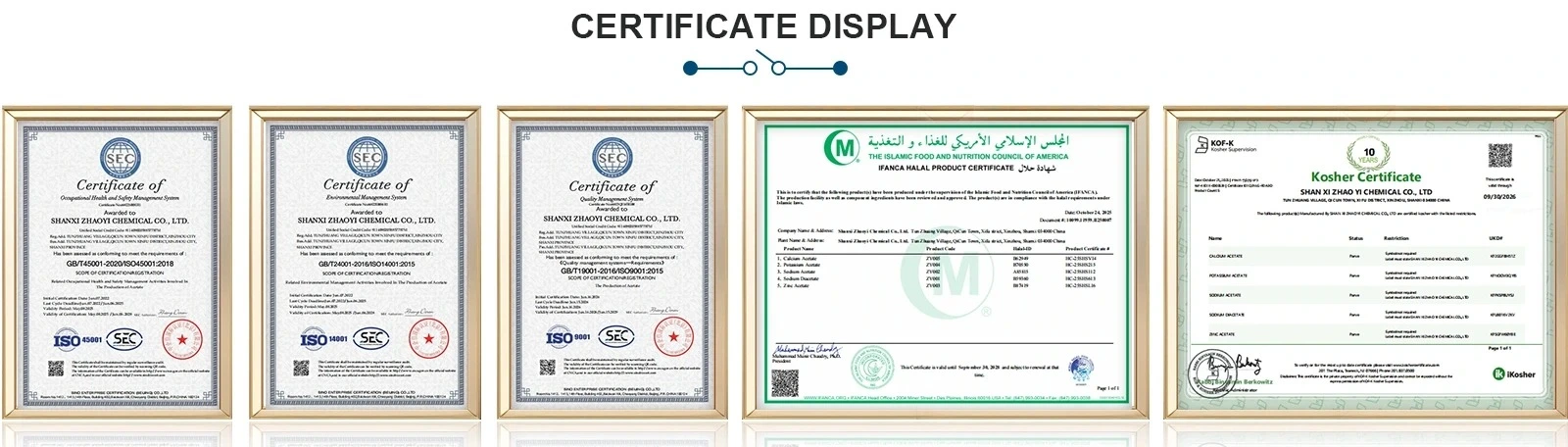
Tight quality management keeps our production base running. We put the rules in writing, and we stick to them. Our quality management system holds ISO 9001:2015 certification. Every food-grade product ships with valid KOSHER and HALAL certificates. International food safety rules and dietary standards are all met in full.
The product has passed GRAS safety certification and meets global feed-grade additive specifications. Every batch of finished products will undergo strict third-party laboratory testing before delivery, and complete official certificate of analysis will be provided to fully guarantee product compliance and quality stability.
Packaging Options
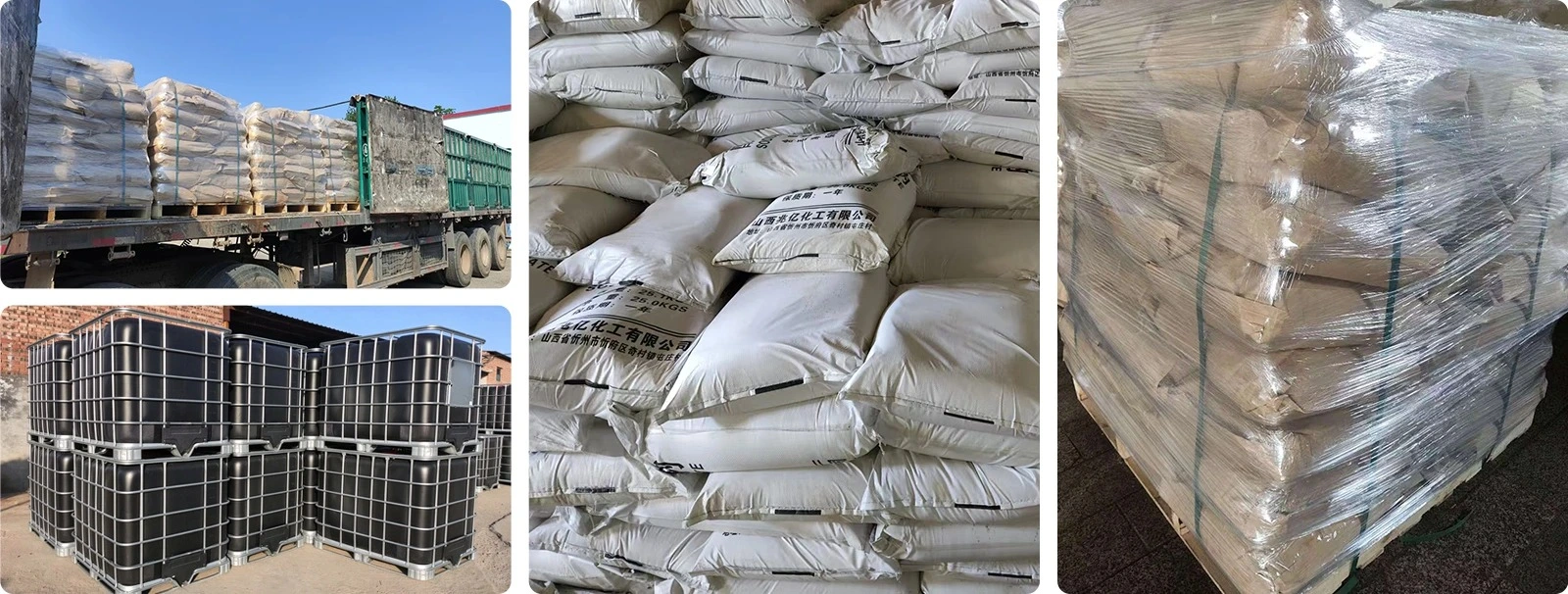
Standard Industrial Packaging: Goods leave us in 25kg multi-layer paper bags. A polyethylene liner sits inside each bag and keeps moisture away. Damp cannot reach the natural sodium diacetate in the product. That stops it from going bad. 40 bags fill one pallet, which comes to 1000kg. Shrink wrap goes around the load. Nothing shifts while it moves.
Bulk Supply Options: Industrial customers who need large volumes can order 500kg super sacks. These woven bags have discharge nozzles. Mechanical feeding and material handling become easy, and the whole operation runs better.
Customized Solutions: We support personalized customized packaging sizes and label styles according to customer’s special usage scenarios and export standards. Our team can provide targeted packaging solutions based on your actual demands.
Manufacturing Process
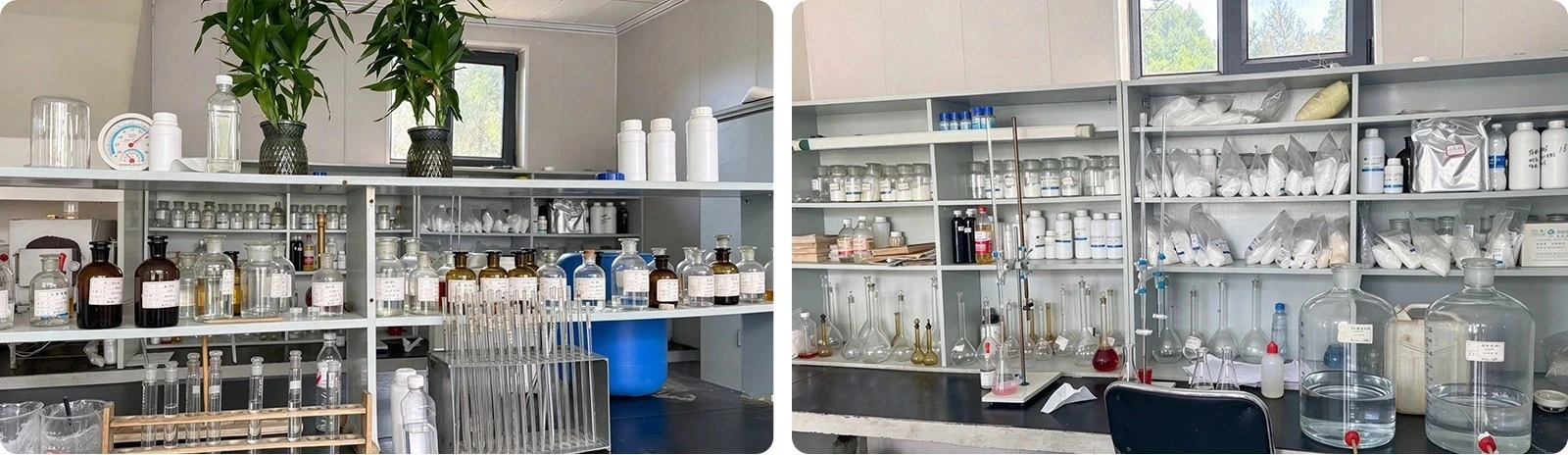
Raw Material Selection: High-purity glacial acetic acid and pharmaceutical-grade sodium hydroxide are our main raw materials. We test every incoming batch with professional spectral detection equipment. Anything that fails is stopped right at the source.
Controlled Neutralization: Raw materials go into a reaction kettle that sits at one steady temperature. Inside, they get weighed and mixed. pH is tracked by machine while the process runs. So the reaction goes all the way to the normal 1:1 molar ratio. Stable molecular structures come out of it.
Crystallization & Filtration: The reaction solution is cooled at a steady pace. Crystals come out even and fine. Leftover liquid impurities get pulled out through centrifugal separation. Next come several rounds of washing. Purity stays high.
Drying & Milling: Fluidized bed drying equipment does the drying, and moisture is held below 2.0%. Then jet milling gives the finished product a particle size distribution that stays even. Many formula mixing and processing needs fit this.
Quality Verification: Every batch goes through 18 strict quality indicator tests. Products get packaged and shipped only when they meet the specification standards in full. Quality can then be traced across the whole process.
Why Choose Shanxi Zhaoyi Chemical
Unmatched Production Scale: Covering a 27,000 ㎡ standardized production base with an annual output of 150,000 tons of acetate products, we can stably supply orders of all sizes, ensuring stable product prices and sufficient inventory all year round.
Professional Technical Expertise: Our 60-person professional technical team has decades of rich experience in acetate product research and development and production. We can provide targeted dosage optimization and formula matching guidance according to customer production difficulties.
Global Distribution Network: With mature logistics and customs clearance systems covering Europe, America and Asia, we ensure on-time delivery of global orders and provide complete customs clearance documents to support customers’ market expansion.
Rigorous Quality Assurance: Multiple international authoritative certifications and full-batch third-party testing mechanisms guarantee stable product quality. Each shipment is accompanied by complete analysis documents to assist customers in quality inspection and control.

FAQ
Q: What amount is normally used to preserve feed?
A: A1: The normal amount is 0.2% to 0.5% of the feed's total weight. If the feed holds a lot of moisture, or you plan to store it a long time, use more. That keeps mold away. The feed stays fresh.
Q: Can it replace liquid acetic acid in existing production formulas?
A: A2: Yes, the replacement operation is simple and efficient. 1kg of our powdered product can provide equivalent acetic acid content of 1.2L 80% liquid acetic acid, while avoiding the hazards and equipment corrosion of liquid acid.
Q: Will it affect the flavor of finished food products?
A: A3: No obvious adverse impact. When used at the standard dosage of 0.1%-0.3%, the mild acetic aroma can be well integrated with food flavor without producing peculiar smell, with far better sensory performance than other organic acid preservatives.
Q: How long can the product stay good?
A: A4: Keep the container closed. A dry spot is where it should go. Keep it under 25°C and out of direct sun. That way, every technical indicator stays within standard for as long as 24 months.
Q: Do you provide professional formula technical support?
A: A5: Yes. Our professional application technical team provides free customized consulting services, including dosage adjustment, product compatibility testing and regulatory document guidance to help customers optimize production formulas.
Request a Quote
Please send your detailed procurement quantity and formula application requirements for natural sodium diacetate to sxzy@sxzhaoyi.com,.

USER EVALUATE
Here is the customer's evaluation of us